· 8 min read
Can Dogs Eat Corn Cobs? The Surprising Truth Every Pet Parent Needs to Know
It’s a sunny summer afternoon, and you’re firing up the grill for a backyard BBQ. The scent of charred corn on the cob fills the air, and your furry best friend is at your feet, tail wagging furiously, eyes locked on that golden cob. You’ve heard corn is a common ingredient in dog food—so is it safe to toss them a piece? Or is that innocent-looking corn cob hiding a dangerous secret?
If you’ve ever wondered whether corn cobs are a safe snack for your pup, you’re not alone. As pet parents, we want to share the joys of mealtime with our dogs, but it’s crucial to separate fact from fiction when it comes to their diet. In this post, we’ll break down everything you need to know: the risks, the (surprising) benefits of corn itself, how much is safe, and healthier alternatives to keep your dog happy and healthy.
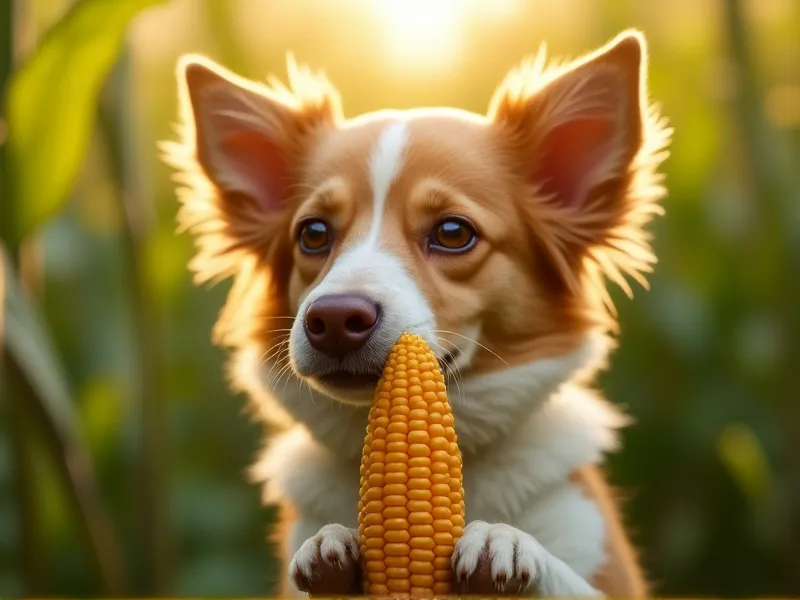
Table of Contents
- Can Dogs Eat Corn Cobs? The Short Answer
- The Benefits of Corn (for Dogs)
- The Risks of Corn Cobs: Why They’re a Hidden Hazard
- How Much Corn Is Safe for Dogs? (If Any)
- Healthier Alternatives to Corn Cobs
- FAQ: Your Corn Cob Questions Answered
- Conclusion: Keep Your Pup Safe and Happy
1. Can Dogs Eat Corn Cobs? The Short Answer
Let’s cut to the chase: No, dogs should not eat corn cobs.
While plain, cooked corn kernels can be a safe, occasional treat for dogs (more on that later!), the cob itself is a serious choking hazard and poses a high risk of life-threatening intestinal blockages. Think of it like giving your dog a piece of wood—their digestive systems simply can’t break down the tough, fibrous material, and it can get stuck along the way.
2. The Benefits of Corn (for Dogs)
Before we dive into the dangers of the cob, let’s clarify: corn itself is not toxic to dogs. In fact, corn is a common ingredient in many commercial dog foods, and for good reason—it offers some nutritional benefits when served correctly (i.e., as kernels, not cobs). Here’s why:
Fiber for Digestion
Corn kernels are a good source of dietary fiber, which helps support healthy digestion by keeping things moving in your dog’s gut. Fiber can also help regulate blood sugar levels and keep your pup feeling full, which is great for weight management.
Essential Vitamins and Minerals
Corn is packed with nutrients like:
- B Vitamins (Thiamine, Niacin): These support energy metabolism, brain function, and a healthy coat.
- Vitamin C: An antioxidant that boosts the immune system and helps fight inflammation.
- Potassium: Important for muscle function, heart health, and maintaining healthy blood pressure.
- Magnesium: Supports bone health and nerve function.
A Whole-Grain Option
As a whole grain, corn provides complex carbohydrates, which are a steady source of energy for active dogs. Unlike refined carbs (think white bread), whole grains like corn release energy slowly, preventing blood sugar spikes.
3. The Risks of Corn Cobs: Why They’re a Hidden Hazard
Now, let’s talk about the cob—the real problem. Even though corn kernels are safe in moderation, the cob is a major risk for dogs. Here’s why you should never let your pup near it:
Choking Hazard
Corn cobs are hard, cylindrical, and can easily break into small, irregular pieces. If your dog tries to swallow a chunk, it could get lodged in their throat, blocking their airway. Choking is a medical emergency—signs include pawing at the mouth, gagging, difficulty breathing, or blue gums.
Intestinal Blockage: The Most Dangerous Risk
The biggest threat of corn cobs is intestinal obstruction. The cob’s tough, indigestible fibers can’t be broken down by your dog’s stomach acid or digestive enzymes. Instead, they can get stuck in the esophagus, stomach, or intestines.
An intestinal blockage is life-threatening. Symptoms include:
- Vomiting (especially after eating)
- Diarrhea or constipation (sometimes with blood)
- Lethargy or loss of appetite
- Abdominal pain (your dog may whine, pace, or refuse to be touched near the belly)
- Bloating
If left untreated, a blockage can cause tissue death, infection, or even perforation of the intestines—all of which require emergency surgery. According to the ASPCA, foreign body obstructions (like corn cobs) are one of the most common reasons for emergency vet visits in dogs.
Added Sugars in Sweet Corn
Many corn cobs served at BBQs are “sweet corn,” which has higher sugar content than field corn. While a few kernels won’t hurt, excessive sugar can lead to weight gain, dental issues, or even diabetes in dogs, especially if fed regularly.
4. How Much Corn Is Safe for Dogs? (If Any)
If corn kernels are safe, how much can you share with your pup? The key here is moderation and preparation.
Only Feed Kernels, Not Cobs
First and foremost: never feed your dog a corn cob, even a “small piece.” The risk of blockage is too high. Instead, if you want to share corn, shuck the cob and remove the kernels first.
Cooked, Plain, and Unsalted
Always serve corn kernels cooked (raw corn can be hard to digest) and plain. Skip the butter, salt, pepper, or chili powder—seasonings like salt can lead to sodium toxicity, and butter is high in fat, which can cause pancreatitis in dogs.
Stick to Small Portions
Corn should be an occasional treat, not a regular part of your dog’s diet. The amount depends on your dog’s size:
- Small dogs (under 20 lbs): 1–2 tablespoons of kernels, once or twice a week.
- Medium dogs (20–50 lbs): 2–3 tablespoons, once or twice a week.
- Large dogs (over 50 lbs): Up to ¼ cup, once or twice a week.
Overfeeding corn can lead to stomach upset (gas, diarrhea) or weight gain, so err on the side of caution.
5. Healthier Alternatives to Corn Cobs
If you want to treat your dog to a crunchy, tasty snack without the risk of corn cobs, there are plenty of safer options. Here are our top picks:
1. Cooked Sweet Potato
Sweet potatoes are a nutritional powerhouse—they’re high in fiber, beta-carotene (which converts to vitamin A for eye health), and potassium. Slice them into rounds, bake until soft, and let cool for a chewy, dog-approved treat.
2. Green Beans
Low in calories and high in fiber, green beans are perfect for dogs watching their weight. Serve them steamed or raw (chopped into bite-sized pieces for small dogs) for a crunchy snack that cleans teeth and aids digestion.
3. Carrots
Carrots are another low-calorie, high-fiber option. They’re great for dental health—chewing on raw carrots helps scrape plaque off teeth! Plus, they’re rich in vitamin A and antioxidants.
4. Apples (No Seeds!)
Apples are a sweet, crunchy treat with fiber and vitamin C. Just be sure to remove the seeds (they contain small amounts of cyanide, which is toxic in large doses) and core before serving.
5. Pumpkin (Plain, Canned)
Plain, unsweetened pumpkin is a go-to for upset tummies—it’s loaded with fiber and helps firm up loose stools. Spoon a tablespoon over your dog’s food or freeze in ice cube trays for a cool summer snack.
6. FAQ: Your Corn Cob Questions Answered
Q: Can dogs eat corn kernels?
A: Yes! Plain, cooked corn kernels are safe for dogs in small, occasional portions. Just avoid the cob, salt, butter, or seasonings.
Q: My dog ate a corn cob—what should I do?
A: Contact your vet immediately. Even if your dog seems fine at first, the cob could still be causing a blockage. Symptoms may take hours or days to appear, so don’t wait for signs of distress. Your vet may recommend monitoring, inducing vomiting (only if safe), or X-rays to check for blockages.
Q: Is cornmeal safe for dogs?
A: Yes, cornmeal is generally safe for dogs when included in balanced dog food. It’s a common filler in kibble and provides carbs for energy. Just avoid homemade treats with added sugar, salt, or spices.
Q: Can dogs be allergic to corn?
A: Corn allergies are rare in dogs, but they can happen. Symptoms include itching, red skin, ear infections, or digestive upset. If you suspect an allergy, talk to your vet about switching to a corn-free diet.
Q: Are corn tortillas safe for dogs?
A: Plain corn tortillas (no salt, cheese, or toppings) are safe in tiny amounts. However, they’re high in carbs and low in nutrition, so they’re best saved for an occasional bite, not a regular treat.
7. Conclusion: Keep Your Pup Safe and Happy
Corn cobs might seem harmless, but they’re one of the most common causes of intestinal blockages in dogs—and the consequences can be fatal. The good news? You can still share the joy of corn with your pup by serving plain, cooked kernels in moderation. And when you’re looking for a crunchy snack, opt for safer alternatives like sweet potatoes, carrots, or green beans.
Remember: When in doubt, always consult your vet before introducing new foods to your dog’s diet. Every pup is different, and your vet can help you make the best choices for their age, size, and health needs.
Here’s to many happy, healthy BBQs (and snack times!) with your furry friend—minus the corn cobs. 🐾
Sources:
- American Society for the Prevention of Cruelty to Animals (ASPCA). “People Foods to Avoid Feeding Your Pets.”
- American Veterinary Medical Association (AVMA). “Nutrition for Dogs.”
- VCA Hospitals. “Intestinal Foreign Bodies in Dogs.”
- PetMD. “Can Dogs Eat Corn?”