· 9 min read
Can Dogs Eat Corn Chex? The Pet Parent’s Guide to Safe Snacking
It’s a lazy Sunday morning, and you’re curled up on the couch, spooning a bowl of Corn Chex. Next to you, your dog sits, tail thumping a steady rhythm against the floor, their eyes locked on your cereal bowl. “Just one little piece?” you think. “What harm could it do?” If you’ve ever found yourself in this scenario, you’re not alone. Pet parents often wonder if their favorite snacks are safe to share with their furry friends—especially when those snacks are as crunchy, colorful, and seemingly “harmless” as Corn Chex.
But before you toss a piece to your pup, let’s dive into the details: Can dogs eat Corn Chex? The answer isn’t a simple yes or no. While it’s not toxic, there’s more to the story—including hidden risks and better alternatives. Let’s break it down.
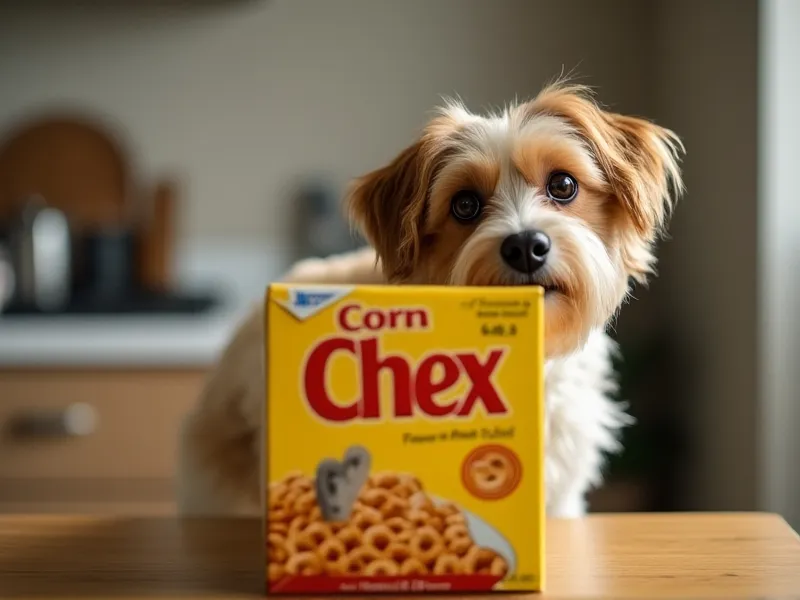
Table of Contents
- Is Corn Chex Safe for Dogs? The Short Answer
- What’s in Corn Chex, Anyway?
- Potential Benefits of Corn Chex for Dogs (Spoiler: They’re Minimal)
- Risks of Feeding Corn Chex to Dogs: Why It’s Not Ideal
- How Much Corn Chex Can Dogs Eat? Guidelines for Pet Parents
- Healthier Alternatives to Corn Chex: Treats Your Dog Will Love
- FAQ: Your Corn Chex and Dog Questions Answered
- Conclusion: Moderation (and Better Snacks) Are Key
Is Corn Chex Safe for Dogs? The Short Answer
Let’s cut to the chase: Corn Chex is not toxic to dogs, but it’s far from a healthy treat. The cereal itself contains no ingredients that are poisonous to canines (like chocolate, xylitol, or grapes), so a stray piece or two is unlikely to cause serious harm. However, Corn Chex is highly processed, loaded with sugar and salt, and lacks the nutrients dogs need to thrive. Think of it as the canine equivalent of junk food—tasty (to them), but not something you’d want to make a regular part of their diet.
What’s in Corn Chex, Anyway?
To understand why Corn Chex isn’t ideal for dogs, let’s start with its ingredients. A quick glance at the label reveals:
- Corn flour: The main ingredient, made from ground corn. Corn is a common filler in dog food, but this is processed corn (not whole-grain corn), which means it’s stripped of most fiber and nutrients.
- Sugar: Corn Chex contains added sugar (about 2 grams per 1-cup serving for original flavor). While that might not sound like much, dogs have no biological need for sugar, and even small amounts add up.
- Salt: About 290 mg of sodium per cup. Dogs need some sodium, but too much can lead to dehydration, kidney strain, or even salt toxicity in extreme cases.
- Vitamins and minerals: Fortified with B vitamins (thiamin, niacin), iron, and folic acid. These are added to make the cereal “nutritious” for humans, but they’re not in amounts that benefit dogs significantly.
In short, Corn Chex is a processed, carb-heavy snack with little nutritional value—hardly a “superfood” for your pup.
Potential Benefits of Corn Chex for Dogs (Spoiler: They’re Minimal)
If Corn Chex isn’t great for dogs, does it have any upsides? Let’s be generous and explore the potential (but minor) benefits:
1. Trace amounts of fiber
Corn flour does contain some dietary fiber, which helps support digestion. However, the fiber in processed corn is minimal compared to whole grains like oats or brown rice. For example, 1 cup of Corn Chex has just 1 gram of fiber—hardly enough to make a difference in your dog’s diet.
2. Small amounts of potassium
Corn is a natural source of potassium, an electrolyte that helps regulate heart and muscle function. But again, the amount in Corn Chex is negligible. Your dog would get far more potassium from a single banana or sweet potato than from a handful of cereal.
3. A “safe” occasional crunch
Some dogs love the texture of dry cereal, and Corn Chex is low-risk in tiny quantities. If your dog begs persistently, a piece or two might satisfy their curiosity without upsetting their stomach (more on that later).
The bottom line: Any “benefits” of Corn Chex are so minimal they’re not worth the downsides. Your dog won’t miss out on anything if you skip the cereal altogether.
Risks of Feeding Corn Chex to Dogs: Why It’s Not Ideal
Now, let’s talk about the risks—because these are far more significant than the “benefits.”
1. Sugar: Empty calories and long-term health risks
Dogs don’t process sugar the way humans do. Excess sugar leads to:
- Obesity: Extra calories from sugar quickly translate to weight gain, which raises the risk of diabetes, joint pain, and heart disease.
- Dental issues: Sugar feeds harmful bacteria in your dog’s mouth, leading to plaque, tartar, and cavities.
- Energy spikes and crashes: Like humans, dogs can get a sugar rush followed by a slump, leaving them restless or lethargic.
2. Salt: Dehydration and kidney strain
While a few Corn Chex pieces won’t overload your dog’s sodium intake, regular feeding could. Dogs need about 100 mg of sodium per 10 pounds of body weight per day. A small dog (e.g., a 10-pound Chihuahua) would hit their daily limit with just ⅓ cup of Corn Chex. Too much salt can cause:
- Increased thirst and urination
- Vomiting or diarrhea
- In severe cases, salt toxicity (symptoms include seizures, tremors, or even death—though this is rare with Corn Chex unless your dog eats a huge amount).
3. Stomach upset from processed carbs
Dogs thrive on protein and healthy fats, not processed carbohydrates. Feeding Corn Chex can lead to digestive issues like:
- Gas or bloating
- Diarrhea (especially in dogs with sensitive stomachs)
- Pancreatitis (in rare cases, if fed in large quantities, due to the high carb load).
4. Choking hazard
The small, hard pieces of Corn Chex can pose a choking risk, especially for small dogs or those who gulp their food. If your dog isn’t a careful chewer, a piece could get stuck in their throat.
How Much Corn Chex Can Dogs Eat? Guidelines for Pet Parents
If you must share a bite of Corn Chex with your dog (we get it—those puppy eyes are hard to resist), follow these rules:
- Stick to tiny portions: For small dogs (under 20 pounds), 1–2 pieces. Medium dogs (20–50 pounds): 2–3 pieces. Large dogs (over 50 pounds): 3–4 pieces. This is a “once in a blue moon” treat, not a daily snack.
- Avoid flavored varieties: Honey Nut, Cinnamon, or Chocolate Chex are even worse—they have more sugar, artificial flavors, or (in the case of chocolate) toxic ingredients.
- Monitor for reactions: After feeding, watch for signs of stomach upset (vomiting, diarrhea), excessive thirst, or restlessness. If you notice any, skip the cereal next time.
Pro tip: If your dog has a health condition (diabetes, kidney disease, or obesity), avoid Corn Chex entirely. The sugar and salt could worsen their symptoms.
Healthier Alternatives to Corn Chex
Instead of reaching for the cereal box, try these dog-friendly snacks that are tasty, nutritious, and safe:
1. Plain, cooked corn
Skip the processed corn flour and opt for fresh or frozen corn kernels (cooked, no butter or salt). Whole corn is higher in fiber and nutrients, and most dogs love the crunch.
2. Air-popped popcorn
Unsalted, unbuttered popcorn is a low-calorie, high-fiber treat. Just make sure there are no unpopped kernels (choking hazard!).
3. Carrots
Crunchy, low-cal, and packed with beta-carotene (which supports eye health). Carrots are a favorite for teething puppies or dogs watching their weight.
4. Blueberries
These tiny fruits are loaded with antioxidants and vitamins. They’re sweet enough to feel like a treat but contain natural sugars (no added sugar!) and are safe in moderation.
5. Plain rice cakes
A low-sodium, low-sugar alternative to Corn Chex. Look for unsalted, unflavored varieties—some dogs love the light, crispy texture.
6. Green beans
Cooked or raw, green beans are high in fiber and vitamins (like vitamin K and C) and low in calories. Great for dogs on a diet!
FAQ: Your Corn Chex and Dog Questions Answered
Q: My dog stole a whole bowl of Corn Chex! Should I panic?
A: Probably not, but monitor them closely. A large amount could cause stomach upset (vomiting, diarrhea) or temporary dehydration from the salt. Offer plenty of fresh water, and contact your vet if they show signs of distress (lethargy, seizures, or inability to keep water down).
Q: Can puppies eat Corn Chex?
A: It’s best to avoid it. Puppies have sensitive digestive systems and are still developing, so processed foods like Corn Chex can cause more stomach upset. Stick to puppy-safe treats like plain yogurt or cooked chicken.
Q: Is Corn Chex gluten-free? Does that make it better for dogs?
A: Yes, Corn Chex is gluten-free, but that doesn’t make it healthier for dogs. Gluten isn’t harmful to most dogs (only those with celiac disease, which is rare in canines), so the lack of gluten is irrelevant here. The sugar and salt are still the main issues.
Q: What if my dog has a corn allergy?
A: If your dog is allergic to corn (symptoms include itching, ear infections, or diarrhea), Corn Chex is a big no-no. Corn is the main ingredient, so even a small piece could trigger a reaction.
Conclusion: Moderation (and Better Snacks) Are Key
So, can dogs eat Corn Chex? Technically, yes—but that doesn’t mean they should. A stray piece here and there won’t hurt, but this processed cereal is high in sugar, salt, and empty carbs, with little nutritional value. Your dog deserves snacks that support their health, not just satisfy their cravings.
When in doubt, opt for whole, unprocessed foods like carrots, blueberries, or plain cooked corn. And if you’re ever unsure about a human food, always check with your vet—they know your dog’s unique needs best.
At the end of the day, the goal is to keep your pup happy and healthy. Skip the Corn Chex, and save the snacks for something that nourishes them—they’ll thank you with a wagging tail (and maybe a few extra kisses).
Sources:
- American Society for the Prevention of Cruelty to Animals (ASPCA). “People Foods to Avoid Feeding Your Pets.”
- American Veterinary Medical Association (AVMA). “Nutrition for Dogs.”
- PetMD. “Can Dogs Eat Corn?”
- U.S. Food and Drug Administration (FDA). “Pet Food Safety.”