· 8 min read
Can Dogs Eat Corn and Peas? A Pet Parent’s Guide to Safe Snacking
It’s a sunny Saturday afternoon, and you’re enjoying a backyard barbecue. You flip a ear of corn on the grill, its kernels glistening with butter, while a pot of fresh peas simmers on the stove. At your feet, your dog—let’s call her Luna—sits, tail thumping a rapid rhythm, nose twitching at the aroma. She tilts her head, as if asking, “Can I have a bite?”
If you’ve ever wondered whether corn and peas are safe for dogs, you’re not alone. These common veggies are staples in human diets, but when it comes to our furry friends, it’s natural to second-guess. After all, not all “human foods” are dog-friendly (looking at you, chocolate and onions).
In this guide, we’ll break down everything you need to know: Are corn and peas safe? What benefits do they offer? What risks should you watch for? And how much is too much? Let’s dig in—and maybe Luna will get her answer, too.
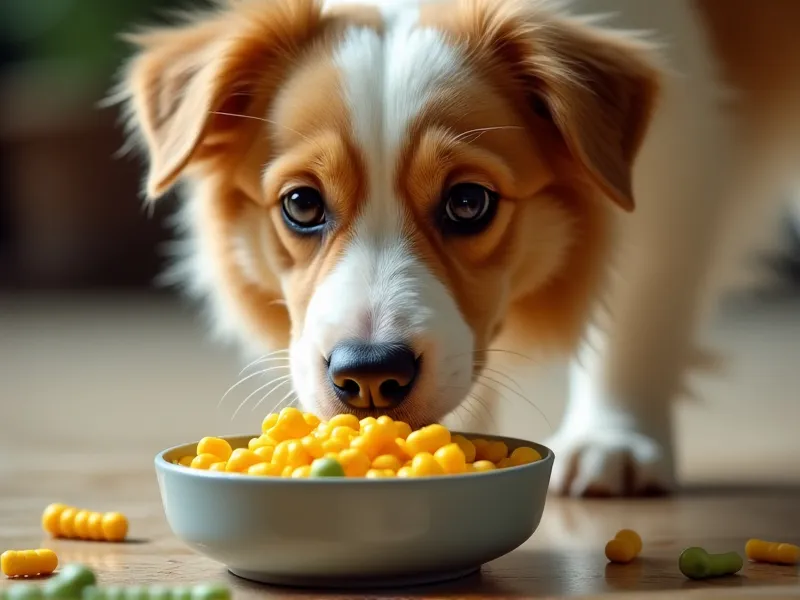
Table of Contents
- Can Dogs Eat Corn and Peas? The Short Answer
- The Benefits of Corn and Peas for Dogs
- 2.1 Nutritional Breakdown: Corn
- 2.2 Nutritional Breakdown: Peas
- Potential Risks to Watch For
- 3.1 Risks of Corn for Dogs
- 3.2 Risks of Peas for Dogs
- How Much Corn and Peas Can Dogs Safely Eat?
- 4.1 Serving Sizes by Dog Size
- 4.2 Preparation Tips for Safety
- Healthier Alternatives to Corn and Peas
- FAQ: Your Top Questions Answered
- Final Thoughts: Moderation is Key
1. Can Dogs Eat Corn and Peas? The Short Answer
Yes, dogs can eat corn and peas—in moderation. Both veggies are non-toxic to dogs and can even offer nutritional benefits when prepared correctly. However, they’re not “superfoods” for pups, and there are risks to avoid (like choking or overloading on sugar).
Think of corn and peas as occasional treats, not meal replacements. They work best as a small, fresh addition to your dog’s balanced diet—not as a staple. Let’s dive into why these veggies can be a healthy choice, and when to hit pause.
2. The Benefits of Corn and Peas for Dogs
Corn and peas aren’t just filler—they pack a surprising amount of nutrients that can support your dog’s health. Let’s break down their nutritional profiles.
2.1 Nutritional Breakdown: Corn
Corn is often misunderstood as a “junk food” for dogs, but it’s actually a source of several key nutrients:
- Fiber: A 1-cup serving of cooked corn contains about 2.4 grams of fiber, which supports healthy digestion and can help regulate bowel movements.
- Vitamin A: Essential for eye health, immune function, and skin coat shine.
- Vitamin C: An antioxidant that boosts immunity and fights inflammation.
- Potassium: Supports heart health and muscle function.
- Antioxidants: Compounds like lutein and zeaxanthin help protect against cell damage.
Many high-quality dog foods include corn as an ingredient, as it’s a cost-effective source of energy (thanks to its carbohydrate content). For active dogs, those carbs can provide a quick energy boost—perfect for a post-walk snack.
2.2 Nutritional Breakdown: Peas
Peas are a nutrient-dense powerhouse, often praised for their low-calorie, high-fiber profile:
- Fiber: A 1-cup serving of cooked peas has 8.8 grams of fiber—more than three times that of corn! This helps keep your dog full and aids digestion.
- Protein: Peas are surprisingly high in plant-based protein (about 8 grams per cup), making them a great addition for dogs on grain-free or vegetarian diets (with vet approval).
- Vitamin K: Critical for blood clotting and bone health.
- Iron: Supports red blood cell function and energy levels.
- Magnesium: Aids in muscle and nerve function.
Peas are also low in fat and sugar, making them a smart choice for dogs watching their weight. No wonder they’re a common ingredient in “light” or weight-management dog foods!
3. Potential Risks to Watch For
While corn and peas are generally safe, they come with a few caveats. Let’s unpack the risks so you can keep your pup safe.
3.1 Risks of Corn for Dogs
- Choking Hazard: Whole corn kernels (especially raw) can get stuck in your dog’s throat, or even cause intestinal blockages if swallowed whole. Corn on the cob is extremely dangerous—dogs can’t digest the cob, and it can lodge in their intestines, requiring surgery.
- High Sugar Content: Sweet corn (the kind we eat) is higher in sugar than field corn (used in animal feed). A 1-cup serving has about 6 grams of sugar. For dogs with diabetes or weight issues, this can spike blood sugar or contribute to obesity.
- Pesticides and Additives: Conventionally grown corn is often sprayed with pesticides. Always wash corn thoroughly, or opt for organic. Avoid canned corn, which may contain added salt, butter, or preservatives.
- Digestive Upset: Some dogs (especially those with sensitive stomachs) may get gas, diarrhea, or bloating if they eat too much corn.
3.2 Risks of Peas for Dogs
- Overfeeding = Stomach Trouble: Peas are high in fiber, which is great in small doses—but too much can lead to gas, diarrhea, or even an upset stomach. Think: a few peas as a treat, not a full bowl.
- Allergies (Rare): While uncommon, some dogs may be allergic to peas. Signs include itching, redness, or digestive issues. If you notice these, stop feeding peas and consult your vet.
- Filler in Low-Quality Food: Some cheap dog foods use peas as a “filler” to cut costs, replacing higher-quality proteins (like chicken or beef). Always check labels—peas should be a supplement, not the main ingredient.
4. How Much Corn and Peas Can Dogs Safely Eat?
The golden rule: Treats should make up no more than 10% of your dog’s daily calories. For corn and peas, that translates to very small portions. Let’s break it down by dog size.
4.1 Serving Sizes by Dog Size
- Small dogs (under 20 lbs): 1–2 tablespoons of corn or peas per day (e.g., a handful of frozen peas or 5–6 corn kernels).
- Medium dogs (20–50 lbs): 2–3 tablespoons per day.
- Large dogs (50+ lbs): 3–4 tablespoons per day.
Pro tip: Mix corn and peas together for variety, but keep the total under these limits. For example, a medium dog could have 1 tbsp corn + 1 tbsp peas as a snack.
4.2 Preparation Tips for Safety
How you serve corn and peas matters more than the amount. Follow these steps to keep your dog safe:
-
Corn:
- Remove kernels from the cob before feeding. Corn cobs are a major choking/blockage risk—never let your dog gnaw on a cob!
- Cook corn first (boiled or grilled, no butter/salt). Raw corn is harder to digest and may cause stomach upset.
- Avoid canned corn (high in salt) or seasoned corn (butter, garlic, or chili powder are toxic to dogs).
-
Peas:
- Raw, frozen, or cooked peas are all safe. Frozen peas make a fun, crunchy treat for teething puppies!
- Skip canned peas (again, salt and preservatives).
- Mash or blend peas for small dogs or seniors to reduce choking risk.
5. Healthier Alternatives to Corn and Peas
If you’re looking for veggies with more benefits and fewer risks, these alternatives are worth trying:
- Green Beans: Low in calories, high in fiber, and packed with vitamins A, C, and K. Great for weight loss!
- Carrots: Crunchy, low-sugar, and rich in beta-carotene (which converts to vitamin A). Perfect for dental health—chewing carrots helps scrape plaque.
- Blueberries: A superfood for dogs! Loaded with antioxidants, fiber, and vitamins, with only 84 calories per cup.
- Pumpkin: Canned, unsweetened pumpkin is a digestive hero (high in fiber) and low in sugar. Great for dogs with diarrhea or constipation.
These options are lower in sugar than corn, higher in fiber than peas, or both—making them better choices for regular treats.
6. FAQ: Your Top Questions Answered
Q: Can dogs eat corn on the cob?
A: No! Corn cobs are indigestible and can get stuck in your dog’s throat, esophagus, or intestines. This is a medical emergency—if your dog swallows a cob, contact your vet immediately.
Q: Is canned corn safe for dogs?
A: It depends. Canned corn often has added salt, which can lead to sodium poisoning in dogs (symptoms: vomiting, diarrhea, seizures). If you must use canned corn, rinse it thoroughly to remove excess salt, and serve only occasionally.
Q: Can dogs eat frozen peas?
A: Yes! Frozen peas are a safe, refreshing treat—especially in summer. They’re also great for teething puppies (the cold soothes sore gums). Just don’t overdo it (stick to the serving sizes above).
Q: Are peas a “filler” in dog food?
A: Sometimes, but not always. Peas are used in some grain-free dog foods as a carbohydrate source. However, low-quality brands may use peas to replace high-quality protein. Look for dog foods where meat (e.g., “chicken meal”) is the first ingredient, not peas.
Q: Can diabetic dogs eat corn?
A: It’s risky. Corn’s sugar content can spike blood sugar levels. If your dog has diabetes, skip corn and opt for low-sugar veggies like green beans or carrots instead. Always check with your vet first.
7. Final Thoughts: Moderation is Key
Corn and peas can be a fun, healthy addition to your dog’s diet—when served safely and in small amounts. They offer fiber, vitamins, and a crunchy texture dogs love, but they’re no substitute for a balanced dog food.
Remember: Every dog is different. What works for Luna might upset your neighbor’s dog. If your pup has allergies, diabetes, or digestive issues, talk to your vet before introducing new foods. And if you notice vomiting, diarrhea, or choking after feeding corn or peas, contact your vet right away.
At the end of the day, the best treats are the ones that keep your dog happy and healthy. So go ahead—share a few peas or corn kernels with your pup (off the cob, of course). Just don’t forget the belly rubs afterward.
References:
- American Kennel Club (AKC). “Can Dogs Eat Corn?” akc.org
- ASPCA. “People Foods to Avoid Feeding Your Pets.” aspca.org
- PetMD. “Can Dogs Eat Peas?” petmd.com
- Veterinary Nutritionist Dr. Jennifer Coates. “The Truth About Corn in Dog Food.” pethealthnetwork.com