· 8 min read
Can Dogs Eat Corn and Green Beans? A Pet Parent’s Guide to Safe Veggie Snacking
It’s a familiar scene: You’re stirring a pot of fresh corn and green beans, and your dog plops down at your feet, tail thumping, eyes locked on your spoon. “Just a little taste?” you wonder. After all, these veggies are packed with nutrients for humans—could they be good for your pup, too?
If you’ve ever hesitated before sharing a bite, you’re not alone. Many pet parents want to treat their dogs to healthy snacks but worry about hidden risks. In this guide, we’ll answer the big question: Can dogs eat corn and green beans? We’ll break down the benefits, risks, safe serving sizes, and even healthier alternatives to help you make informed choices for your furry friend. Spoiler: The answer is yes—but with some important “buts.” Let’s dig in!
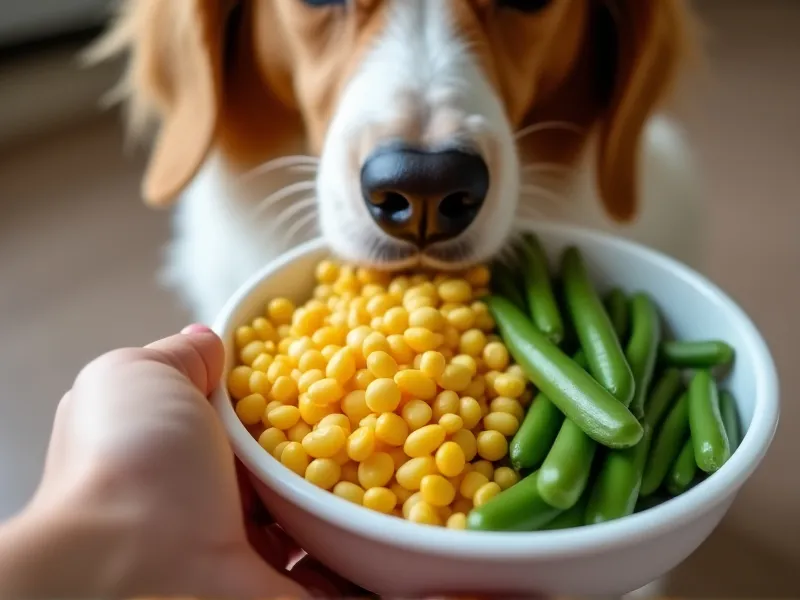
Table of Contents
- Can Dogs Eat Corn? Benefits, Risks, and What to Know
- Can Dogs Eat Green Beans? Nutritional Perks and Safety Tips
- How Much Corn and Green Beans Can Dogs Safely Eat?
- Healthier Alternatives to Mix Up Your Dog’s Veggie Routine
- FAQ: Your Top Corn & Green Bean Questions Answered
- Conclusion: Snack Smart, Keep Your Pup Happy
Can Dogs Eat Corn? Benefits, Risks, and What to Know
Corn is a staple in many human diets—and it’s even a common ingredient in commercial dog food. But is it safe as a treat? Let’s start with the good news.
The Benefits of Corn for Dogs
Corn is more than just a filler; it offers key nutrients that can support your dog’s health when fed in moderation:
- Fiber: Corn is rich in dietary fiber, which aids digestion by keeping things moving in your dog’s gut. This is especially helpful for dogs prone to constipation.
- Vitamins: It contains vitamin A (supports vision and immune health), B vitamins (like thiamine, which helps convert food into energy), and vitamin E (an antioxidant that protects cells from damage).
- Antioxidants: Compounds like lutein and zeaxanthin in corn support eye health, reducing the risk of age-related issues like macular degeneration.
- Energy: Corn is a source of carbohydrates, which provide quick energy—great for active dogs who need a boost.
The Risks of Feeding Corn to Dogs
While corn isn’t toxic to dogs, it’s not without risks. Here’s what to watch for:
- Choking Hazard: Whole corn kernels (especially raw) can get stuck in small dogs’ throats. Cooked corn is softer but still poses a risk if your dog gobbles it down.
- Corn Cobs = Major Danger: The biggest red flag? Corn cobs are never safe for dogs. They’re tough, indigestible, and can cause life-threatening intestinal blockages. Even small pieces can get stuck, leading to vomiting, lethargy, or the need for surgery. The ASPCA explicitly lists corn cobs as a hazard for dogs.
- Added Sugars/Salt: Canned or seasoned corn (think butter, salt, or sugar) is a no-go. Added salt can strain your dog’s kidneys, while sugar contributes to obesity and dental issues.
- Allergies: Rare, but some dogs may be allergic to corn. Signs include itchy skin, ear infections, or digestive upset. If you notice these, stop feeding corn and consult your vet.
Bottom Line on Corn: Plain, cooked corn (no cobs, no seasoning) is safe for most dogs in small amounts. Skip the cobs, avoid canned/sugary varieties, and always supervise your dog while they snack.
Can Dogs Eat Green Beans? Nutritional Perks and Safety Tips
Green beans are often hailed as a “super veggie” for humans—and they’re a hit with dogs, too! Let’s explore why they might be a better snack than corn (and when to proceed with caution).
The Benefits of Green Beans for Dogs
Green beans are low in calories and high in nutrients, making them a top pick for health-conscious pet parents:
- Low-Calorie & Filling: A cup of green beans has only ~31 calories, making them ideal for overweight dogs or those on a diet. They’re high in fiber, so they keep your dog full without adding extra pounds.
- Vitamins & Minerals: Packed with vitamin K (supports blood clotting and bone health), vitamin C (boosts immunity), and potassium (regulates heart rate and blood pressure).
- Dental Health: Crunchy green beans act like a natural toothbrush, scraping plaque off teeth as your dog chews.
- Hydration: Green beans are 90% water, helping keep your dog hydrated on hot days or if they’re picky about drinking water.
The Risks of Feeding Green Beans to Dogs
Green beans are generally safe, but overdoing it can cause issues:
- Stomach Upset: Too many green beans (especially raw) can lead to gas, bloating, or diarrhea, thanks to their high fiber content. Start with small portions to test your dog’s tolerance.
- Canned Green Beans: Watch for added salt! Many canned varieties are packed in saltwater, which can lead to sodium poisoning in dogs (symptoms: excessive thirst, urination, or seizures). Opt for “no salt added” canned green beans or, better yet, fresh or frozen.
- Pesticides: Always wash fresh green beans to remove pesticides, which can irritate your dog’s stomach. Organic is best if possible.
Bottom Line on Green Beans: Fresh, steamed, or frozen (thawed) green beans are a fantastic, low-risk snack for most dogs. Just skip the salt, avoid overfeeding, and chop them into bite-sized pieces for small breeds.
How Much Corn and Green Beans Can Dogs Safely Eat?
“Moderation” is the golden rule here. Treats (including veggies) should make up no more than 10% of your dog’s daily calories. For reference, a 30-pound dog eats about 700 calories a day, so their veggie treats should stay under 70 calories.
Serving Sizes (Cooked, Plain, No Seasoning)
| Dog Size | Corn (Cooked Kernels) | Green Beans (Fresh/Steamed) |
|---|---|---|
| Small (≤20 lbs) | 1–2 tbsp, 1–2x/week | 2–3 tbsp, 2–3x/week |
| Medium (20–50 lbs) | 2–3 tbsp, 1–2x/week | 1/4 cup, 2–3x/week |
| Large (≥50 lbs) | 3–4 tbsp, 1–2x/week | 1/3 cup, 2–3x/week |
Tips for Safe Feeding
- Cook Corn: Raw corn is hard to digest; steam or boil it first (no butter/salt).
- Chop Green Beans: For small dogs, slice into 1-inch pieces to avoid choking.
- Mix with Food: Stir a spoonful into your dog’s kibble for added flavor, or freeze green beans for a crunchy, cool treat in summer.
- Monitor for Reactions: After first feeding, watch for vomiting, diarrhea, or lethargy. If these occur, stop and contact your vet.
Healthier Alternatives to Mix Up Your Dog’s Veggie Routine
While corn and green beans are safe, variety is key to keeping your dog’s diet balanced. Here are some vet-approved alternatives:
- Carrots: Crunchy, low-calorie, and high in beta-carotene (supports skin and coat health). Great for teething puppies!
- Sweet Potatoes: Cooked, mashed sweet potatoes are rich in fiber and vitamin A. Avoid raw—they’re hard to digest.
- Broccoli: Small florets (steamed) offer vitamin C and fiber. Skip the stalks (tough) and limit to 10% of treats (too much can cause gas).
- Cucumber: Hydrating, low-calorie, and crunchy. No seeds or skin issues—just wash and slice!
- Zucchini: Shredded or sliced zucchini is a mild, fiber-rich snack for dogs with sensitive stomachs.
FAQ: Your Top Corn & Green Bean Questions Answered
Q: Can dogs eat canned corn?
A: Canned corn often has added salt or sugar, which is bad for dogs. If you must use canned, choose “no salt added” varieties and rinse thoroughly to remove excess sodium. Fresh or frozen corn is always better.
Q: Are green beans good for dogs trying to lose weight?
A: Yes! Green beans are low-calorie and high in fiber, making them a filling substitute for high-calorie treats. Many vets recommend them as part of a weight-loss plan.
Q: Can puppies eat corn and green beans?
A: Puppies can have small amounts of cooked corn (no cobs) and green beans, but wait until they’re at least 6 months old (when their digestive systems are more mature). Start with tiny portions (1–2 tsp for small breeds) to avoid upset tummies.
Q: My dog ate a corn cob—what should I do?
A: Act fast! Corn cobs can cause intestinal blockages, which are life-threatening. Contact your vet immediately, even if your dog seems fine—symptoms (vomiting, loss of appetite) may take hours to appear.
Q: Are frozen green beans safe for dogs?
A: Yes! Frozen green beans (thawed or even frozen as a “popsicle” treat) are safe, as long as they’re plain (no salt or seasonings). They’re a great summer cool-down snack.
Conclusion: Snack Smart, Keep Your Pup Happy
So, can dogs eat corn and green beans? Yes—in moderation! Plain, cooked corn (no cobs) and fresh/steamed green beans are safe, nutrient-dense treats that can add variety to your dog’s diet. Just remember: Always avoid corn cobs, skip added sugars/salt, and stick to small portions.
Every dog is unique, so if your pup has health issues (like diabetes, kidney disease, or allergies), check with your vet before introducing new snacks. When in doubt, err on the side of caution—and enjoy those tail wags when you share a safe, healthy bite!
References
- American Society for the Prevention of Cruelty to Animals (ASPCA). “People Foods to Avoid Feeding Your Pets.” aspca.org
- American Kennel Club (AKC). “Can Dogs Eat Green Beans?” akc.org
- PetMD. “Vegetables Dogs Can and Can’t Eat.” petmd.com
- Veterinary Centers of America (VCA). “Corn: Is It Good for Dogs?” vca.com