· 9 min read
Can Dogs Eat Cookie Dough? What Pet Parents Need to Know
It’s a crisp fall afternoon, and you’re in the kitchen, apron on, ready to bake a batch of your famous chocolate chip cookies. The mixer hums as you blend butter, sugar, and vanilla, and soon the counter is dusted with flour. As you scoop a spoonful of dough to taste (no judgment—we’ve all done it!), you feel a wet nose nudge your hand. Looking down, you meet your dog’s soulful eyes, tail wagging, as if begging, “Can I have a bite too?”
Cookie dough is a beloved human treat, but when it comes to our four-legged friends, the answer isn’t as simple as “yes” or “no.” As pet parents, we want to share life’s little joys with our pups, but it’s crucial to know what’s safe. So, can dogs eat cookie dough? Let’s dive in.
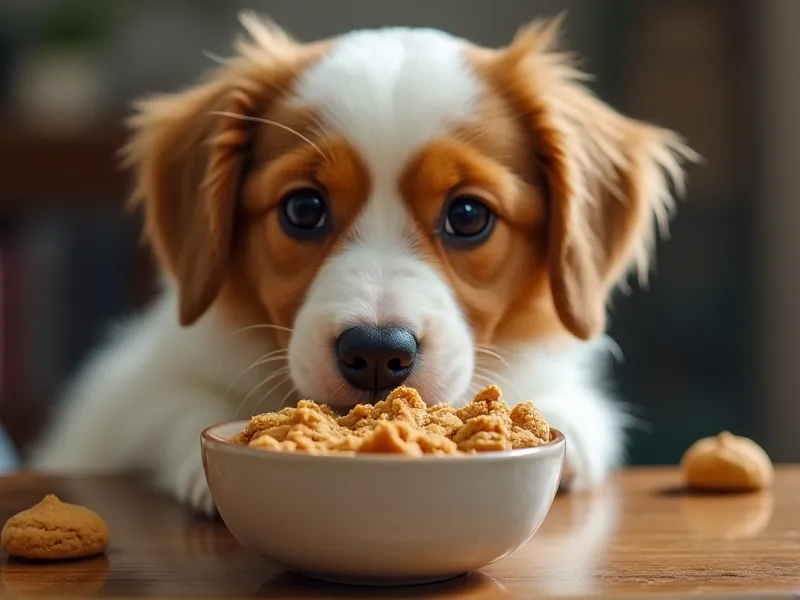
Table of Contents
- Can Dogs Eat Cookie Dough? The Short Answer
- What’s in Cookie Dough, Anyway?
- Potential “Benefits” of Cookie Dough for Dogs (Spoiler: They’re Minimal)
- The Risks of Feeding Cookie Dough to Dogs (Why It’s Not Worth It)
- My Dog Ate Cookie Dough! What Should I Do?
- How Much Cookie Dough Is “Safe” for Dogs? (Hint: None)
- Healthier Alternatives to Cookie Dough
- FAQ: Your Cookie Dough Questions Answered
- Conclusion: Keep Those Paws Away from the Dough
Can Dogs Eat Cookie Dough? The Short Answer
No, dogs should not eat cookie dough. While a tiny accidental lick might not immediately harm your pup, cookie dough is packed with ingredients that pose serious health risks, from bacterial infections to toxicity. The dangers far outweigh any minor “benefits,” making it a treat best kept off your dog’s menu.
What’s in Cookie Dough, Anyway?
To understand why cookie dough is risky, let’s break down its typical ingredients. Most recipes include:
- Flour (usually all-purpose, raw)
- Butter or oil (high in fat)
- Sugar (white, brown, or both)
- Eggs (raw, in most doughs)
- Chocolate chips (milk, dark, or semi-sweet)
- Vanilla extract (small amounts, generally safe)
- Add-ins (nuts, raisins, sprinkles, or candy)
While some of these sound harmless, the combination—especially when raw—creates a perfect storm for canine health issues.
Potential “Benefits” of Cookie Dough for Dogs (Spoiler: They’re Minimal)
At first glance, you might think, “Surely flour or eggs have some nutrients, right?” It’s true that a few ingredients in cookie dough contain trace amounts of vitamins or minerals, but these are negligible and completely overshadowed by the risks. Let’s take a quick look:
- Fiber from flour: All-purpose flour has a tiny amount of fiber, but raw flour (which is what’s in dough) is unsafe for dogs (more on that later).
- Protein from eggs: Eggs are a great source of protein for dogs—when cooked. Raw eggs carry pathogens that negate any nutritional upside.
- Potassium from butter: Butter has minimal potassium, but its high fat content makes it a danger, not a benefit.
In short: There’s no good reason to feed your dog cookie dough for “health benefits.”
The Risks of Feeding Cookie Dough to Dogs (Why It’s Not Worth It)
Now, let’s get to the critical part: the risks. Each ingredient in cookie dough can harm your dog in unique ways. Here’s what you need to know:
Raw Eggs: Salmonella and Biotin Deficiency
Raw eggs are a staple in most cookie dough recipes, and they’re a double threat. First, they may contain Salmonella, a bacteria that causes vomiting, diarrhea, fever, and lethargy in dogs (and humans!). While some dogs have strong immune systems, puppies, seniors, or dogs with chronic illnesses are especially vulnerable.
Second, raw egg whites contain avidin, a protein that binds to biotin (a B-vitamin essential for healthy skin, coat, and metabolism). Over time, eating raw eggs can lead to biotin deficiency, causing hair loss, dry skin, or even neurological issues.
Raw Flour: A Hidden Source of E. Coli
Most people don’t think twice about raw flour, but the FDA warns that uncooked flour can harbor E. coli (a bacteria linked to severe gastrointestinal illness). In 2016, a major outbreak of E. coli was traced to raw flour, sickening 63 people across 24 states (FDA, 2016). For dogs, E. coli can cause vomiting, diarrhea (sometimes bloody), and dehydration—all of which require veterinary care.
Sugar: Empty Calories and Chronic Health Risks
Dogs don’t need sugar in their diet, and cookie dough is loaded with it. Excess sugar leads to:
- Obesity: Extra calories from sugar can cause weight gain, which raises the risk of diabetes, joint pain, and heart disease.
- Dental disease: Sugar feeds harmful bacteria in your dog’s mouth, leading to plaque, tartar, and cavities.
- Energy spikes and crashes: Just like in humans, sugar can make dogs hyperactive, followed by lethargy.
Even “natural” sugars (like brown sugar) are problematic—they offer no nutritional value and can contribute to long-term health issues.
Butter & Fat: A Recipe for Pancreatitis
Butter (or oil) is what makes cookie dough rich and creamy, but it’s also high in saturated fat. Dogs’ bodies aren’t designed to process large amounts of fat, and a fatty treat like cookie dough can trigger pancreatitis—a painful, potentially life-threatening condition where the pancreas becomes inflamed.
Symptoms of pancreatitis include vomiting, diarrhea, loss of appetite, and abdominal pain. According to the American Veterinary Medical Association (AVMA), fatty foods are a top cause of pancreatitis in dogs (AVMA, 2023).
Chocolate Chips: Toxic to Dogs
Chocolate is extremely toxic to dogs, and chocolate chips are a common addition to cookie dough. Chocolate contains theobromine, a stimulant that dogs can’t metabolize effectively. The darker the chocolate (e.g., dark chocolate, cocoa powder), the higher the theobromine content—and the more dangerous it is.
Symptoms of chocolate toxicity include restlessness, increased thirst, rapid breathing, muscle tremors, seizures, and even death in severe cases. The ASPCA notes that even small amounts of dark chocolate can harm dogs (ASPCA, 2023).
Nuts: Macadamia, Walnuts, and More Hazards
If your cookie dough includes nuts (e.g., macadamia, walnuts, or pecans), that’s another red flag. Macadamia nuts are toxic to dogs, causing weakness, vomiting, hyperthermia, and tremors within 12 hours of ingestion (ASPCA, 2023).
Walnuts and pecans, while not toxic, often contain aflatoxin (a mold toxin) if stored improperly, which can lead to liver damage. Even “safe” nuts (like peanuts) are high in fat, adding to the pancreatitis risk.
Choking Hazards: Thick Dough Chunks
Finally, cookie dough is thick and sticky, making it a choking hazard, especially for small dogs. If a chunk of dough gets stuck in your dog’s throat, it can block their airway—a life-threatening emergency.
My Dog Ate Cookie Dough! What Should I Do?
If your dog snuck a bite (or more) of cookie dough, stay calm—but act quickly. Here’s what to do:
- Assess the situation: How much did they eat? Did the dough contain chocolate, nuts, or xylitol (a sugar substitute, often in “sugar-free” dough)? These ingredients make the situation more urgent.
- Contact your vet or the Pet Poison Helpline: Call your vet immediately, or reach out to the Pet Poison Helpline at (855) 764-7661 (fees apply). Provide details: your dog’s weight, the amount eaten, and ingredients (if known).
- Watch for symptoms: Keep an eye out for vomiting, diarrhea, lethargy, tremors, or difficulty breathing. If any of these occur, head to the vet right away.
Never induce vomiting unless directed by a vet—some ingredients (like chocolate) can cause more damage if regurgitated.
How Much Cookie Dough Is “Safe” for Dogs? (Hint: None)
There’s no “safe” amount of cookie dough to feed your dog intentionally. Even a small spoonful can contain raw eggs, bacteria, or chocolate, putting your pup at risk. Accidental licks might not cause harm, but it’s better to avoid the temptation altogether.
Healthier Alternatives to Cookie Dough
Instead of sharing your dough, treat your dog to these safe, delicious alternatives:
1. Baked “Dog Cookies” (Homemade!)
Whip up a batch of dog-friendly cookies using:
- Oats (fiber-rich and safe)
- Peanut butter (without xylitol—check the label!)
- Pumpkin puree (no added sugar)
- Mashed banana (natural sweetness)
- A cooked egg (for protein)
Bake at 350°F (175°C) for 15-20 minutes, let cool, and store in an airtight container.
2. Store-Bought Dog Treats
Opt for high-quality dog treats made with whole ingredients (e.g., blueberries, sweet potato, or chicken). Look for brands with no added sugars, artificial flavors, or preservatives.
3. Fresh Fruits & Veggies
Simple, healthy snacks like apple slices (no seeds), carrots, or blueberries make great low-calorie treats.
FAQ: Your Cookie Dough Questions Answered
Q: Can dogs eat baked cookies instead of raw dough?
A: Baked cookies are slightly safer (no raw eggs/flour), but they’re still high in sugar and fat. A tiny bite of a plain cookie (no chocolate/nuts) might be okay, but treats like this should be rare.
Q: Is sugar-free cookie dough safe for dogs?
A: No! Sugar-free dough often contains xylitol, an artificial sweetener that’s extremely toxic to dogs. Even small amounts can cause seizures, liver failure, or death (ASPCA, 2023).
Q: My dog only ate a little dough—should I still worry?
A: It depends on the ingredients. If the dough had chocolate, xylitol, or macadamia nuts, even a small amount is risky. When in doubt, call your vet.
Q: Can puppies eat cookie dough?
A: Puppies have weaker immune systems, so they’re more vulnerable to bacteria like Salmonella. Never feed puppies cookie dough.
Conclusion: Keep Those Paws Away from the Dough
At the end of the day, cookie dough is a human treat best enjoyed without sharing. While it’s hard to resist those puppy eyes, the risks—from Salmonella to pancreatitis—are too great. Instead, opt for dog-safe snacks that let you bond without worry.
Remember: When it comes to your pup’s health, it’s always better to be cautious. If your dog eats cookie dough (or any questionable food), don’t hesitate to reach out to your vet. Here’s to many happy, healthy snack times ahead—for both you and your furry friend!
References
- American Society for the Prevention of Cruelty to Animals (ASPCA). (2023). Chocolate Toxicity. https://www.aspca.org/pet-care/animal-poison-control/toxic-and-non-toxic-plants/chocolate
- ASPCA. (2023). Xylitol Toxicity. https://www.aspca.org/pet-care/animal-poison-control/toxic-and-non-toxic-plants/xylitol
- U.S. Food & Drug Administration (FDA). (2016). FDA Investigating Outbreak of E. coli Infections Linked to Raw Flour. https://www.fda.gov/food/outbreaks-foodborne-illness/fda-investigating-outbreak-e-coli-infections-linked-raw-flour
- American Veterinary Medical Association (AVMA). (2023). Pancreatitis in Dogs. https://www.avma.org/resources/pet-owners/petcare/pancreatitis-dogs
- Pet Poison Helpline. (2023). Macadamia Nut Toxicity. https://www.petpoisonhelpline.com/poison/macadamia-nut/