· 7 min read
Can Dogs Eat Cookie Butter? The Sweet Truth Every Pet Parent Should Know
It’s a cozy Saturday afternoon, and you’re curled up with a warm mug of tea and a slice of toast—slathered, of course, in that creamy, nostalgic spread we all know and love: cookie butter. As you take a bite, your dog trots over, tail thumping, nose twitching, and locks eyes with you. “Can I share?” their puppy gaze seems to ask.
If you’ve ever found yourself in this scenario, you’re not alone. Pet parents often wonder if their favorite human snacks are safe to pass along to their furry friends. Cookie butter, with its sweet, crumbly-cookie flavor, is no exception. But before you cave to those puppy eyes, let’s dive into the big question: Can dogs eat cookie butter?
In this post, we’ll break down the potential benefits (yes, there are a few), the risks (spoiler: there are more of these), and whether it’s ever a good idea to let your dog indulge. We’ll also share healthier alternatives and answer common questions to help you make the best choice for your pup.
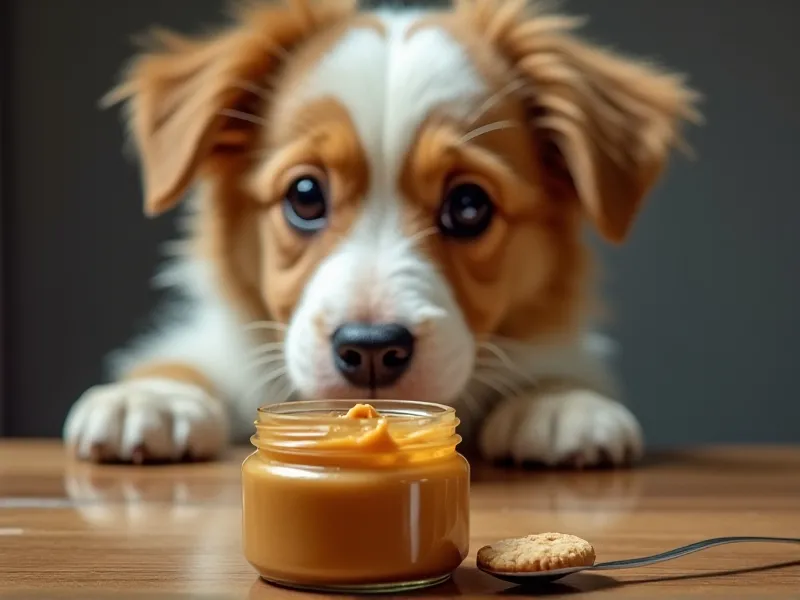
Table of Contents
- Can Dogs Eat Cookie Butter? The Short Answer
- Potential “Benefits” of Cookie Butter (Spoiler: They’re Minimal)
- Risks of Feeding Cookie Butter to Dogs
- How Much (If Any) Is Safe?
- Healthier Alternatives to Cookie Butter
- FAQ: Your Cookie Butter Questions Answered
- Conclusion: Prioritize Your Pup’s Health
- References
Can Dogs Eat Cookie Butter? The Short Answer
Let’s cut to the chase: Cookie butter is not recommended for dogs. While a tiny, accidental lick is unlikely to cause immediate harm (assuming the cookie butter doesn’t contain toxic ingredients like xylitol), it’s far from a healthy treat. Most cookie butters are loaded with sugar, additives, and empty calories, which can lead to long-term health issues. For dogs, the risks of cookie butter almost always outweigh any potential benefits.
Potential “Benefits” of Cookie Butter (Spoiler: They’re Minimal)
Before we dive into the risks, let’s acknowledge the elephant in the room: Are there any redeeming qualities to cookie butter for dogs? In theory, some types of cookie butter might offer trace amounts of nutrients, but these are negligible compared to the downsides. Here’s what to know:
Fiber (From Nuts or Grains)
Some premium cookie butters are made with ground nuts (like almonds or peanuts) or whole-grain cookies, which may contain small amounts of fiber. Fiber is important for digestive health, but dogs get far more fiber from dog-safe foods like pumpkin puree or sweet potatoes—without the added sugar.
Potassium (A Minor Plus)
Nuts and grains in cookie butter can also contain potassium, an electrolyte that supports heart and muscle function. Again, this is a tiny bonus: Bananas, spinach, or even plain yogurt (safe for dogs!) are better sources of potassium and come without the sugar crash.
The bottom line: Any “benefits” of cookie butter are overshadowed by its high sugar content and lack of nutritional value for dogs. It’s not a smart way to boost their diet.
Risks of Feeding Cookie Butter to Dogs
Now, let’s get to the important part: the risks. Cookie butter is designed for human taste buds, not canine health, and it comes with several red flags:
1. Sugar Overload: A Recipe for Obesity and Diabetes
Most cookie butters are packed with added sugar—sometimes as much as 6-8 grams per tablespoon! Dogs don’t need sugar in their diet, and excess sugar can lead to:
- Obesity: Extra calories from sugar quickly add up, increasing the risk of joint pain, heart disease, and other obesity-related issues.
- Diabetes: Chronic high sugar intake can impair insulin function, leading to canine diabetes.
- Dental Problems: Sugar feeds harmful bacteria in your dog’s mouth, causing plaque, tartar, and tooth decay.
Even “low-sugar” cookie butters often contain natural sugars (like from honey or maple syrup) that still spike blood sugar levels.
2. Stomach Upset and Digestive Issues
Dogs’ digestive systems aren’t built to process large amounts of sugar. Feeding cookie butter can lead to:
- Diarrhea or vomiting (from sugar imbalances in the gut).
- Gas or bloating (especially if the cookie butter contains additives like emulsifiers or preservatives).
- Pancreatitis (in rare cases, though more linked to high-fat foods—still, sugar can contribute to inflammation).
Puppies, senior dogs, or dogs with sensitive stomachs are especially prone to these issues.
3. Choking Hazards (From Chunks or Additives)
Many cookie butters have bits of crunchy cookie or nuts, which can pose a choking risk—especially for small breeds like Chihuahuas or Yorkies. Even smooth cookie butter can stick to the roof of their mouth, causing discomfort.
4. Xylitol: A Hidden Toxin (Rare but Deadly)
Xylitol is a sugar substitute found in some “sugar-free” human foods, including certain spreads. It’s extremely toxic to dogs, even in small amounts. Xylitol causes a rapid release of insulin, leading to life-threatening low blood sugar (hypoglycemia), seizures, or liver failure.
Always check the label! Most cookie butters use regular sugar, but some “diet” or “sugar-free” versions may include xylitol. If you see xylitol on the ingredients list, keep it far away from your dog.
How Much (If Any) Is Safe?
If your dog snags a tiny lick of cookie butter off the counter, don’t panic—they’ll likely be fine. But should you intentionally feed it to them? No.
If you’re tempted to share (we get it—those puppy eyes!), stick to an extremely small amount:
- For small dogs (under 20 lbs): A pea-sized dab (think: the tip of a teaspoon).
- For medium/large dogs (20+ lbs): A pinky-nail-sized amount.
Even then, this should be a once-in-a-blue-moon “accident,” not a regular treat. And never, ever feed cookie butter to dogs with diabetes, obesity, or digestive issues.
Healthier Alternatives to Cookie Butter
Instead of cookie butter, treat your dog to these safe, nutritious options that satisfy their sweet tooth (without the sugar crash):
1. Unsalted Peanut Butter (No Xylitol!)
Peanut butter is a dog favorite for a reason: It’s high in protein and healthy fats. Just choose unsalted, unsweetened peanut butter with no xylitol (check the label!). Spread a thin layer on a Kong or apple slice for a tasty snack.
2. Mashed Banana
Bananas are naturally sweet, packed with potassium, and easy to digest. Mash a small slice and mix it into their kibble, or freeze banana chunks for a cool summer treat.
3. Pumpkin Puree (Plain, No Sugar)
Plain pumpkin puree (not pie filling!) is rich in fiber and beta-carotene. It’s great for upset tummies or as a low-calorie topping. Serve 1-2 tablespoons (depending on size) mixed with their food.
4. Apple Slices (No Seeds!)
Apples are crunchy, sweet, and full of fiber and vitamin C. Remove the seeds (they contain small amounts of cyanide) and core, then slice into bite-sized pieces.
5. Plain Greek Yogurt
Plain, unsweetened Greek yogurt is a probiotic powerhouse that supports gut health. Spoon a little into their bowl or freeze it in ice cube trays for a creamy snack.
FAQ: Your Cookie Butter Questions Answered
Q: Is cookie butter the same as nut butter?
A: No! Nut butters (like peanut or almond butter) are made from ground nuts, while cookie butter is made from crushed cookies, oil, and sugar. Cookie butter is sweeter, higher in carbs, and less nutritious than most nut butters.
Q: What if my dog ate a lot of cookie butter?
A: If your dog raided the jar (oops!), monitor them for symptoms like vomiting, diarrhea, lethargy, or increased thirst/urination. If they show any signs, contact your vet immediately—especially if the cookie butter contained xylitol.
Q: Can puppies eat cookie butter?
A: Puppies have sensitive digestive systems and are still growing, so avoid cookie butter entirely. Stick to puppy-safe treats like freeze-dried chicken or plain yogurt.
Q: Does all cookie butter contain xylitol?
A: No, most mainstream brands use sugar, but it’s always worth checking the label. Look for “xylitol” in the ingredients—if you see it, keep the jar away from your dog.
Conclusion: Prioritize Your Pup’s Health
Cookie butter might taste like a hug in a jar for humans, but for dogs, it’s a sugary, unnecessary risk. While a tiny lick won’t hurt, it’s best to skip sharing this treat and opt for healthier alternatives instead.
Remember: Your dog’s diet should be focused on nutrient-dense, dog-safe foods. When in doubt, consult your vet—they can help you choose treats that support their unique health needs.
Here’s to happy, healthy pups (and plenty of tail wags!)—with or without the cookie butter.
References
- American Society for the Prevention of Cruelty to Animals (ASPCA). (2023). Toxic and Non-Toxic Plants: Xylitol.
- American Kennel Club (AKC). (2023). Human Foods Dogs Can and Can’t Eat.
- PetMD. (2023). Sugar and Dogs: Risks of Feeding Your Dog Sugar.
- VCA Animal Hospitals. (2023). Pancreatitis in Dogs.