· 8 min read
Can Dogs Eat Cooked Turkey Bones? The Surprising Truth Every Pet Parent Needs to Know
It’s the most wonderful time of the year: the kitchen smells like roasted turkey, the table is set, and your dog is parked at your feet, tail thumping a mile a minute. As you scrape leftover bones into a bowl, those puppy eyes lock onto yours. “Just a tiny one won’t hurt, right?” you think. After all, turkey is a staple in many dog foods, and bones seem like a natural treat—dogs love to chew, and bones are supposed to be good for their teeth, right?
But before you toss Fido a cooked turkey bone, let’s get real: when it comes to our furry friends, not all “natural” treats are created equal. In fact, cooked turkey bones might be more dangerous than you think. Today, we’re breaking down the facts: the risks, the myths, and what you should feed your pup instead. Let’s dive in.
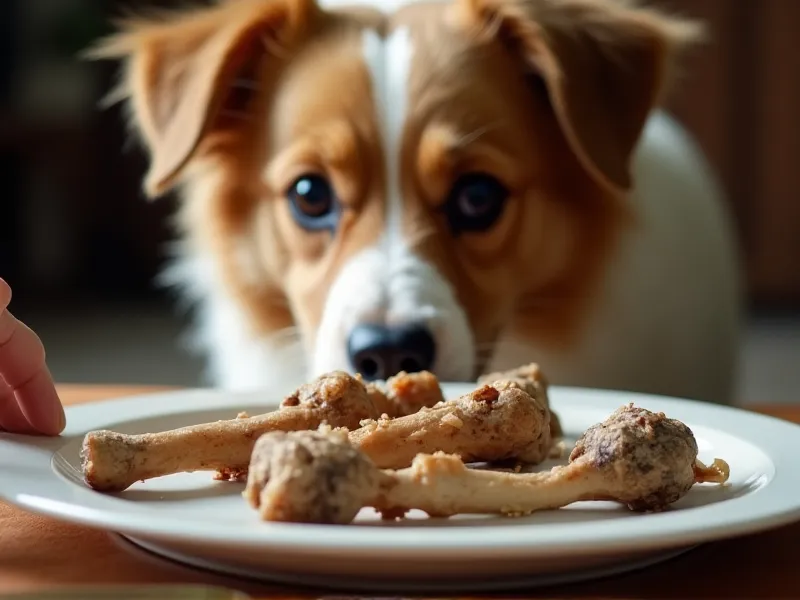
Table of Contents
- Can Dogs Eat Cooked Turkey Bones? The Short Answer
- The Risks of Cooked Turkey Bones: Why They’re a Hidden Danger
- What About “Benefits”? Separating Turkey Meat from Bone
- Guidelines: If Cooked Bones Are Out, What’s Safe?
- Healthier Alternatives to Cooked Turkey Bones
- FAQ: Your Turkey Bone Questions Answered
- Conclusion: Keep Your Pup Safe This Holiday Season
- References
Can Dogs Eat Cooked Turkey Bones? The Short Answer
No. Dogs should never eat cooked turkey bones. While turkey meat is a healthy, lean protein source for dogs (and often found in high-quality dog foods), the bones—especially when cooked—pose serious health risks. Cooking changes the structure of bones, making them brittle and prone to splintering, which can lead to choking, internal injuries, or blockages.
The Risks of Cooked Turkey Bones: Why They’re a Hidden Danger
To understand why cooked turkey bones are unsafe, let’s break down the science (and the horror stories vets hear all too often).
Splintering: A Recipe for Internal Injury
Raw bones are flexible and soft, which is why some vets recommend them in moderation (more on that later). But when bones are cooked—whether roasted, boiled, or fried—heat removes their moisture and collagen, turning them hard and brittle. Imagine snapping a dry twig versus a fresh one: the dry twig shatters into sharp, jagged pieces.
These splinters are dangerous because they can:
- Tear the lining of your dog’s mouth, throat, or esophagus as they chew or swallow.
- Puncture the stomach or intestines, leading to life-threatening infections like peritonitis.
- Get stuck in the digestive tract, causing pain, vomiting, or bleeding.
Dr. Jennifer Coates, a veterinary writer for PetMD, warns, “Cooked bones of any kind can splinter into sharp fragments that can puncture the intestines or get caught in your dog’s throat.”[1]
Choking Hazard: Small Bones, Big Trouble
Turkey bones—especially small ones like those from wings or drumsticks—are the perfect size to get lodged in a dog’s throat. Even if your dog is a “gentle chewer,” a sudden gulp or excited chomp can send a bone fragment flying into their airway. Signs of choking include:
- Pawing at the mouth
- Gagging or retching
- Difficulty breathing
- Blue-tinged gums (a sign of oxygen deprivation)
If left untreated, choking can be fatal within minutes.
Intestinal Blockages: When Bones Get Stuck
Even if a bone fragment makes it past the throat, it might not make it through the rest of the digestive tract. The intestines are narrow and muscular, and sharp bone pieces can get wedged, causing a blockage. Symptoms of an intestinal blockage include:
- Vomiting (especially after eating)
- Diarrhea (sometimes with blood)
- Lethargy or loss of appetite
- Abdominal pain (your dog may whine when touched)
Blockages often require surgery to remove, and delays can lead to tissue death or sepsis.[2]
What About “Benefits”? Separating Turkey Meat from Bone
You might be thinking, “But bones have nutrients, right? Calcium? Fiber?” Let’s clear the air: the meat on turkey bones is nutritious—but the bones themselves (cooked or not) aren’t worth the risk.
The Nutritional Perks of Turkey Meat (Yes, It’s Good!)
Turkey meat is a fantastic treat for dogs when served plain and boneless. It’s packed with:
- Protein: Supports muscle growth and repair.
- Vitamins B6 and B12: Boost energy and brain health.
- Selenium: An antioxidant that supports the immune system.
- Potassium: Regulates heart function and blood pressure.
In fact, many dog food brands use turkey as a primary protein source because it’s low in fat and easy to digest (great for dogs with sensitive stomachs).
Why Bones Don’t Offer the Same Upsides
Cooked bones don’t provide meaningful nutrients for dogs. While raw bones can offer calcium and phosphorus (in moderation), cooked bones lose these benefits and become a hazard. Plus, dogs don’t need bones to “clean their teeth”—there are safer ways to promote dental health (like dental chews or regular brushing).
Guidelines: If Cooked Bones Are Out, What’s Safe?
Now that we’ve established cooked bones are off-limits, let’s talk about how to safely share turkey with your pup (and what to do if disaster strikes).
How Much Turkey Meat Can Dogs Eat?
Turkey meat (boneless, skinless, and unseasoned) is a great occasional treat. Aim for:
- Small dogs (under 20 lbs): 1–2 ounces per serving.
- Medium dogs (20–50 lbs): 2–4 ounces per serving.
- Large dogs (50+ lbs): 4–6 ounces per serving.
Key rules:
- No skin or fat: Turkey skin is high in fat, which can cause pancreatitis (a painful inflammation of the pancreas).
- No seasoning: Garlic, onions, salt, or herbs like sage are toxic to dogs.[3]
- Moderation: Treats should make up no more than 10% of your dog’s daily calories to avoid weight gain.
Oops! My Dog Ate a Cooked Turkey Bone—Now What?
Don’t panic, but don’t ignore it either. Even if your dog seems fine, splinters could be causing internal damage. Here’s what to do:
- Check for immediate signs: Gagging, drooling, difficulty breathing, or pawing at the mouth (choking). If choking, perform the Heimlich maneuver for dogs (ask your vet to show you how beforehand).
- Monitor for 24–48 hours: Watch for vomiting, diarrhea, lethargy, loss of appetite, or blood in stool/urine (signs of blockage or injury).
- Call your vet: Even if your dog seems okay, let your vet know. They may recommend X-rays or monitoring to catch issues early.
Healthier Alternatives to Cooked Turkey Bones
If your dog loves to chew (and what dog doesn’t?), here are safer options to satisfy that urge.
Raw Turkey Bones: Proceed with Caution
Some vets recommend raw, meaty bones (like turkey necks or wings) as a chew for dogs, as they’re soft and less likely to splinter. However, raw bones come with their own risks:
- Bacterial contamination: Raw poultry can carry Salmonella or E. coli, which can sicken both dogs and humans.
- Too much calcium: Overfeeding raw bones can lead to an imbalance in calcium/phosphorus levels, especially in small dogs or those with kidney issues.
If you try raw bones:
- Choose bones appropriate for your dog’s size (e.g., turkey necks for small dogs, wings for medium/large).
- Supervise your dog while chewing to prevent choking.
- Source bones from a reputable, human-grade supplier.
- Consult your vet first—especially if your dog has a history of digestive issues.[4]
Boneless Turkey Treats
The safest bet? Plain, cooked, boneless turkey meat. You can:
- Dice it up as a training reward.
- Freeze small pieces for a cool summer treat.
- Mix a spoonful into their regular kibble for a special meal.
Other Dog-Loved Chews
If your pup craves something to gnaw on, try these vet-approved alternatives:
- Rubber chew toys: Kongs or Nylabones (choose the right size for your dog).
- Dental chews: Products like Greenies or C.E.T. chews, which reduce plaque and tartar.
- Bully sticks: High-protein, long-lasting, and digestible (opt for odor-free versions if you’re sensitive!).
FAQ: Your Turkey Bone Questions Answered
Q: My dog ate a cooked turkey bone and seems fine. Should I still worry?
A: Yes. Internal injuries (like a torn intestine) may not show symptoms for hours or days. Call your vet—they may want to monitor your dog or run tests.
Q: Are smoked or dehydrated turkey bones safe?
A: No. Smoked or dehydrated bones are still “cooked” and brittle. They pose the same splintering risk as roasted bones.
Q: Can puppies eat cooked turkey bones?
A: Puppies are even more at risk, as their throats and intestines are smaller and more delicate. Never give cooked bones to puppies.
Q: Is turkey broth with bones safe for dogs?
A: If the broth is strained (so no bone fragments remain), it’s safe in moderation. Avoid broths with onions, garlic, or salt.
Conclusion: Keep Your Pup Safe This Holiday Season
As pet parents, we want to share the joy of special occasions with our furry friends—and that’s totally okay! Just skip the cooked turkey bones. Instead, opt for boneless turkey meat as a treat, and keep plenty of safe chews on hand to satisfy their urge to gnaw.
Remember: When in doubt, always consult your vet. They know your dog’s unique health needs and can help you make the best choices. Here’s to a happy, healthy holiday season for you and your pup!
References
- Coates, J. (2021). “Can Dogs Eat Turkey Bones?” PetMD. Link
- American Veterinary Medical Association (AVMA). “Holiday Hazards for Pets: Bones.” Link
- ASPCA. “Toxic and Non-Toxic Plant List—Dogs.” (Note: Onions/garlic are toxic; applies to turkey seasoning). Link
- Whole Dog Journal. “Raw Meaty Bones: Benefits and Risks.” Link