· 8 min read
Can Dogs Eat Cooked Tuna? A Pet Parent’s Guide to Safe Snacking
You’re sitting down to a delicious meal of lemon-herb grilled tuna, and out of the corner of your eye, you notice your dog. Tail wagging, head tilted, those big puppy eyes locked onto your plate. “Just a tiny bite?” you think. “Surely a little tuna won’t hurt, right?” If you’ve ever found yourself in this scenario, you’re not alone. Tuna is a popular, protein-packed food for humans—but is it safe for our four-legged friends?
In this blog, we’ll dive into everything you need to know about feeding cooked tuna to dogs: the benefits, the risks, how much is safe, and even healthier alternatives. Let’s get started!
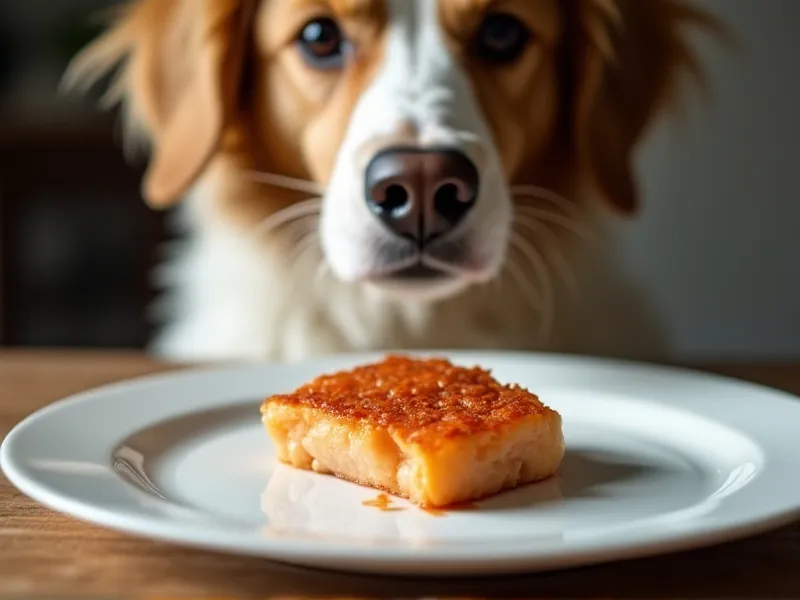
Table of Contents
- Can Dogs Eat Cooked Tuna? The Short Answer
- The Benefits of Cooked Tuna for Dogs
- The Risks of Feeding Cooked Tuna to Dogs
- How Much Cooked Tuna Can Dogs Safely Eat?
- Healthier Alternatives to Tuna for Dogs
- FAQ: Common Questions About Tuna and Dogs
- Conclusion: Enjoy Tuna Responsibly
- References
Can Dogs Eat Cooked Tuna? The Short Answer
Yes, dogs can eat small amounts of plain, cooked tuna as an occasional treat—but it’s not a staple food.
Tuna is rich in protein and nutrients that can benefit dogs, but it also comes with risks like mercury exposure, high sodium, and potential additives. The key is moderation and preparation. Avoid seasoned, canned (in oil/brine), or raw tuna, and never make it a regular part of their diet. Let’s break down the details.
The Benefits of Cooked Tuna for Dogs
When prepared properly (plain, cooked, no bones or seasonings), tuna can offer some nutritional perks for your pup. Here’s why it might make a tasty, occasional treat:
1. High-Quality Protein
Tuna is packed with lean protein, which is essential for dogs’ muscle growth, repair, and overall energy. Protein also supports healthy skin, coat, and immune function. For active dogs or those recovering from illness, a small tuna treat can help boost their protein intake (though it shouldn’t replace their balanced kibble).
2. Omega-3 Fatty Acids
Tuna contains omega-3 fatty acids (EPA and DHA), which are famous for their anti-inflammatory properties. These healthy fats can:
- Improve skin and coat health (reducing dryness and itchiness).
- Support joint health, especially in senior dogs or those with arthritis.
- Boost brain function and cognitive health (important for puppies and aging dogs).
3. Essential Vitamins and Minerals
Tuna is a good source of:
- Vitamin D: Critical for calcium absorption and bone health. Many dogs (especially indoor pups) are deficient in vitamin D, so a tiny tuna treat can help fill that gap.
- Vitamin B12: Supports nerve function and red blood cell production, keeping your dog’s energy levels steady.
- Selenium: An antioxidant that protects cells from damage and supports thyroid health.
4. Low in Fat (When Prepared Right)
Plain, cooked tuna (without added oil) is low in saturated fat, making it a lighter treat option compared to fatty meats like bacon or sausage. This is great for dogs watching their weight or with pancreatitis (though always check with your vet first).
The Risks of Feeding Cooked Tuna to Dogs
While tuna has benefits, it’s not without risks—especially if fed incorrectly or too often. Here’s what to watch out for:
1. Mercury Poisoning
The biggest concern with tuna is mercury. Tuna (especially larger species like albacore, bigeye, or yellowfin) is a predatory fish, meaning it accumulates mercury over time. Mercury is toxic to dogs (and humans!) in high doses, causing:
- Neurological issues (tremors, loss of coordination).
- Kidney damage.
- Digestive problems (vomiting, diarrhea).
Smaller tuna species like skipjack (often used in “light” canned tuna) have lower mercury levels, but no tuna is mercury-free. Feeding tuna regularly (even skipjack) can lead to mercury buildup over time.
2. High Sodium Content
Most canned tuna (the kind we humans eat) is packed in oil or brine (saltwater) to preserve it. Brine- or oil-packed tuna is loaded with sodium, which is dangerous for dogs. Too much salt can cause:
- Dehydration.
- Increased thirst and urination.
- Sodium ion poisoning (symptoms: vomiting, diarrhea, seizures, even death in severe cases).
Even “low-sodium” canned tuna can have more salt than dogs need. Always opt for water-packed tuna and rinse it thoroughly to reduce sodium before feeding.
3. Bones and Choking Hazards
Cooked tuna bones are brittle and can splinter, posing a choking risk or damaging your dog’s throat, stomach, or intestines. Always remove all bones before feeding tuna to your pup.
4. Added Seasonings or Ingredients
Never feed your dog tuna that’s seasoned with garlic, onions, salt, pepper, lemon, or other spices. Onions and garlic (even in small amounts) are toxic to dogs, causing anemia by destroying red blood cells. Mayo, sauces, or herbs (like chives) are also off-limits—they can upset your dog’s stomach or contain harmful ingredients.
5. Allergic Reactions
While rare, some dogs may be allergic to fish (including tuna). Signs of an allergy include itchy skin, hives, ear infections, or digestive upset (vomiting/diarrhea). If your dog has never had fish before, start with a tiny bite and monitor for 24 hours.
How Much Cooked Tuna Can Dogs Safely Eat?
The golden rule: Tuna should be an occasional treat, not a meal. Here’s a general guideline for portion sizes based on your dog’s weight:
| Dog Size | Recommended Tuna Portion (Cooked, Plain) | Frequency |
|---|---|---|
| Small (5–20 lbs) | 1–2 tablespoons | Once every 1–2 weeks |
| Medium (20–50 lbs) | 2–4 tablespoons | Once every 1–2 weeks |
| Large (50+ lbs) | 1/4–1/2 cup | Once every 1–2 weeks |
Key Tips for Safe Feeding:
- Stick to plain, cooked tuna: No oil, salt, seasonings, or bones. Bake, grill, or boil it—avoid frying.
- Choose low-mercury tuna: Opt for skipjack (“light” tuna) over albacore (“white” tuna), which has higher mercury levels.
- Rinse canned tuna: If using canned, pick water-packed (not oil or brine) and rinse it under cold water to remove excess sodium.
- Don’t replace meals: Tuna lacks the balanced nutrients (like fiber, calcium, and vitamins) that dogs need from their regular food. Use it as a topper or training treat, not a substitute.
Healthier Alternatives to Tuna for Dogs
If you’re worried about mercury or want to mix up your dog’s treats, these fish and proteins are safer, more nutrient-dense options:
1. Salmon
Salmon is lower in mercury than tuna and packed with omega-3s. It’s also a great source of protein and vitamin D. Feed it cooked (no bones, no seasonings) as an occasional treat. Bonus: Canned wild salmon (in water, rinsed) is affordable and convenient!
2. Sardines
Sardines are tiny, low in mercury, and loaded with nutrients. They even contain soft, edible bones (when canned), which are a great source of calcium for your dog’s teeth and bones. Look for plain, water-packed sardines (no salt or oil).
3. Herring or Mackerel
These small, oily fish are rich in omega-3s and low in mercury. Like sardines, they’re a sustainable choice and easy to find canned (in water). Just avoid smoked or seasoned varieties.
4. Cooked Chicken or Turkey
Lean, unseasoned chicken or turkey is a classic, safe treat for dogs. They’re high in protein, low in fat, and easy to digest. Plus, they’re less likely to cause allergies than fish.
5. Pumpkin or Sweet Potato
For non-fish treats, cooked pumpkin (plain, no sugar) or sweet potato is packed with fiber and vitamins. It’s great for digestion and a low-calorie option for dogs on a diet.
FAQ: Common Questions About Tuna and Dogs
Q: Can dogs eat canned tuna?
A: Yes, but only water-packed, plain canned tuna (no oil, brine, or salt). Rinse it first to reduce sodium, and feed it in small amounts (as per the portion guide above). Avoid “flavored” canned tuna (e.g., lemon, garlic) at all costs.
Q: Is tuna salad safe for dogs?
A: No. Tuna salad usually contains mayo (high in fat), onions, celery, or pickles—all of which are bad for dogs. Onions and garlic are toxic, while mayo can cause pancreatitis in sensitive pups.
Q: Can puppies eat tuna?
A: Puppies can have a tiny bite of plain, cooked tuna as an occasional treat, but it’s not necessary. Puppies need a strictly balanced diet (formulated for growth), so stick to their puppy food unless your vet approves tuna.
Q: What if my dog ate too much tuna?
A: If your dog snuck a whole can of tuna (or more), monitor for symptoms like vomiting, diarrhea, excessive thirst, or lethargy. These could signal sodium overload or mercury toxicity. Contact your vet immediately if symptoms appear.
Q: Can dogs eat raw tuna?
A: No. Raw tuna may contain parasites (like anisakis) or bacteria (like salmonella), which can make your dog sick. Always cook tuna thoroughly before feeding.
Conclusion: Enjoy Tuna Responsibly
So, can dogs eat cooked tuna? Yes, in small, occasional amounts, properly prepared. It’s a tasty treat that offers protein, omega-3s, and vitamins—but it’s not a substitute for a balanced diet.
To keep your pup safe:
- Stick to plain, cooked tuna (no bones, salt, or seasonings).
- Choose low-mercury varieties (skipjack over albacore).
- Limit portions to once every 1–2 weeks.
- Always consult your vet before introducing new foods, especially if your dog has health issues (e.g., kidney disease, allergies).
At the end of the day, your dog’s health depends on balance. A tiny tuna treat now and then is fine—but those puppy eyes might be better served with a safer, more sustainable option like salmon or sardines. Your pup will love you either way!
References
- American Kennel Club (AKC). “Can Dogs Eat Tuna?” akc.org
- PetMD. “Tuna for Dogs: Benefits and Risks.” petmd.com
- U.S. Food and Drug Administration (FDA). “Mercury Levels in Commercial Fish and Shellfish.” fda.gov
- ASPCA. “Toxic and Non-Toxic Plants and Foods.” aspca.org
- World Small Animal Veterinary Association (WSAVA). “Nutrition Guidelines for Dogs.” wsava.org