· 8 min read
Can Dogs Eat Cooked Tomatoes? What Pet Parents Need to Know
It’s a cozy weeknight, and you’re stirring a pot of tomato soup or roasting a tray of ripe tomatoes for a salad. Your dog, ever the opportunist, trots over, nose twitching, and gives you that “please share” look. You pause—can dogs eat cooked tomatoes? Is that warm, juicy morsel safe to drop into their waiting mouth?
If you’ve ever wondered whether cooked tomatoes are a dog-friendly snack, you’re not alone. With so much conflicting info online, it’s hard to know what’s safe and what’s not. Let’s cut through the confusion: we’ll explore the benefits, risks, portion guidelines, and even healthier alternatives to help you make the best choice for your furry friend.
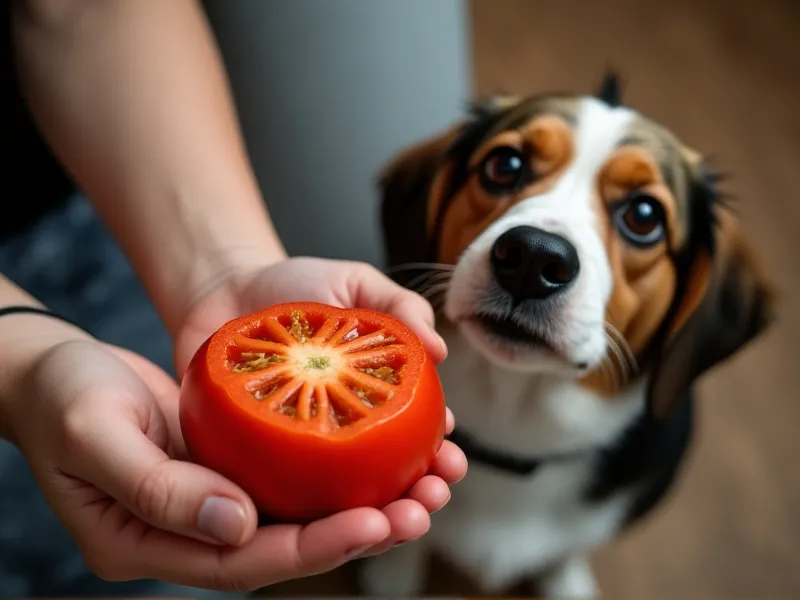
Table of Contents
- Can Dogs Eat Cooked Tomatoes? The Short Answer
- Nutritional Benefits of Cooked Tomatoes for Dogs
- Potential Risks to Watch Out For
- How Much Cooked Tomato Is Safe for Dogs?
- Healthier Alternatives to Cooked Tomatoes
- FAQ: Your Burning Questions Answered
- Conclusion: Moderation is Key
Can Dogs Eat Cooked Tomatoes? The Short Answer
Yes, dogs can eat ripe, cooked tomatoes in small, occasional amounts. Ripe tomatoes (the red, orange, or yellow ones) are non-toxic and even offer some nutritional benefits. However, there are caveats: green tomatoes, tomato leaves, stems, and unripe fruit contain solanine, a toxic alkaloid that can harm dogs. Cooked tomatoes (like roasted, steamed, or boiled) are safer than raw for most dogs, as cooking breaks down tough fibers and makes nutrients easier to digest.
But—and this is important—cooked tomatoes should never replace your dog’s balanced, species-appropriate diet. Think of them as an occasional “treat,” not a meal. Let’s dive into the details.
Nutritional Benefits of Cooked Tomatoes for Dogs
Ripe, cooked tomatoes are more than just a tasty topping—they’re packed with nutrients that can support your dog’s health, in moderation. Here’s what makes them a (sometimes) good choice:
1. Vitamin A: For Eye Health & Immunity
Tomatoes are rich in beta-carotene, an antioxidant that converts to vitamin A in the body. Vitamin A is crucial for dogs: it supports healthy vision (especially night vision), keeps skin and coat shiny, and boosts the immune system to fight off infections. According to the American Kennel Club (AKC), vitamin A is an essential nutrient for dogs, and tomatoes can contribute a small amount to their daily needs.
2. Vitamin C: Antioxidant Powerhouse
Cooked tomatoes retain vitamin C, a water-soluble vitamin that acts as an antioxidant. Antioxidants help neutralize harmful free radicals in your dog’s body, reducing inflammation and lowering the risk of chronic diseases (like heart disease or arthritis). Vitamin C also supports collagen production, which is vital for healthy joints, skin, and blood vessels.
3. Fiber: A Happy Gut Helper
Tomatoes contain both soluble and insoluble fiber. Soluble fiber (found in the pulp) feeds beneficial gut bacteria, supporting digestion and nutrient absorption. Insoluble fiber (in the skin and seeds) adds bulk to stool, helping prevent constipation. For dogs prone to digestive upsets, a tiny amount of cooked tomato fiber might even soothe an upset stomach—though too much can have the opposite effect (more on that later).
4. Potassium: For Heart & Muscle Health
Potassium is an electrolyte that helps regulate your dog’s heart rate, muscle function, and blood pressure. It works with sodium to balance fluids in the body, keeping cells hydrated and muscles (including the heart) working properly. While dogs get most of their potassium from commercial dog food, a small serving of cooked tomato can add a little extra to their diet.
Source: ASPCA’s List of Non-Toxic Foods | AKC: Human Foods Dogs Can Eat
Potential Risks to Watch Out For
While cooked tomatoes have benefits, they’re not without risks—especially if fed incorrectly. Here’s what to avoid:
1. Solanine: The Green Tomato Danger
Solanine is a toxic compound found in the nightshade family (which includes tomatoes, potatoes, and eggplants). It’s most concentrated in unripe (green) tomatoes, leaves, stems, and vines. In large amounts, solanine can cause vomiting, diarrhea, lethargy, weakness, or even seizures in dogs.
Good news: Ripe, red tomatoes have very low solanine levels (almost undetectable), and cooking further reduces it. So as long as you stick to ripe, cooked tomatoes (and avoid green parts), solanine isn’t a concern.
2. Sugar Content: Too Much of a Sweet Thing
Tomatoes are naturally sweet, thanks to fructose (fruit sugar). While a small amount is harmless, excessive sugar can lead to weight gain, obesity, or even diabetes in dogs—especially if tomatoes are fed regularly. For example, a cup of cooked tomatoes has about 5 grams of sugar. For a 10-pound dog, that’s a significant portion of their daily calorie intake!
3. Stomach Upset: Acidic and Fibrous
Tomatoes are slightly acidic, which can irritate some dogs’ stomachs. Signs of discomfort include vomiting, diarrhea, or excessive gas—especially if your dog eats too much at once. The fiber in tomato skin or seeds can also be tough for small dogs or those with sensitive digestion to break down, leading to blockages in rare cases.
4. Choking Hazards: Seeds and Skin
Tomato seeds are small, but they can pose a choking risk for tiny dogs (like Chihuahuas or Yorkies). The skin, while edible, can be tough and chewy, potentially getting stuck in your dog’s throat or causing digestive upset. To play it safe, peel and deseed cooked tomatoes before feeding them to small or senior dogs.
How Much Cooked Tomato Is Safe for Dogs?
The golden rule: moderation is key. Cooked tomatoes should be an occasional treat, not a staple. Here’s a general guideline based on your dog’s size:
| Dog Size | Safe Serving Size (Cooked Tomato) | Frequency |
|---|---|---|
| Small (under 20 lbs) | 1–2 tablespoons (mashed or diced) | Once or twice a week |
| Medium (20–50 lbs) | 2–3 tablespoons | Once or twice a week |
| Large (50+ lbs) | 3–4 tablespoons | Once or twice a week |
Pro tips:
- Always wash tomatoes first to remove pesticides.
- Cook tomatoes without added salt, oil, garlic, onions, or spices (these are toxic or harmful to dogs).
- Start with a tiny amount (like 1 teaspoon) to see how your dog reacts. If they have diarrhea or vomiting, skip future servings.
Healthier Alternatives to Cooked Tomatoes
If you’re looking for low-sugar, nutrient-dense treats, these alternatives are safer and often more beneficial than cooked tomatoes:
1. Carrots
Crunchy, low-calorie, and packed with vitamin A, carrots are a favorite among dogs. They’re great for dental health (chewing helps scrape plaque!) and have only 2 grams of sugar per cup.
2. Blueberries
These tiny berries are loaded with antioxidants (like resveratrol) and vitamin C, with just 1 gram of sugar per ¼ cup. They’re perfect for training treats or a frozen summer snack.
3. Green Beans
Steamed green beans are high in fiber and low in calories (only 31 calories per cup!). They’re a great “filler” for overweight dogs, keeping them full without extra calories.
4. Pumpkin (Unsweetened)
Canned, unsweetened pumpkin is a digestive superfood. It’s rich in fiber (great for constipation or diarrhea) and beta-carotene. Just 1–2 tablespoons is enough for most dogs.
FAQ: Your Burning Questions Answered
Q: Can dogs eat tomato sauce or ketchup?
A: No. Most tomato sauces, ketchup, or salsa contain garlic, onions, salt, sugar, or spices—all of which are toxic or harmful to dogs. Onions and garlic, for example, can damage red blood cells and cause anemia. Stick to plain, cooked tomatoes only.
Q: Are green tomatoes ever safe?
A: No. Green tomatoes have high solanine levels, even when cooked. Avoid them entirely.
Q: My dog ate a whole cooked tomato—should I panic?
A: Probably not, but monitor them. If it was ripe and plain (no added ingredients), a single whole tomato is unlikely to cause harm. Watch for signs of stomach upset (vomiting, diarrhea) and contact your vet if symptoms persist.
Q: Can puppies eat cooked tomatoes?
A: Yes, but in smaller portions. Puppies have sensitive tummies, so start with ½–1 teaspoon of mashed cooked tomato. Introduce new foods slowly to avoid digestive issues.
Q: Are cherry tomatoes safer than regular tomatoes?
A: They’re similar, but watch size. Cherry tomatoes are small, but the skin and seeds still pose a choking risk for tiny dogs. Slice them in half first!
Conclusion: Moderation is Key
So, can dogs eat cooked tomatoes? Yes—in small, occasional amounts. Ripe, cooked tomatoes offer vitamins, fiber, and potassium, making them a tasty treat for most dogs. But remember: they’re not a replacement for a balanced dog food diet, and too much can lead to stomach upset or weight gain.
Always avoid green tomatoes, leaves, stems, and sauces with added ingredients. When in doubt, start small, monitor your dog for reactions, and consult your vet if you have concerns (especially if your dog has diabetes, kidney issues, or a sensitive stomach).
At the end of the day, sharing a tiny piece of cooked tomato with your pup is a sweet way to bond—just keep it as a special snack, not a daily habit. Your dog will thank you (with tail wags, of course!).
Sources: