· 8 min read
Can Dogs Eat Cooked T-Bones? What Pet Parents Need to Know
It’s a cozy weeknight, and you’re savoring a hearty steak dinner. As you glance down, your furry sidekick is staring up at you with those irresistible puppy eyes, tail thumping a rapid rhythm against the floor. In your hand, you hold the leftover T-bone—meat still clinging to the edges,骨髓 (marrow) glistening. “Just a little taste couldn’t hurt, right?” you wonder. But before you toss that bone, let’s dive into the critical question: Can dogs eat cooked T-bones?
The short answer might surprise you, and the details could save your pup from discomfort (or worse). Let’s break down the facts, risks, and safer alternatives to keep your dog happy and healthy.
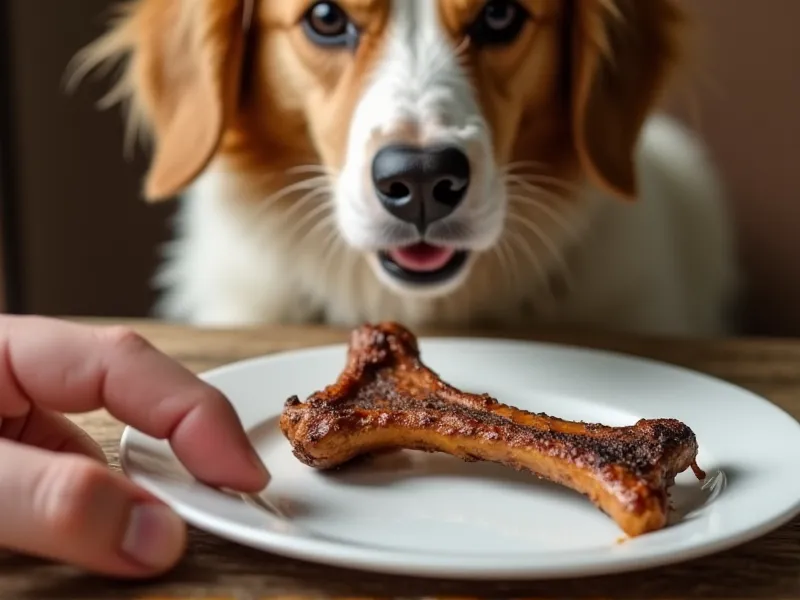
Table of Contents
- Can Dogs Eat Cooked T-Bones? The Straight Answer
- Potential “Benefits”: Separating Meat from Bone
- The Hidden Risks of Cooked T-Bones for Dogs
- If Not Cooked T-Bones, How Much (If Any) Is Safe?
- Healthier Alternatives to Cooked T-Bones
- FAQ: Your T-Bone Questions Answered
- Conclusion: Prioritizing Your Dog’s Safety
- References
Can Dogs Eat Cooked T-Bones? The Straight Answer
No, dogs should not eat cooked T-bones.
While the meat on a T-bone is generally safe for dogs (in moderation), the bone itself becomes a serious hazard once cooked. Here’s why: Cooking changes the structure of bones, making them dry, brittle, and prone to splintering. Unlike raw bones (which we’ll discuss later), cooked bones can shatter into sharp fragments that tear through your dog’s mouth, throat, stomach, or intestines.
Veterinarians and animal welfare organizations like the ASPCA and AVMA universally warn against feeding cooked bones to dogs—including T-bones, chicken bones, or ribs. Even large, “sturdy” bones like T-bones aren’t immune to splintering when cooked, and the risk far outweighs any potential perks.
Potential “Benefits”: Separating Meat from Bone
Before we dive into the risks, let’s clarify: If you strip the meat from a cooked T-bone (and avoid the bone entirely), that meat can offer some nutritional benefits. Lean beef is packed with:
- Protein: Essential for muscle growth, repair, and energy.
- Iron & Zinc: Supports healthy blood cells and immune function.
- B Vitamins: Like B12, which aids in brain and nerve health.
- Marrow (in moderation): A source of healthy fats, vitamins A and K, and minerals like potassium and phosphorus.
But here’s the catch: These benefits come from the meat and marrow, not the bone itself. And you can get these nutrients far more safely by feeding your dog boneless cooked meat (like a small piece of steak) rather than risking the bone.
The Hidden Risks of Cooked T-Bones
Cooked T-bones pose several dangers to dogs, ranging from mild discomfort to life-threatening emergencies. Let’s break them down:
1. Splintering and Internal Injury
Cooking removes moisture from bones, making them hard and brittle. When your dog chews a cooked T-bone, it can shatter into sharp, needle-like pieces. These fragments can:
- Tear the soft tissues of the mouth, causing bleeding or infection.
- Get stuck in the throat, leading to choking.
- Puncture the esophagus, stomach, or intestines, resulting in internal bleeding or peritonitis (a deadly infection of the abdominal cavity).
Veterinarians often treat dogs for “bone foreign bodies,” where splinters block or damage the digestive tract. In severe cases, surgery may be needed to remove the fragments.
2. Choking Hazard
Even if the bone doesn’t splinter, T-bones are large and irregularly shaped. A dog in a hurry (or overly enthusiastic chewer) could bite off a chunk that’s too big to swallow, lodging it in their throat. Signs of choking include pawing at the mouth, gagging, difficulty breathing, or blue-tinged gums—all require immediate emergency care.
3. Intestinal Blockages
Splinters or large bone pieces can get stuck in the intestines, causing a blockage. Symptoms include vomiting, diarrhea (sometimes with blood), loss of appetite, lethargy, or abdominal pain. Left untreated, a blockage can be fatal within 24–48 hours.
4. Pancreatitis from Excess Fat
Many T-bones (especially from steaks) have fatty edges or marrow. While a little marrow is okay, too much fat can trigger pancreatitis—a painful inflammation of the pancreas. Symptoms include vomiting, diarrhea, fever, and abdominal tenderness. Pancreatitis is common in dogs and can be life-threatening without treatment.
5. Dental Damage
Hard cooked bones can crack or break your dog’s teeth, leading to fractures, infections, or the need for extraction. This is especially risky for small breeds or dogs with weak teeth (like seniors or those with dental disease).
If Not Cooked T-Bones, How Much (If Any) Is Safe?
The bottom line: There is no “safe amount” of cooked T-bone to feed your dog. Even a small piece of cooked bone can splinter and cause harm.
If your dog accidentally snatches a cooked T-bone (we’ve all been there—puppies are sneaky!), stay calm and monitor them closely for 24–48 hours. Watch for signs of distress:
- Gagging, coughing, or difficulty swallowing
- Vomiting (especially if it contains blood or bone fragments)
- Diarrhea (with or without blood)
- Lethargy or loss of appetite
- Abdominal pain (hunched posture, reluctance to move)
If you notice any of these, contact your vet immediately. In some cases, X-rays or surgery may be needed to remove bone fragments.
Healthier Alternatives to Cooked T-Bones
Just because cooked T-bones are off the table doesn’t mean your dog can’t enjoy a tasty, satisfying treat. Here are safer alternatives that offer nutrition, entertainment, and dental benefits:
1. Raw Meaty Bones (Under Supervision)
Raw bones (like large beef knuckles, marrow bones, or lamb shanks) are softer and less likely to splinter than cooked ones. They provide mental stimulation, help clean teeth, and satisfy your dog’s natural urge to chew.
Tips for raw bones:
- Choose bones larger than your dog’s head to prevent choking (e.g., a 10-pound dog shouldn’t get a bone smaller than a tennis ball).
- Avoid weight-bearing bones (like femurs) for aggressive chewers—they’re dense and can crack teeth.
- Supervise your dog while they chew, and take the bone away when it becomes small enough to swallow.
- Discard bones after 24–48 hours to avoid bacterial growth.
2. Boneless Cooked Meat
Stick to lean, boneless cuts of cooked meat:
- Grilled or boiled chicken breast (no skin or seasoning)
- Lean beef (like sirloin or round steak, trimmed of fat)
- Turkey (white meat, no bones or skin)
Feed these in moderation—about 10% of your dog’s daily calories. For example, a 50-pound dog can have 1–2 ounces of cooked beef as a treat.
3. Dental Chews and Toys
For dogs who love to chew, opt for vet-recommended dental chews (like Greenies or Pedigree Dentastix) or durable toys (KONGs, Nylabones). These are designed to clean teeth, reduce plaque, and satisfy chewing urges without the risk of splintering.
4. Crunchy Veggies and Fruits
Carrots, celery, green beans, and apple slices (without seeds) are low-calorie, crunchy, and safe for most dogs. They’re great for dental health and make a refreshing snack.
5. Bone Broth
Simmering bones (cooked or raw) to make bone broth is a safe way to let your dog enjoy the nutrients of marrow and bones—without the bone itself! Strain the broth to remove any bone fragments, then serve warm or freeze into ice cubes. Bone broth is rich in collagen, glucosamine, and minerals, supporting joint health and digestion.
FAQ: Your T-Bone Questions Answered
Q: What if my dog ate a cooked T-bone and seems fine? Should I still worry?
A: Yes—some dogs may pass small bone fragments without issue, but others could develop blockages or internal damage days later. Monitor them closely for 48 hours, and call your vet if you notice any changes in behavior, appetite, or stool.
Q: Are raw T-bones safer than cooked ones?
A: Raw bones are generally safer because they’re softer and less likely to splinter, but they’re not risk-free. They can carry bacteria like Salmonella or E. coli (which can sicken both dogs and humans), and aggressive chewers may still crack teeth. Always supervise and choose appropriately sized bones.
Q: Can puppies eat T-bones (cooked or raw)?
A: Puppies have delicate digestive systems and developing teeth, so T-bones (cooked or raw) are not recommended. Stick to puppy-safe chews like rubber toys or soft dental treats until they’re older (ask your vet for age-specific recommendations).
Q: Is bone broth made from T-bones safe?
A: Yes! Bone broth is a great way to use T-bones safely. Simmer the bones (cooked or raw) in water for several hours, then strain out all bone fragments. Avoid adding salt, onions, or garlic (which are toxic to dogs). Serve in small amounts as a topper or treat.
Q: My dog loves chewing—what’s the best alternative to keep them busy?
A: Puzzle toys stuffed with peanut butter (no xylitol!), frozen yogurt, or kibble are great for mental stimulation. For heavy chewers, try durable rubber toys like KONGs or West Paw Zogoflex, which are designed to withstand tough gnawing.
Conclusion: Prioritizing Your Dog’s Safety
At the end of the day, our dogs are family, and we want to share the things we love with them—including a tasty steak bone. But when it comes to cooked T-bones, the risks are simply too high. Splintered bones, choking, and internal damage are preventable dangers, and there are plenty of safer, healthier treats to choose from.
If you’re unsure about what’s safe for your dog, always consult your veterinarian. They can recommend personalized options based on your pup’s age, size, breed, and health needs.
Remember: A happy dog is a healthy dog. Skip the cooked T-bone, opt for a raw bone or boneless treat, and enjoy many more tail-wagging meals together.
References
- American Society for the Prevention of Cruelty to Animals (ASPCA). “People Foods to Avoid Feeding Your Pets.” aspca.org/pet-care/animal-poison-control/people-foods-avoid-feeding-your-pets
- American Veterinary Medical Association (AVMA). “Feeding Your Dog: Bones, Table Scraps, and More.” avma.org/resources/pet-owners/nutrition/feeding-your-dog-bones-table-scraps-and-more
- VCA Hospitals. “Bones and Dogs: What You Need to Know.” vcahospitals.com/know-your-pet/bones-and-dogs-what-you-need-to-know
- PetMD. “Can Dogs Eat Bones? Benefits and Risks.” petmd.com/dog/nutrition/can-dogs-eat-bones
- Cornell University College of Veterinary Medicine. “Pancreatitis in Dogs.” vet.cornell.edu/departments-centers-and-institutes/cornell-animal-health-diagnostics-center/health-topics/pancreatitis-dogs