· 8 min read
Can Dogs Eat Cooked Shrimp Tails? What Pet Parents Need to Know
Picture this: You’re enjoying a buttery shrimp scampi dinner, and your dog—ever the opportunist—stares up at you with those puppy-dog eyes, tail wagging. As you pop a shrimp into your mouth, you notice the discarded tail on your plate. “Can they have that?” you wonder. It’s a common question for seafood-loving pet parents: Are cooked shrimp tails safe for dogs?
In this guide, we’ll break down the risks, benefits, and guidelines to help you decide if sharing that tiny crustacean appendage is a good idea. Spoiler: The answer isn’t a simple “yes” or “no”—it depends on preparation, portion size, and your dog’s unique needs.
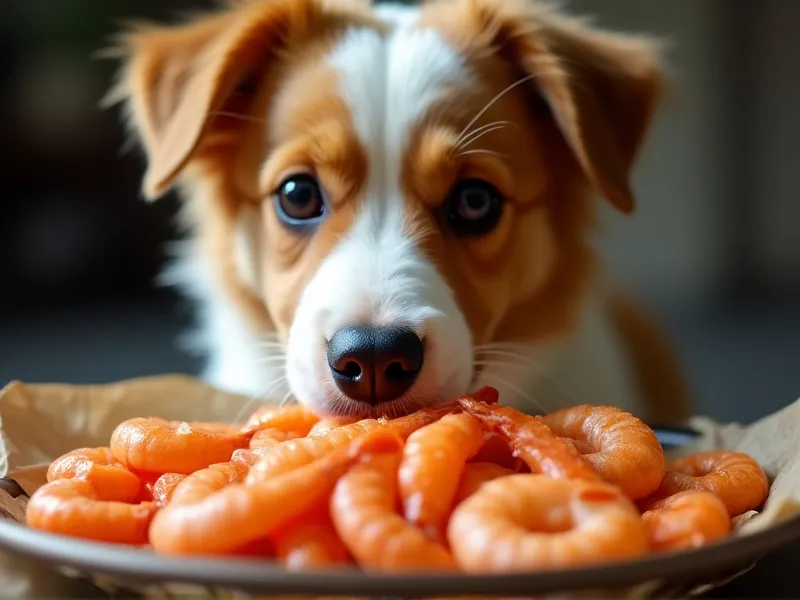
Table of Contents
- Can Dogs Eat Cooked Shrimp Tails? The Short Answer
- Potential Benefits of Cooked Shrimp Tails (Yes, There Are Some!)
- Risks to Watch Out For: Why Caution Is Key
- Safe Feeding Guidelines: How Much (and How Often) Is Okay?
- Healthier Alternatives to Shrimp Tails
- FAQ: Your Most Pressing Questions Answered
- Conclusion: Treat Smart, Keep Your Pup Safe
Can Dogs Eat Cooked Shrimp Tails? The Short Answer
Yes, dogs can technically eat plain, unseasoned cooked shrimp tails—but only in very small amounts, and with significant caution.
Shrimp itself is non-toxic to dogs and even offers some nutritional benefits. However, the tail (the hard, shell-like part) is where the risks lie. Think of it like a crunchy snack with a hidden catch: While a single tail might not harm your dog, regular or large servings could lead to choking, digestive upset, or worse.
The key here is context. Let’s dive into why shrimp tails aren’t exactly a “super treat” and when they might cross into risky territory.
Potential Benefits of Cooked Shrimp Tails (Yes, There Are Some!)
Before we focus on the downsides, let’s acknowledge the silver linings. Shrimp (and their tails) do contain trace nutrients that could offer minor benefits—though these are often overshadowed by the risks of the tail itself.
1. Trace Nutrients from the Shrimp Meat
First, it’s important to note: Most of shrimp’s nutritional value comes from the meat, not the tail. But if your dog eats the tail along with the meat (as they often do when snatching a whole shrimp), they’ll get a boost of:
- Protein: Essential for muscle health and energy (shrimp is ~20% protein, lean and easy to digest).
- Omega-3 Fatty Acids: Support skin, coat, and joint health (though shrimp has less than fatty fish like salmon).
- Selenium: An antioxidant that helps fight inflammation and supports thyroid function.
- B Vitamins (B12, Niacin): Aid in cell function and energy metabolism.
2. Minimal Fiber from the Exoskeleton
The tail’s hard outer layer (exoskeleton) is made of chitin, a fibrous substance similar to plant fiber. In tiny amounts, chitin might act as a mild prebiotic, supporting gut bacteria. However, dogs lack the enzymes to fully digest chitin, so this “benefit” is negligible—and easily overshadowed by digestive risks (more on that later).
3. Low-Calorie, Low-Fat Treat Option
Compared to fatty treats like cheese or bacon, shrimp tails are low in calories and fat—if served plain. A single medium shrimp tail has ~5 calories and less than 1g of fat, making it a guilt-free occasional snack when prepared safely.
Bottom line: The benefits are minor and mostly come from the shrimp meat, not the tail itself. The tail is more of a “delivery vehicle” for the meat than a nutrient powerhouse.
Risks to Watch Out For: Why Caution Is Key
Now, let’s get real: The tail is the risky part. Here’s why even a small shrimp tail could spell trouble for your pup.
1. Choking Hazard: The #1 Risk
Shrimp tails are small, hard, and oddly shaped—perfect for getting stuck in your dog’s throat, esophagus, or intestines. Small dogs (think Chihuahuas, Shih Tzus) are especially vulnerable, but even medium or large dogs can choke if they gulp down a tail without chewing.
Signs of choking include:
- Pawing at the mouth
- Gagging or retching
- Difficulty breathing
- Blue-tinged gums (a medical emergency).
2. Digestive Upset: The Chitin Conundrum
As mentioned, dogs can’t fully digest chitin. When your dog eats a shrimp tail, the exoskeleton may irritate their stomach or intestines, leading to:
- Vomiting
- Diarrhea (sometimes with mucus or blood, if the chitin scrapes the gut lining)
- Constipation (if the tail lodges in the intestines).
This is more likely if your dog eats multiple tails, has a sensitive stomach, or is a puppy/kitten with an immature digestive system.
3. Seasonings and Additives: The Hidden Danger
Here’s a critical point: Plain, unseasoned shrimp tails are the only “safe” kind. If your shrimp was cooked with:
- Garlic/Onion: Toxic to dogs (causes red blood cell damage, leading to anemia).
- Salt/Butter/Oil: Excess salt can cause sodium ion poisoning (symptoms: vomiting, diarrhea, seizures). Butter or oil adds unnecessary fat, risking pancreatitis.
- Lemon/Lime: Citrus can irritate the stomach in large amounts.
- Sauces (e.g., cocktail, teriyaki): Often high in sugar, salt, or toxic ingredients.
Always serve shrimp tails plain, boiled, grilled, or steamed—no seasonings, no sauces.
4. Mercury and Seafood Safety
Shrimp is low in mercury compared to larger fish (like tuna or swordfish), so mercury poisoning is rare. However, wild-caught shrimp may contain trace contaminants (like microplastics) from polluted waters. Opt for wild-caught, sustainably sourced shrimp when possible, and limit frequency to avoid buildup.
Safe Feeding Guidelines: How Much (and How Often) Is Okay?
If you decide to share a shrimp tail with your dog (e.g., as a rare “reward” during dinner), follow these rules to minimize risk:
1. Start with “Plain and Unseasoned”
This can’t be overstated: No salt, garlic, butter, or spices. Cook the shrimp by boiling, steaming, or grilling—no oil. Let it cool completely to avoid burns.
2. Size Matters: Portion Based on Your Dog’s Weight
- Small dogs (under 20 lbs): 1–2 tails occasionally (e.g., once a week at most).
- Medium dogs (20–50 lbs): 2–3 tails occasionally.
- Large dogs (50+ lbs): 3–4 tails occasionally.
Err on the side of smaller portions if your dog has a history of digestive issues.
3. Remove the Tail (If Possible)
The safest bet? Take off the tail and only feed the shrimp meat. The meat has all the nutrients with none of the choking or digestive risks of the tail. If your dog insists on the tail (we see you, counter-surfers), at least snap it into smaller pieces to reduce choking risk.
4. Monitor for Reactions
After feeding a shrimp tail, watch your dog for 24 hours. Signs of trouble include:
- Vomiting, diarrhea, or loss of appetite
- Lethargy or abdominal pain (hunched back, restlessness)
- Coughing, gagging, or difficulty breathing (choking).
If you notice any of these, contact your vet immediately.
5. Never Make It a Regular Meal
Shrimp tails (or shrimp in general) should never replace your dog’s balanced kibble or wet food. They’re a treat, not a staple. Too many can disrupt their diet, leading to nutrient imbalances or obesity.
Healthier Alternatives to Shrimp Tails
If the risks of shrimp tails make you nervous (and they should!), there are plenty of safer, equally tasty treats your dog will love:
1. Shrimp Meat (No Tail!)
Skip the tail entirely and feed just the shrimp meat. It’s soft, easy to digest, and packed with the same nutrients—without the choking hazard.
2. Cooked Salmon (Boneless)
Salmon is richer in omega-3s than shrimp and has no hard exoskeleton. Just ensure it’s fully cooked (raw salmon can carry parasites) and boneless.
3. Lean Cooked Meat (Chicken, Turkey)
Plain, unseasoned chicken or turkey is a classic, low-risk treat. It’s high in protein and easy to portion.
4. Veggies and Fruits
Carrots, green beans, apples (no seeds), or blueberries make crunchy, fiber-rich treats with zero choking risk.
5. Commercial Seafood Treats
Look for vet-approved seafood treats (e.g., freeze-dried salmon bites) that are deboned, deshelled, and portion-controlled.
FAQ: Your Most Pressing Questions Answered
Q: Can puppies eat cooked shrimp tails?
A: Puppies have sensitive digestive systems and smaller airways, making shrimp tails riskier. It’s best to avoid until they’re at least 6 months old, and even then, only a tiny piece (if at all).
Q: My dog ate a shrimp tail and is choking! What do I do?
A: Act fast! For small dogs: Hold them upside down by the hind legs and gently shake (this can dislodge the tail). For larger dogs: Perform the canine Heimlich maneuver (place your hands just behind their ribcage, push inward and upward firmly). If they stop breathing, call your vet or emergency animal hospital immediately.
Q: Are raw shrimp tails worse than cooked?
A: Yes! Raw shrimp may contain bacteria (like Salmonella) or parasites (like anisakis), which can sicken your dog. Always cook shrimp thoroughly.
Q: Do shrimp tails cause blockages?
A: In rare cases, yes. If a tail lodges in the intestines, it can cause an obstruction (symptoms: vomiting, inability to poop, abdominal pain). This requires surgery, so never ignore these signs.
Q: Can dogs with allergies eat shrimp tails?
A: Seafood allergies in dogs are rare but possible. If your dog has food allergies, skip shrimp (and the tail) and stick to hypoallergenic treats like sweet potatoes.
Conclusion: Treat Smart, Keep Your Pup Safe
At the end of the day, cooked shrimp tails aren’t “toxic” to dogs—but they’re far from ideal. The risks (choking, digestive upset) often outweigh the minimal benefits, especially when safer alternatives (like shrimp meat or veggies) exist.
If you do share a tail occasionally, keep it plain, small, and rare. And when in doubt, ask your vet—they know your dog’s health history and can advise on what’s best for their unique needs.
After all, the goal is to keep treat time fun and safe. So next time you’re enjoying shrimp, maybe skip the tail and toss your pup a piece of plain shrimp meat instead. Their tail (and yours) will wag just as hard—and you’ll both sleep easier knowing they’re safe.
Sources:
- American Kennel Club (AKC): “Can Dogs Eat Shrimp?”
- ASPCA: “Toxic and Non-Toxic Food for Dogs”
- PetMD: “Shrimp for Dogs: Are They Safe?”
- VCA Animal Hospitals: “Choking in Dogs”