· 8 min read
Can Dogs Eat Cooked Sausages? The Surprising Truth Every Pet Parent Should Know
It’s a lazy Saturday morning, and the smell of breakfast fills the air: crispy bacon, fluffy pancakes, and a perfectly grilled cooked sausage. Your dog, Max, sits at your feet, tail thumping a rapid rhythm against the floor, his big brown eyes locked on your plate. “Just a tiny bite won’t hurt, right?” you think. But before you toss him that morsel, you pause. Is cooked sausage safe for dogs?
If you’ve ever asked yourself this question, you’re in good company. Sausages are a beloved human snack—grilled, fried, or tossed into pasta—but when it comes to our furry friends, the answer isn’t as simple as “yes” or “no.” In this post, we’ll break down the risks, the (minimal) benefits, and how to keep your pup happy and healthy if you decide to share a bite. Let’s dive in!
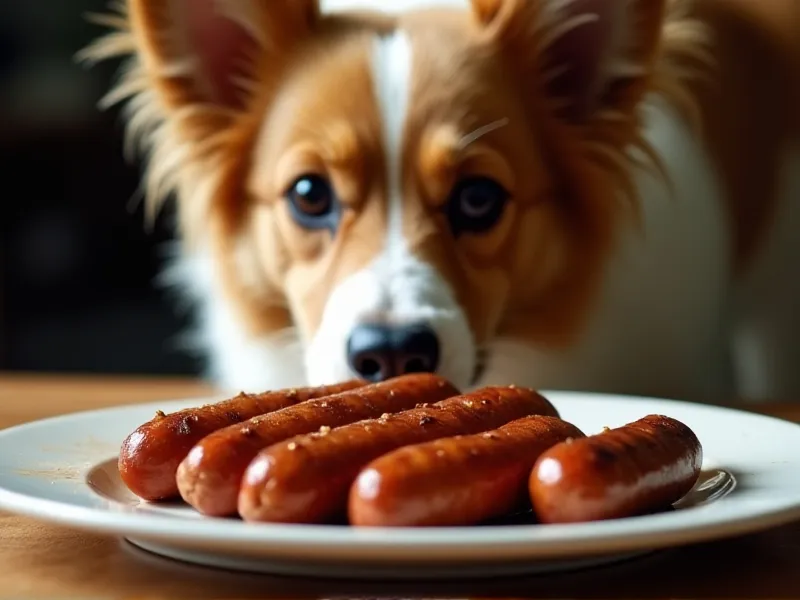
Table of Contents
- Can Dogs Eat Cooked Sausages? The Short Answer
- Potential “Benefits” of Cooked Sausages for Dogs (Spoiler: They’re Minimal)
- The Hidden Risks: Why Sausages Are Often a Bad Idea
- How Much Cooked Sausage Is “Safe” for Dogs? (If Any)
- Healthier Alternatives to Sausages Your Dog Will Love
- Frequently Asked Questions (FAQs)
- Conclusion: Prioritize Your Pup’s Health
- References
1. Can Dogs Eat Cooked Sausages? The Short Answer
Yes, but only in very small, occasional amounts—and even then, it’s not ideal.
Cooked sausages aren’t toxic to dogs, but most store-bought or restaurant sausages are packed with ingredients that can harm your pup over time (or even in one large serving). Think: high salt, unhealthy fats, added sugars, spices, and preservatives. These ingredients can lead to serious health issues, from upset tummies to life-threatening conditions like pancreatitis.
The key here is “occasional” and “tiny.” A single bite of plain, unseasoned cooked sausage (no garlic, onion, or spices) might not hurt your dog, but making it a regular treat? Definitely not a good plan.
2. Potential “Benefits” of Cooked Sausages for Dogs (Spoiler: They’re Minimal)
Let’s start with the positives—though they’re few and far between. In theory, plain cooked sausage (made from high-quality meat with no additives) could offer a small amount of:
- Protein: Sausage is meat-based, so it contains protein, which helps build and repair muscle. But most sausages use low-quality, processed meat, so the protein isn’t as nutrient-dense as, say, a piece of grilled chicken breast.
- B Vitamins: Some meats contain B vitamins (like B12 and niacin), which support energy levels and brain function. Again, dog food is already fortified with these vitamins, so your pup isn’t missing out if they skip the sausage.
- Iron/Zinc: Trace minerals that support red blood cell health and immune function. But again, these are better sourced from balanced dog food or fresh, unprocessed meats.
The bottom line? Any “benefits” of sausage are negligible compared to the risks. Your dog’s regular diet—high-quality kibble or wet food—already provides all the nutrients they need. Sausage is more of a “junk food” for dogs than a healthy snack.
3. The Hidden Risks: Why Sausages Are Often a Bad Idea
Now, let’s get real about the dangers. Most cooked sausages (even the “premium” ones) are loaded with ingredients that can harm your dog. Here’s what to watch out for:
High Sodium: A Recipe for Salt Poisoning
Sausages are incredibly salty. A single pork sausage link can contain 400–600 mg of sodium—that’s more than half the daily recommended sodium intake for a 30-pound dog (who needs about 200–300 mg/day).
Too much salt can lead to:
- Dehydration: Excess sodium makes dogs thirsty, leading to increased drinking and urination.
- Electrolyte imbalance: Which can cause vomiting, diarrhea, tremors, or even seizures.
- Salt poisoning: In severe cases, this is life-threatening, requiring emergency vet care.
Unhealthy Fats: A Trigger for Pancreatitis
Sausages are high in saturated fat and often contain added oils. Dogs’ bodies aren’t built to process large amounts of fat, which can trigger pancreatitis—a painful, potentially fatal condition where the pancreas becomes inflamed.
Symptoms of pancreatitis include:
- Vomiting (especially after eating)
- Abdominal pain (your dog may hunch over or avoid being touched)
- Lethargy
- Loss of appetite
Pancreatitis requires immediate veterinary treatment, and recovery can be long and expensive.
Added Sugars: Empty Calories and Weight Gain
Some sausages (like breakfast or sweet Italian varieties) contain added sugar to enhance flavor. Dogs don’t need sugar in their diet, and excess calories from sugar can lead to obesity, diabetes, or dental issues.
Toxic Spices: Garlic, Onion, and More
Many sausages are seasoned with garlic, onion, paprika, or chili powder. These spices are dangerous for dogs:
- Garlic/Onion: Both contain thiosulphate, a compound that destroys red blood cells in dogs, leading to anemia (symptoms: weakness, pale gums, lethargy). Even small amounts can be toxic.
- Paprika/Chili Powder: Can irritate your dog’s digestive tract, causing vomiting or diarrhea.
Preservatives: Nitrates and Nitrites
Processed sausages (like hot dogs, pepperoni, or smoked sausage) often contain preservatives like nitrates or nitrites to extend shelf life. These chemicals can convert to nitrosamines, which are linked to cancer in humans and animals. While the risk is low from a single bite, regular exposure is concerning.
Choking Hazard: Casings and Large Pieces
Sausage casings (natural or synthetic) are indigestible and can get stuck in your dog’s throat or intestines, causing choking or a blockage. Even small pieces of sausage can pose a risk for tiny dogs (like Chihuahuas or Yorkies).
4. How Much Cooked Sausage Is “Safe” for Dogs?
If you must share a bite (we get it—those puppy eyes are hard to resist!), follow these strict guidelines:
- Stick to plain, unseasoned sausage: No garlic, onion, spices, or sugar. Look for “fresh” sausage (not smoked or cured) with minimal ingredients (e.g., “pork, water, salt” is better than a list of unpronounceable additives).
- Size matters:
- Small dogs (under 20 lbs): 1–2 tiny bites (about the size of a pea) once a month at most.
- Medium dogs (20–50 lbs): A bite the size of a dime, once a month.
- Large dogs (50+ lbs): A bite the size of a quarter, once a month.
- Monitor for reactions: After sharing, watch for vomiting, diarrhea, or lethargy. If you notice any symptoms, contact your vet.
Pro tip: When in doubt, skip the sausage. There are far safer treats your dog will love just as much (we’ll share some below!).
5. Healthier Alternatives to Sausages Your Dog Will Love
Instead of risking sausage, try these dog-friendly snacks that are tasty and good for them:
Lean Meats
- Grilled chicken/turkey: Plain, unseasoned, and boneless. High in protein, low in fat.
- Beef liver: Cooked (not raw), in small amounts. Packed with iron and vitamins.
- Boiled hamburger: Lean ground beef, cooked, drained of fat.
Vegetables
- Carrots: Crunchy, low-calorie, and great for teeth.
- Green beans: Steamed or raw (no salt). High in fiber.
- Sweet potato: Baked, mashed, or diced. Rich in vitamins A and C.
Fruits (In Moderation)
- Blueberries: Antioxidant-rich and low in sugar.
- Apple slices: Remove the core and seeds (they contain cyanide!). A crunchy, fiber-filled snack.
Homemade “Sausage” Treats
Craving a sausage-like snack for your pup? Try this simple recipe:
Turkey-Pumpkin Meatballs
- 1 cup lean ground turkey
- 1/4 cup cooked, mashed pumpkin (no sugar or spices)
- 2 tbsp oats
- Mix ingredients, roll into tiny balls, and bake at 350°F for 15–20 minutes. Let cool before serving.
No salt, no spices, just pure doggy deliciousness!
6. Frequently Asked Questions (FAQs)
Q: Can puppies eat cooked sausages?
A: It’s best to avoid. Puppies have sensitive digestive systems and are more prone to pancreatitis or food reactions. Stick to puppy-safe treats like plain yogurt (unsweetened) or small pieces of cooked chicken.
Q: My dog stole a whole sausage! What should I do?
A: Stay calm, but act fast. A whole sausage (especially if seasoned or high in fat) can cause pancreatitis or salt poisoning. Call your vet immediately. They may recommend inducing vomiting (if done within 2 hours) or monitoring for symptoms like vomiting, diarrhea, or lethargy.
Q: Are some sausages safer than others?
A: “Fresh” sausage (uncured, unsmoked) with minimal ingredients is slightly safer than smoked, cured, or seasoned varieties. But even fresh sausage is high in salt and fat—still not a good choice.
Q: Can dogs eat sausage casings?
A: No. Casings (natural or synthetic) are indigestible and can cause choking or intestinal blockages. Always remove the casing before (rarely) sharing a bite.
Q: Is vegan sausage safe for dogs?
A: Vegan sausage is often high in salt, spices, and processed ingredients (like soy or wheat), which can upset your dog’s stomach. Plus, dogs are omnivores but need animal protein for essential nutrients (like taurine). Stick to meat-based or plant-based treats made specifically for dogs.
7. Conclusion: Moderation Is Key (But Better Safe Than Sorry!)
So, can dogs eat cooked sausages? Technically, yes—in very small, occasional amounts, and only if the sausage is plain, unseasoned, and low in additives. But the risks (salt, fat, spices, choking) far outweigh any minor benefits.
Your dog’s health is worth prioritizing, and there are plenty of safe, tasty treats they’ll adore. When in doubt, consult your vet—they know your dog’s unique needs (like allergies or health conditions) and can recommend the best snacks.
At the end of the day, Max (and your pup!) will be just as happy with a carrot stick or a piece of grilled chicken as they would with a sausage bite. And you’ll have peace of mind knowing you’re keeping them healthy—one treat at a time.
8. References
- American Kennel Club (AKC). “Human Foods Dogs Can and Can’t Eat.” akc.org
- ASPCA Animal Poison Control. “Toxic and Non-Toxic Plant List—Dogs.” aspca.org
- VCA Animal Hospitals. “Pancreatitis in Dogs.” vcahospitals.com
- PetMD. “Sodium Poisoning in Dogs.” petmd.com