· 9 min read
Can Dogs Eat Cooked Salmon Skin? A Pet Parent’s Guide to Safe Sharing
It’s dinner time, and you’re savoring a delicious piece of grilled salmon. Your dog, ever the attentive foodie, sits beside you with those big, hopeful eyes, tail wagging. You’re tempted to share a bite—but wait, what about the skin? That crispy, flavorful part is often the best part for humans, but is it safe for your pup?
As pet parents, we want to spoil our dogs with tasty treats, but their health always comes first. So, can dogs eat cooked salmon skin? The short answer is yes—but like many human foods, it comes with important caveats. In this guide, we’ll break down the benefits, risks, and best practices to ensure your dog can enjoy salmon skin safely (and happily!).
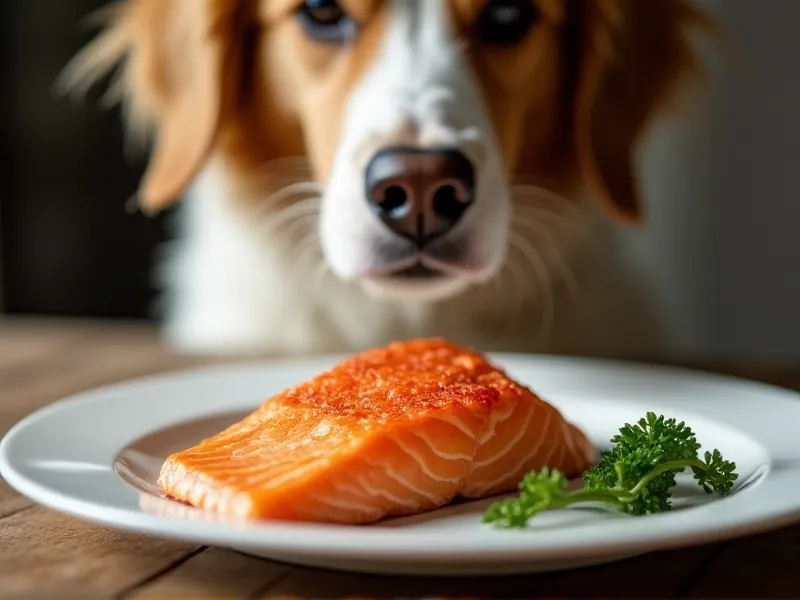
Table of Contents
- Can Dogs Eat Cooked Salmon Skin? The Short Answer
- The Benefits of Cooked Salmon Skin for Dogs
- Omega-3 Fatty Acids: A Skin and Coat Superstar
- Fiber: Supporting Digestive Health
- Potassium: Keeping Hearts and Muscles Strong
- Additional Nutrients: A Bounty of Goodness
- The Risks: What to Watch Out For
- Choking Hazard: The Perils of Tough Skin
- Fat Overload: When Too Much of a Good Thing Is Bad
- Hidden Dangers: Seasonings, Oils, and Additives
- Bones: A Tiny but Serious Risk
- Parasites: Why Raw Salmon Skin Is a No-Go
- How Much Cooked Salmon Skin Can Dogs Eat?
- Portion Sizes by Dog Size
- Frequency: Treat, Not a Meal
- Preparation Tips for Safety
- Healthier Alternatives to Salmon Skin
- FAQ: Your Salmon Skin Questions Answered
- Conclusion: Enjoy Responsibly, and Consult Your Vet
- References
Can Dogs Eat Cooked Salmon Skin? The Short Answer
Yes, dogs can eat cooked salmon skin—but only if it’s prepared safely and served in moderation. When cooked plain (no added seasonings, oils, or salt) and free of bones, salmon skin can be a nutritious, occasional treat for most dogs. It’s rich in omega-3 fatty acids, fiber, and essential minerals, which offer health benefits. However, there are risks to consider, like choking hazards or digestive upset, so it’s crucial to follow guidelines for serving.
The Benefits of Cooked Salmon Skin for Dogs
Salmon skin isn’t just a tasty snack—it’s packed with nutrients that can support your dog’s health. Let’s dive into the key benefits:
1. Omega-3 Fatty Acids: For Skin, Coat, and Joints
Salmon skin is loaded with omega-3 fatty acids (EPA and DHA), which are superheroes for your dog’s well-being. These healthy fats:
- Soothe skin irritation: Help reduce itching, redness, and flakiness (great for dogs with allergies or dry skin).
- Boost coat health: Promote a shiny, soft coat by supporting skin barrier function.
- Support joint health: Reduce inflammation, which can ease discomfort in dogs with arthritis or mobility issues.
- Aid brain and eye development: Especially important for puppies, as DHA supports cognitive function and vision.
According to the American Kennel Club (AKC), omega-3s are “essential” for dogs, meaning their bodies can’t produce them on their own—they must get them from food. Salmon (and its skin) is one of the best natural sources.
2. Fiber: A Gentle Digestive Helper
Salmon skin contains small amounts of dietary fiber, which supports healthy digestion. Fiber helps regulate bowel movements, prevents constipation, and feeds beneficial gut bacteria. For dogs with sensitive stomachs, a tiny piece of cooked salmon skin (in moderation!) can act as a gentle digestive aid—though it’s no substitute for a balanced diet.
3. Potassium: Keeping Hearts and Muscles Strong
Potassium is an electrolyte that plays a vital role in your dog’s body, supporting:
- Heart function: Regulates heartbeat and blood pressure.
- Muscle contraction: Helps muscles (including the heart) work efficiently.
- Nerve signaling: Ensures messages travel properly between the brain and body.
Salmon skin is a natural source of potassium, making it a nutrient-dense addition to your dog’s treat rotation (when served safely).
4. Additional Nutrients: A Bounty of Goodness
Beyond omega-3s, fiber, and potassium, salmon skin also contains:
- Protein: Supports muscle growth and repair.
- B vitamins (B12, niacin): Boost energy levels and cognitive function.
- Selenium: An antioxidant that protects cells from damage and supports thyroid health.
All of these nutrients make salmon skin a more nutritious treat than, say, a processed dog biscuit—when served correctly.
The Risks: What to Watch Out For
While cooked salmon skin has benefits, it’s not without risks. Here’s what to keep in mind to keep your pup safe:
1. Choking Hazard: The Texture Matters
Salmon skin, especially when crispy or tough, can be a choking risk for dogs—especially small breeds or those who gulp food without chewing. The skin can get stuck in their throat or windpipe, leading to coughing, gagging, or even a life-threatening blockage. To reduce this risk, always cut the skin into small, bite-sized pieces (about the size of a dime for small dogs, quarter-sized for medium/large dogs) and supervise your dog while they eat.
2. Fatty Acids Overload: Too Much of a Good Thing
While omega-3s are healthy, salmon skin is also high in fat. Feeding too much can lead to:
- Pancreatitis: An inflammation of the pancreas, which causes severe abdominal pain, vomiting, and diarrhea. Dogs with a history of pancreatitis or obesity are especially at risk.
- Digestive upset: Diarrhea, vomiting, or greasy stools, even in healthy dogs.
The key here is moderation. Salmon skin should never replace a balanced dog food diet—it’s a treat, not a meal.
3. Hidden Dangers: Seasonings, Oils, and Additives
The biggest risk with salmon skin often isn’t the skin itself—it’s what humans put on it. Many people cook salmon with:
- Salt: Excess salt can cause sodium ion poisoning in dogs, leading to vomiting, diarrhea, seizures, or even death.
- Garlic/onion: These are toxic to dogs, damaging red blood cells and causing anemia.
- Butter, lemon, or herbs: Butter adds unnecessary fat; lemon can irritate the stomach; some herbs (like chives) are toxic.
- Sauces (soy, teriyaki, etc.): High in sugar, salt, or xylitol (a sugar substitute that’s deadly to dogs).
Always serve plain, unseasoned salmon skin. No exceptions!
4. Bones: A Tiny but Serious Risk
Even if you buy boneless salmon, tiny bones can sometimes hide in the skin. These bones are sharp and can lodge in your dog’s throat, stomach, or intestines, causing tears or blockages. Before serving, run your fingers over the skin to check for bones, and remove any you find.
5. Parasites: Why Raw Salmon Skin Is a No-Go
Raw salmon (and its skin) can contain a parasite called Nanophyetus salmincola, which carries a bacteria called Neorickettsia helminthoeca. This bacteria causes “salmon poisoning disease” in dogs, a serious illness that can be fatal if left untreated. Symptoms include fever, vomiting, diarrhea, lethargy, and loss of appetite.
Cooking salmon to an internal temperature of 145°F (63°C) kills parasites and bacteria, making cooked skin safe. Never feed your dog raw salmon or raw salmon skin.
How Much Cooked Salmon Skin Can Dogs Eat?
Now that you know the benefits and risks, let’s talk about serving size and frequency.
Portion Sizes by Dog Size
The golden rule: Treats should make up no more than 10% of your dog’s daily calories. For salmon skin, that translates to:
- Small dogs (under 20 lbs): 1–2 tiny pieces (about 1–2 square inches) per serving.
- Medium dogs (20–50 lbs): 2–3 small pieces (2–3 square inches).
- Large dogs (50+ lbs): 3–4 pieces (3–4 square inches).
Example: A 30-lb dog eating 700 calories per day can have up to 70 calories from treats. A 2-square-inch piece of salmon skin has about 30–40 calories, so that’s safe for one serving.
Frequency: Treat, Not a Meal
Salmon skin should be an occasional treat—once or twice a week at most. Feeding it more often increases the risk of fat overload, digestive upset, or nutrient imbalances.
Preparation Tips for Safety
To serve salmon skin safely:
- Cook it plain: Bake, grill, or boil the skin without salt, seasonings, oil, or butter. Avoid frying (added fat!).
- Remove bones: Check thoroughly for tiny bones and pluck them out.
- Cut into small pieces: Bite-sized chunks reduce choking risk.
- Let it cool: Hot skin can burn your dog’s mouth.
- Supervise: Watch your dog while they eat to ensure they chew properly and don’t choke.
Healthier Alternatives to Salmon Skin
If you’re concerned about the risks of salmon skin, or your dog has a sensitive stomach, here are some safer, nutrient-rich alternatives:
1. Plain Cooked Salmon Flesh
The flesh of the salmon (without skin) is lower in fat and easier to digest than the skin, while still packed with omega-3s. Serve a small piece (cooked, unseasoned) as a treat.
2. Sardines (In Water, No Salt)
Sardines are tiny, soft-boned fish that are rich in omega-3s, calcium, and protein. Look for canned sardines in water (no salt, oil, or seasonings) and serve 1–2 per week (depending on size).
3. Pumpkin (Plain, Canned)
Canned pumpkin (not pie filling!) is high in fiber and potassium, making it great for digestion. Serve 1–2 tablespoons (depending on size) mixed into their food.
4. Sweet Potatoes
Baked or boiled sweet potato chunks are a low-fat, fiber-rich treat with potassium and vitamins A and C.
5. Omega-3 Supplements (Vet-Approved)
If your dog needs more omega-3s (e.g., for skin issues), ask your vet about fish oil supplements. These are controlled, measured doses, so you avoid fat overload.
FAQ: Your Salmon Skin Questions Answered
Q: Can puppies eat cooked salmon skin?
A: Yes, but in very small portions. Puppies have sensitive stomachs, so start with a tiny piece (smaller than the adult portion) and watch for diarrhea or vomiting. Avoid if they’re on a specialized puppy diet.
Q: My dog ate a whole piece of salmon skin—should I panic?
A: Probably not, but monitor them closely. If they choke, gag, or have vomiting/diarrhea, contact your vet. For small dogs or those with pancreatitis, even a large piece could cause issues, so call your vet immediately.
Q: Is smoked salmon skin safe?
A: No. Smoked salmon is high in salt and often contains preservatives, which are toxic to dogs. Stick to plain cooked skin.
Q: Can dogs with allergies eat salmon skin?
A: Maybe, but salmon is a common allergen for dogs. If your dog has food allergies, ask your vet before serving salmon (skin or flesh).
Q: Is wild-caught or farm-raised salmon skin better?
A: Wild-caught salmon is lower in contaminants (like PCBs) than farm-raised, but both are safe in moderation. Choose organic or sustainably sourced when possible.
Conclusion: Enjoy Responsibly, and Consult Your Vet
Cooked salmon skin can be a tasty, nutritious treat for your dog—rich in omega-3s, fiber, and minerals—when served plain, in small pieces, and in moderation. But it’s not risk-free: choking hazards, fat overload, and seasonings are real concerns.
As with any new food, start small, monitor your dog for reactions, and always consult your vet first—especially if your dog has health issues (like pancreatitis, obesity, or allergies). Your vet can help you decide if salmon skin is a good fit for your pup’s unique needs.
At the end of the day, sharing a tiny piece of salmon skin with your dog (after checking for bones and seasoning!) can be a sweet bonding moment. Just remember: moderation is key, and their health always comes first.
References
- American Kennel Club (AKC). “Can Dogs Eat Salmon?” akc.org/expert-advice/nutrition/can-dogs-eat-salmon
- PetMD. “Salmon Poisoning Disease in Dogs.” petmd.com/dog/conditions/infectious-parasitic/salmon-poisoning-disease-dogs
- FDA. “People Food for Pets: Some Are OK, Some Are Not.” fda.gov/animal-veterinary/people-food-pets/some-are-ok-some-are-not
- Cummings School of Veterinary Medicine at Tufts University. “Nutrition FAQ: Fish for Dogs.” tuftscvm.com/for-pet-owners/nutrition-faq/fish-for-dogs
- Dr. Jennifer Coates, DVM. “Can Dogs Eat Salmon?” petmd.com/dog/nutrition/can-dogs-eat-salmon