· 7 min read
Can Dogs Eat Cooked Rib Bones? The Surprising Truth Every Pet Parent Needs to Know
It’s a lazy Sunday afternoon, and the grill is fired up. You’re savoring a rack of tender, barbecued ribs, and your dog—let’s call her Luna—sits at your feet, tail thumping a rapid rhythm against the floor. Her nose twitches at the smoky aroma, and she tilts her head, those big, pleading eyes saying, “Please? Just a tiny piece?”
We’ve all been there. Sharing food with our pups feels like an act of love, and bones seem like a “natural” treat. After all, dogs in the wild eat bones, right? But when it comes to cooked rib bones, that instinct might be leading you astray.
In this post, we’ll cut through the confusion: Can dogs eat cooked rib bones? We’ll break down the risks (spoiler: they’re serious), debunk myths about benefits, share safer alternatives, and answer your most pressing questions. Let’s keep Luna—and your pup—safe.
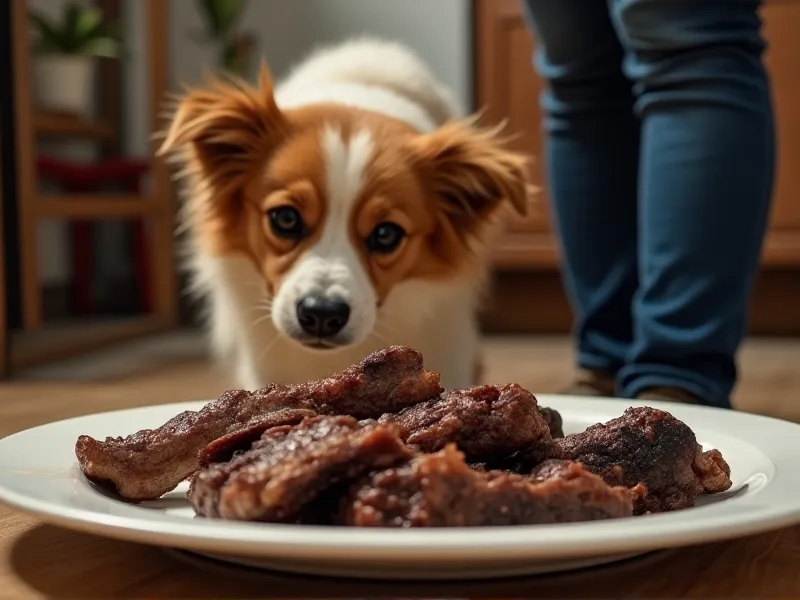
Table of Contents
- Can Dogs Eat Cooked Rib Bones? The Short Answer
- What Are the Risks of Cooked Rib Bones for Dogs?
- Splintering: A Hidden Danger
- Choking and Blockages
- Toxic Ingredients in Sauces
- Pancreatitis and Stomach Upset
- Are There Any Benefits to Feeding Cooked Rib Bones?
- How Much (If Any) Cooked Rib Bone Is Safe for Dogs?
- Healthier Alternatives to Cooked Rib Bones
- Raw Meaty Bones (With Caveats)
- Boneless Rib Meat (Plain, Please!)
- Dental Chews and Toys
- Veggie Snacks
- Frequently Asked Questions
- Conclusion: Prioritize Safety Over Temptation
1. Can Dogs Eat Cooked Rib Bones? The Short Answer
No. Dogs should not eat cooked rib bones.
It’s a tough truth, but here’s why: Cooking changes the structure of bones, making them brittle and prone to splintering. These sharp fragments can tear your dog’s mouth, throat, or digestive tract, leading to life-threatening injuries. Even small pieces pose risks, and there’s no “safe” amount to feed.
2. What Are the Risks of Cooked Rib Bones for Dogs?
Cooked rib bones aren’t just “not ideal”—they’re actively dangerous. Let’s break down the biggest threats:
Splintering: A Hidden Danger
Raw bones are flexible and less likely to shatter, but cooking (boiling, grilling, baking) leaches moisture and collagen, turning bones hard and brittle. When your dog chews a cooked rib bone, it can snap into sharp, needle-like shards.
These splinters can:
- Puncture the mouth or gums: Causing pain, bleeding, or infections.
- Tear the esophagus: If swallowed, sharp pieces can scratch or perforate the tube leading to the stomach, leading to difficulty breathing, fever, or internal bleeding.
- Damage the intestines: Splinters may get stuck in the stomach or intestines, causing blockages or perforations. Symptoms include vomiting, diarrhea (possibly bloody), lethargy, or loss of appetite. In severe cases, surgery is needed to remove the fragments.
Choking Hazard
Rib bones—especially small or thin ones—are the perfect size to get lodged in a dog’s throat. Even large breeds can choke if they gulp down a bone fragment. Signs of choking include pawing at the mouth, gagging, drooling, or struggling to breathe. This is a medical emergency: If your dog can’t dislodge the bone, they could suffocate.
Blockages in the Digestive Tract
Even if a bone splinter doesn’t puncture tissue, it can get stuck in the stomach or intestines. This creates a blockage, preventing food and waste from passing through. Symptoms include:
- Vomiting (especially after eating)
- Abdominal pain (your dog may whine, pace, or refuse to lie down)
- Constipation or diarrhea (with or without blood)
- Loss of appetite
- Lethargy
Left untreated, blockages are fatal. Surgery is often required to remove the obstruction, costing thousands of dollars and putting your dog through a stressful recovery.
Toxic Ingredients in Sauces
Most ribs are slathered in sauce—think BBQ, honey, or teriyaki. These sauces are loaded with ingredients toxic to dogs:
- Onion/garlic powder: Found in many BBQ sauces, these can destroy red blood cells, causing anemia.
- Sugar: Excess sugar leads to obesity, diabetes, or pancreatitis (a painful inflammation of the pancreas).
- Salt: Too much salt causes sodium ion poisoning, with symptoms like vomiting, diarrhea, seizures, or even death.
- Alcohol or xylitol: Rare in rib sauce, but some recipes include beer or sugar-free sweeteners—both are剧毒 (deadly) to dogs.
Pancreatitis Risk
Ribs are high in fat, and even the meat left on the bone can trigger pancreatitis. The pancreas produces enzymes to digest food, but a fatty meal can overstimulate it, causing inflammation. Symptoms include severe abdominal pain, vomiting, diarrhea, and dehydration. Pancreatitis is life-threatening and requires immediate veterinary care.
3. Are There Any Benefits to Feeding Cooked Rib Bones?
You might think, “But bones are natural! Don’t they have nutrients?” Let’s set the record straight:
Cooked rib bones offer no meaningful benefits for dogs.
Raw bones (when fed under veterinary supervision) can provide calcium, phosphorus, and trace minerals, but cooking destroys these nutrients and makes the bone itself dangerous. Any “upsides” (like mental stimulation from chewing) are far outweighed by the risk of injury.
4. How Much (If Any) Cooked Rib Bone Is Safe for Dogs?
None. There’s no “small enough” piece of cooked rib bone to be safe. Even a tiny fragment can splinter and cause harm. This isn’t a “moderation” issue—it’s about avoiding the risk entirely.
5. Healthier Alternatives to Cooked Rib Bones
Just because cooked rib bones are off-limits doesn’t mean your dog can’t enjoy a special treat. Here are safer options:
Raw Meaty Bones (With Caveats)
Some vets recommend raw meaty bones (like raw beef ribs or chicken necks) as occasional treats. These bones are softer, flexible, and less likely to splinter. They also provide nutrients like calcium and keep teeth clean.
But proceed with caution:
- Always supervise your dog while they chew.
- Choose bones larger than their mouth to prevent choking (e.g., a beef rib for a German Shepherd, not a Chihuahua).
- Avoid weight-bearing bones (like femurs), which are too hard even raw.
- Consult your vet first—raw bones aren’t right for dogs with dental issues, pancreatitis, or a history of digestive problems.
Boneless Rib Meat (Plain, Please!)
The meat from ribs is safe in moderation—without the bone, sauce, or seasoning. Trim off excess fat, skip the BBQ sauce, and offer a small piece as a treat. It’s high in protein and sure to make your pup happy!
Dental Chews and Toys
For dogs who love to chew, opt for vet-approved dental chews (look for the VOHC seal, which means they’re proven to reduce plaque). Kong toys stuffed with peanut butter (no xylitol!) or frozen pumpkin also satisfy chewing urges safely.
Veggie Snacks
Carrots, celery, or green beans make crunchy, low-calorie treats. They’re great for teeth and gentle on the stomach—plus, most dogs love their natural sweetness!
6. Frequently Asked Questions
Q: My dog stole a cooked rib bone! What should I do?
A: Stay calm. Don’t try to induce vomiting (this can push splinters deeper). Monitor for symptoms like vomiting, diarrhea, lethargy, or difficulty eating. If you notice any of these, call your vet immediately. Even if your dog seems fine, it’s worth a call to the clinic—some issues (like blockages) take hours or days to show symptoms.
Q: Are raw rib bones safer than cooked ones?
A: Raw bones are less risky, but they’re not 100% safe. They can still carry bacteria like Salmonella (which can sicken dogs and humans) or cause choking if swallowed whole. Always ask your vet before feeding raw.
Q: Can puppies eat cooked rib bones?
A: Puppies have smaller, more delicate digestive systems—so cooked rib bones are even riskier for them. Stick to puppy-safe chews (like rubber toys) and consult your vet for treat recommendations.
Q: What if my dog has eaten cooked rib bones before and been fine?
A: Luck doesn’t equal safety. Some dogs may chew bones without incident, but others aren’t so lucky. A single splinter could cause a life-threatening injury, and there’s no way to predict when it might happen.
7. Conclusion: Prioritize Safety Over Temptation
It’s hard to resist those puppy-dog eyes when you’re enjoying ribs, but cooked rib bones just aren’t worth the risk. From splinters to blockages, the dangers are real—and preventable.
Instead, opt for safer treats like boneless meat, raw bones (with vet approval), or dental chews. And when in doubt, always check with your vet—they know your dog’s health best.
Your pup’s tail will wag just as hard for a carrot stick or a plain rib meat bite, and you’ll both sleep easier knowing they’re safe.
References
- American Society for the Prevention of Cruelty to Animals (ASPCA). “People Foods to Avoid Feeding Your Pets.” aspca.org/pet-care/animal-poison-control/people-foods-avoid-feeding-your-pets
- American Veterinary Medical Association (AVMA). “Pet Food and Treats: Bones.” avma.org/resources/pet-owners/nutrition/pet-food-and-treats-bones
- PetMD. “Can Dogs Eat Bones? What You Need to Know.” petmd.com/dog/nutrition/can-dogs-eat-bones