· 8 min read
Can Dogs Eat Cooked Pumpkin Seeds? A Pet Parent’s Guide to Crunchy, Seasonal Snacks
It’s October, and your kitchen smells like cinnamon and roasted squash. You’re stirring a batch of homemade pumpkin bread, and there, on the counter, sits a bowl of leftover cooked pumpkin seeds—golden, crunchy, and so tempting. Your dog, nose twitching, stares up at you with those “please share” eyes. You pause: Are pumpkin seeds safe for dogs? Could this seasonal snack actually be good for them, or is it a hidden hazard?
If you’ve ever wondered whether to toss your pup a cooked pumpkin seed (or two), you’re not alone. Pumpkin is a popular “superfood” for dogs—think pumpkin-filled kibble, frozen pumpkin treats, and even vet-recommended pumpkin puree for upset tummies. But seeds? They’re a different story. Let’s break down the facts, so you can feel confident saying “yes” (or “no”) the next time your dog begs for a bite.
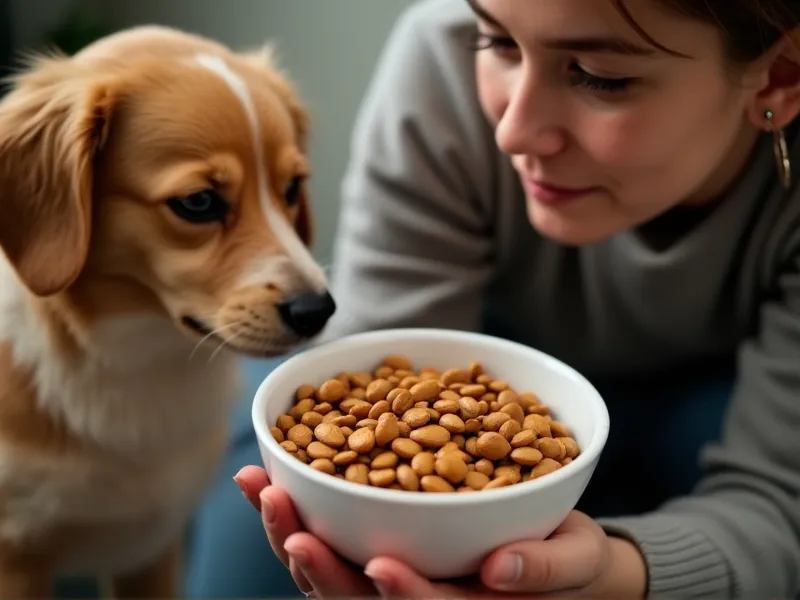
Table of Contents
- Can Dogs Eat Cooked Pumpkin Seeds? The Short Answer
- The Benefits of Cooked Pumpkin Seeds for Dogs
- The Risks: What to Watch Out For
- How Much Cooked Pumpkin Seeds Can Dogs Safely Eat?
- Healthier Alternatives to Pumpkin Seeds
- FAQ: Your Burning Questions Answered
- Conclusion: Enjoy the Season (Safely!)
- References
Can Dogs Eat Cooked Pumpkin Seeds? The Short Answer
Yes, dogs can eat cooked pumpkin seeds—in moderation. When prepared plain (no salt, sugar, or spices), cooked pumpkin seeds are non-toxic and even offer some nutritional perks. They’re a natural source of fiber, healthy fats, and key minerals. However, they’re not a “free snack”—too many can cause stomach upset, and improper preparation (like adding seasonings) can turn them dangerous. Think of them as an occasional treat, not a daily staple.
The Benefits of Cooked Pumpkin Seeds for Dogs
Pumpkin seeds aren’t just a tasty crunch—they’re packed with nutrients that can support your dog’s health. Here’s how they might benefit your pup:
1. Fiber: A Friend to Digestion
Cooked pumpkin seeds are rich in dietary fiber, which helps keep your dog’s gut moving smoothly. Fiber adds bulk to stool, making it helpful for dogs with occasional constipation. It can also support healthy gut bacteria, which plays a role in overall immunity. For dogs prone to loose stools, small amounts of fiber (from seeds) may help firm things up—though too much fiber can have the opposite effect (more on that later!).
2. Minerals: Zinc, Magnesium, and Potassium
Pumpkin seeds are a mineral powerhouse:
- Zinc: Supports skin health (hello, shiny coat!), immune function, and wound healing. Zinc deficiency in dogs can lead to dull fur, skin infections, or slow recovery from injuries.
- Magnesium: Critical for muscle and nerve function, bone health, and energy production. It helps regulate blood pressure and supports a healthy heart rhythm—important for active pups and senior dogs alike.
- Potassium: An electrolyte that aids muscle contraction (including the heart) and balances fluids in the body. It’s especially key for dogs who exercise often or have certain kidney conditions (always check with your vet first!).
3. Healthy Fats: Omega-3 and Omega-6 Fatty Acids
While pumpkin seeds aren’t as high in omega-3s as salmon or flaxseeds, they do contain small amounts of these anti-inflammatory fats. Omega-3s can support joint health, reduce itching in dogs with allergies, and promote brain health (great for senior dogs!). The monounsaturated fats in seeds also help keep coats soft and skin moisturized.
The Risks: Why Moderation Matters
Cooked pumpkin seeds aren’t without risks—especially if fed incorrectly or in excess. Here’s what to watch for:
1. Choking Hazard
Pumpkin seeds are small and hard, even when cooked. For tiny breeds (think Chihuahuas, Yorkies) or dogs who gulp food without chewing, a seed could get stuck in their throat. This is rare, but it’s a good reason to crush seeds into smaller pieces or limit portions for small dogs.
2. Seasonings: The Hidden Danger
Never feed seasoned pumpkin seeds to dogs. Salt, garlic, onion, chili powder, or butter can be toxic. Salt overload leads to sodium ion poisoning, causing vomiting, diarrhea, seizures, or even kidney damage. Garlic and onion (common in “savory” roasted seeds) break down red blood cells in dogs, leading to anemia. Always opt for plain, unsalted, unseasoned seeds cooked in water or air-roasted (no oil).
3. Stomach Upset: Gas, Diarrhea, or Pancreatitis
Too many pumpkin seeds can overwhelm your dog’s digestive system. The high fiber and fat content may cause bloating, gas, or loose stools. In severe cases, a large serving could trigger pancreatitis (inflammation of the pancreas), especially in dogs prone to the condition (like obese dogs or those with a history of pancreatitis). Symptoms of pancreatitis include vomiting, lethargy, and loss of appetite—if you notice these, contact your vet immediately.
4. Sugar: Avoid Sweetened Seeds
Some recipes (like “cinnamon sugar” roasted seeds) add sugar, which is terrible for dogs. Excess sugar leads to obesity, dental decay, and even diabetes. Stick to unsweetened seeds only.
How Much Cooked Pumpkin Seeds Can Dogs Safely Eat?
The golden rule: Treat, not a meal. Pumpkin seeds should make up no more than 10% of your dog’s daily calories (the rest should come from a balanced dog food). Here’s a general guide based on your dog’s size:
| Dog Size | Recommended Portion (Cooked, Plain Seeds) |
|---|---|
| Small (5–20 lbs: Chihuahua, Pomeranian) | 1–2 seeds per day |
| Medium (20–50 lbs: Beagle, Cocker Spaniel) | 3–5 seeds per day |
| Large (50–100 lbs: Labrador, German Shepherd) | 6–8 seeds per day |
| Extra-Large (100+ lbs: Great Dane, Mastiff) | 8–10 seeds per day |
Pro Tip: Start with 1–2 seeds, even for large dogs, to see how your pup tolerates them. If they have a sensitive stomach, skip the seeds entirely. Always crush seeds for small dogs to reduce choking risk!
Healthier Alternatives to Pumpkin Seeds
If you’re hesitant to feed pumpkin seeds, or your dog didn’t love them, there are safer, more nutrient-dense alternatives—many of which are pumpkin-themed (perfect for fall!):
1. Plain Pumpkin Puree
Pumpkin flesh (not the seeds) is a vet favorite for dogs. It’s low in calories, high in fiber, and gentle on tummies. You can serve 1–4 tablespoons (depending on size) mixed into kibble, frozen into popsicles, or as a standalone treat. Opt for unsweetened, canned pumpkin (not pumpkin pie filling, which has sugar and spices).
2. Commercial Pumpkin Dog Treats
Brands like Zuke’s, Blue Buffalo, and Wellness make pumpkin-flavored treats with balanced ingredients. These are tested for safety and portioned perfectly—no guesswork!
3. Sunflower Seeds (In Moderation)
Unsalted, hulled sunflower seeds are another crunchy option. They’re rich in vitamin E (great for skin) and selenium (supports thyroid health). Follow the same portion guidelines as pumpkin seeds (1–2 seeds for small dogs, etc.).
4. Fresh Fruits and Veggies
Carrot sticks, apple slices (no seeds!), or green beans are low-calorie, crunchy snacks that pose little risk. They’re high in fiber and vitamins—plus, most dogs love them!
FAQ: Your Questions Answered
Q: Can puppies eat cooked pumpkin seeds?
A: Puppies have sensitive digestive systems, so it’s best to wait until they’re at least 6 months old (and fully weaned onto adult food). Start with 1 seed (crushed for tiny breeds) and watch for diarrhea or vomiting. If unsure, ask your vet!
Q: Are raw pumpkin seeds safe for dogs?
A: Raw seeds are riskier. They may carry bacteria like Salmonella (which can make dogs sick) and are harder to digest. Cooking kills bacteria and softens the seed, making it easier on your dog’s gut.
Q: My dog ate a handful of seasoned pumpkin seeds—what should I do?
A: If the seeds had salt, garlic, or onion, contact your vet immediately. Symptoms of toxicity (vomiting, diarrhea, lethargy) can appear within hours. For plain seeds, monitor for stomach upset (bloating, loose stools) and skip their next meal to let their gut rest.
Q: Can dogs with diabetes eat pumpkin seeds?
A: Pumpkin seeds are low in sugar, but they’re high in fat. Dogs with diabetes need strict calorie control, so check with your vet first. A single seed is unlikely to harm, but regular feeding isn’t recommended.
Q: Do pumpkin seeds deworm dogs?
A: There’s a myth that pumpkin seeds “naturally deworm” dogs, but there’s no scientific proof. While seeds contain cucurbitacin (a compound that may repel parasites in high doses), feeding enough to “deworm” would cause severe stomach upset. Stick to vet-prescribed dewormers instead!
Conclusion: Enjoy the Season (Safely!)
Cooked pumpkin seeds can be a fun, seasonal treat for dogs—offering fiber, minerals, and a satisfying crunch. But like all treats, they’re best served in moderation, plain, and under supervision. If your dog has health issues (pancreatitis, diabetes, or allergies), or if you’re unsure, always check with your vet first.
This fall, skip the seasoned seeds and opt for plain, cooked ones (or better yet, share some pumpkin puree!). Your dog will thank you for the tasty, safe snack—and you’ll enjoy peace of mind knowing you’re keeping them healthy.
References
- American Kennel Club (AKC). “Can Dogs Eat Pumpkin?” akc.org/expert-advice/nutrition/can-dogs-eat-pumpkin
- PetMD. “Human Foods Dogs Can and Can’t Eat.” petmd.com/dog/nutrition/human-foods-dogs-can-and-cant-eat
- VCA Animal Hospitals. “Pumpkin for Dogs: Benefits and Risks.” vcahospitals.com/know-your-pet/pumpkin-for-dogs-benefits-and-risks
- The Whole Dog Journal. “Pumpkin Seeds: A Healthy Treat for Dogs.” wholedogjournal.com/nutrition/pumpkin-seeds-healthy-treat-dogs