· 8 min read
Can Dogs Eat Cooked Pork Chops? A Pet Parent’s Guide to Safe Treats
Picture this: You’re at the dinner table, fork in hand, about to take a bite of your perfectly seared pork chop. Suddenly, a wet nose nudges your wrist, and those big, soulful puppy eyes lock onto your plate. “Just a tiny piece?” you think. “Surely one bite won’t hurt…” But before you give in, you pause. Is pork safe for dogs? Can cooked pork chops be a occasional treat, or are they off-limits entirely?
As pet parents, we want to share the best with our furry friends, but not all human foods are created equal for dogs. Pork, in particular, is a common protein in many diets—but pork chops come with unique considerations. In this guide, we’ll break down whether cooked pork chops are safe for dogs, their potential benefits, hidden risks, and how to serve them (if at all) responsibly. Let’s dive in!
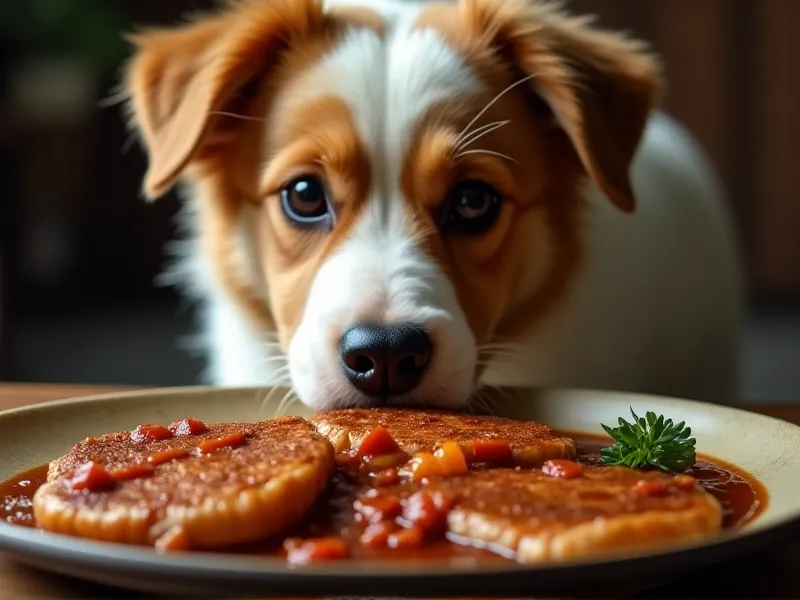
Table of Contents
- Can Dogs Eat Cooked Pork Chops? The Short Answer
- Nutritional Benefits of Cooked Pork for Dogs
- Potential Risks of Feeding Pork Chops to Dogs
- Safe Feeding Guidelines: How Much Pork Chop Can Dogs Eat?
- Healthier Alternatives to Pork Chops for Dogs
- Frequently Asked Questions (FAQ)
- Conclusion: Moderation is Key
- References
Can Dogs Eat Cooked Pork Chops? The Short Answer
Yes, dogs can eat cooked pork chops in small, occasional amounts—but only if prepared properly.
Pork itself is not toxic to dogs, and cooked, lean cuts can offer nutritional benefits. However, pork chops come with caveats: they’re often high in fat, may contain bones, and are frequently seasoned with ingredients that are harmful to dogs (like garlic, onion, or salt). To keep your pup safe, pork chops must be plain, boneless, thoroughly cooked, and served as a rare treat—not a regular part of their diet.
Nutritional Benefits of Cooked Pork for Dogs
When prepared safely, pork can be a nutrient-dense addition to your dog’s treat rotation. Here’s why it might make a (small) splash in their bowl:
1. High-Quality Protein
Pork is rich in complete protein, meaning it contains all the essential amino acids dogs need for muscle growth, repair, and overall bodily function. Protein is especially crucial for active dogs, working breeds, or senior pups maintaining muscle mass. A 3-ounce serving of cooked, lean pork provides about 22 grams of protein—comparable to chicken or beef.
2. Essential Vitamins
Pork is a good source of B vitamins, including:
- Thiamine (B1): Supports brain function and energy metabolism.
- Niacin (B3): Aids in digestion, skin health, and converting food into energy.
- Vitamin B6: Important for immune function and red blood cell production.
These vitamins help keep your dog’s coat shiny, energy levels steady, and organs working optimally.
3. Key Minerals
Pork also delivers minerals like:
- Zinc: Boosts immune health, supports wound healing, and helps maintain a healthy coat and skin.
- Iron: Essential for red blood cell formation and oxygen transport.
- Selenium: An antioxidant that protects cells from damage and supports thyroid function.
- Potassium: Regulates fluid balance, muscle contractions, and heart health (a mineral often overlooked in processed dog foods).
4. Palatability
Let’s be real: Most dogs love pork. Its rich flavor can entice picky eaters or make medication time easier (hide a pill in a tiny pork cube!). Just remember: “palatable” doesn’t mean “unlimited.”
Potential Risks of Feeding Pork Chops to Dogs
While pork has benefits, pork chops are far from a “safe” default treat. Here are the biggest risks to watch for:
1. High Fat Content = Pancreatitis Risk
Pork chops (especially bone-in or rib chops) are marbled with fat, and even lean cuts can have more fat than chicken or turkey. Excess fat is dangerous for dogs because it can trigger pancreatitis—a painful, potentially life-threatening inflammation of the pancreas. Symptoms include vomiting, diarrhea, lethargy, and loss of appetite. Pancreatitis requires immediate veterinary care.
2. Bones: A Choking and Internal Hazard
Cooked pork bones are a major no-no. Unlike raw bones (which have their own risks), cooked bones become brittle and can splinter, leading to:
- Choking or blockages in the throat or intestines.
- Tears in the esophagus, stomach, or intestines (which may require surgery).
Even small bone fragments can cause damage, so always opt for boneless pork chops.
3. Harmful Seasonings and Additives
Most pork chops are seasoned with ingredients toxic to dogs, including:
- Garlic/Onion: These belong to the Allium family and can destroy a dog’s red blood cells, leading to anemia. Even small amounts (like a sprinkle of garlic powder) are risky.
- Salt: Excess salt causes sodium ion poisoning, with symptoms like vomiting, diarrhea, seizures, or even death.
- Sugar/Artificial Sweeteners: Glazed or honey-crusted pork chops add empty calories and can lead to obesity or dental issues. Xylitol, a sugar substitute, is extremely toxic (even tiny amounts cause liver failure).
- Herbs/Spices: Some, like nutmeg or cayenne, can irritate a dog’s stomach or nervous system.
4. Undercooked Pork: Parasite Risk
Raw or undercooked pork may contain Trichinella spiralis, a parasite that causes trichinosis. Symptoms in dogs include muscle pain, fever, and digestive upset. Always cook pork to an internal temperature of 145°F (63°C) to kill parasites.
5. Stomach Upset from Rich Food
Even plain, lean pork can upset sensitive tummies. Dogs’ digestive systems are adapted to balanced, species-appropriate diets, and sudden high-fat or novel foods can lead to diarrhea, vomiting, or gas.
Safe Feeding Guidelines: How Much Pork Chop Can Dogs Eat?
If you want to share a bite of pork chop with your pup, follow these rules to keep them safe:
1. Prepare It Plain and Simple
- No bones: Always remove bones—cooked or raw.
- Trim the fat: Cut off all visible fat (this reduces pancreatitis risk).
- No seasoning: Skip salt, pepper, garlic, onion, or sauces. Plain, unseasoned pork only!
- Cook thoroughly: Ensure the pork reaches 145°F (use a meat thermometer) to kill parasites.
2. Serve in Tiny Portions
Pork chops should be a treat, not a meal. A general rule: treats should make up no more than 10% of your dog’s daily calories. For reference:
- Small dogs (10–20 lbs): 1–2 tiny bites (about 1–2 ounces of cooked, trimmed pork).
- Medium dogs (30–50 lbs): 2–3 ounces.
- Large dogs (60+ lbs): Up to 4 ounces (but still occasional!).
3. Introduce Slowly
If your dog has never had pork, start with a microscopic piece and monitor for 24 hours. Watch for signs of upset (vomiting, diarrhea, itching) before offering more.
4. Avoid Regular Feeding
Pork chops are not a balanced food. Dogs need a diet formulated to meet their specific needs (protein, fats, carbs, vitamins, minerals). Rely on high-quality dog food for 90% of their calories.
Healthier Alternatives to Pork Chops for Dogs
If you want to treat your pup without the risks of pork chops, these options are safer and more nutritionally balanced:
1. Lean Pork Tenderloin
Pork tenderloin is the leanest cut of pork (about 3 grams of fat per 3 ounces) and lower in calories than chops. It’s a better choice if you want to share pork—just prepare it plain, cooked, and boneless.
2. Cooked Chicken or Turkey Breast
Skinless, boneless chicken or turkey is a vet-favorite treat. They’re lean, high in protein, and low in fat. Serve plain, boiled, or baked.
3. Fresh Fish (Salmon, Tuna)
Cooked salmon (no bones!) is rich in omega-3 fatty acids, which support skin, coat, and joint health. Tuna (in water, not oil) is another option, but feed in moderation (high mercury).
4. Veggies: Carrots, Green Beans, or Sweet Potatoes
Crunchy carrots or green beans are low-calorie, high-fiber snacks that clean teeth and aid digestion. Cooked sweet potatoes (plain, no butter/sugar) are packed with vitamins A and C.
5. Commercial Dog Treats
Opt for treats made with high-quality ingredients (no by-products, artificial flavors, or excessive salt). Look for options labeled “low-fat” or “grain-free” if needed.
Frequently Asked Questions (FAQ)
Q: Can dogs eat pork chop bones?
A: No! Cooked pork bones splinter easily and can cause choking, blockages, or internal tears. Raw bones are also risky (bacterial contamination, tooth damage). Avoid all pork bones.
Q: My dog stole a pork chop bone—what should I do?
A: Contact your vet immediately. Even if your dog seems fine, bones can cause hidden damage. Your vet may recommend monitoring for symptoms (vomiting, lethargy, trouble pooping) or bringing them in for an exam.
Q: Is pork safer than chicken for dogs?
A: It depends on the cut. Lean pork (tenderloin) is similar to chicken breast, but pork chops are higher in fat than chicken. Chicken is generally a safer, more common treat due to its lower fat content.
Q: Can puppies eat pork chops?
A: Puppies have sensitive digestive systems, so it’s best to avoid. If you want to share, consult your vet first and offer a tiny piece of plain, cooked, lean pork (no seasoning/fat).
Q: What if my dog eats seasoned pork chops (with garlic/onion)?
A: Call your vet or the ASPCA Animal Poison Control Center (888-426-4435) right away. Garlic and onion are toxic, and symptoms (anemia) can take days to appear.
Conclusion: Moderation is Key
Cooked pork chops can be a safe, tasty treat for dogs—when done right. Plain, boneless, lean, and cooked pork in small amounts can offer protein and nutrients, but the risks (fat, bones, seasoning) mean it should never be a regular part of their diet.
As with any human food, always prioritize your dog’s main diet: a balanced, vet-recommended dog food tailored to their age, size, and health needs. When in doubt, consult your vet before sharing new foods—they know your pup’s unique needs best.
After all, the goal is to keep those tail wags coming—one safe, happy bite at a time!
References
- American Veterinary Medical Association (AVMA). (2023). Pancreatitis in Dogs. avma.org/resources/pet-owners/petcare/pancreatitis-dogs
- ASPCA Animal Poison Control. (2023). Toxic and Non-Toxic Plants: Onion, Garlic, Chives. aspca.org/pet-care/animal-poison-control/toxic-and-non-toxic-plants/onion-garlic-chives
- PetMD. (2023). Can Dogs Eat Pork? petmd.com/dog/nutrition/can-dogs-eat-pork
- USDA FoodData Central. (2023). Pork, fresh, loin, tenderloin, separable lean only, cooked, broiled. fdc.nal.usda.gov/fdc-app.html#/food-details/174476/nutrients