· 7 min read
Can Dogs Eat Cooked Pork Chop Bones? The Surprising Truth Every Pet Parent Needs to Know
Picture this: You’re savoring a juicy pork chop for dinner, and out of the corner of your eye, you spot those big, soulful puppy eyes staring up at you. Your dog’s tail thumps the floor, and they let out a soft whine—“Please, can I have a bite?” You pause, chop bone in hand. It’s a common scenario: we want to share our meals with our furry family members, but is that leftover pork chop bone really safe?
If you’ve ever wondered, “Can dogs eat cooked pork chop bones?” you’re not alone. Many pet parents assume bones are a natural, healthy treat for dogs—after all, wolves eat bones in the wild, right? But the truth is far more nuanced, especially when it comes to cooked bones. In this post, we’ll break down the risks, debunk myths, and share safer alternatives to keep your pup happy and healthy.
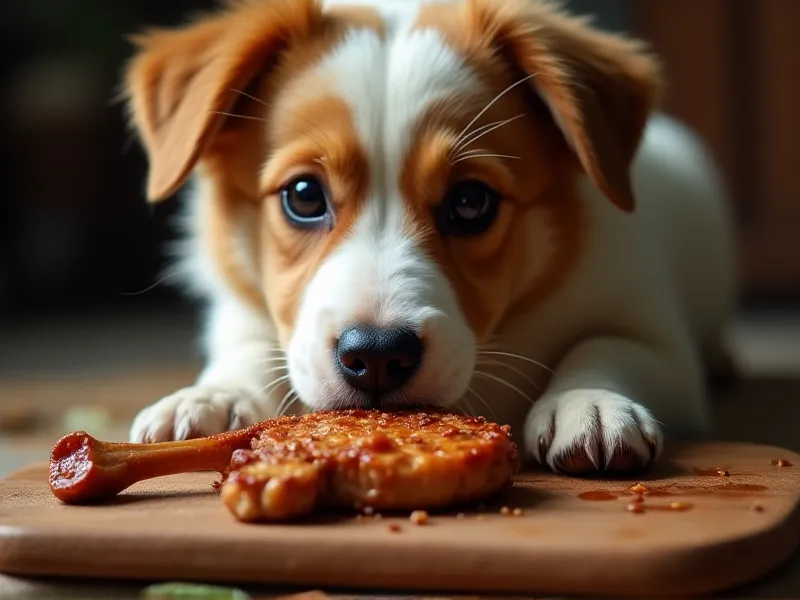
Table of Contents
- Can Dogs Eat Cooked Pork Chop Bones? The Short Answer
- What Are the Perceived “Benefits” of Bones for Dogs?
- The Hidden Dangers: Why Cooked Pork Chop Bones Are Risky
- So, How Much Cooked Pork Chop Bone Is Safe for Dogs?
- Healthier Alternatives to Cooked Pork Chop Bones
- Frequently Asked Questions (FAQ)
- Conclusion: Keeping Your Pup Safe at Mealtime
- References
Can Dogs Eat Cooked Pork Chop Bones? The Short Answer
No, dogs should not eat cooked pork chop bones. While it’s tempting to toss your pup a bone as a “treat,” cooked pork bones (and most cooked bones, for that matter) pose serious health risks. Unlike raw bones, which are softer and more flexible, cooking causes bones to dry out, become brittle, and splinter easily. These sharp fragments can damage your dog’s mouth, throat, or digestive tract, leading to choking, internal bleeding, or blockages—all of which can be life-threatening.
What Are the Perceived “Benefits” of Bones for Dogs?
Before we dive into the risks, let’s address why some pet parents might consider giving their dogs bones. Historically, bones have been linked to:
- Dental health: Chewing bones may help scrape plaque off teeth (though modern dental chews are safer and more effective).
- Mental stimulation: Chewing is a natural behavior for dogs, and bones can keep them occupied.
- Nutrients: Raw bones contain minerals like calcium and phosphorus (but cooked bones lose most of these benefits and become dangerous).
However, these “benefits” are far outweighed by the risks of cooked bones. Let’s explore why cooked pork chop bones, in particular, are a bad idea.
The Hidden Dangers: Why Cooked Pork Chop Bones Are Risky
Choking and Blockages: A Life-Threatening Hazard
Cooked pork chop bones are small, dense, and prone to breaking into irregular pieces. A dog might bite off a chunk that’s too large to swallow, leading to choking. If the bone fragment makes it past the throat, it can get stuck in the esophagus, stomach, or intestines—causing a blockage. Symptoms of a blockage include vomiting, diarrhea, lethargy, loss of appetite, or straining to defecate. Without emergency surgery, blockages can be fatal (ASPCA, 2023).
Splintering: Sharp Edges and Internal Damage
Cooking transforms bones from flexible to brittle. When a dog chews a cooked pork chop bone, it can splinter into sharp, needle-like shards. These fragments can tear the delicate tissues of the mouth, throat, esophagus, stomach, or intestines. Internal bleeding or perforations may require immediate veterinary care, and in severe cases, can lead to sepsis or death (AVMA, 2022).
Fat, Seasonings, and Sugar: Hidden Culprits
Pork chops are often high in fat, and the bones are no exception. Excess fat can trigger pancreatitis in dogs—a painful inflammation of the pancreas that causes vomiting, diarrhea, and abdominal pain. Even worse, many pork chops are seasoned with garlic, onion, salt, or sauces containing sugar. Garlic and onion are toxic to dogs (they damage red blood cells), while salt can lead to dehydration or sodium ion poisoning. Sugar, meanwhile, contributes to obesity and dental decay (PetMD, 2023).
Bacterial Concerns: Even Cooked Pork Isn’t Immune
While cooking kills most bacteria, undercooked pork can harbor Salmonella or E. coli. If your dog eats a bone from an undercooked pork chop, they could develop food poisoning. Symptoms include vomiting, diarrhea, fever, and lethargy. Even fully cooked bones may have residual bacteria on the surface, especially if handled improperly (Cornell University College of Veterinary Medicine, 2021).
So, How Much Cooked Pork Chop Bone Is Safe for Dogs?
None. There is no “safe” amount of cooked pork chop bone for dogs. Even a small fragment can splinter or cause a blockage. If you accidentally drop a bone and your dog snatches it up, don’t panic—but monitor them closely for signs of distress (choking, gagging, vomiting, lethargy) and contact your vet immediately if you notice anything unusual.
Healthier Alternatives to Cooked Pork Chop Bones
If your dog loves to chew, there are plenty of safe, tasty alternatives to cooked pork chop bones:
Raw Bones (With Caution)
Raw bones (like raw chicken necks, beef knuckles, or lamb bones) are softer and less likely to splinter than cooked ones. They can provide dental benefits and mental stimulation. However, raw bones still carry risks:
- Bacterial contamination: Handle raw bones carefully to avoid spreading Salmonella to humans.
- Choking: Always supervise your dog while they chew and choose bones larger than their mouth (to prevent swallowing whole).
- Dental fractures: Avoid weight-bearing bones (like femurs), which are too hard and can crack teeth.
Consult your vet before giving raw bones, especially if your dog has dental issues or a history of pancreatitis (ASPCA, 2023).
Veterinary-Approved Dental Chews
Dental chews (like Greenies or Purina DentaLife) are designed to clean teeth, freshen breath, and satisfy chewing urges—without the risk of splintering. Look for products approved by the Veterinary Oral Health Council (VOHC), which certifies that they reduce plaque and tartar (VOHC, 2023).
Natural Chew Toys and Treats
- Bully sticks: Made from dried bull pizzle, these are high in protein and low in fat.
- Antlers: Deer or elk antlers are long-lasting and rich in minerals (but avoid small pieces that can break off).
- Rubber toys: Kongs or Nylabones are durable and can be stuffed with peanut butter (unsalted, no xylitol) for extra fun.
Fresh, Dog-Safe Fruits and Veggies
For a low-calorie option, try raw carrots, celery, or apple slices (no seeds). These crunchy snacks clean teeth and provide vitamins—plus, most dogs love them!
Frequently Asked Questions (FAQ)
Q: My dog already ate a cooked pork chop bone. What should I do?
A: Stay calm and monitor your dog for 24–48 hours. Watch for symptoms like choking, gagging, vomiting (especially with blood), diarrhea, lethargy, or loss of appetite. If any of these occur, contact your vet immediately. Do NOT induce vomiting unless instructed by a professional (PetMD, 2023).
Q: Can dogs eat raw pork bones?
A: Raw bones are safer than cooked ones, but they still carry risks (bacteria, choking, dental fractures). Consult your vet first, and always supervise your dog while they chew.
Q: Are other cooked bones (like chicken or beef) safe for dogs?
A: No. All cooked bones—including chicken, beef, or turkey—become brittle and splinter easily. Avoid them entirely.
Q: Is pork meat safe for dogs?
A: Yes! Plain, cooked pork (without bones, seasoning, or fat) is a safe, protein-rich treat in moderation. Just avoid processed pork (like bacon or ham) which is high in salt and fat (ASPCA, 2023).
Conclusion: Keeping Your Pup Safe at Mealtime
While it’s natural to want to share the joy of a home-cooked meal with your dog, cooked pork chop bones are simply too risky. From choking and blockages to internal damage, the dangers far outweigh any perceived benefits. Instead, opt for safe alternatives like raw bones (with vet approval), dental chews, or fresh veggies.
Remember, every dog is different—what’s safe for one may not be safe for another. When in doubt, consult your veterinarian. They can provide personalized advice based on your dog’s age, size, and health history.
Your pup’s health and happiness are worth the extra caution. Here’s to many more tail-wagging meals—minus the risky bones!
References
- American Society for the Prevention of Cruelty to Animals (ASPCA). (2023). Bones and Dogs: Risks and Alternatives. https://www.aspca.org/pet-care/dog-care/dog-nutrition-tips/can-dogs-eat-bones
- American Veterinary Medical Association (AVMA). (2022). Pancreatitis in Dogs. https://www.avma.org/resources/pet-owners/petcare/pancreatitis-dogs
- Cornell University College of Veterinary Medicine. (2021). Food Safety for Pets. https://www.vet.cornell.edu/departments-centers-and-institutes/cornell-animal-health-diagnostic-center/health-topics/food-safety-pets
- PetMD. (2023). Can Dogs Eat Pork? https://www.petmd.com/dog/nutrition/can-dogs-eat-pork
- Veterinary Oral Health Council (VOHC). (2023). Approved Products. https://vohc.org/