· 8 min read
Can Dogs Eat Cooked Pork? A Pet Parent’s Guide to Safe & Tasty Treats
It’s a familiar scene: You’re enjoying a Sunday pork roast or a grilled pork tenderloin, and your dog is staring up at you with those irresistible puppy eyes, tail thumping like a metronome. You pause, fork halfway to your mouth, and wonder: Is it okay to share a bite? Can dogs eat cooked pork?
If you’ve ever asked this question, you’re not alone. Pork is a staple in many human diets, so it’s natural to wonder if it’s safe for our furry family members. The good news? Yes, dogs can eat cooked pork—but there’s a catch. Like most human foods, it needs to be prepared the right way to keep your pup healthy and happy.
In this guide, we’ll break down everything you need to know: the benefits of pork for dogs, the risks to watch out for, how much to feed, and even healthier alternatives. Let’s dig in!
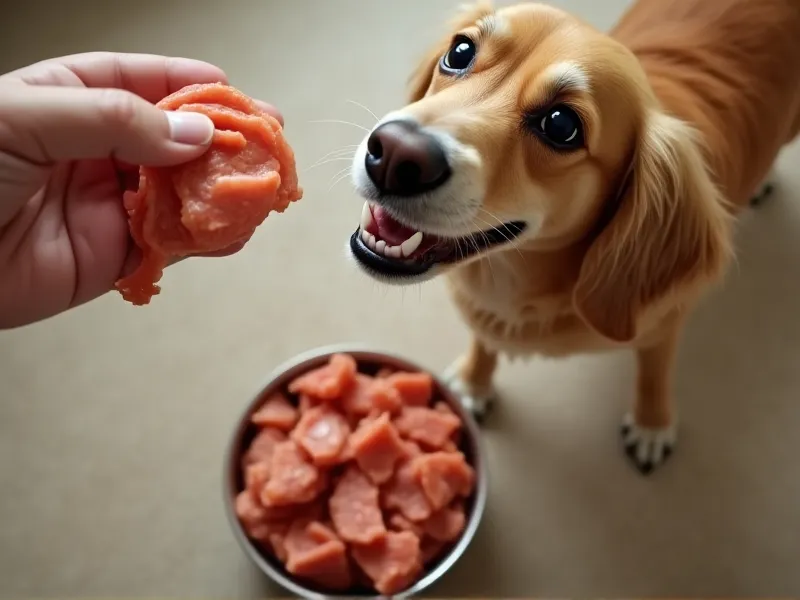
Table of Contents
- Can Dogs Eat Cooked Pork? The Short Answer
- The Benefits of Cooked Pork for Dogs: Nutrients That Count
- The Risks: What Makes Pork Dangerous for Dogs?
- Safe Feeding Guidelines: How Much Pork Can Dogs Eat?
- Healthier Alternatives to Pork for Dogs
- FAQ: Your Pork-for-Dogs Questions Answered
- Conclusion: Enjoy Pork Safely with Your Pup
Can Dogs Eat Cooked Pork? The Short Answer
Let’s cut to the chase: Dogs can safely eat plain, unseasoned, fully cooked pork as an occasional treat. However, there are strict rules to follow to avoid health risks.
Pork itself is not toxic to dogs—in fact, it’s a source of high-quality protein and essential nutrients. The danger lies in how it’s prepared. Raw or undercooked pork can harbor harmful parasites (like Trichinella spiralis, which causes trichinosis). Seasonings, bones, and fatty cuts are also major red flags.
So, if you’re planning to share pork with your dog, stick to lean, boneless, thoroughly cooked pork with no added salt, garlic, onions, or spices. And remember: It should never replace their regular, balanced dog food.
The Benefits of Cooked Pork for Dogs: Nutrients That Count
When prepared correctly, pork can offer some nutritional perks for your dog. Here’s why it might make a healthy (occasional) addition to their diet:
1. High-Quality Protein
Protein is the building block of your dog’s muscles, skin, coat, and immune system. Pork is a complete protein, meaning it contains all the essential amino acids dogs need. A 3-ounce serving of cooked, lean pork provides about 22 grams of protein—similar to chicken or beef.
2. B Vitamins for Energy & Brain Health
Pork is rich in B vitamins, including:
- Thiamine (B1): Supports energy metabolism and nervous system function.
- Vitamin B12: Critical for red blood cell formation and brain health.
- Niacin (B3): Aids in digestion and skin health.
These vitamins help keep your dog active, alert, and feeling their best.
3. Selenium & Zinc for Immune Support
Pork is a good source of selenium, an antioxidant that protects cells from damage and boosts immune function. It also contains zinc, which is essential for healthy skin, a shiny coat, and wound healing.
4. Potassium for Heart & Muscle Function
Potassium is a mineral that helps regulate your dog’s heartbeat, muscle contractions, and fluid balance. Pork provides a moderate amount of potassium, supporting overall cardiovascular health.
5. Leaner Than You Think (When Trimmed)
While some pork cuts are fatty, lean cuts like pork tenderloin or loin chops (with visible fat trimmed) are low in saturated fat. This makes them a good option for dogs watching their weight—just avoid bacon, sausage, or ribs!
The Risks: What Makes Pork Dangerous for Dogs?
Pork isn’t all sunshine and tail wags. There are several risks to be aware of before sharing:
1. Fatty Cuts Can Cause Pancreatitis
Pork belly, ribs, or bacon are high in fat. Feeding your dog fatty pork can trigger pancreatitis—a painful, potentially life-threatening condition where the pancreas becomes inflamed. Symptoms include vomiting, diarrhea, lethargy, and loss of appetite. Even a small amount of fatty pork can be dangerous for dogs prone to pancreatitis (like small breeds or overweight dogs).
2. Seasonings & Additives Are Toxic
Most pork dishes humans eat are seasoned with garlic, onions, salt, pepper, or sauces (like BBQ or soy). These are not dog-friendly:
- Garlic/onions: Contain compounds that damage red blood cells, leading to anemia. Even small amounts can be toxic.
- Salt: Excess sodium causes dehydration, kidney damage, or salt poisoning (symptoms: vomiting, seizures, excessive thirst).
- Spices: Chili powder, paprika, or other spices can irritate your dog’s stomach.
Always serve pork plain—no exceptions.
3. Cooked Bones Are a Choking Hazard
Cooked pork bones (or any cooked bones) are brittle and can splinter. These sharp fragments can lodge in your dog’s throat, puncture their intestines, or cause blockages—all requiring emergency vet care. Raw bones are safer, but even they carry risks, so it’s best to skip pork bones entirely.
4. Undercooked Pork = Parasite Risk
Raw or undercooked pork may contain Trichinella spiralis, a parasite that causes trichinosis. Symptoms include muscle pain, fever, diarrhea, and lethargy. While trichinosis is rare in modern pork (thanks to improved farming practices), it’s still possible. Always cook pork to an internal temperature of 160°F (71°C) to kill parasites.
5. Processed Pork (Bacon, Ham, Sausage) = High Sodium
Bacon, ham, hot dogs, and deli pork are loaded with salt, preservatives, and nitrates. A single slice of bacon has ~400 mg of sodium—more than a small dog’s daily recommended intake (which is around 100-200 mg). Excess sodium leads to high blood pressure, kidney issues, or even sodium ion poisoning.
Safe Feeding Guidelines: How Much Pork Can Dogs Eat?
Pork should be an occasional treat, not a meal replacement. Here’s how to feed it safely:
1. Stick to Small Portions
Treats should make up no more than 10% of your dog’s daily calories. For reference:
- Small dogs (10-20 lbs): 1-2 tablespoons of cooked, lean pork per day.
- Medium dogs (20-50 lbs): 2-4 tablespoons.
- Large dogs (50+ lbs): Up to ¼ cup.
Adjust based on your dog’s activity level and diet—ask your vet if you’re unsure.
2. Prepare It Plain & Cooked
- Trim all visible fat to reduce pancreatitis risk.
- Cook thoroughly (no pink meat!) to kill parasites.
- No seasonings, bones, or sauces—just plain pork.
3. Introduce Slowly
If your dog has never had pork before, start with a tiny piece and monitor for 24 hours. Watch for signs of allergies (itchiness, hives) or stomach upset (vomiting, diarrhea). If they react, skip pork in the future.
4. Avoid Processed Pork
Bacon, ham, sausage, and deli meats are off-limits. Stick to fresh, unprocessed pork only.
Healthier Alternatives to Pork for Dogs
If you’re wary of pork, or your dog has a sensitivity, these protein sources are safer and often more nutrient-dense:
1. Chicken or Turkey (Plain, Cooked)
Skinless chicken or turkey breast is lean, low in fat, and easy to digest. They’re also less likely to cause stomach upset than pork.
2. Salmon (Cooked, No Bones)
Salmon is packed with omega-3 fatty acids, which reduce inflammation and support a shiny coat. Just avoid raw salmon (risk of parasites) and ensure it’s boneless.
3. Lean Beef (Trimmed, Cooked)
Beef is a great source of iron and protein. Opt for lean cuts like sirloin or ground beef (90% lean).
4. Veggie Treats
For low-calorie options, try carrots, green beans, or sweet potatoes. These are high in fiber and vitamins, making them perfect for training treats.
FAQ: Your Pork-for-Dogs Questions Answered
Q: Can dogs eat pork bones?
A: No! Cooked pork bones splinter easily and can choke your dog or damage their digestive tract. Raw bones are slightly safer but still risky—best to avoid.
Q: Can dogs eat ham or bacon?
A: No. Ham and bacon are high in sodium, fat, and preservatives. They can cause pancreatitis, kidney issues, or salt poisoning.
Q: Is pork better than chicken for dogs?
A: Not necessarily. Both are good sources of protein, but chicken is leaner, more affordable, and less likely to cause stomach upset. Pork is a fine occasional treat, but chicken is a safer staple.
Q: What if my dog ate seasoned pork?
A: If it was seasoned with garlic, onions, or lots of salt, contact your vet immediately. Symptoms of toxicity (anemia, salt poisoning) can take 24-72 hours to appear. For mild seasonings (like a little pepper), monitor for vomiting or diarrhea—if it happens, call your vet.
Q: Can puppies eat pork?
A: Puppies can have small amounts of plain, cooked pork as a treat, but their main diet should be puppy-formulated food (which has extra nutrients for growth). Avoid fatty pork, as puppies’ digestive systems are sensitive.
Conclusion: Enjoy Pork Safely with Your Pup
So, can dogs eat cooked pork? Yes—but only plain, unseasoned, fully cooked, lean pork, and in small amounts. It’s a tasty treat that can offer protein and nutrients, but it’s not without risks. Fatty cuts, bones, seasonings, and processed pork are all dangerous for dogs.
As with any new food, moderation is key. And when in doubt, consult your vet—they know your dog’s health history and can help you make the best choice.
Next time you’re enjoying a pork dinner, go ahead and share a tiny, plain bite with your pup (if they’re being extra cute). Just remember: Their regular dog food is still the best way to keep them healthy and happy.
Here’s to many more tail-wagging meals—for both of you!
Sources:
- American Kennel Club (AKC). “Can Dogs Eat Pork?” akc.org
- American College of Veterinary Nutrition (ACVN). “Feeding Your Dog: Commercial vs. Homemade Diets.” acvn.org
- ASPCA. “People Foods to Avoid Feeding Your Pets.” aspca.org
- Centers for Disease Control and Prevention (CDC). “Trichinellosis (Trichinosis).” cdc.gov