· 8 min read
Can Dogs Eat Cooked Pinto Beans? Benefits, Risks & Safe Feeding Guide
It’s a familiar scene: You’re dishing up a warm bowl of chili or a side of seasoned pinto beans, and your dog—ever the opportunist—trots over, nose twitching, tail wagging. Those big, hopeful eyes seem to say, “Share the beans, please?” As pet parents, we love treating our furry friends, but it’s natural to wonder: Are cooked pinto beans safe for dogs?
Pinto beans are a staple in many human diets, lauded for their fiber, protein, and nutrients. But what’s good for us isn’t always good for our pups. In this guide, we’ll break down whether dogs can safely enjoy cooked pinto beans, explore their potential benefits and risks, and share tips for feeding them responsibly. Let’s dive in!
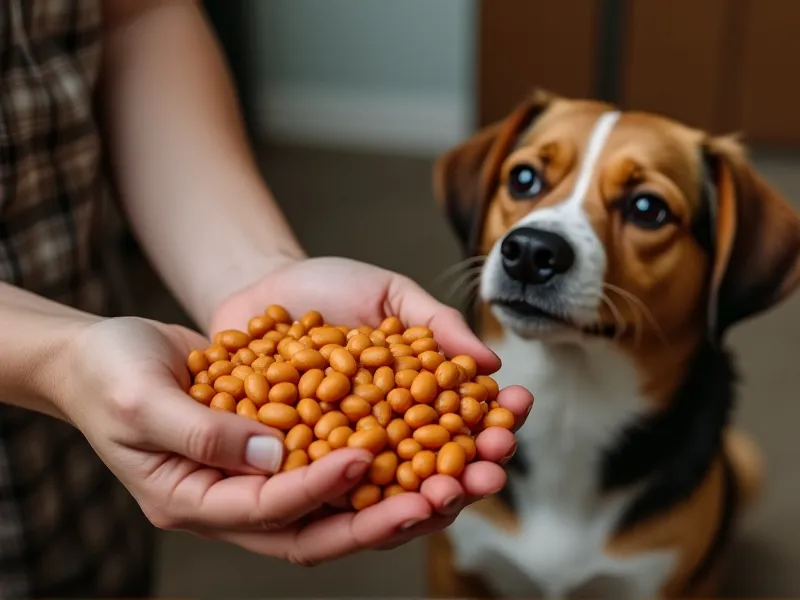
Table of Contents
- Can Dogs Eat Cooked Pinto Beans? The Short Answer
- Nutritional Benefits of Cooked Pinto Beans for Dogs
- Potential Risks of Feeding Pinto Beans to Dogs
- How Much Cooked Pinto Beans Can Dogs Eat? Feeding Guidelines
- Healthier Alternatives to Pinto Beans for Dogs
- FAQ: Common Questions About Dogs and Pinto Beans
- Conclusion: Enjoy Responsibly!
- References
Can Dogs Eat Cooked Pinto Beans? The Short Answer
Yes, dogs can eat cooked pinto beans—but only in moderation and under specific conditions. Plain, thoroughly cooked pinto beans (without added salt, sugar, spices, or toxic ingredients like garlic or onion) can be a safe, nutrient-dense occasional treat for most healthy dogs.
However, they should never replace your dog’s balanced, commercial dog food, which is formulated to meet all their nutritional needs. Raw pinto beans, seasoned beans, or undercooked beans, on the other hand, pose significant risks and should be avoided entirely.
Nutritional Benefits of Cooked Pinto Beans for Dogs
Pinto beans are a nutritional powerhouse for humans, and when prepared correctly, they can offer some benefits to dogs too. Let’s break down the key nutrients and how they support your pup’s health:
1. Fiber: A Boost for Digestion
Cooked pinto beans are rich in dietary fiber (about 8 grams per ½ cup serving), which helps regulate digestion by promoting regular bowel movements. Fiber can also support gut health by feeding beneficial gut bacteria, which is especially helpful for dogs with occasional constipation.
2. Plant-Based Protein: A Supplement (Not a Staple)
Pinto beans contain moderate amounts of plant-based protein (around 7 grams per ½ cup). While dogs are primarily carnivores and need animal-based protein for essential amino acids, small amounts of plant protein can complement their diet—think of it as a “side dish” to their main protein source (like chicken or salmon).
3. Vitamins & Minerals: Supporting Overall Health
Pinto beans are packed with key vitamins and minerals:
- B Vitamins (Thiamine, Folate): Thiamine supports energy metabolism and nerve function, while folate (B9) aids cell repair and growth.
- Vitamin K: Important for blood clotting and bone health.
- Potassium: A mineral that regulates heart rhythm, muscle function, and fluid balance—critical for active dogs.
- Iron: Helps transport oxygen in the blood (though dogs absorb iron from animal sources better than plant sources).
4. Antioxidants: Fighting Free Radicals
Pinto beans contain antioxidants like flavonoids and polyphenols, which help neutralize harmful free radicals in the body. While research on antioxidants in dogs is limited, these compounds may support long-term health and reduce inflammation.
Potential Risks of Feeding Pinto Beans to Dogs
While cooked pinto beans can offer benefits, they also come with potential risks—especially if prepared incorrectly or overfed. Here’s what to watch out for:
1. Lectins and Phytic Acid: The Dangers of Undercooked Beans
Raw or undercooked pinto beans contain lectins—proteins that can irritate a dog’s digestive tract, leading to nausea, vomiting, or diarrhea. They also contain phytic acid, which binds to minerals like iron and zinc, reducing their absorption.
Good news: Cooking pinto beans thoroughly (boiling for at least 10–15 minutes, or using a slow cooker) breaks down lectins and phytic acid, making them safer to eat.
2. Added Ingredients: Salt, Sugar, and Toxic Spices
The biggest risk with pinto beans isn’t the beans themselves—it’s what humans add to them. Many recipes include:
- Salt: Excess sodium can cause dehydration, electrolyte imbalances, or even sodium ion poisoning in dogs.
- Sugar: Contributes empty calories and can lead to obesity or dental issues.
- Toxic spices: Garlic, onion, chili powder, or paprika are all toxic to dogs (garlic and onion damage red blood cells, leading to anemia).
Rule of thumb: Only feed your dog plain cooked pinto beans—no seasonings, sauces, or additives.
3. Gas and Bloating: An Uncomfortable Side Effect
Beans are famous for causing gas in humans, and dogs are no exception. The fiber and complex carbohydrates in pinto beans can ferment in the gut, leading to bloating, flatulence, or stomach cramps—especially if your dog isn’t used to high-fiber foods.
4. Choking Hazard for Small or Senior Dogs
Whole pinto beans (even cooked) can pose a choking risk for small breeds, puppies, or senior dogs with dental issues. To reduce this risk, mash or puree the beans before feeding.
5. High Calories: A Recipe for Weight Gain
Pinto beans are calorie-dense (about 120 calories per ½ cup). Feeding too many can lead to weight gain, especially for less active dogs or those prone to obesity.
How Much Cooked Pinto Beans Can Dogs Eat? Feeding Guidelines
If you want to share pinto beans with your dog, follow these guidelines to keep them safe and healthy:
1. Cook Them Thoroughly (and Plain!)
- Cook until soft: Boil or pressure-cook the beans without salt, sugar, or spices. Avoid canned beans (they’re often high in sodium) unless you rinse them extremely well to remove excess salt.
- No additives: Skip the butter, cheese, bacon, or chili seasoning—these can be toxic or unhealthy.
2. Serve Size Depends on Your Dog’s Weight
Pinto beans should be an occasional treat, not a regular part of their diet. Here’s a general serving guide based on weight:
- Small dogs (under 20 lbs): 1–2 tablespoons per week
- Medium dogs (20–50 lbs): 2–3 tablespoons per week
- Large dogs (50+ lbs): 3–4 tablespoons per week
Example: A 10-pound Chihuahua gets 1 tbsp; a 60-pound Labrador gets 3–4 tbsp—about the size of a small ice cream scoop.
3. Introduce Slowly to Avoid Stomach Upset
Start with a tiny amount (1 tsp for small dogs, 1 tbsp for large dogs) and monitor your dog for 24 hours. If they show no signs of gas, diarrhea, or vomiting, you can gradually increase the serving size (still within the guidelines above).
4. Never Replace Balanced Dog Food
Pinto beans lack essential nutrients dogs need, like taurine (found in meat) and certain amino acids. They should never replace your dog’s high-quality, vet-approved dog food, which is formulated to meet all their nutritional needs.
Healthier Alternatives to Pinto Beans for Dogs
If you’re looking for nutrient-dense treats with fewer risks, these alternatives are often easier to digest and safer for dogs:
1. Green Beans
Why they’re great: Low in calories (only 31 calories per ½ cup), high in fiber, and crunchy—perfect for dogs on a diet. They’re also a natural teeth cleaner!
2. Carrots
Why they’re great: Rich in vitamin A (supports eye health) and low in calories. Raw carrots make a satisfying crunch, while cooked carrots are gentle on sensitive tummies.
3. Pumpkin (Plain, Canned)
Why they’re great: High in fiber and beta-carotene, pumpkin is a go-to for dogs with digestive issues (it soothes upset stomachs and relieves constipation). Just avoid pumpkin pie filling (it has sugar and spices).
4. Sweet Potatoes
Why they’re great: Packed with fiber, vitamins A and C, and potassium. Bake or boil them plain for a chewy, nutrient-dense treat.
5. Lentils
Why they’re great: Like pinto beans, but smaller and easier to digest. Cooked lentils (plain) offer protein, fiber, and iron—just serve in small amounts (same guidelines as pinto beans).
FAQ: Common Questions About Dogs and Pinto Beans
Q: Can dogs eat raw pinto beans?
A: No! Raw pinto beans contain lectins, which are toxic to dogs and can cause severe vomiting, diarrhea, or even organ damage. Always cook beans thoroughly.
Q: My dog ate seasoned pinto beans (with garlic/onion). What should I do?
A: Garlic and onion are toxic to dogs, even in small amounts. Watch for symptoms like weakness, vomiting, diarrhea, or pale gums (signs of anemia). If your dog ate more than a tiny bite, contact your vet immediately.
Q: Are pinto beans safe for dogs with diabetes?
A: Pinto beans are high in carbs, which can spike blood sugar. If your dog has diabetes, ask your vet before feeding beans—they may recommend low-carb alternatives like green beans instead.
Q: Can puppies eat pinto beans?
A: Puppies have sensitive digestive systems, so wait until they’re at least 6 months old. Start with a tiny amount (1 tsp for small breeds) and consult your vet first to avoid stomach upset.
Q: My dog loves pinto beans—can I feed them every day?
A: No. Daily feeding increases the risk of gas, bloating, or weight gain. Stick to the weekly serving guidelines above.
Conclusion: Enjoy Responsibly!
Cooked pinto beans can be a safe, healthy treat for dogs when prepared plain, cooked thoroughly, and served in moderation. They offer fiber, vitamins, and minerals that support digestion and overall health—but they’re no substitute for a balanced dog food diet.
Remember: Every dog is different! If your pup has a sensitive stomach, food allergies, or health conditions (like diabetes or kidney disease), always check with your vet before sharing new foods. And when in doubt, opt for safer alternatives like green beans or pumpkin.
At the end of the day, sharing a tiny spoonful of plain, cooked pinto beans with your dog can be a sweet way to bond—just keep it occasional, and always prioritize their health and happiness.
References
- American Society for the Prevention of Cruelty to Animals (ASPCA). Toxic and Non-Toxic Plants & Foods. aspca.org/pet-care/animal-poison-control
- American Kennel Club (AKC). Can Dogs Eat Beans? What You Need to Know. akc.org/expert-advice/nutrition/can-dogs-eat-beans
- VCA Hospitals. Feeding Your Dog: Commercial Dog Food Basics. vcahospitals.com/know-your-pet/nutrition-feeding-commercial-dog-foods
- PetMD. Human Foods Dogs Can and Can’t Eat. petmd.com/dog/nutrition/human-foods-dogs-can-and-cant-eat