· 7 min read
Can Dogs Eat Cooked Peppers? A Pet Parent’s Guide to Safe & Healthy Treats
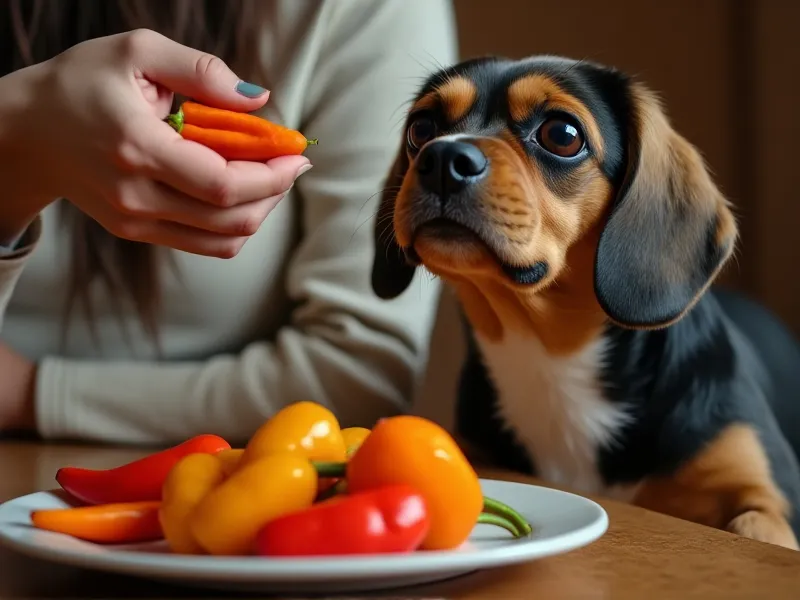
Hook: That “Puppy Eyes” Moment Over Dinner
Picture this: You’re sautéing a pan of colorful bell peppers for your stir-fry, their sweet, earthy aroma filling the kitchen. Suddenly, a wet nose nudges your hand, and you glance down to find your dog gazing up at you with those iconic, soulful eyes. “Just a tiny bite?” they seem to say. But before you cave, you pause: Can dogs eat cooked peppers? Is that harmless veggie snack actually safe for your pup, or could it spell trouble?
If you’ve ever wondered whether to share your cooked peppers with your furry friend, you’re not alone. Peppers are a staple in human diets, packed with vitamins and crunch—but dogs have different digestive systems and nutritional needs. In this guide, we’ll break down everything you need to know: Are cooked peppers safe? What are the benefits? What risks should you watch for? And how to serve them (if at all) to keep your pup happy and healthy.
Table of Contents
- Can Dogs Eat Cooked Peppers? The Short Answer
- The Benefits of Cooked Peppers for Dogs
- Vitamins A & C: Boosting Immunity and Eye Health
- Fiber: Supporting Digestive Health
- Potassium: Keeping Muscles and Hearts Strong
- The Risks: What to Watch Out For
- Sugar Content: Too Much of a Good Thing?
- Stomach Upset: Fiber Overload and Gas
- Choking Hazards: Seeds, Stems, and Chunks
- Spicy Peppers: A Big No-No (Thanks to Capsaicin)
- Safe Serving Guidelines: How Much (and How) to Feed
- Healthier Alternatives to Peppers
- FAQ: Your Most Pressing Questions Answered
- Conclusion: Moderation is Key
1. Can Dogs Eat Cooked Peppers? The Short Answer
Yes, cooked peppers are generally safe for dogs—but with big caveats. The key here is type and preparation.
- Bell peppers (red, yellow, green, orange) are the safest choice. They’re non-toxic, low in calories, and packed with nutrients. When cooked (without added oils, salt, or seasonings), they’re easy for dogs to digest.
- Spicy peppers (chili peppers, jalapeños, habaneros, etc.) are toxic to dogs. They contain capsaicin, a compound that irritates a dog’s digestive tract, leading to pain, vomiting, diarrhea, or worse.
So, if you’re thinking of sharing your stir-fry’s bell peppers, you’re probably in the clear. But skip the spicy stuff entirely.
2. The Benefits of Cooked Peppers for Dogs
Bell peppers aren’t just safe—they can be a nutrient-dense addition to your dog’s occasional treat rotation. Here’s how they might benefit your pup:
Vitamin A: For Sharp Eyes and Healthy Skin
Bell peppers are rich in beta-carotene, which converts to vitamin A in the body. Vitamin A is crucial for:
- Eye health: Supports night vision and prevents age-related eye issues.
- Skin and coat: Keeps fur shiny and skin moisturized, reducing dryness or flakiness.
- Immune function: Helps fight off infections by supporting cell growth and repair.
Vitamin C: A Natural Immune Booster
While dogs produce some vitamin C on their own, extra from peppers can give their immune system a lift. Vitamin C acts as an antioxidant, protecting cells from damage and reducing inflammation. This is especially helpful for senior dogs or those recovering from illness.
Fiber: Happy Tummies and Regular Digestion
Peppers are a good source of dietary fiber, which:
- Promotes healthy bowel movements (bye-bye, constipation!).
- Supports gut health by feeding beneficial gut bacteria.
- Helps your dog feel full, which can aid in weight management (great for pups prone to begging!).
Potassium: Strong Muscles and a Healthy Heart
Potassium is an electrolyte that regulates fluid balance, muscle contractions, and heart rhythm. A small amount from peppers can support your dog’s energy levels and cardiovascular health—important for active pups!
3. The Risks: What to Watch Out For
While bell peppers offer benefits, they’re not without risks—especially if fed incorrectly or in excess. Here’s what to avoid:
Sugar Content: Natural Sugars Add Up
Bell peppers contain natural sugars (red peppers are the sweetest, with ~3.5g per cup; green are slightly less, ~2.5g). While this isn’t harmful in small doses, overfeeding can lead to:
- Weight gain or obesity (extra calories add up!).
- Blood sugar spikes, which are risky for dogs with diabetes.
- Dental issues (sugar feeds plaque-causing bacteria).
Stomach Upset: Too Much Fiber = Tummy Trouble
Fiber is great—until it’s not. Dogs have sensitive digestive systems, and a sudden influx of fiber from peppers can cause:
- Gas, bloating, or diarrhea.
- Nausea or vomiting (especially in dogs with sensitive stomachs).
Stick to small portions to avoid overwhelming their tummies.
Choking Hazards: Seeds, Stems, and Chunks
Whole or large pieces of pepper (raw or cooked) pose a choking risk, especially for small dogs. Seeds and stems are also problematic:
- Seeds: While not toxic, they’re hard to digest and can cause intestinal blockages if swallowed in large quantities.
- Stems: Tough and fibrous, stems can get stuck in your dog’s throat or gut.
Spicy Peppers: Toxic and Painful
We can’t stress this enough: spicy peppers are dangerous for dogs. Capsaicin (the compound that makes peppers hot) doesn’t just taste spicy to dogs—it burns. Symptoms of capsaicin exposure include:
- Drooling, pawing at the mouth, or rubbing their face on the floor (signs of oral irritation).
- Vomiting, diarrhea, or abdominal pain.
- In severe cases, tremors or difficulty breathing.
If your dog eats a spicy pepper, contact your vet immediately.
4. Safe Serving Guidelines: How Much (and How) to Feed
If you want to share cooked bell peppers with your dog, follow these rules to keep them safe:
Portion Size: Tiny Treats Only
Peppers should be an occasional treat, not part of your dog’s daily diet. A good rule of thumb:
- Small dogs (10–20 lbs): 1–2 thin slices (about 1–2 tbsp chopped).
- Medium dogs (20–50 lbs): 2–3 slices (3–4 tbsp chopped).
- Large dogs (50+ lbs): 3–4 slices (½ cup chopped).
Stick to 10% or less of their daily calorie intake—treats shouldn’t replace balanced dog food.
Preparation: Cooked, Plain, and Seedless
- Cook them: Raw peppers are safe, but cooked peppers are easier to digest (especially for dogs with sensitive stomachs). Steam, boil, or roast them—no oil, salt, garlic, onion, or seasonings (these are toxic or harmful to dogs!).
- Remove seeds and stems: Slice the pepper, scoop out the seeds and white membrane, then discard the stem.
- Chop into small pieces: Dice peppers into bite-sized chunks to prevent choking.
Frequency: Occasional, Not Daily
Feed peppers once or twice a week at most. Too often, and you risk digestive upset or weight gain.
5. Healthier Alternatives to Peppers
If you’re looking for low-sugar, high-nutrient treats, these veggies are even safer than peppers:
Carrots
- Why: Crunchy, low in sugar (~2.8g per cup), and packed with vitamin A (great for eyes!).
- Bonus: Chewing raw carrots helps clean teeth!
Green Beans
- Why: High in fiber, low in calories, and full of vitamins C and K. A favorite for weight management.
Cucumber
- Why: 96% water (hydrating!), low in calories, and gentle on tummies. Perfect for hot days.
Apples
- Why: Rich in fiber and vitamin C. Remove seeds (they contain trace cyanide) and core first!
6. FAQ: Your Most Pressing Questions Answered
Q: Can dogs eat red, yellow, or green bell peppers?
A: All are safe! Red peppers are the sweetest (more natural sugar), green are slightly bitter (less sugar). Choose based on your dog’s taste—some prefer sweeter reds, others crunchier greens.
Q: Is it better to feed raw or cooked peppers?
A: Cooked is easier to digest, especially for puppies, seniors, or dogs with sensitive stomachs. Raw is okay too, but chop into tiny pieces to avoid choking.
Q: What if my dog ate a spicy pepper (e.g., jalapeño)?
A: Call your vet ASAP. Symptoms like drooling, vomiting, or diarrhea can start within 15–30 minutes. Your vet may recommend rinsing their mouth or providing medication to soothe irritation.
Q: Can puppies eat cooked peppers?
A: Yes, but start with a tiny piece (e.g., ¼ slice for a small puppy). Puppies have delicate tummies—introduce new foods slowly to avoid upset.
Q: Are bell pepper seeds toxic?
A: No, but they’re a choking hazard and hard to digest. Always remove them!
7. Conclusion: Moderation is Key
Cooked bell peppers can be a colorful, nutrient-rich treat for your dog—when served safely. Stick to plain, seedless, chopped bell peppers in small amounts, avoid spicy varieties, and always prioritize their regular, balanced dog food.
Every dog is different, so watch for signs of upset (gas, diarrhea) after their first taste. And when in doubt, consult your vet—especially if your dog has health issues like diabetes or digestive sensitivities.
With a little caution, you and your pup can enjoy those “please share” moments without worry. Here’s to happy, healthy snacking!
References
- American Society for the Prevention of Cruelty to Animals (ASPCA). Toxic and Non-Toxic Plants. aspca.org/pet-care/animal-poison-control/dogs-plant-list
- American Kennel Club (AKC). Human Foods Dogs Can and Can’t Eat. akc.org/expert-advice/nutrition/human-foods-dogs-can-eat
- PetMD. Vitamins for Dogs: Do They Need Them? petmd.com/dog/nutrition/vitamins-dogs-need
- Veterinary Centers of America (VCA). Gastroenteritis in Dogs. vcahospitals.com/know-your-pet/gastroenteritis-in-dogs