· 8 min read
Can Dogs Eat Cooked Peas? Benefits, Risks & Safe Feeding Guidelines
It’s a familiar scene: You’re enjoying a cozy dinner, fork loaded with buttery mashed potatoes and a side of bright green cooked peas, when you feel a wet nose nudge your hand. Your dog, ever the culinary enthusiast, is staring up at you with those “please share” eyes. Before you toss them a pea (or three), you pause: Are cooked peas safe for dogs?
As pet parents, we want to spoil our furry friends with tasty treats, but their health always comes first. Peas are a staple in many human meals—they’re affordable, versatile, and packed with nutrients. But can our dogs join in on the pea party? Let’s dive into the facts, from nutritional benefits to potential risks, and learn how to safely share this veggie with your pup.
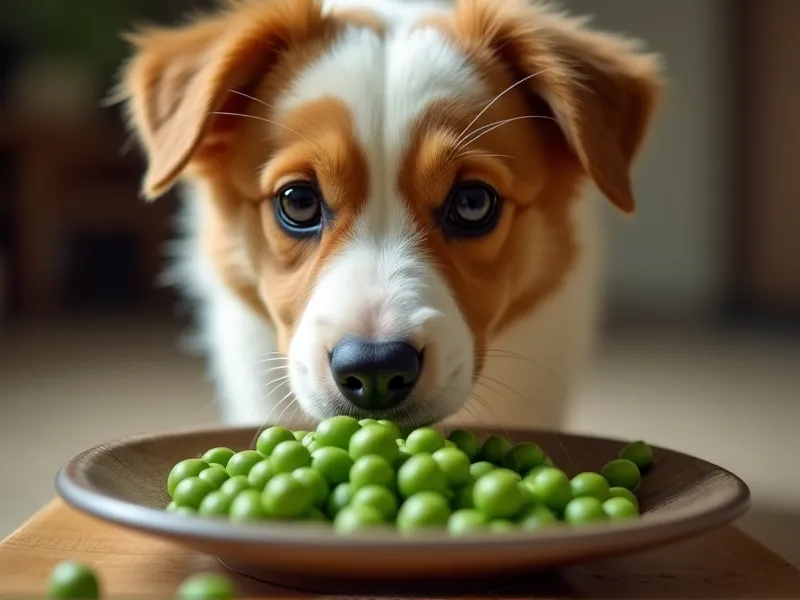
Table of Contents
- Can Dogs Eat Cooked Peas? The Short Answer
- Nutritional Benefits of Cooked Peas for Dogs
- Potential Risks to Watch Out For
- How Much Cooked Peas Can Dogs Safely Eat?
- Healthier Alternatives to Peas (If Needed)
- FAQ: Your Questions Answered
- Conclusion: Peas as a Treat, Not a Staple
- References
Can Dogs Eat Cooked Peas? The Short Answer
Yes, most dogs can safely enjoy cooked peas as an occasional treat. When prepared plain (no salt, butter, or seasonings) and served in moderation, cooked peas offer a nutrient boost without harmful additives. They’re low in calories, high in fiber, and rich in vitamins—making them a better choice than many processed dog treats.
That said, “safe” doesn’t mean “unlimited.” Peas should never replace your dog’s balanced, species-appropriate dog food, and some dogs (like those with diabetes or kidney issues) may need to avoid them altogether. Let’s break down the details.
Nutritional Benefits of Cooked Peas for Dogs
Peas are more than just a colorful side dish—they’re a nutritional powerhouse for dogs, too. Here’s why this tiny veggie deserves a spot in your pup’s treat rotation (in moderation, of course):
1. Fiber for Digestive Health
Cooked peas are loaded with dietary fiber (about 2.5 grams per ½ cup), which helps keep your dog’s digestive system running smoothly. Fiber adds bulk to stool, preventing constipation, and feeds beneficial gut bacteria, supporting overall gut health. For dogs prone to occasional diarrhea, small amounts of fiber can also help firm up stool (though too much fiber can have the opposite effect—more on that later).
2. Vitamins A, K, and C
- Vitamin A: Essential for healthy vision, skin, and coat. It also supports immune function, helping your dog fight off infections.
- Vitamin K: Critical for blood clotting (so minor cuts heal properly) and bone health, as it helps the body absorb calcium.
- Vitamin C: An antioxidant that protects cells from damage, boosts immunity, and may reduce inflammation. While dogs produce their own vitamin C, extra from food can be beneficial, especially for senior dogs or those under stress.
3. Potassium for Heart and Muscle Health
Potassium is an electrolyte that regulates heart rhythm, muscle function, and fluid balance. A ½ cup of cooked peas contains about 200 mg of potassium—helping keep your dog’s heart strong and muscles working properly.
4. Plant-Based Protein
Peas are a source of plant protein (about 4 grams per ½ cup), which can complement the animal-based protein in your dog’s diet. While dogs are primarily carnivores, they can digest and use plant protein, making peas a good option for adding variety (though they shouldn’t replace meat-based protein).
5. Antioxidants to Fight Disease
Peas contain antioxidants like lutein and zeaxanthin, which support eye health, and flavonoids, which have anti-inflammatory properties. These compounds may help reduce the risk of chronic diseases and slow aging.
Potential Risks to Watch Out For
While cooked peas are generally safe, they’re not without risks—especially if overfed or given to dogs with specific health conditions. Here’s what to watch for:
1. Natural Sugar: A Concern for Diabetic Dogs
Peas contain natural sugars (about 4 grams per ½ cup). For most dogs, this is negligible, but for dogs with diabetes or insulin resistance, even small amounts of sugar can spike blood glucose levels. If your dog has diabetes, talk to your vet before offering peas.
2. Stomach Upset: Gas, Bloating, or Diarrhea
Like many high-fiber foods, peas can cause digestive upset if overfed. Dogs unaccustomed to fiber may experience gas, bloating, or loose stools. Start with a tiny portion (1–2 peas) and monitor your dog for 24 hours before offering more.
3. Choking Hazard for Small Dogs
Whole cooked peas are small, but they’re round and can pose a choking risk for tiny breeds (like Chihuahuas or Yorkies) or dogs who gulp their food. To reduce this risk, mash the peas slightly or cut them in half before serving.
4. “Filler” in Commercial Dog Food
Many commercial dog foods use peas as a cheap filler to boost protein content. If your dog’s regular food already lists peas (or pea protein, pea flour) as a top ingredient, adding more peas as treats could lead to overconsumption. Check your dog’s food label—if peas are a primary ingredient, limit treats to avoid nutrient imbalances.
5. Kidney Concerns (High Potassium)
Dogs with advanced kidney disease often need to limit potassium, as their kidneys can’t filter it efficiently. Since peas are high in potassium, they may not be safe for dogs with kidney issues. Always consult your vet if your dog has kidney disease.
How Much Cooked Peas Can Dogs Safely Eat?
The golden rule for feeding human food to dogs: treats (including peas) should make up no more than 10% of your dog’s daily calories. For most dogs, this translates to a small, occasional portion. Here’s a general guide based on weight:
| Dog Size | Recommended Portion (Cooked Peas) | Frequency |
|---|---|---|
| Small (5–20 lbs) | 1–2 tablespoons | 2–3 times/week |
| Medium (20–50 lbs) | 2–3 tablespoons | 2–3 times/week |
| Large (50+ lbs) | 3–4 tablespoons | 2–3 times/week |
Example: A 30-pound medium dog eats about 700 calories daily. 10% of that is 70 calories—roughly 3 tablespoons of cooked peas (which have ~60 calories per ½ cup).
Pro tip: Always adjust based on your dog’s activity level, age, and health. Senior dogs or less active pups may need smaller portions to avoid weight gain.
Healthier Alternatives to Peas (If Needed)
If your dog can’t eat peas (e.g., due to diabetes, kidney issues, or a sensitive stomach), or if you just want to mix up their treats, these veggies are even safer and more nutrient-dense:
1. Green Beans
Green beans are lower in sugar (1 gram per ½ cup) and higher in fiber than peas, making them ideal for diabetic dogs or weight management. They’re also crunchy, which helps clean teeth! Serve cooked or raw (chopped for small dogs).
2. Carrots
Crunchy, sweet, and packed with beta-carotene (which converts to vitamin A), carrots are a favorite among dogs. They’re low in calories (25 per ½ cup) and great for dental health. Cooked or raw (shredded for small pups) works.
3. Pumpkin (Plain, Canned)
Plain, unsweetened pumpkin is a digestive superfood. It’s rich in fiber and beta-carotene, and many vets recommend it for dogs with diarrhea or constipation. Start with 1–2 teaspoons (small dogs) to ¼ cup (large dogs) per day.
4. Blueberries
For a sweet, antioxidant-rich treat, try blueberries. They’re low in calories, high in vitamin C, and safe for most dogs. Plus, they’re the perfect size for training rewards!
5. Broccoli (Steamed)
Steamed broccoli florets (no stems, which can be a choking hazard) are high in fiber, vitamin C, and folate. Serve in small amounts (too much can cause gas).
FAQ: Your Questions Answered
Q: Can dogs eat raw peas?
A: It’s better to avoid raw peas. Raw peas are hard to digest and may cause stomach upset (gas, bloating) or intestinal blockages in some dogs, especially small breeds. Cooking softens the peas, making them easier to digest and safer.
Q: What about frozen peas? Can dogs eat those?
A: Frozen peas are safe if cooked first. Thawing them isn’t enough—cooking ensures they’re soft and digestible. Avoid feeding frozen peas straight from the bag, as they’re hard and could damage teeth or cause choking.
Q: Are there any dogs who should never eat peas?
A: Yes. Dogs with diabetes (due to sugar), kidney disease (due to potassium), or a history of bladder stones (peas contain oxalates, which can contribute to stone formation in susceptible dogs) should avoid peas. Always check with your vet first.
Q: Can peas cause allergies in dogs?
A: Pea allergies are rare, but not impossible. Signs of an allergic reaction include itching, red skin, ear infections, or digestive upset. If you notice these after feeding peas, stop and consult your vet.
Q: My dog ate a whole bowl of peas—should I worry?
A: Probably not, but monitor for stomach upset (gas, diarrhea) for 24 hours. Offer plenty of water and avoid other treats. If symptoms persist or your dog seems lethargic, contact your vet.
Conclusion: Peas as a Treat, Not a Staple
Cooked peas can be a healthy, tasty addition to your dog’s treat rotation—when served in moderation. They’re packed with fiber, vitamins, and antioxidants, and most dogs love their sweet, mild flavor. Just remember:
- Portion control is key: Treats = 10% of daily calories max.
- Cook them: Raw peas are hard to digest and risky for small dogs.
- Check with your vet: If your dog has diabetes, kidney issues, or other health conditions, peas may not be safe.
At the end of the day, the best treat for your dog is your love—but a few cooked peas now and then? That’s just the cherry on top (or the pea in the pot).
Happy treating, and here’s to many more tail wags at dinner time!
References
- American Kennel Club (AKC). “Can Dogs Eat Peas?” akc.org
- ASPCA. “People Foods to Avoid Feeding Your Pets.” aspca.org
- PetMD. “Peas for Dogs: Are They Safe?” petmd.com
- Veterinary Nutritionist Dr. Jennifer Coates. “Vegetables for Dogs: Which Are Safe?” vetstreet.com