· 9 min read
Can Dogs Eat Cooked Oysters? A Pet Parent’s Guide to Seafood Safety
It’s a crisp autumn evening, and you’re gathered around the dinner table with friends, sharing a platter of grilled oysters drizzled with lemon and herbs. Across the room, your dog sits patiently, tail thumping against the floor, their big eyes locked on your plate. You can almost hear their silent plea: “Can I have a bite?”
Oysters are a beloved delicacy for humans, prized for their briny flavor and nutrient density. But when it comes to our furry companions, the question arises: Are cooked oysters safe for dogs? As pet parents, we want to share life’s little joys with our pups, but their health and safety always come first.
In this guide, we’ll dive into the facts: the nutritional benefits oysters might offer, the potential risks to watch for, and how to safely (if at all) incorporate them into your dog’s diet. Let’s separate myth from science and help you make the best choice for your four-legged friend.
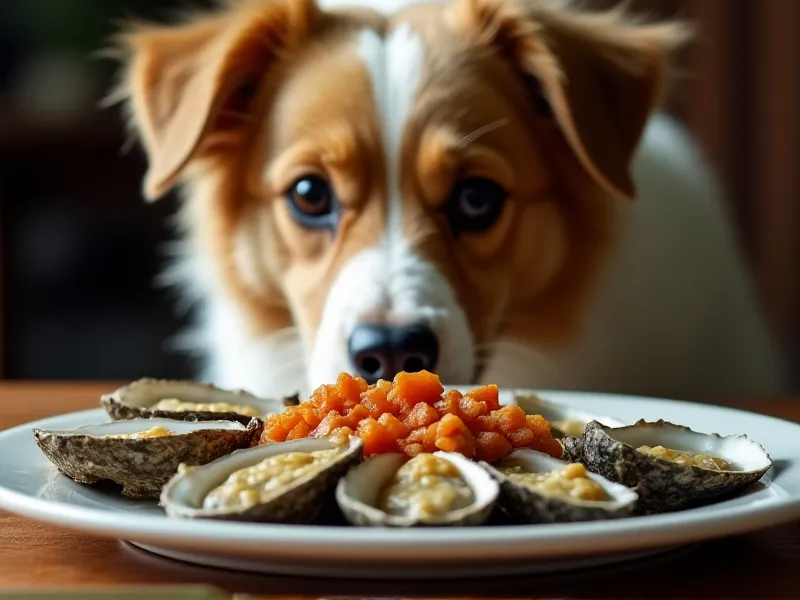
Table of Contents
- Can Dogs Eat Cooked Oysters? The Short Answer
- The Nutritional Benefits of Cooked Oysters for Dogs
- Potential Risks: Why Oysters Might Not Be Ideal for Every Dog
- Safe Feeding Guidelines: How to Offer Oysters (If You Choose To)
- Healthier Alternatives to Oysters for Dogs
- Frequently Asked Questions (FAQ)
- Conclusion: Moderation and Veterinary Guidance Are Key
- References
Can Dogs Eat Cooked Oysters? The Short Answer
Yes, dogs can eat small amounts of plain, cooked oysters—but with caution. Oysters are not toxic to dogs, and in moderation, they can offer some nutritional benefits. However, they come with potential risks, including choking hazards, bacterial contamination, and digestive upset, especially if not prepared properly.
The key here is “plain, cooked, and in small portions.” Oysters cooked with garlic, butter, salt, or other seasonings are a big no-no, as these ingredients can harm dogs. Additionally, the shells pose a serious choking or intestinal blockage risk, so they must be completely removed before feeding.
If your dog has underlying health issues (like kidney disease, pancreatitis, or allergies), or if they’re a puppy or senior, it’s best to skip oysters altogether and consult your vet first.
The Nutritional Benefits of Cooked Oysters for Dogs
Oysters are often called “nature’s multivitamin” for humans, and they pack a similar nutrient punch for dogs—when fed safely. Let’s break down the key nutrients and how they might benefit your pup:
1. Zinc: A Immune-Boosting Powerhouse
Oysters are loaded with zinc—more than any other food, in fact. A 3-ounce serving of cooked oysters contains around 32 mg of zinc, which is far more than the daily requirement for most dogs (adult dogs need about 0.5 mg of zinc per pound of body weight).
Zinc is critical for:
- A strong immune system (fights infections and illnesses).
- Healthy skin and coat (reduces itching, flakiness, and promotes shiny fur).
- Proper thyroid function (regulates metabolism).
- Wound healing and cell repair.
2. Omega-3 Fatty Acids: For Joints and Coat Health
Oysters contain small amounts of omega-3 fatty acids, which are anti-inflammatory and support:
- Joint health (eases stiffness in dogs with arthritis).
- Brain function (especially in puppies and senior dogs).
- A soft, glossy coat and reduced shedding.
3. Iron: Supports Red Blood Cells
Iron is essential for producing hemoglobin, the protein in red blood cells that carries oxygen throughout the body. Oysters provide heme iron (the most absorbable form), which helps prevent anemia and keeps your dog energized.
4. B Vitamins: Energy and Nerve Function
Oysters are rich in B vitamins like B12, niacin (B3), and riboflavin (B2). These vitamins support:
- Energy production (converts food into fuel).
- Healthy nerve and brain function.
- Skin and eye health.
5. Potassium: Regulates Fluid Balance
Potassium is an electrolyte that helps maintain healthy heart rhythm, muscle function, and fluid balance in the body. While dogs get most of their potassium from commercial dog food, a small oyster treat can offer a boost.
6. Lean Protein: Builds Muscle
Oysters are a low-fat, high-protein food, with about 7 grams of protein per 3-ounce serving. Protein is essential for muscle growth, repair, and overall body maintenance—especially for active dogs.
Potential Risks: Why Oysters Might Not Be Ideal for Every Dog
While oysters have nutritional perks, they also come with significant risks that pet parents need to be aware of. Here’s what to watch out for:
1. Choking and Intestinal Blockage (From Shells)
Oyster shells are sharp, hard, and indigestible. Even small shell fragments can get stuck in your dog’s throat, causing choking, or in their digestive tract, leading to a life-threatening blockage. Symptoms of blockage include vomiting, diarrhea, loss of appetite, or lethargy—if you suspect this, seek emergency vet care immediately.
2. Bacterial Contamination (Vibrio, Salmonella, etc.)
Raw or undercooked oysters are a breeding ground for harmful bacteria like Vibrio vulnificus, Salmonella, or E. coli. These can cause severe gastrointestinal issues in dogs, including vomiting, diarrhea, and dehydration. Even cooked oysters can harbor bacteria if not heated to a safe temperature (145°F/63°C), so always ensure they’re fully cooked.
3. High Sodium (If Seasoned)
Oysters themselves are low in sodium, but how they’re cooked matters. Oysters prepared with salt, soy sauce, garlic, butter, or other seasonings are dangerous for dogs. Garlic and onions are toxic (they damage red blood cells), while excess salt can lead to sodium ion poisoning, causing symptoms like vomiting, diarrhea, seizures, or even death.
4. Digestive Upset (Richness and Allergies)
Oysters are a “rich” food, meaning they’re high in protein and can be hard for some dogs to digest, especially if they’re not used to seafood. This can lead to upset stomach, gas, or diarrhea. Additionally, some dogs may be allergic to shellfish, resulting in itching, hives, or swelling.
5. Heavy Metal Accumulation
Oysters are filter feeders, meaning they absorb pollutants and heavy metals (like mercury, lead, or cadmium) from the water. While the risk is low in commercially harvested oysters from clean waters, long-term feeding could lead to toxic buildup—another reason to keep oysters as an occasional treat, not a regular part of the diet.
Safe Feeding Guidelines: How to Offer Oysters (If You Choose To)
If you decide to share a plain, cooked oyster with your dog, follow these strict guidelines to minimize risks:
1. Only Plain, Fully Cooked Oysters
- No seasonings: Skip the garlic, butter, salt, lemon, or hot sauce. These are toxic or harmful to dogs.
- Fully cooked: Heat oysters to an internal temperature of 145°F (63°C) to kill bacteria. Boiling, steaming, or baking (without added ingredients) are safest.
2. Remove All Shells—Completely
Take the time to剥离 (bōlí—peel) every bit of shell from the oyster meat. Even tiny fragments can be dangerous. Use a fork to check for hidden shell pieces before feeding.
3. Limit Portions (Size Matters!)
Oysters should be an occasional treat, not a meal. The amount depends on your dog’s size:
- Small dogs (under 20 lbs): 1-2 small oyster pieces (about 1 tsp total) once every 1-2 weeks.
- Medium dogs (20-50 lbs): 2-3 small oyster pieces (about 1-2 tsp total) once every 1-2 weeks.
- Large dogs (50+ lbs): 3-4 small oyster pieces (about 2-3 tsp total) once every 1-2 weeks.
4. Introduce Slowly and Monitor for Reactions
Start with a tiny piece and watch your dog for 24-48 hours. Look for signs of digestive upset (vomiting, diarrhea), allergies (itching, swelling), or lethargy. If any occur, stop feeding oysters and contact your vet.
5. Avoid If Your Dog Has Health Issues
Dogs with kidney disease (high protein can strain kidneys), pancreatitis (rich foods trigger inflammation), or shellfish allergies should never eat oysters. Puppies (under 6 months) and senior dogs (with sensitive tummies) are also better off skipping them.
Healthier Alternatives to Oysters for Dogs
If you’re looking for seafood treats with similar nutrients but fewer risks, these options are safer and more widely recommended by vets:
1. Cooked Salmon (No Bones)
Salmon is packed with omega-3s, protein, and B vitamins—plus, it’s easier to digest than oysters. Serve plain, cooked, and deboned. Great for joint health and coat shine!
2. Canned Sardines (In Water, No Salt)
Sardines are small, soft-boned (safe for dogs to eat), and loaded with calcium, omega-3s, and protein. Choose low-sodium, water-packed varieties.
3. Cooked Shrimp (No Shell)
Shrimp is low in fat, high in protein, and contains selenium (supports thyroid health). Remove the shell and tail, cook plain, and serve in small pieces.
4. Cooked Chicken or Turkey (Plain)
For a non-seafood option, lean, unseasoned poultry is a safe, protein-rich treat. It’s gentle on tummies and easy to portion.
5. Pumpkin (Plain, Canned)
Pumpkin is high in fiber and potassium (like oysters!) and helps with digestion. Serve 1-2 tbsp (depending on dog size) of plain, unsweetened canned pumpkin as a treat.
Frequently Asked Questions (FAQ)
Q: Can puppies eat cooked oysters?
A: It’s best to avoid feeding oysters to puppies under 6 months old. Puppies have sensitive digestive systems, and the risk of bacterial contamination or upset stomach is higher. Stick to puppy-safe treats like plain cooked chicken or pumpkin.
Q: What if my dog accidentally ate raw oysters?
A: Raw oysters pose a high risk of bacterial infection (like Vibrio) or parasites. Monitor your dog for 24-48 hours for vomiting, diarrhea, lethargy, or loss of appetite. If symptoms occur, contact your vet immediately.
Q: Are oyster shells safe for dogs to chew on?
A: No! Oyster shells are sharp and can crack teeth, cause choking, or puncture the intestines. Never give your dog oyster shells—even as a “calcium supplement.”
Q: Can dogs eat smoked oysters?
A: No. Smoked oysters are high in sodium and often contain preservatives or seasonings (like garlic) that are toxic to dogs. Stick to plain, unseasoned cooked oysters only.
Q: My dog has allergies—are oysters a common allergen?
A: Shellfish allergies in dogs are rare but possible. Symptoms include itching, hives, swelling, or digestive upset. If your dog has food allergies, avoid oysters and consult your vet for hypoallergenic treat options.
Conclusion: Moderation and Veterinary Guidance Are Key
Cooked oysters can be a safe, occasional treat for healthy dogs—if they’re plain, fully cooked, shell-free, and served in tiny portions. They offer zinc, omega-3s, and other nutrients, but the risks (choking, bacteria, digestive upset) mean they shouldn’t be a regular part of your dog’s diet.
When in doubt, always consult your vet before introducing new foods, especially if your dog has health issues. And remember: the best treats are those that are safe, nutritious, and loved by your pup—whether that’s a piece of salmon, a spoonful of pumpkin, or a good old-fashioned belly rub.
Your dog’s health and happiness are worth the extra care. Now go enjoy that seafood dinner—just keep the oysters (and shells!) to yourself. 😊
References
- American Society for the Prevention of Cruelty to Animals (ASPCA). “People Foods to Avoid Feeding Your Pets.” aspca.org/pet-care/animal-poison-control/people-foods-avoid-feeding-your-pets
- PetMD. “Can Dogs Eat Seafood? What You Need to Know.” petmd.com/dog/nutrition/can-dogs-eat-seafood
- VCA Animal Hospitals. “Zinc Deficiency in Dogs.” vcahospitals.com/know-your-pet/zinc-deficiency-in-dogs
- Journal of the American Veterinary Medical Association (JAVMA). “Nutritional Considerations for Dogs with Chronic Kidney Disease.” avma.org/javma-news/2021-05-01/nutritional-considerations-dogs-chronic-kidney-disease
- Dr. Jennifer Coates, DVM. “Can Dogs Eat Shellfish?” pethealthnetwork.com/dog-health/dog-diet-nutrition/can-dogs-eat-shellfish