· 7 min read
Can Dogs Eat Cooked Oxtail Bones? The Surprising Truth Every Pet Parent Needs to Know
You’re standing over a simmering pot of oxtail stew, the rich aroma of slow-cooked meat and spices filling your kitchen. Your dog, ever the curious foodie, trots over, tail thumping against the cabinets, their big eyes locked on the meaty bones peeking out from the broth. “Surely a little bone won’t hurt,” you think—after all, dogs love bones, right?
But before you toss a cooked oxtail bone their way, let’s get real: When it comes to our pups, “love” doesn’t equal “safe.” Oxtail bones are a popular treat in many households, but there’s a critical difference between raw and cooked bones—and the stakes for your dog’s health are high.
In this guide, we’ll answer the burning question: Can dogs eat cooked oxtail bones? We’ll break down the risks, separate fact from fiction about “benefits,” share safe guidelines, and even suggest healthier alternatives your dog will drool over. Let’s dive in.
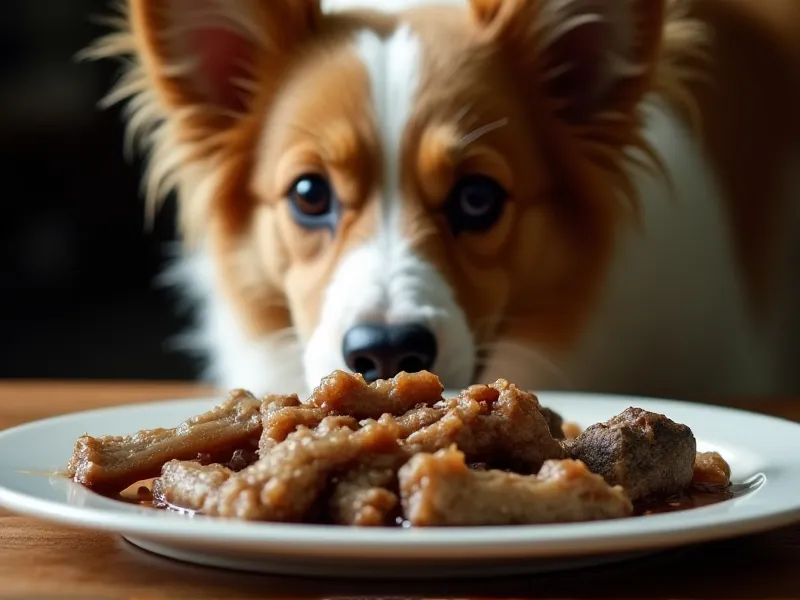
Table of Contents
- Can Dogs Eat Cooked Oxtail Bones? The Short Answer
- What About the “Benefits”? The Meat vs. the Bone
- The Hidden Risks of Cooked Oxtail Bones for Dogs
- Safe Guidelines: If Your Dog Accidentally Eats a Cooked Oxtail Bone
- Healthier Alternatives to Cooked Oxtail Bones
- FAQ: Your Top Questions Answered
- Conclusion: Prioritizing Your Pup’s Safety
Can Dogs Eat Cooked Oxtail Bones? The Short Answer
No. Cooked oxtail bones are not safe for dogs.
Here’s why: Cooking changes the structure of bones, making them dry, brittle, and prone to splintering. Unlike raw bones (which are softer and more flexible), cooked bones can shatter into sharp, jagged pieces when chewed. These fragments pose life-threatening risks, including choking, intestinal blockages, or perforations in your dog’s digestive tract. Even if your dog is a “gentle chewer,” the risk of injury is too high to ignore.
Veterinarians and animal welfare organizations like the American Society for the Prevention of Cruelty to Animals (ASPCA) and VCA Hospitals universally warn against feeding cooked bones to dogs—oxtail or otherwise.
What About the “Benefits”? The Meat vs. the Bone
You might be thinking, “But oxtail bones are so meaty—surely there’s some nutritional value?” Let’s clarify: Any “benefits” come from the meat attached to the bone, not the bone itself. Cooked oxtail bones, on their own, offer zero nutritional value and plenty of danger.
The Upside of Oxtail Meat (Sans Bone)
If you remove the bone, oxtail meat can be a nutrient-dense addition to your dog’s diet (in moderation). Oxtail is packed with:
- Protein: Essential for muscle growth, repair, and energy.
- Collagen & Glucosamine: Supports joint health, especially for senior dogs or breeds prone to arthritis.
- Iron & Zinc: Aids in red blood cell production and immune function.
- B Vitamins: Boosts metabolism and overall vitality.
But remember: Always cook the meat thoroughly to avoid bacterial risks (like salmonella) and remove all bones before serving.
The Hidden Risks of Cooked Oxtail Bones for Dogs
Cooked oxtail bones aren’t just “not beneficial”—they’re actively dangerous. Here’s a breakdown of the top risks:
1. Splintering: Sharp Fragments Tear the Digestive Tract
Cooking strips bones of their natural moisture and flexibility, turning them into brittle hazards. When your dog chews a cooked oxtail bone, it can snap into tiny, needle-like shards. These fragments can:
- Tear the soft tissues of the mouth, tongue, or gums (causing pain and bleeding).
- Lodged in the throat or esophagus, leading to choking or difficulty breathing.
- Puncture the stomach or intestines, causing life-threatening infections like peritonitis (which often requires emergency surgery).
2. Choking Hazard: Size Matters (and So Does Texture)
Oxtail bones vary in size, but even a “small” cooked bone can pose a choking risk. If your dog tries to swallow a chunk whole (or if a splinter breaks off), it can block their airway. Signs of choking include:
- Pawing at the mouth.
- Gagging, retching, or difficulty breathing.
- Blue-tinged gums (a sign of oxygen deprivation).
3. Gastrointestinal Blockages: A Silent Emergency
Splinters or large bone pieces can get stuck in your dog’s digestive tract, causing a blockage. Symptoms may take hours or days to appear and include:
- Vomiting (especially after eating).
- Diarrhea (sometimes with blood).
- Lethargy or loss of appetite.
- Straining to defecate (or no bowel movements).
Left untreated, blockages can be fatal. According to the ASPCA, intestinal obstructions require immediate veterinary care and often surgery to remove the blockage.
4. Dental Damage: Broken Teeth
Cooked bones are hard and unforgiving. Chewing on them can crack or break your dog’s teeth, leading to pain, infection, or the need for extraction. This is especially risky for small breeds or dogs with weak dental enamel.
Safe Guidelines: If Your Dog Accidentally Eats a Cooked Oxtail Bone
Mistakes happen! If your dog snags a cooked oxtail bone when you’re not looking, stay calm and follow these steps:
1. Don’t Panic (But Don’t Wait)
Most dogs will pass small bone fragments without issue, but it’s not worth gambling. Even if they seem fine, monitor them closely for 24–48 hours.
2. Watch for Warning Signs
Contact your vet immediately if you notice:
- Vomiting (more than once).
- Diarrhea (especially with blood).
- Lethargy, loss of appetite, or abdominal pain (hunched posture, whining when touched).
- Difficulty breathing, gagging, or pawing at the mouth.
3. Never Induce Vomiting Without a Vet’s OK
You might think vomiting would help, but sharp bone fragments could tear the esophagus on the way back up. Always ask your vet before taking action.
4. When in Doubt, Call the Vet
Even if symptoms seem mild, a quick call to your vet can rule out serious issues. They may recommend an X-ray to check for blockages or monitor your dog’s stool for fragments.
Healthier Alternatives to Cooked Oxtail Bones
If your dog begs for a bone-like treat, skip the cooked oxtail bone and opt for these safe, tasty alternatives:
1. Raw Meaty Bones (With Caution)
Raw bones (like raw oxtail bones, chicken wings, or beef ribs) are softer and less likely to splinter than cooked ones. They can help clean teeth and provide mental stimulation. But:
- Always supervise your dog while they chew raw bones to prevent choking.
- Choose appropriately sized bones (too small = choking risk; too large = dental damage).
- Freeze bones first to kill bacteria, and avoid giving them to dogs with pancreatitis (high fat content).
2. Boneless Oxtail Meat
Cook the oxtail meat thoroughly, remove all bones, and serve a small portion as a treat. It’s a protein-rich snack your dog will love—without the risk!
3. Vegetable Chews
Crunchy veggies like carrots, celery, or sweet potato slices are low-calorie, high-fiber, and safe for most dogs. They satisfy the urge to chew and help clean teeth.
4. Dental Chews
Vet-approved dental chews (like Greenies or Pedigree Dentastix) are designed to reduce plaque and tartar while being gentle on the digestive tract.
5. Kong Toys Stuffed With Treats
Fill a Kong with peanut butter (no xylitol!), plain yogurt, or mashed banana for a long-lasting, safe distraction.
FAQ: Your Top Questions Answered
Q: Is it ever safe to give my dog a cooked bone?
A: No. Cooking makes all bones (chicken, beef, oxtail, etc.) brittle and dangerous. Even “soft” bones like ribs become risky when cooked.
Q: My dog has eaten cooked bones before and been fine—why is this time different?
A: Luck, not safety. Every time your dog chews a cooked bone, they’re rolling the dice. One splinter could lead to a life-threatening emergency.
Q: Can puppies eat cooked oxtail bones?
A: Puppies have smaller, more delicate digestive systems, making them even more vulnerable to blockages or injuries. Avoid cooked bones entirely.
Q: What’s the difference between raw and cooked oxtail bones?
A: Raw bones are flexible and bendable, so they’re less likely to splinter. Cooked bones lose moisture and become hard, brittle, and prone to sharp shattering.
Q: Are there any bones vets recommend?
A: Some vets suggest raw, meaty bones (like raw chicken necks for small dogs or raw beef knuckles for large breeds) under strict supervision. Always ask your vet first!
Conclusion: Prioritizing Your Pup’s Safety
At the end of the day, sharing food with your dog is one of life’s little joys—but their health always comes first. Cooked oxtail bones might seem like a harmless treat, but the risk of splintering, choking, or internal injury is too great to ignore.
Instead, opt for boneless oxtail meat, raw bones (with supervision), or safe veggies. And when in doubt, consult your vet—they can help you choose treats that fit your dog’s age, size, and health needs.
Your dog’s tail wags for you, so let’s keep them happy, healthy, and bone-free (the cooked kind, anyway).
Stay pawsome, pet parents!
References
- American Society for the Prevention of Cruelty to Animals (ASPCA). “People Foods to Avoid Feeding Your Pets.” aspca.org
- VCA Hospitals. “Bones: Are They Safe for Dogs?” vcahospitals.com
- PetMD. “Can Dogs Eat Bones? What You Need to Know.” petmd.com
- American Veterinary Medical Association (AVMA). “Feeding Your Dog: Bones, Table Scraps, and More.” avma.org