· 7 min read
Can Dogs Eat Cooked Noodles? A Pet Parent’s Guide to Safe Treats
It’s a quiet weeknight, and you’re settled in with a warm bowl of pasta. Across the room, your dog sits, tail thumping, eyes locked on your fork. “Just one little bite?” you think. We’ve all been there—those puppy-dog eyes are hard to resist! But before you share, you pause: Can dogs eat cooked noodles safely?
If you’ve ever wondered whether noodles belong in your pup’s bowl (or as an occasional treat), you’re in the right place. In this guide, we’ll break down the facts: the potential benefits, hidden risks, how much is too much, and even healthier alternatives to keep your furry friend happy and healthy. Let’s dig in!
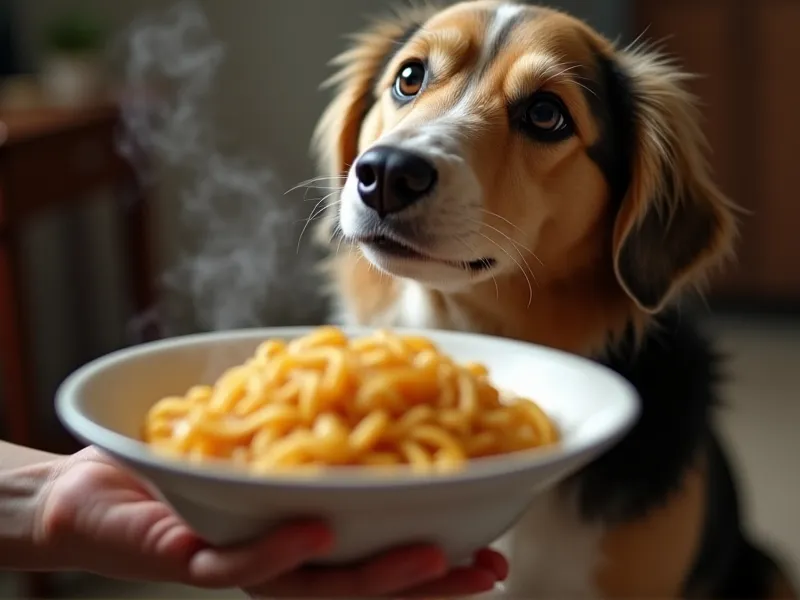
Table of Contents
- So, Can Dogs Eat Cooked Noodles? The Short Answer
- Potential Benefits of Cooked Noodles for Dogs
- The Risks: What Pet Parents Need to Watch For
- How Much Noodles Can Dogs Safely Eat? Guidelines by Size
- Healthier Alternatives to Traditional Noodles
- FAQ: Your Noodle Questions Answered
- Final Thoughts: Moderation is Key
1. So, Can Dogs Eat Cooked Noodles? The Short Answer
Yes, plain, cooked noodles are generally safe for dogs in small, occasional amounts. They’re not toxic, and most dogs can digest them without issue—as long as they’re plain.
But here’s the catch: Noodles should never replace your dog’s regular, balanced diet. They’re mostly a “empty calorie” treat, and some types (like those with sauces, seasonings, or added ingredients) can be harmful. Think of noodles as you would a cookie for humans: fine once in a while, but not a daily staple.
2. Potential Benefits of Cooked Noodles for Dogs
While noodles aren’t a nutritional powerhouse for dogs, they do offer a few minor perks when served plain and in moderation:
a. Quick Source of Energy (Carbohydrates)
Noodles are made from flour (usually wheat), which is high in carbohydrates. Carbs provide energy, so a small serving can give your dog a little boost—great for active pups after a long walk!
b. Minimal Nutrients (But Some!)
- Fiber: Whole grain or whole wheat noodles contain more fiber than refined white noodles. Fiber supports healthy digestion and can help regulate bowel movements (though dogs get most of their fiber from their regular food).
- B Vitamins: Wheat-based noodles have small amounts of B vitamins (like thiamine and niacin), which support your dog’s nervous system and energy metabolism.
- Iron and Potassium: Trace amounts of these minerals are present, but again, not enough to make noodles a “nutrient-rich” food.
c. Gentle on Sensitive Stomachs (In Small Doses)
If your dog has an upset stomach (and your vet approves), plain, cooked noodles can be a bland, easy-to-digest option. They’re low in fat and spices, which might help soothe minor digestive issues (though always check with your vet first for stomach problems!).
3. The Risks: What Pet Parents Need to Watch For
Noodles aren’t all rainbows and pasta—there are real risks to be aware of, especially if you’re not careful with preparation or portion size.
a. Sugar, Salt, and Hidden Additives
Most store-bought noodles are plain, but flavored noodles (like garlic butter, cheese, or “Italian herb”) or instant noodles are loaded with salt, sugar, and artificial flavors. Dogs need very little salt (about 0.25 grams per 100 calories of food), and too much can lead to sodium ion poisoning, which causes vomiting, diarrhea, seizures, or even death in severe cases.
Rule of thumb: Only feed plain, unseasoned noodles. No sauce, no butter, no garlic, no cheese.
b. Stomach Upset and Digestive Issues
Dogs’ digestive systems aren’t designed to handle large amounts of carbs. Too many noodles can lead to:
- Bloating (from excess gas)
- Diarrhea or constipation
- Upset stomach (nausea, vomiting)
This is especially true for dogs with sensitive stomachs or those unused to human food.
c. Choking Hazard
Long, uncut noodles (like spaghetti or fettuccine) can be a choking risk, especially for small dogs or flat-faced breeds (like Bulldogs or Pugs). They can get tangled in your dog’s throat or cause blockages if swallowed whole.
Fix: Always cut long noodles into small, bite-sized pieces before feeding.
d. Empty Calories and Weight Gain
Noodles are high in carbs but low in protein, healthy fats, and essential nutrients. Feeding them regularly can lead to weight gain or obesity, which increases the risk of diabetes, joint pain, and heart disease in dogs.
e. Toxic Ingredients in Sauces or Toppings
This is critical: Many noodle sauces or toppings are toxic to dogs. Never feed noodles with:
- Garlic or onion (even in small amounts—they damage red blood cells)
- Chives or leeks (same family as onion/garlic, toxic)
- Grapes or raisins (can cause kidney failure)
- Xylitol (artificial sweetener, toxic)
- Heavy cream or cheese (high fat, can cause pancreatitis)
4. How Much Noodles Can Dogs Safely Eat? Guidelines by Size
The key word here is moderation. Noodles should be an occasional treat, not a meal. Here’s a rough guide based on your dog’s size:
| Dog Size | Serving Size (Cooked, Plain Noodles) | Frequency |
|---|---|---|
| Small (5–20 lbs: Chihuahua, Pug) | 1–2 tablespoons (chopped) | Once every 1–2 weeks |
| Medium (20–50 lbs: Beagle, Cocker Spaniel) | 2–4 tablespoons (chopped) | Once every 1–2 weeks |
| Large (50+ lbs: Golden Retriever, Great Dane) | ¼–½ cup (chopped) | Once every 1–2 weeks |
Pro tip: Always start with a tiny amount (even smaller than the guide above) to see how your dog reacts. Some dogs may be sensitive to wheat or gluten, which could cause itching, diarrhea, or gas.
5. Healthier Alternatives to Traditional Noodles
If you want to treat your dog but want something more nutritious than plain white noodles, try these alternatives:
a. Whole Grain or Whole Wheat Noodles
Swap refined white noodles for whole grain versions. They have more fiber, B vitamins, and minerals, making them a slightly better choice.
b. Sweet Potato Noodles (Yam Noodles)
Sweet potatoes are a superfood for dogs! They’re rich in beta-carotene (vitamin A), fiber, and potassium. Spiralized or sliced sweet potato noodles (cooked, plain) make a delicious, nutrient-dense treat.
c. Pumpkin
Cooked, plain pumpkin (not pie filling!) is packed with fiber and beta-carotene. It’s great for digestion and low in calories. Serve a spoonful as a treat or mix into their food.
d. Cooked Veggies
Carrots, green beans, or broccoli (steamed, plain) are crunchy, low-calorie treats with vitamins A, C, and K. They’re better for your dog than noodles and help clean their teeth!
e. Quinoa or Brown Rice
These whole grains are more nutritious than noodles, with protein, fiber, and iron. Cooked, plain quinoa or brown rice can be mixed into your dog’s food occasionally (but again, in small amounts).
6. FAQ: Your Noodle Questions Answered
Q: Can dogs eat instant noodles?
A: No. Instant noodles are high in sodium, MSG, and artificial flavors. Even “low-sodium” versions have too much salt for dogs. Skip them entirely.
Q: What about noodle sauces, like marinara or Alfredo?
A: Avoid all sauces. Most contain garlic, onion, salt, or high-fat ingredients (like cream in Alfredo) that are toxic or harmful to dogs.
Q: Can puppies eat cooked noodles?
A: Maybe, but consult your vet first. Puppies have sensitive digestive systems, so a tiny bite (chopped, plain) might be okay, but too much could cause stomach upset. Always ask your vet before introducing new foods to puppies.
Q: Are whole wheat noodles better for dogs than white noodles?
A: Yes, slightly. Whole wheat noodles have more fiber and nutrients than refined white noodles, so they’re a better occasional treat.
Q: My dog ate a whole bowl of noodles—what should I do?
A: Monitor for symptoms. Watch for vomiting, diarrhea, bloating, or lethargy. If your dog is small or shows signs of distress, contact your vet immediately. A large amount could cause an upset stomach or blockage.
7. Final Thoughts: Moderation is Key
So, can dogs eat cooked noodles? Yes—plain, cooked noodles in small, occasional amounts are generally safe. They’re a fun treat to share with your pup on rare occasions, but they shouldn’t replace their balanced dog food.
Remember:
- Plain only: No sauces, seasonings, or toppings (especially garlic/onion!).
- Chop long noodles to avoid choking.
- Stick to tiny portions based on your dog’s size.
- Opt for healthier alternatives like sweet potato noodles or pumpkin when possible.
When in doubt, always consult your vet—they know your dog’s specific health needs best. And next time your pup begs for a bite of pasta, you can feel confident saying “just a little” (after checking the noodles are plain, of course!).
Happy (and safe) treating!
References
- American Society for the Prevention of Cruelty to Animals (ASPCA). “People Foods to Avoid Feeding Your Pets.” aspca.org/pet-care/animal-poison-control/people-foods-avoid-feeding-your-pets
- American Kennel Club (AKC). “Can Dogs Eat Pasta?” akc.org/expert-advice/nutrition/can-dogs-eat-pasta
- VCA Animal Hospitals. “Dietary Guidelines for Dogs.” vcahospitals.com/know-your-pet/dietary-guidelines-for-dogs