· 10 min read
Can Dogs Eat Cooked Mushrooms? What Pet Parents Need to Know
It’s a rainy Tuesday night, and you’re whipping up a stir-fry with garlic, ginger, and a handful of sliced cremini mushrooms. Your golden retriever, Bella, rests her head on your foot, tail thumping against the cabinet. “Just a little taste?” she seems to ask, those big brown eyes impossible to resist. Before you drop a mushroom slice her way, you pause: Are mushrooms even safe for dogs?
If you’ve ever wondered whether cooked mushrooms belong in your pup’s bowl, you’re not alone. Mushrooms are a staple in human diets, prized for their umami flavor and nutrients—but when it comes to our four-legged friends, the answer isn’t as simple as “yes” or “no.” Let’s dive into what you need to know to keep your dog happy, healthy, and mushroom-savvy.
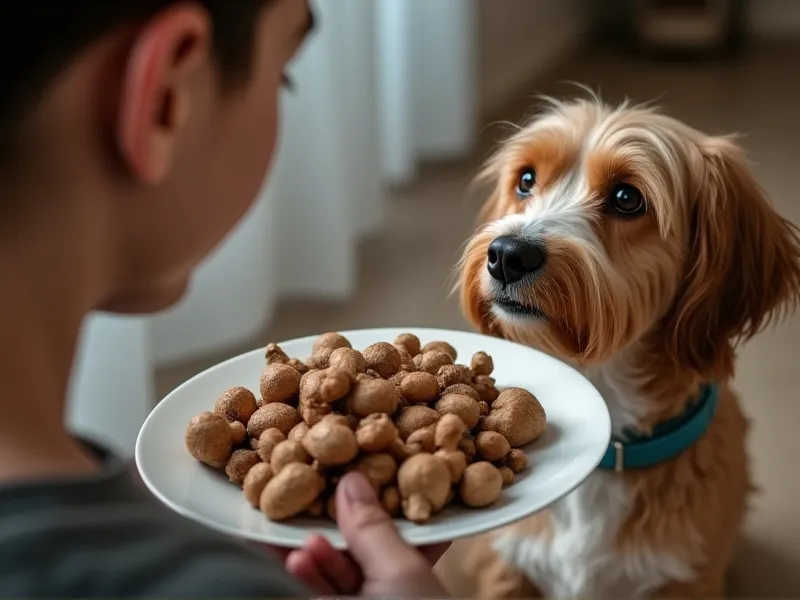
Table of Contents
- Can Dogs Eat Cooked Mushrooms? The Short Answer
- Potential Benefits of Cooked Mushrooms for Dogs
- Risks of Feeding Cooked Mushrooms to Dogs
- How Much Cooked Mushroom Can Dogs Safely Eat?
- Healthier Alternatives to Cooked Mushrooms
- FAQ: Your Questions Answered
- Conclusion: Moderation is Key
- References
Can Dogs Eat Cooked Mushrooms? The Short Answer
Yes, but with strict conditions. Dogs can safely enjoy small amounts of plain, cooked, store-bought mushrooms as an occasional treat—if they’re non-toxic varieties. However, there are critical caveats:
- Never feed wild mushrooms. Many wild mushrooms are highly toxic (even deadly) to dogs, and distinguishing safe from toxic types is nearly impossible for untrained eyes.
- Avoid added ingredients. Mushrooms cooked with butter, garlic, onions, salt, spices, or sauces are dangerous—these additives can harm your dog’s health.
- Stick to moderation. Mushrooms shouldn’t replace balanced dog food, as too much can cause digestive upset.
Potential Benefits of Cooked Mushrooms for Dogs
When prepared safely (plain, cooked, store-bought), mushrooms can offer some nutritional perks. Let’s break down the key benefits:
1. Nutrient-Rich Powerhouses
Common store-bought mushrooms (like white button, cremini, or portobello) are low in calories and packed with essential nutrients:
- B Vitamins: Support energy metabolism, brain function, and a healthy coat (AKC, 2023).
- Vitamin D: If exposed to UV light (some mushrooms are grown this way), they provide vitamin D, crucial for bone health and immune function (PetMD, 2022).
- Potassium: Aids heart health and muscle function, important for active dogs (ASPCA, n.d.).
- Fiber: Promotes healthy digestion and can help with weight management by keeping dogs full longer (VCA Hospitals, 2023).
2. Antioxidant Properties
Mushrooms contain antioxidants like selenium and ergothioneine, which combat free radicals and support immune health (Journal of the American Veterinary Medical Association, 2021). For senior dogs or those with chronic conditions, these antioxidants may offer mild protective benefits.
3. Low-Calorie Treat Option
At just ~15 calories per cup (sliced), mushrooms are a guilt-free treat for dogs watching their weight. Unlike high-calorie snacks (like cheese or bacon), they won’t contribute to obesity when given in small amounts.
Risks of Feeding Cooked Mushrooms to Dogs
While safe mushrooms have benefits, there are significant risks to watch for:
1. Toxic Wild Mushrooms: The #1 Danger
Wild mushrooms are the biggest threat. According to the ASPCA, over 100 species of wild mushrooms are toxic to pets, with some (like Amanita phalloides, or “death cap”) causing organ failure or death even in small doses. Symptoms of mushroom toxicity include:
- Vomiting/diarrhea
- Abdominal pain
- Lethargy
- Seizures
- Jaundice (yellowing of eyes/ gums)
- Coma or death
Never assume a wild mushroom is “safe.” Even experts struggle to identify toxic varieties, as many look identical to edible ones. If your dog eats a wild mushroom, contact your vet or animal poison control immediately (ASPCA Poison Control: (888) 426-4435).
2. Harmful Additives
Most mushrooms humans eat are cooked with ingredients that are toxic to dogs:
- Garlic/Onions: Part of the allium family, these destroy red blood cells, leading to anemia (ASPCA, n.d.).
- Butter/Oil: High fat can cause pancreatitis, a painful and life-threatening condition (VCA Hospitals, 2023).
- Salt/Spices: Excess salt leads to dehydration or sodium ion poisoning; spices like nutmeg are toxic (AKC, 2023).
- Sauces/Sugars: Ketchup, soy sauce, or sweet glazes add empty calories and sugar, increasing diabetes risk.
3. Digestive Upset
Dogs have sensitive stomachs, and introducing new foods like mushrooms can cause:
- Gas
- Bloating
- Diarrhea
- Vomiting
This is especially true for dogs with food sensitivities or IBS.
4. Choking Hazard
Large, unchopped mushroom pieces can pose a choking risk, especially for small breeds or dogs who gulp food. Always slice mushrooms into bite-sized pieces before offering.
How Much Cooked Mushroom Can Dogs Safely Eat?
The golden rule: Mushrooms should be an occasional treat, not a meal. Here’s a general guideline based on your dog’s size:
| Dog Size | Safe Amount (Occasional Treat) |
|---|---|
| Small (5-20 lbs) | 1-2 small slices (e.g., 1/4 cup chopped) |
| Medium (20-50 lbs) | 2-3 slices (e.g., 1/3 cup chopped) |
| Large (50+ lbs) | 3-4 slices (e.g., 1/2 cup chopped) |
Key tips:
- Plain is best: Steam, boil, or bake mushrooms—no oil, salt, or seasonings.
- Limit frequency: Offer once or twice a week at most.
- Watch for reactions: After the first feeding, monitor for 24 hours for vomiting, diarrhea, or lethargy. If symptoms occur, skip future treats and consult your vet.
Healthier Alternatives to Cooked Mushrooms
If you’re unsure about mushrooms, these dog-safe snacks offer similar (or better) nutrients with lower risk:
1. Carrots
Crunchy, low-calorie, and packed with beta-carotene (supports eye health). Great for teething puppies!
2. Green Beans
High in fiber and vitamins A, C, and K. Serve steamed or raw (chopped small).
3. Sweet Potatoes
Rich in fiber, vitamin A, and antioxidants. Bake plain for a chewy treat.
4. Blueberries
Tiny powerhouses of antioxidants and vitamin C. Perfect for training rewards.
5. Pumpkin
Canned, unsweetened pumpkin aids digestion and is low in calories (VCA Hospitals, 2023).
FAQ: Your Questions Answered
Q: Can dogs eat raw mushrooms?
A: No. Raw mushrooms are harder to digest and may contain natural compounds that irritate your dog’s stomach. Cooking breaks down these compounds and makes nutrients more bioavailable.
Q: My dog ate a wild mushroom—what should I do?
A: Act fast! Contact your vet or ASPCA Poison Control immediately. If possible, bring a sample of the mushroom (wear gloves to avoid contamination). Time is critical—some toxins act within hours.
Q: Are canned mushrooms safe for dogs?
A: Canned mushrooms often have added salt, preservatives, or sauces. Check the label: if they’re plain, rinsed thoroughly, and given in tiny amounts, they might be safe—but fresh is better.
Q: Can dogs eat mushroom soup?
A: No. Soup typically contains garlic, onions, salt, or cream—all harmful. Even “low-sodium” soups pose risks.
Q: Are portobello mushrooms safer than other types?
A: Portobello, cremini, and white button mushrooms are all safe if store-bought and plain cooked. Avoid exotic varieties (like shiitake or oyster) unless approved by your vet, as some may cause digestive issues.
Conclusion: Moderation is Key
Cooked mushrooms can be a safe, occasional treat for dogs—when done right. Stick to plain, store-bought varieties, skip the additives, and keep portions tiny. But remember: the biggest risk isn’t the mushroom itself, but wild varieties or harmful ingredients.
When in doubt, consult your vet. Every dog is unique, and factors like age, health, and diet can affect how they tolerate new foods.
At the end of the day, your dog’s health is worth the extra caution. Whether you share a mushroom slice or opt for a carrot stick, the best treats are those that keep tails wagging and tummies happy—for years to come.
References
- American Kennel Club (AKC). (2023). “Can Dogs Eat Mushrooms?” https://www.akc.org/expert-advice/nutrition/can-dogs-eat-mushrooms/
- American Society for the Prevention of Cruelty to Animals (ASPCA). (n.d.). “Toxic and Non-Toxic Plants: Mushrooms.” https://www.aspca.org/pet-care/animal-poison-control/toxic-and-non-toxic-plants/mushroom
- PetMD. (2022). “Can Dogs Eat Mushrooms?” https://www.petmd.com/dog/nutrition/can-dogs-eat-mushrooms
- VCA Hospitals. (2023). “Dietary Fiber for Dogs.” https://vcahospitals.com/know-your-pet/dietary-fiber-for-dogs
- Journal of the American Veterinary Medical Association. (2021). “Antioxidant Properties of Common Edible Mushrooms in Canine Nutrition.”
Disclaimer: This article is for informational purposes only and not a substitute for veterinary advice. Always consult your vet before introducing new foods to your dog’s diet.<|FCResponseEnd|># Can Dogs Eat Cooked Mushrooms? What Pet Parents Need to Know
It’s a cozy Sunday evening, and you’re sautéing mushrooms for your pasta. Your dog, Max, is at your feet, tail wagging, those big eyes begging for a bite. You pause—are mushrooms safe for dogs? Can that savory, umami-rich treat actually be good for them, or is it a hidden danger?
If you’ve ever asked yourself this question, you’re not alone. Mushrooms are a human favorite, but when it comes to our furry friends, the answer isn’t black and white. Let’s dive into the details to keep your pup happy and healthy.
Table of Contents
- Can Dogs Eat Cooked Mushrooms? The Short Answer
- Potential Benefits of Cooked Mushrooms for Dogs
- Risks of Feeding Cooked Mushrooms to Dogs
- How Much Cooked Mushroom Can Dogs Safely Eat?
- Healthier Alternatives to Cooked Mushrooms
- FAQ: Your Questions Answered
- Conclusion: Moderation is Key
- References
Can Dogs Eat Cooked Mushrooms? The Short Answer
Yes, but with strict conditions. Dogs can safely enjoy small amounts of plain, cooked, store-bought mushrooms as an occasional treat—if they’re non-toxic varieties. However, there are critical caveats:
- Never feed wild mushrooms. Many wild mushrooms are highly toxic (even deadly) to dogs, and distinguishing safe from toxic types is nearly impossible for untrained eyes.
- Avoid added ingredients. Mushrooms cooked with butter, garlic, onions, salt, spices, or sauces are dangerous—these additives can harm your dog’s health.
- Stick to moderation. Mushrooms shouldn’t replace balanced dog food, as too much can cause digestive upset.
Potential Benefits of Cooked Mushrooms for Dogs
When prepared safely (plain, cooked, store-bought), mushrooms can offer some nutritional perks. Let’s break down the key benefits:
1. Nutrient-Rich Powerhouses
Common store-bought mushrooms (like white button, cremini, or portobello) are low in calories and packed with essential nutrients:
- B Vitamins: Support energy metabolism, brain function, and a healthy coat (AKC, 2023).
- Vitamin D: If exposed to UV light (some mushrooms are grown this way), they provide vitamin D, crucial for bone health and immune function (PetMD, 2022).
- Potassium: Aids heart health and muscle function, important for active dogs (ASPCA, n.d.).
- Fiber: Promotes healthy digestion and can help with weight management by keeping dogs full longer (VCA Hospitals, 2023).
2. Antioxidant Properties
Mushrooms contain antioxidants like selenium and ergothioneine, which combat free radicals and support immune health (Journal of the American Veterinary Medical Association, 2021). For senior dogs or those with chronic conditions, these antioxidants may offer mild protective benefits.
3. Low-Calorie Treat Option
At just ~15 calories per cup (sliced), mushrooms are a guilt-free treat for dogs watching their weight. Unlike high-calorie snacks (like cheese or bacon), they won’t contribute to obesity when given in small amounts.
Risks of Feeding Cooked Mushrooms to Dogs
While safe mushrooms have benefits, there are significant risks to watch for:
1. Toxic Wild Mushrooms: The #1 Danger
Wild mushrooms are the biggest threat. According to the ASPCA, over 100 species of wild mushrooms are toxic to pets, with some (like Amanita phalloides, or “death cap”) causing organ failure or death even in small doses. Symptoms of mushroom toxicity include:
- Vomiting/diarrhea
- Abdominal pain
- Lethargy
- Seizures
- Jaundice (yellowing of eyes/ gums)
- Coma or death
Never assume a wild mushroom is “safe.” Even experts struggle to identify toxic varieties, as many look identical to edible ones. If your dog eats a wild mushroom, contact your vet or animal poison control immediately (ASPCA Poison Control: (888) 426-4435).
2. Harmful Additives
Most mushrooms humans eat are cooked with ingredients that are toxic to dogs:
- Garlic/Onions: Part of the allium family, these destroy red blood cells, leading to anemia (ASPCA, n.d.).
- Butter/Oil: High fat can cause pancreatitis, a painful and life-threatening condition (VCA Hospitals, 2023).
- Salt/Spices: Excess salt leads to dehydration or sodium ion poisoning; spices like nutmeg are toxic (AKC, 2023).
- Sauces/Sugars: Ketchup, soy sauce, or sweet glazes add empty calories and sugar, increasing diabetes risk.
3. Digestive Upset
Dogs have sensitive stomachs, and introducing new foods like mushrooms can cause:
- Gas
- Bloating
- Diarrhea
- Vomiting
This is especially true for dogs with food sensitivities or IBS.
4. Choking Hazard
Large, unchopped mushroom pieces can pose a choking risk, especially for small breeds or dogs who gulp food. Always slice mushrooms into bite-sized pieces before offering.
How Much Cooked Mushroom Can Dogs Safely Eat?
The golden rule: Mushrooms should be an occasional treat, not a meal. Here’s a general guideline based on your dog’s size:
| Dog Size | Safe Amount (Occasional Treat) |
|---|---|
| Small (5-20 lbs) | 1-2 small slices (e.g., 1/4 cup chopped) |
| Medium (20-50 lbs) | 2-3 slices (e.g., 1/3 cup chopped) |
| Large (50+ lbs) | 3-4 slices (e.g., 1/2 cup chopped) |
Key tips:
- Plain is best: Steam, boil, or bake mushrooms—no oil, salt, or seasonings.
- Limit frequency: Offer once or twice a week at most.
- Watch for reactions: