· 9 min read
Can Dogs Eat Cooked Lamb? A Pet Parent’s Guide to Safe, Savory Treats
It’s a cozy Sunday evening, and you’re savoring a succulent plate of roasted lamb—tender, aromatic, and perfectly seasoned. Across the table, your dog sits, tail thumping a steady rhythm against the floor, their eyes locked on your fork. “Just a little bite?” you wonder. “Is cooked lamb safe for dogs?”
If you’ve ever found yourself in this scenario, you’re not alone. As pet parents, we want to share the joys of food with our furry companions, but it’s crucial to know which human foods are safe (and which are not). Lamb, a rich, protein-packed meat, is a common staple in many households—but is it a good choice for your pup?
In this guide, we’ll break down everything you need to know about feeding cooked lamb to dogs: the benefits, the risks, how much to serve, and even healthier alternatives. Let’s dive in!
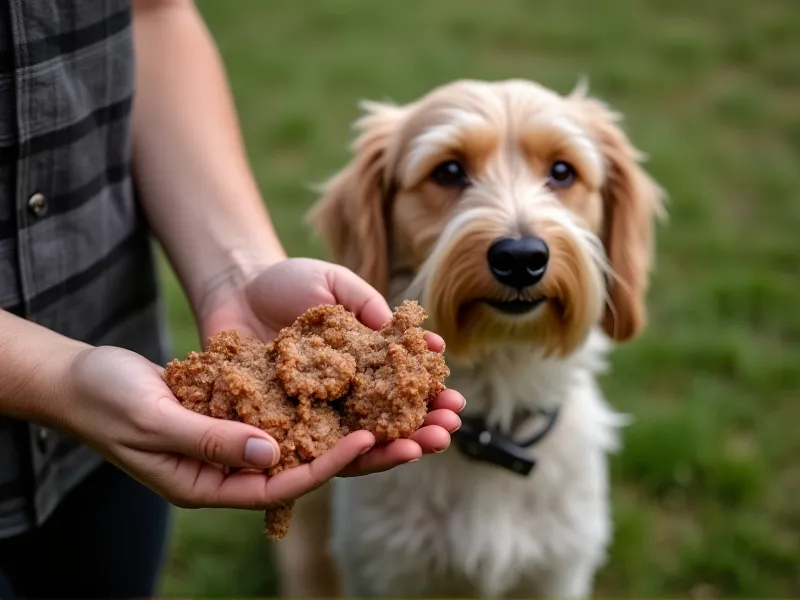
Table of Contents
- Can Dogs Eat Cooked Lamb? The Short Answer
- The Benefits of Cooked Lamb for Dogs
- Potential Risks: What to Watch Out For
- How Much Cooked Lamb Can Dogs Safely Eat?
- Healthier Alternatives (or Complementary Proteins)
- Frequently Asked Questions (FAQ)
- Conclusion: Enjoy Lamb Responsibly with Your Pup
Can Dogs Eat Cooked Lamb? The Short Answer
Yes, dogs can safely eat cooked lamb—when prepared properly. Lamb is a nutrient-dense protein source that, in moderation, can offer several health benefits for your pup. However, it’s not without risks: seasoned, fatty, or bone-in lamb can pose serious dangers, from stomach upset to life-threatening conditions like pancreatitis.
The key is to serve lamb unseasoned, boneless, and trimmed of excess fat, as an occasional treat rather than a regular meal. Always consult your vet before introducing new foods, especially if your dog has allergies, digestive issues, or chronic health conditions.
The Benefits of Cooked Lamb for Dogs
Lamb isn’t just a tasty treat—it’s packed with nutrients that can support your dog’s overall health. Here’s why this meat might be a great addition to their occasional menu:
1. High-Quality Protein for Muscle and Energy
Protein is the building block of a dog’s diet, supporting muscle growth, repair, and energy levels. Lamb is a complete protein, meaning it contains all the essential amino acids your dog needs (like lysine and methionine) that their body can’t produce on its own. This makes it an excellent choice for active dogs, growing puppies, or senior dogs needing to maintain muscle mass.
2. Essential Vitamins and Minerals
Lamb is rich in key nutrients that boost your dog’s health:
- Zinc: Supports a healthy immune system, skin, and coat. Zinc deficiency in dogs can lead to dull fur, skin infections, and poor wound healing.
- Iron: Critical for red blood cell production, which carries oxygen throughout the body. Iron deficiency (anemia) can cause fatigue and weakness.
- Vitamin B12: Essential for nerve function and energy metabolism. B12 deficiency is rare in dogs but can lead to neurological issues if left untreated.
- Selenium: An antioxidant that protects cells from damage and supports thyroid function.
3. Healthy Fats (In Moderation)
While excess fat is risky, lamb contains omega-3 and omega-6 fatty acids, which promote joint health, reduce inflammation, and keep your dog’s coat shiny. Lean cuts of lamb (like loin or leg) have less fat than fattier cuts (like ribs or shoulder), making them a safer choice for treats.
4. Hypoallergenic Option for Sensitive Dogs
Many dogs develop allergies to common proteins like chicken or beef. Lamb is often recommended as a “novel protein” for dogs with food sensitivities, as it’s less likely to trigger allergic reactions (e.g., itching, ear infections, or digestive upset). If your dog struggles with traditional proteins, lamb might be a gentle alternative.
Potential Risks: What to Watch Out For
While cooked lamb can be healthy, improper preparation or overfeeding can turn this treat into a hazard. Here are the top risks to avoid:
1. Seasonings and Toxic Additives
The biggest danger with lamb (or any human food) is seasoning. Garlic, onions, salt, pepper, and spices like nutmeg or cinnamon are toxic to dogs. Garlic and onions, in particular, contain thiosulphate, which damages red blood cells and can lead to anemia. Even small amounts of these ingredients can cause vomiting, diarrhea, or more severe issues.
Always serve lamb plain—no marinades, sauces, or seasonings. Avoid processed lamb products like deli meats (high in salt and preservatives) or lamb chops with glaze (sugar, spices).
2. Excess Fat and Pancreatitis
Lamb, especially fatty cuts, is high in saturated fat. Feeding your dog too much fat can lead to pancreatitis—a painful, potentially life-threatening condition where the pancreas becomes inflamed. Symptoms include vomiting, diarrhea, lethargy, and loss of appetite.
Pancreatitis is more common in overweight dogs or those with a history of the condition, but even healthy dogs can develop it from a sudden fatty meal. To reduce risk, trim all visible fat from lamb before serving and opt for lean cuts.
3. Cooked Bones: A Choking and Injury Hazard
Never feed your dog cooked lamb bones. Cooked bones (unlike raw bones) are brittle and can splinter, causing choking, lacerations to the mouth or throat, or blockages in the digestive tract. Even small bone fragments can tear the intestines, leading to surgery or death. If you want to give your dog bones, stick to raw, meaty bones (like raw lamb knuckles) under supervision—but consult your vet first.
4. Stomach Upset from Rich Food
Dogs have sensitive digestive systems, and sudden introduction of rich foods like lamb can cause gastroenteritis (inflammation of the stomach and intestines). Symptoms include diarrhea, vomiting, or gas. Start with tiny portions to see how your dog reacts, and avoid feeding lamb if they have a history of digestive issues.
How Much Cooked Lamb Can Dogs Safely Eat?
The golden rule: moderation. Lamb should be an occasional treat, not a replacement for your dog’s balanced commercial diet. Here’s how to portion it safely:
1. Stick to 10% of Daily Calories
Treats (including lamb) should make up no more than 10% of your dog’s daily calorie intake. For example:
- Small dogs (10-20 lbs): 1-2 ounces of cooked, lean lamb 1-2 times per week.
- Medium dogs (20-50 lbs): 2-4 ounces 1-2 times per week.
- Large dogs (50+ lbs): 4-6 ounces 1-2 times per week.
Always adjust based on your dog’s activity level, weight, and health. Overweight dogs or those with diabetes should have smaller portions or avoid lamb altogether.
2. Prepare Lamb Properly
- Cook thoroughly: Lamb must be fully cooked to kill bacteria like E. coli or salmonella, which can make both you and your dog sick.
- Trim fat: Remove all visible fat to reduce pancreatitis risk.
- No bones or seasonings: Boneless, plain, and unseasoned is the way to go.
3. Introduce Gradually
Start with a tiny piece (e.g., 1-2 bites for a small dog) and monitor for 24 hours. If your dog shows no signs of upset (vomiting, diarrhea, lethargy), you can slowly increase the portion.
Healthier Alternatives (or Complementary Proteins)
Lamb is a great treat, but variety is key to a balanced diet. Here are some other safe, protein-rich options to rotate into your dog’s treat routine:
1. Lean Chicken or Turkey
Skinless, boneless chicken or turkey is low in fat and high in protein—perfect for dogs watching their weight. It’s also widely available and affordable.
2. Salmon (Cooked)
Rich in omega-3 fatty acids, salmon supports joint health and a shiny coat. Just ensure it’s fully cooked (no raw salmon, which can contain parasites) and boneless.
3. Lean Beef (Trimmed)
Beef is another complete protein, but opt for lean cuts like sirloin or round steak. Avoid fatty ground beef or processed beef products (e.g., hot dogs).
4. Lamb as an Alternative for Allergies
If your dog is allergic to chicken or beef, lamb can be a primary protein in their diet (look for lamb-based commercial kibble or wet food). Always work with your vet to develop an allergy-friendly meal plan.
Frequently Asked Questions (FAQ)
Q: Can dogs eat lamb bones?
A: No. Cooked lamb bones are brittle and splinter easily, posing a choking hazard or risk of intestinal blockage. Raw bones are sometimes recommended, but they can still carry bacteria or cause dental issues—consult your vet first.
Q: Is seasoned lamb safe for dogs?
A: No. Seasonings like garlic, onion, salt, or spices are toxic to dogs. Even “mild” seasonings can cause stomach upset or more severe issues. Always serve plain, unseasoned lamb.
Q: Can puppies eat cooked lamb?
A: Yes, in small portions. Puppies have developing digestive systems, so start with tiny amounts (e.g., 1-2 bites for a small breed puppy). Avoid fatty cuts, as puppies are more prone to pancreatitis.
Q: Is lamb better than chicken for dogs?
A: It depends. Lamb is a great novel protein for dogs with chicken allergies, but chicken is lower in fat and often more affordable. Both are healthy when prepared properly.
Q: My dog ate lamb with garlic—what should I do?
A: Contact your vet immediately. Garlic is toxic to dogs, and even small amounts can cause anemia. Symptoms may take 2-5 days to appear, so don’t wait for signs of illness.
Conclusion: Enjoy Lamb Responsibly with Your Pup
Cooked lamb can be a delicious, nutrient-packed treat for your dog—when served plain, lean, and in moderation. It’s rich in protein, vitamins, and minerals that support their health, and it’s a great option for dogs with food sensitivities.
Remember: Always trim fat, skip the seasonings, and avoid bones. Stick to occasional portions (no more than 10% of their daily calories) and monitor your dog for any signs of upset. When in doubt, consult your vet—they know your dog’s unique needs best.
So next time you’re enjoying a lamb dinner, feel free to share a small, plain bite with your pup. They’ll wag their tail in thanks, and you’ll rest easy knowing you’re treating them safely.
Happy bonding (and snacking!) with your furry friend.
References
- American Kennel Club (AKC). “Human Foods Dogs Can and Can’t Eat.” akc.org
- American College of Veterinary Nutrition (ACVN). “Feeding Your Dog: Commercial vs. Homemade Diets.” acvn.org
- PetMD. “Lamb for Dogs: Benefits and Risks.” petmd.com
- U.S. Food and Drug Administration (FDA). “People Food: What’s Safe for Dogs?” fda.gov