· 8 min read
Can Dogs Eat Cooked Ham Bones? The Surprising Truth Every Pet Parent Needs to Know
It’s Sunday dinner, and the smell of roasted ham fills your kitchen. Your dog, Max, is at your feet, tail wagging furiously, nose twitching at the savory aroma. As you carve the ham, a meaty bone falls onto the plate—and Max’s eyes light up. “Just a little treat,” you think, reaching to hand it over. But wait: Is that cooked ham bone actually safe for your pup?
If you’ve ever asked yourself, “Can dogs eat cooked ham bones?”, you’re not alone. Sharing food with our furry friends feels like a love language, but not all human snacks are created equal—especially when it comes to bones. Let’s dive into the facts, so you can keep your dog happy, healthy, and out of harm’s way.
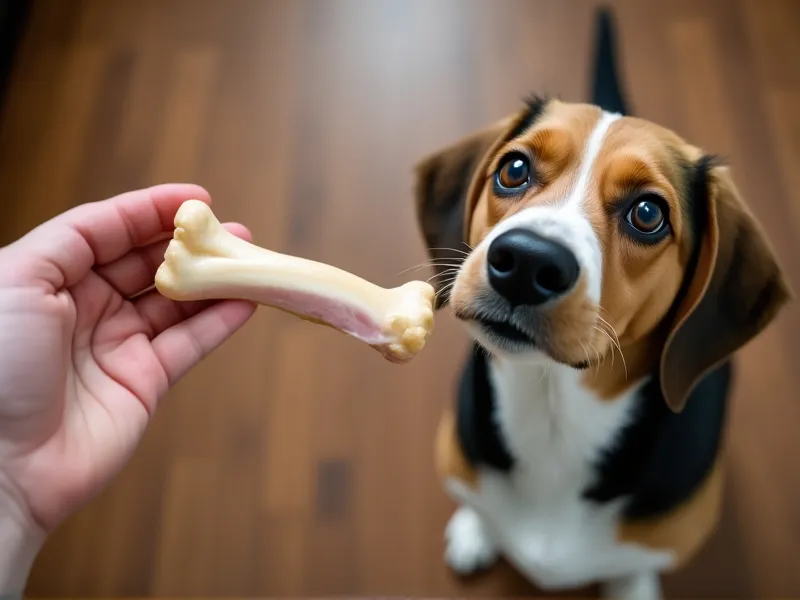
Table of Contents
- Can Dogs Eat Cooked Ham Bones? The Short Answer
- Potential Benefits of Ham Bones (Spoiler: They’re Minimal)
- The Hidden Risks of Cooked Ham Bones for Dogs
- How Much Cooked Ham Bone Is Safe for Dogs? (If Any)
- Healthier Alternatives to Cooked Ham Bones
- FAQ: Your Top Questions Answered
- Conclusion: Prioritize Your Dog’s Safety
- References
Can Dogs Eat Cooked Ham Bones? The Short Answer
No, cooked ham bones are not safe for dogs.
While raw bones (like raw meaty bones from trusted sources) can sometimes be given to dogs under strict supervision, cooked bones—including ham bones—are far too dangerous. Cooking dries out bones, making them brittle and prone to splintering into sharp fragments. These fragments can cause choking, tear your dog’s throat or digestive tract, or lead to life-threatening blockages.
Even if your dog has “always chewed bones without issue,” cooked ham bones are a risk not worth taking. Let’s break down why.
Potential Benefits of Ham Bones (Spoiler: They’re Minimal)
You might be thinking, “But bones are natural! Don’t they have nutrients?” It’s true that raw bones (when handled safely) can offer small amounts of calcium, phosphorus, and collagen. However, cooked ham bones lose most of their nutritional value—and what little remains is overshadowed by the risks.
Here’s the reality:
- Calcium/Phosphorus: Cooked bones are so brittle that they’re unlikely to provide meaningful amounts of these minerals. Your dog gets plenty of calcium from their balanced dog food.
- Dental Health: Chewing on bones can scrape plaque, but cooked bones are too hard and sharp—they’re more likely to damage teeth than clean them.
- Mental Stimulation: Dogs love to chew, and bones can keep them occupied. But there are safer ways to satisfy that urge (more on that later!).
In short: The “benefits” of cooked ham bones are negligible, and the risks are severe.
The Hidden Risks of Cooked Ham Bones for Dogs
Cooked ham bones pose multiple dangers to your dog, from immediate emergencies to long-term health issues. Let’s unpack each risk:
1. Choking Hazard: Sharp Splinters Can Block Airflow
Cooked bones snap easily into small, sharp pieces. When your dog chews on a cooked ham bone, they might bite off a chunk that’s too big to swallow—or inhale a splinter into their trachea (windpipe). This can block their airway, leading to choking, coughing, or difficulty breathing.
Signs of choking include:
- Pawing at the mouth
- Gagging or retching
- Blue gums (a sign of oxygen deprivation)
- Collapse
If your dog is choking, act fast: Use the Heimlich maneuver for dogs (consult your vet for training) and rush to the emergency clinic.
2. Internal Injuries: Splinters Can Tear Organs
Even if a bone fragment doesn’t get stuck in your dog’s throat, it can travel to their stomach or intestines. Sharp splinters can scratch, tear, or perforate the delicate lining of their digestive tract—a condition called “intestinal perforation.”
Perforations are excruciating and require emergency surgery. Symptoms include:
- Vomiting (especially with blood)
- Diarrhea (bloody or black, tarry stools)
- Lethargy or loss of appetite
- Abdominal pain (hunched back, reluctance to move)
3. Intestinal Blockage: Bones Can Get Stuck
Large bone fragments can also cause a blockage in your dog’s intestines. This prevents food and waste from passing through, leading to a life-threatening buildup of toxins. Small dogs and puppies are especially at risk, but even large breeds can suffer blockages.
Signs of blockage include:
- Vomiting (often undigested food or bile)
- Constipation or inability to defecate
- Bloated abdomen
- Weakness or collapse
Blockages require surgery to remove the bone fragment—and the longer you wait, the higher the risk of organ failure.
4. Salt Toxicity: Ham Is Loaded With Sodium
Ham is a cured meat, which means it’s packed with salt (sodium). A single cooked ham bone (and the meat attached to it) can contain dangerous levels of sodium for dogs.
Salt toxicity occurs when your dog ingests too much sodium, leading to dehydration, seizures, or kidney damage. Symptoms include:
- Excessive thirst/urination
- Vomiting
- Tremors or seizures
- Lethargy
Dogs with heart or kidney issues are even more sensitive to salt.
5. Fat and Pancreatitis: A Painful Inflammation
Ham bones are often surrounded by fatty tissue. Dogs can’t digest large amounts of fat well, and a high-fat treat like a ham bone can trigger pancreatitis—inflammation of the pancreas.
Pancreatitis is excruciating and can be fatal. Symptoms include:
- Severe abdominal pain (your dog may whine, hunch, or refuse to be touched)
- Vomiting
- Loss of appetite
- Diarrhea
Pancreatitis requires immediate vet care, including IV fluids and pain medication.
6. Sugar and Additives: Hidden Toxins
Many hams are glazed with sugar, honey, or syrups, or seasoned with garlic, onion, or spices. These additives are dangerous for dogs:
- Sugar: Excess sugar can lead to obesity, diabetes, or tooth decay.
- Garlic/Onion: These contain compounds that damage red blood cells, causing anemia.
- Spices: Some spices (like nutmeg) are toxic to dogs.
How Much Cooked Ham Bone Is Safe for Dogs? (If Any)
The answer is: None.
Cooked ham bones are not safe for dogs, no matter their size, breed, or chewing habits. Even a “small nibble” can lead to a splinter causing internal damage.
What If My Dog Accidentally Ate a Cooked Ham Bone?
Don’t panic, but monitor your dog closely for 24–48 hours. Watch for:
- Vomiting (especially if it’s frequent or contains blood)
- Diarrhea (bloody or black stools)
- Lethargy or loss of appetite
- Difficulty defecating
- Coughing, gagging, or trouble breathing
If you notice any of these symptoms, contact your vet immediately. Even if your dog seems fine, it’s a good idea to call your vet for guidance—they may want to examine your dog or run tests to rule out blockages.
Healthier Alternatives to Cooked Ham Bones
Just because cooked ham bones are off-limits doesn’t mean you can’t treat your dog! Here are safe, tasty alternatives that satisfy their chewing urge:
1. Raw Meaty Bones (From Trusted Sources)
Raw bones (like beef knuckles, lamb shanks, or turkey necks) are softer and less likely to splinter. They provide nutrients, mental stimulation, and dental benefits.
Tips for raw bones:
- Choose bones larger than your dog’s head to prevent choking.
- Avoid weight-bearing bones (like femurs) for small dogs—they’re too hard.
- Buy from a reputable butcher (no antibiotics/hormones).
- Supervise your dog while they chew, and take the bone away when it gets small enough to swallow.
2. Dental Chews
Look for veterinary-approved dental chews (like Greenies or Virbac C.E.T.) that are designed to clean teeth and freshen breath. These are softer than bones and break down safely.
3. Antlers or Yak Chews
Deer or elk antlers are long-lasting and low in fat. Yak chews (made from dried yak milk) are also a hit—they’re protein-rich and melt slowly in your dog’s mouth.
4. Fresh Veggies
Crunchy veggies like carrots, celery, or cucumber are low-calorie, high-fiber, and safe for dogs. They’re great for teething puppies or dogs on a diet!
5. Cooked Sweet Potatoes
Slice sweet potatoes into thick sticks, bake until chewy, and freeze for a cool, healthy treat. They’re packed with fiber, vitamins, and potassium.
6. Bone Broth
Simmer raw bones (chicken, beef) in water for hours to make a nutrient-dense broth. Pour it over your dog’s food or freeze it into ice cubes for a hydrating snack.
FAQ: Your Top Questions Answered
Q: My dog stole a cooked ham bone—what do I do now?
A: Stay calm. Check if your dog is choking (pawing at mouth, gagging). If not, monitor them for 24–48 hours for vomiting, diarrhea, or lethargy. Call your vet immediately if you notice any symptoms.
Q: Are raw ham bones safer than cooked ones?
A: Raw bones are generally safer, but ham is still high in salt. Opt for raw beef, lamb, or turkey bones instead—they’re lower in sodium and healthier overall.
Q: Can I give my dog ham (the meat) as a treat?
A: In very small amounts, unseasoned, unglazed ham is okay for most dogs. But ham is high in salt and fat, so limit it to a bite or two. Avoid giving it to dogs with pancreatitis, heart, or kidney issues.
Q: What if my dog has always eaten cooked bones and been fine?
A: Luck doesn’t equal safety. Even if your dog has never gotten sick, cooked bones can splinter unpredictably. It’s better to switch to safer alternatives now than risk an emergency later.
Q: Are there any bones that are safe for dogs?
A: Cooked bones of any kind (chicken, beef, ham) are unsafe. Raw bones (with supervision) and commercial bone-shaped treats are the best bets.
Conclusion: Prioritize Your Dog’s Safety
Sharing a meal with your dog is one of life’s simple joys, but when it comes to cooked ham bones, it’s better to say “no.” The risks—choking, internal injuries, pancreatitis—are far too great, and the benefits are minimal.
Instead, reach for safer alternatives like raw bones (under supervision), dental chews, or fresh veggies. And if you’re ever unsure about a food, consult your vet—they know your dog’s health history and can guide you.
Your dog’s wagging tail and happy, healthy life are worth the extra caution.
References
- American Society for the Prevention of Cruelty to Animals (ASPCA). “People Foods to Avoid Feeding Your Pets.” aspca.org/pet-care/animal-poison-control/people-foods-avoid-feeding-your-pets
- American Veterinary Medical Association (AVMA). “Dangers of Feeding Bones to Pets.” avma.org/resources/pet-owners/petcare/dangers-feeding-bones-pets
- PetMD. “Can Dogs Eat Ham?” petmd.com/dog/nutrition/can-dogs-eat-ham
- VCA Animal Hospitals. “Pancreatitis in Dogs.” vcahospitals.com/know-your-pet/pancreatitis-in-dogs
- Whole Dog Journal. “The Truth About Bones.” wholedogjournal.com/nutrition/the-truth-about-bones