· 8 min read
Can Dogs Eat Cooked Ground Turkey? A Pet Parent’s Guide to Safe Feeding
It’s a rainy weeknight, and you’re whipping up a batch of turkey tacos for dinner. The sizzle of ground turkey in the pan fills the room, and your dog—ever the kitchen companion—plops down at your feet, ears perked and tail thumping. You can almost hear their thoughts: “Is that for me? Please say yes!” Before you toss them a bite, you hesitate. You want to share the love, but you also need to keep them safe. So, can dogs eat cooked ground turkey? Is it a healthy treat, or a hidden hazard? Let’s dive in.
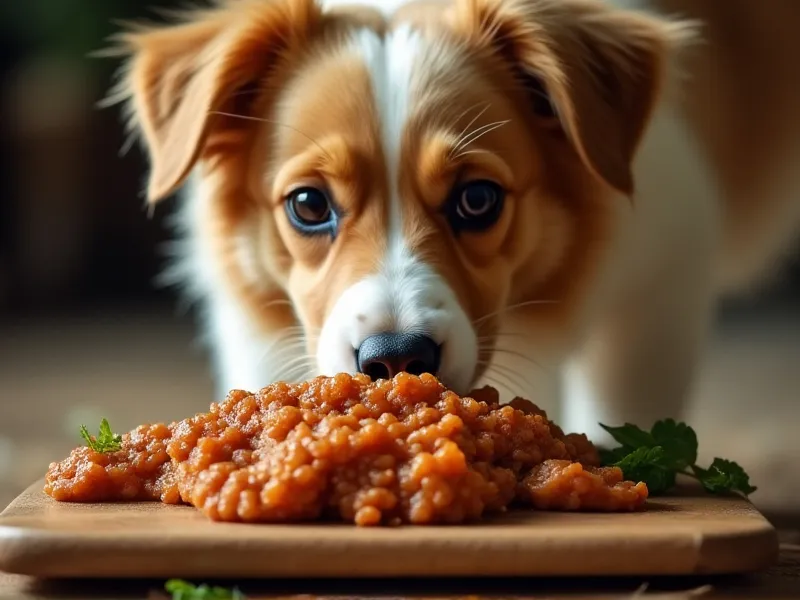
Table of Contents
- Can Dogs Eat Cooked Ground Turkey? The Short Answer
- The Benefits of Cooked Ground Turkey for Dogs
- Potential Risks to Watch Out For
- How to Safely Feed Cooked Ground Turkey to Your Dog
- Healthier Alternatives (When Turkey Isn’t the Best Choice)
- FAQ: Your Top Questions Answered
- Conclusion: Moderation is Key
Can Dogs Eat Cooked Ground Turkey? The Short Answer
Yes, dogs can eat cooked ground turkey—but only if it’s prepared properly and served in moderation. Plain, unseasoned, thoroughly cooked ground turkey is a lean, protein-rich treat that can complement your dog’s diet. However, there are important caveats: avoid added spices, bones, or excessive fat, as these can lead to health issues. Let’s break down the details to keep your pup happy and healthy.
The Benefits of Cooked Ground Turkey for Dogs
When served safely, cooked ground turkey offers several nutritional perks for your dog. Here’s why it might be a better choice than some other human foods:
1. High-Quality Protein for Muscle Health
Turkey is a complete protein, meaning it contains all the essential amino acids dogs need to build and repair muscles, support immune function, and maintain healthy skin and coat. According to the American Kennel Club (AKC), protein is the foundation of a dog’s diet, and lean sources like turkey can help keep their bodies strong—especially for active pups or senior dogs needing muscle support.
2. Rich in Essential Nutrients
Cooked ground turkey is packed with vitamins and minerals that benefit your dog:
- Iron: Helps red blood cells carry oxygen throughout the body, preventing anemia.
- Potassium: Supports heart health, muscle function, and proper fluid balance.
- B Vitamins (B6, B12): Aids in energy metabolism and brain health, keeping your dog alert and active.
- Zinc: Boosts immune function and promotes healthy skin and coat.
3. Lower in Fat Than Some Meats (When Lean)
Opt for “lean” or “extra lean” ground turkey (look for 90% lean/10% fat or higher) to avoid excess calories. This makes it a great option for dogs on weight management diets or those prone to pancreatitis (a painful inflammation of the pancreas often triggered by high-fat foods).
Potential Risks to Watch Out For
While cooked ground turkey can be safe, certain pitfalls can turn this treat into a problem. Here’s what to avoid:
1. Seasonings and Additives (Toxic to Dogs!)
The biggest risk comes from seasoned ground turkey. Onions, garlic, salt, pepper, and spices like paprika or chili powder are toxic to dogs. Onions and garlic, in particular, contain compounds that damage red blood cells, leading to anemia (symptoms include weakness, lethargy, and pale gums). Even small amounts can be harmful over time, according to the ASPCA Poison Control Center.
2. Undercooked Meat (Bacterial Risks)
Raw or undercooked ground turkey may contain harmful bacteria like Salmonella or E. coli, which can cause vomiting, diarrhea, or even serious illness in dogs (and humans!). Always cook ground turkey to an internal temperature of 165°F (74°C) to kill pathogens, as recommended by the Centers for Disease Control and Prevention (CDC).
3. Bones (Choking and Blockage Hazards)
Ground turkey is usually boneless, but double-check! Even tiny bone fragments can splinter and get stuck in your dog’s throat, esophagus, or intestines, leading to choking or a life-threatening blockage. If you’re grinding turkey at home, ensure all bones are removed first.
4. Excess Fat (Pancreatitis Risk)
Fatty ground turkey (e.g., 80/20 fat content) can trigger pancreatitis in dogs—a condition where the pancreas becomes inflamed, causing severe abdominal pain, vomiting, and diarrhea. This is especially dangerous for breeds prone to pancreatitis, like Miniature Schnauzers or Cocker Spaniels. Stick to lean varieties to avoid this risk.
5. Overfeeding (Upset Stomach or Obesity)
Turkey should be a treat, not a replacement for your dog’s balanced kibble or wet food. Too much can lead to stomach upset (diarrhea, gas) or weight gain, as extra calories add up quickly.
How to Safely Feed Cooked Ground Turkey to Your Dog
Follow these steps to ensure your dog enjoys ground turkey safely:
Step 1: Choose the Right Turkey
- Buy lean or extra lean ground turkey (90% lean/10% fat or higher). Avoid “regular” ground turkey, which often includes skin and dark meat, increasing fat content.
- Opt for organic or antibiotic-free turkey if possible, to reduce exposure to additives.
Step 2: Cook It Thoroughly (No Pink!)
- Cook ground turkey in a skillet or oven until it’s no longer pink. Use a meat thermometer to check for an internal temperature of 165°F (74°C).
- Drain any excess fat after cooking to further reduce fat intake.
Step 3: Keep It Plain
- No seasonings! Skip salt, pepper, garlic, onions, or sauces. Even a sprinkle of garlic powder can be toxic over time.
- Avoid adding extras like cheese, butter, or oil—these add unnecessary calories and fat.
Step 4: Cool and Portion Appropriately
- Let the cooked turkey cool to room temperature to avoid burning your dog’s mouth.
- Serve small portions: Treats should make up no more than 10% of your dog’s daily calories. A general guideline:
- Small dogs (under 20 lbs): 1–2 tablespoons per day
- Medium dogs (20–50 lbs): 2–3 tablespoons per day
- Large dogs (50+ lbs): 3–4 tablespoons per day
Step 5: Mix or Serve Plain
- Serve turkey plain as a standalone treat, or mix a small amount into your dog’s regular food to add flavor. Avoid replacing their full meal, as turkey alone lacks essential nutrients (like fiber) found in balanced dog food.
Healthier Alternatives (When Turkey Isn’t the Best Choice)
If your dog has a turkey allergy, or you’re looking for variety, these alternatives are just as safe and nutritious:
1. Skinless Chicken Breast (Leaner Than Ground Turkey)
Chicken breast is even lower in fat than lean ground turkey and offers similar protein benefits. Shred cooked chicken and serve plain for a light treat.
2. Salmon (Omega-3s for Skin/Coat)
Cooked, boneless salmon is rich in omega-3 fatty acids, which reduce inflammation and support healthy skin and joints. Serve in small amounts (once or twice a week) to avoid mercury buildup.
3. Lean Beef (Occasional Treat)
Ground beef (90% lean or higher) is another protein source, but feed it sparingly due to higher saturated fat than turkey or chicken.
4. Cottage Cheese (Calcium + Protein)
Low-fat cottage cheese is a great dairy option for dogs (most can tolerate lactose in small amounts). It’s high in protein and calcium, supporting bone health.
FAQ: Your Top Questions Answered
Q: Can dogs eat raw ground turkey?
A: No. Raw turkey may contain Salmonella or E. coli, which can sicken your dog (and you, via cross-contamination). Always cook turkey thoroughly.
Q: My dog ate seasoned ground turkey—what should I do?
A: If the turkey contained onions, garlic, or large amounts of salt, contact your vet immediately. Symptoms of toxicity (lethargy, vomiting, pale gums) may appear within 24–72 hours. For small amounts of mild seasonings (like a pinch of pepper), monitor your dog for stomach upset and call the vet if symptoms occur.
Q: Is ground turkey better than chicken for dogs?
A: They’re similar! Both are lean, protein-rich, and safe when plain and cooked. Turkey may have slightly more iron, while chicken is often more affordable. Choose based on your dog’s preferences and fat tolerance.
Q: Can puppies eat cooked ground turkey?
A: Yes, in small amounts! Puppies need extra protein for growth, but their tummies are sensitive. Start with 1–2 teaspoons (for small breeds) and watch for diarrhea. Consult your vet before adding new foods to a puppy’s diet.
Q: Can dogs with kidney disease eat ground turkey?
A: Turkey is high in protein, which can be hard on dogs with kidney issues. Ask your vet first—they may recommend a lower-protein alternative.
Conclusion: Moderation is Key
Cooked ground turkey can be a delicious, healthy treat for your dog when prepared safely. It’s packed with protein, vitamins, and minerals, making it a better choice than many processed dog treats. Just remember: keep it plain, lean, and in small portions.
Every dog is unique, so if your pup has health conditions (like pancreatitis or allergies) or you’re unsure about adding turkey to their diet, consult your veterinarian. They can help tailor treats to your dog’s specific needs.
At the end of the day, sharing a bite of your turkey meatball with your begging pup is a sweet moment—just make sure it’s a safe one. With a little caution, you and your dog can enjoy many more cozy, treat-sharing evenings together.
Sources:
- American Kennel Club (AKC). “Can Dogs Eat Turkey?” akc.org
- American Veterinary Medical Association (AVMA). “Foods Toxic to Pets.” avma.org
- PetMD. “Turkey for Dogs: Benefits, Risks, and Serving Tips.” petmd.com
- VCA Hospitals. “Pancreatitis in Dogs.” vcahospitals.com