· 8 min read
Can Dogs Eat Cooked Green Beans? A Pet Parent’s Guide to Safe Snacking
It’s a familiar scene: You’re stirring a pot of steamed green beans for dinner, and your dog trots over, nose twitching, tail thumping against the cabinet. Those big, hopeful eyes seem to say, “Can I have a bite?” As pet parents, we want to share the best parts of our lives with our furry friends—including healthy, tasty snacks. But when it comes to human foods, it’s natural to wonder: Are green beans safe for dogs?
Green beans are a staple in many kitchens—crunchy, low-calorie, and packed with nutrients. But before you toss your pup a handful, let’s dive into the details. In this guide, we’ll answer whether cooked green beans are safe for dogs, break down their benefits and risks, and share tips for serving them responsibly. Spoiler: Your dog might just gain a new favorite snack!
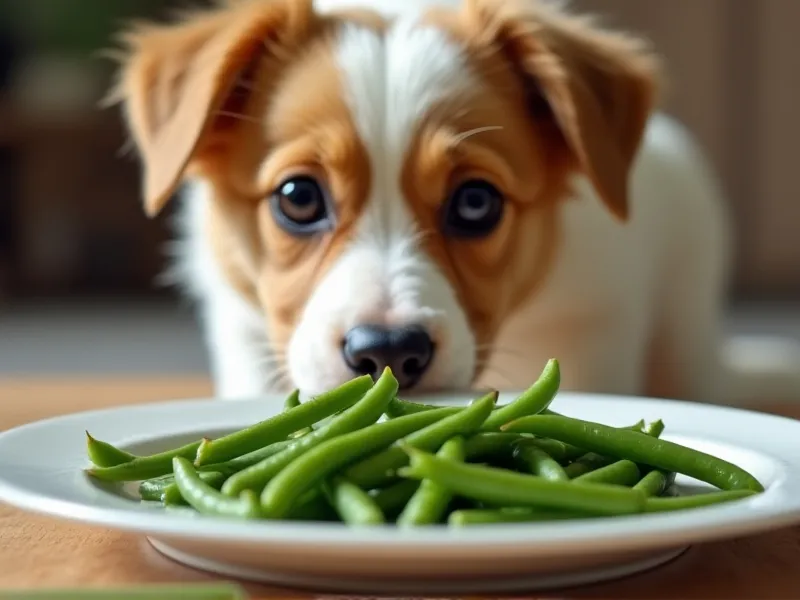
Table of Contents
- Can Dogs Eat Cooked Green Beans? The Short Answer
- Nutritional Benefits of Cooked Green Beans for Dogs
- Potential Risks of Feeding Cooked Green Beans to Dogs
- How Much Cooked Green Beans Can Dogs Eat? Guidelines
- Healthy Alternatives (or Complementary Veggies) to Green Beans
- Frequently Asked Questions (FAQ)
- Conclusion
Can Dogs Eat Cooked Green Beans? The Short Answer
Yes! Cooked green beans are generally safe and healthy for dogs when fed in moderation. In fact, many veterinarians recommend them as a low-calorie, nutrient-dense snack or meal topper. Unlike some human foods (looking at you, chocolate or onions), green beans are non-toxic and offer several health perks for your pup.
That said, “cooked” is key here. While raw green beans are not toxic, cooked green beans are easier for most dogs to digest—especially puppies, senior dogs, or those with sensitive stomachs. Steaming, boiling, or roasting (without added oils, salt, or seasonings) is best. Avoid canned green beans with added sugar, salt, or preservatives—those can harm your dog’s health.
Nutritional Benefits of Cooked Green Beans for Dogs
Green beans aren’t just a crunchy snack—they’re a nutritional powerhouse. Here’s how they can boost your dog’s health:
1. Fiber: Supports Digestion and Weight Management
Cooked green beans are rich in dietary fiber (about 2.7 grams per cup), which is fantastic for your dog’s gut. Fiber helps:
- Regulate bowel movements: Prevents constipation and diarrhea by adding bulk to stool.
- Aid weight loss: Green beans are low in calories (only ~31 calories per cup cooked) but high in volume, so they help dogs feel full without overeating. This makes them a great treat for overweight pups or those on a diet.
2. Vitamins: Essential for Overall Health
Green beans are loaded with vitamins that support your dog’s body:
- Vitamin A: Promotes healthy vision, skin, and coat. It’s also crucial for immune function.
- Vitamin C: An antioxidant that fights free radicals, reduces inflammation, and supports collagen production (for healthy joints and skin).
- Vitamin K: Important for blood clotting and bone health.
3. Minerals: Boost Heart and Organ Function
Key minerals in green beans include:
- Potassium: Regulates fluid balance, muscle function, and heart health. A deficiency can lead to weakness or irregular heartbeats.
- Iron: Helps transport oxygen in the blood (important for energy levels).
- Calcium: Supports strong bones and teeth (though green beans aren’t a primary source, every bit helps!).
4. Low-Calorie, Low-Fat, and Low-Sugar
Unlike many commercial dog treats (which can be high in fat or fillers), green beans are a “clean” snack. They contain no cholesterol, minimal fat, and naturally low sugar—making them ideal for dogs with diabetes, pancreatitis, or weight issues.
Potential Risks of Feeding Cooked Green Beans to Dogs
While green beans are generally safe, there are a few risks to watch for—most of which stem from how you prepare or portion them.
1. Added Sugars, Salt, or Seasonings
The biggest risk comes from canned green beans or pre-cooked varieties with additives. Many canned green beans are packed in syrup (added sugar) or salted water to enhance flavor for humans. Excess salt can lead to sodium ion poisoning in dogs, causing symptoms like vomiting, diarrhea, tremors, or even seizures. Always choose unsalted, no-sugar-added canned green beans—and rinse them thoroughly to remove residual salt.
2. Choking Hazard (Especially for Small Dogs)
Whole green beans, even cooked, can pose a choking risk for tiny breeds (e.g., Chihuahuas, Yorkies) or dogs who gulp their food. To prevent this, chop cooked green beans into bite-sized pieces before serving.
3. Stomach Upset from Overfeeding
While fiber is great, too much can backfire. Feeding large amounts of green beans may cause:
- Gas or bloating
- Diarrhea
- Stomach cramps
This is especially true for dogs unused to high-fiber diets. Start with small portions and monitor their reaction.
4. Pesticide Residue (If Not Washed)
Conventionally grown green beans may have pesticide residue, which can irritate your dog’s stomach. Always wash fresh green beans thoroughly under running water before cooking. For extra safety, opt for organic green beans.
5. Allergies (Rare but Possible)
Food allergies in dogs are uncommon, but some pups may react to green beans. Symptoms include itching, hives, or digestive upset. If you notice these, stop feeding green beans and consult your vet.
How Much Cooked Green Beans Can Dogs Eat? Guidelines
Moderation is key! Green beans should never replace your dog’s balanced commercial dog food, which is formulated to meet all their nutritional needs. Instead, they should be an occasional treat or meal topper.
A good rule of thumb: Treats (including green beans) should make up no more than 10% of your dog’s daily calorie intake. Here’s a rough guide based on weight:
| Dog Size | Weight Range | Recommended Daily Portion of Cooked Green Beans |
|---|---|---|
| Small | 5–20 lbs | 1–2 tablespoons (chopped) |
| Medium | 20–50 lbs | 2–3 tablespoons (chopped) |
| Large | 50+ lbs | 3–4 tablespoons (chopped) |
Pro Tip: If using green beans for weight loss, ask your vet to adjust your dog’s regular food portion to avoid overfeeding. For example, replace 10% of their kibble with green beans to reduce calories while keeping them full.
Healthy Alternatives (or Complementary Veggies) to Green Beans
If your dog isn’t a green bean fan (or you want to mix things up), these veggies are also safe and nutritious:
1. Carrots
Crunchy and sweet, carrots are high in beta-carotene (which converts to vitamin A) and fiber. Cooked or raw (chopped for small dogs), they’re great for dental health—chewing raw carrots can help scrape plaque!
2. Sweet Potatoes
Cooked sweet potatoes (no skin, plain) are packed with fiber, vitamin A, and potassium. They’re a bit higher in calories than green beans, so portion carefully.
3. Peas
Fresh or frozen (thawed, no salt), peas are rich in vitamins A, C, and K, plus protein. They’re a fun, bite-sized snack for dogs of all sizes.
4. Broccoli
Steamed broccoli florets (no stalks, which can be a choking hazard) are low-calorie and high in fiber, vitamin C, and antioxidants. Avoid overfeeding—too much can cause gas.
5. Zucchini
Cooked zucchini is mild, hydrating, and full of fiber and vitamin A. It’s a great low-calorie option for picky eaters.
Frequently Asked Questions (FAQ)
Q: Can dogs eat raw green beans?
A: Yes, raw green beans are safe for most dogs, but cooked green beans are easier to digest—especially for puppies, seniors, or dogs with sensitive stomachs. Raw green beans can also be a choking hazard for small dogs, so chop them first.
Q: Are canned green beans safe for dogs?
A: Only if they’re unsalted, no-sugar-added, and rinsed thoroughly to remove excess sodium. Avoid canned green beans in syrup or with seasonings (like garlic or onion, which are toxic to dogs).
Q: Can green beans help my dog lose weight?
A: Yes! Green beans are low-calorie, high-fiber, and filling, making them an excellent “filler” for overweight dogs. Ask your vet to create a weight-loss plan that includes green beans as a treat or meal topper.
Q: My dog ate too many green beans—what should I do?
A: Monitor for signs of stomach upset (gas, diarrhea, vomiting). If symptoms are mild, offer plenty of water and withhold treats for 12–24 hours. If severe (e.g., persistent vomiting, lethargy), contact your vet.
Q: Are green beans safe for dogs with kidney disease?
A: Green beans are low in phosphorus and sodium, which is good for dogs with kidney issues, but they do contain potassium. Dogs with advanced kidney disease may need to limit potassium, so check with your vet first.
Conclusion
Cooked green beans are a wonderful, healthy snack for dogs when fed in moderation. They’re packed with fiber, vitamins, and minerals, support digestion and weight management, and are low in calories. Just remember to:
- Choose plain, cooked green beans (steamed, boiled, or roasted—no salt, sugar, or seasonings).
- Avoid canned varieties with additives.
- Chop them into small pieces to prevent choking (especially for small dogs).
- Limit portions to 10% of your dog’s daily calories.
As always, every dog is unique—if your pup has health issues (like diabetes or kidney disease), or if you’re unsure about adding green beans to their diet, consult your vet.
So go ahead—share a few cooked green beans with your furry friend. They’ll wag their tail, and you’ll feel good knowing you’re giving them a snack that’s as healthy as it is delicious!
References: