· 8 min read
Can Dogs Eat Cooked Fish? A Pet Parent’s Guide to Benefits, Risks, and Safe Feeding
Picture this: You’re searing a salmon fillet for dinner, the aroma filling the kitchen, when your dog trots over, tail wagging, nose twitching. Those big, pleading eyes seem to say, “Share a bite?” It’s a common scenario—we love treating our pups, but we also worry: Is cooked fish safe for dogs?
If you’ve ever asked that question, you’re in the right place. Fish is a nutrient-dense food for humans, but what about our four-legged friends? In this guide, we’ll break down everything you need to know: whether dogs can eat cooked fish, the benefits it offers, potential risks to watch for, and how to serve it safely. Let’s dive in!
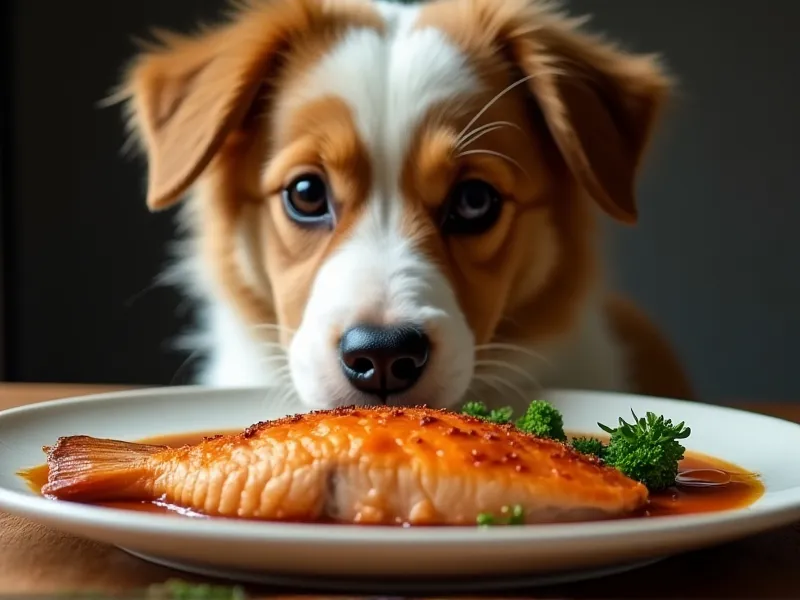
Table of Contents
- Can Dogs Eat Cooked Fish? The Short Answer
- The Benefits of Cooked Fish for Dogs
- Risks to Watch For: What Makes Fish Unsafe?
- How Much Cooked Fish Can Dogs Eat? Guidelines for Safe Feeding
- Healthier Alternatives to Cooked Fish (When Needed)
- FAQ: Your Top Questions Answered
- Conclusion: Cooked Fish as a Treat—With Caution
- References
Can Dogs Eat Cooked Fish? The Short Answer
Yes, dogs can eat cooked fish—but only plain, properly prepared fish. When served correctly (deboned, unseasoned, and fully cooked), fish can be a healthy, nutrient-packed treat for most dogs. However, not all fish or preparation methods are safe. Avoid fish with bones, added seasonings (like garlic, onion, or salt), or high mercury levels. As with any new food, moderation is key—fish should never replace your dog’s balanced, vet-approved kibble or wet food.
The Benefits of Cooked Fish for Dogs
Fish isn’t just a tasty treat; it’s a nutritional powerhouse. Here’s why plain, cooked fish can be a great addition to your dog’s diet (in moderation!):
1. Omega-3 Fatty Acids: For Skin, Coat, and Joints
Omega-3s (like EPA and DHA) are superhero nutrients for dogs. They reduce inflammation, support healthy skin and a shiny coat (goodbye, dry flakes!), and may ease joint pain in dogs with arthritis. Fatty fish like salmon, mackerel, and sardines are rich in these fats. For example, salmon is often recommended by vets to help dogs with allergies or dull coats.
2. High-Quality Protein: Building Blocks for Muscles
Fish is an excellent source of lean protein, which is essential for muscle repair, growth, and overall energy. Unlike fatty meats, fish protein is easy to digest, making it a good option for dogs with sensitive stomachs (as long as it’s cooked and unseasoned).
3. Vitamins and Minerals: Supporting Overall Health
- Vitamin D: Helps absorb calcium and phosphorus, keeping bones strong. Many dogs (especially indoor pups) are deficient in vitamin D, and fatty fish like salmon are a natural source.
- Vitamin B12: Supports nerve function and red blood cell production.
- Selenium: An antioxidant that boosts the immune system and protects cells from damage.
- Iodine: Important for thyroid health, which regulates metabolism.
4. Low in Saturated Fat: Gentle on the Tummy
Compared to red meat, fish is low in saturated fat, making it a heart-healthy choice. This is especially true for lean fish like cod or haddock, which are easy on the digestive system.
Risks to Watch For: What Makes Fish Unsafe?
While cooked fish has benefits, it’s not without risks. Here’s what to avoid to keep your pup safe:
1. Bones: A Choking and Internal Hazard
Fish bones—even small ones—are a major risk. They can splinter, get stuck in your dog’s throat (choking), or pierce the digestive tract (causing internal bleeding or blockages). Always debone fish thoroughly before feeding it to your dog. Soft-boned fish like sardines (canned in water, no salt) are an exception—their tiny bones are usually safe to eat and even add calcium!
2. Seasonings and Additives: Toxic or Irritating
Never feed dogs fish cooked with:
- Garlic/onion: These contain thiosulfate, which is toxic to dogs and can damage red blood cells.
- Salt/spices: Excess salt leads to dehydration or sodium ion poisoning; spices like pepper or chili can irritate the stomach.
- Butter/oil/sauces: High-fat additions (like frying oil or creamy sauces) can trigger pancreatitis, especially in dogs prone to the condition.
Stick to plain, unseasoned fish—boiled, baked, or grilled (no oil!).
3. Mercury: A Hidden Danger in Large Fish
Mercury accumulates in fish, especially large, predatory species that eat smaller fish (e.g., tuna, swordfish, shark, king mackerel). Over time, mercury can damage a dog’s nervous system. Opt for low-mercury fish instead: salmon, sardines, trout, cod, or haddock.
4. Foodborne Illness: Bacteria and Parasites
Undercooked fish may contain harmful bacteria (like Salmonella or Listeria) or parasites (like tapeworms). These can cause vomiting, diarrhea, or more severe illness in dogs. Always cook fish to an internal temperature of 145°F (63°C) to kill pathogens.
5. Allergies: Rare, But Possible
Fish allergies in dogs are uncommon, but they do happen. Signs include itching, red skin, ear infections, or digestive upset. If your dog has never had fish before, start with a tiny amount and monitor for 24–48 hours.
Risks to Watch For: What Makes Fish Unsafe?
To keep your dog safe, avoid these common fish-related pitfalls:
1. Raw Fish: Not Worth the Risk
Raw fish (even sushi-grade) can harbor parasites (like Anisakis) or bacteria. While some raw feeding diets include fish, most vets recommend cooking it unless you’re following a strictly vet-approved raw plan.
2. Fried Fish: High in Fat and Unhealthy Additives
Fried fish (like fish and chips) is loaded with oil, salt, and breading—all bad for dogs. The high fat content can cause pancreatitis, a painful and potentially life-threatening condition.
3. Canned Fish with Added Salt or Oil
Canned fish is convenient, but many brands add salt or oil (like vegetable oil) for flavor. Always choose water-packed canned fish (e.g., sardines in water, no salt added) to avoid excess sodium.
4. Overfeeding: Upsetting the Stomach
Even safe fish can cause diarrhea or vomiting if fed in large amounts. Fish should be a treat, not a meal. Too much can also lead to weight gain (thanks to those healthy fats!).
How Much Cooked Fish Can Dogs Eat? Guidelines for Safe Feeding
The key to feeding fish safely is moderation and preparation. Here’s how to do it right:
1. Portion Size: Treats = 10% of Daily Calories
Fish should make up no more than 10% of your dog’s daily calories. For example:
- A 10-pound dog (eats ~300 calories/day) can have 1–2 ounces of cooked, deboned fish 2–3 times a week.
- A 50-pound dog (eats ~800 calories/day) can have 3–4 ounces 2–3 times a week.
Puppies, senior dogs, or dogs with health issues (like diabetes) may need smaller portions—check with your vet first.
2. Preparation Tips: Keep It Simple
- Debone thoroughly: Use tweezers to remove even tiny bones (they’re easy to miss!).
- Cook fully: Bake, boil, or grill—no oil, butter, or seasoning.
- Avoid seasoning: No salt, garlic, lemon, or herbs. Plain is best!
- Cool before serving: Let fish cool to room temperature to avoid burning your dog’s mouth.
3. Best Fish Choices (Low Mercury, High Nutrition)
Stick to these safe, nutrient-dense options:
- Salmon (wild-caught is ideal, but farm-raised is okay too)
- Sardines (canned in water, no salt—soft bones are safe!)
- Trout
- Cod
- Haddock
4. Worst Fish Choices (High Mercury or Risky)
Avoid:
- Tuna (especially albacore “white” tuna, high in mercury)
- Swordfish
- Shark
- King mackerel
Healthier Alternatives to Cooked Fish (When Needed)
If fish isn’t an option (e.g., your dog dislikes it, has an allergy, or you’re out of safe fish), these treats are just as healthy:
- Cooked lean meats: Chicken, turkey, or beef (unseasoned, no bones).
- Plain cooked veggies: Carrots, green beans, or sweet potatoes (great for fiber).
- Fruits: Blueberries, apples (no seeds), or bananas (in moderation—high sugar).
- Canned pumpkin: Unsweetened, plain pumpkin (supports digestion).
FAQ: Your Top Questions Answered
Q: Can dogs eat fish skin?
A: Yes, if it’s cooked and plain! Fish skin is a good source of omega-3s and protein. Just avoid skin with seasoning, scales, or sharp edges.
Q: My dog ate fish bones—what should I do?
A: Stay calm. Small, soft bones (like sardine bones) may pass safely, but sharp or large bones can be dangerous. Watch for signs of distress: choking, gagging, vomiting, lethargy, or loss of appetite. If you see these, contact your vet immediately.
Q: Is canned tuna safe for dogs?
A: In very small amounts, light tuna (lower mercury) is okay as an occasional treat. Avoid albacore tuna, and never feed tuna packed in oil or salt.
Q: Can puppies eat cooked fish?
A: Yes, but in tiny portions. Puppies have sensitive tummies, so start with 1–2 bites of deboned, cooked salmon or cod to avoid upset.
Q: How often can I feed my dog cooked fish?
A: 2–3 times a week at most. Too much can lead to digestive issues or mercury buildup.
Conclusion: Cooked Fish as a Treat—With Caution
Cooked fish can be a healthy, delicious treat for your dog when prepared properly. It’s packed with omega-3s, protein, and vitamins that support their skin, coat, joints, and more. But remember: Always debone it, skip the seasoning, cook it thoroughly, and feed in moderation.
If you’re unsure whether fish is right for your dog (e.g., they have pancreatitis, allergies, or other health issues), check with your vet first. Every dog is unique, and your vet can help you tailor treats to their needs.
At the end of the day, sharing a bite of plain, cooked salmon with your pup (after deboning, of course!) can be a sweet way to bond—just make sure safety comes first.
Happy treating, and here’s to many tail wags (and shiny coats)!
References
- American Kennel Club (AKC). “Can Dogs Eat Fish?” akc.org
- PetMD. “Is Fish Good for Dogs?” petmd.com
- U.S. Food and Drug Administration (FDA). “Mercury in Fish: Advice for Pregnant Women and Parents.” fda.gov
- Centers for Disease Control and Prevention (CDC). “Preventing Foodborne Illness in Pets.” cdc.gov
- American College of Veterinary Nutrition (ACVN). “Nutrition for Dogs.” acvn.org