· 8 min read
Can Dogs Eat Cooked Egg Yolks? A Pet Parent’s Guide to Safety, Benefits, and Moderation
It’s a lazy Sunday morning, and you’re standing at the stove, flipping a perfectly sunny-side-up egg. The aroma fills the kitchen, and suddenly, you feel a wet nose nudge your hand. You look down to find your dog, tail thumping, eyes locked on that golden, glistening yolk. “Can I share?” their expression seems to ask.
If you’ve ever wondered whether cooked egg yolks are safe for your pup, you’re not alone. As pet parents, we’re hyper-vigilant about what we feed our furry friends, and human foods can feel like a minefield. But here’s the good news: egg yolks are a common, nutrient-dense food—and when prepared properly, they can even be a healthy addition to your dog’s diet.
In this guide, we’ll break down everything you need to know: Are cooked egg yolks safe? What benefits do they offer? What risks should you watch for? And how much is “too much”? Let’s dive in.
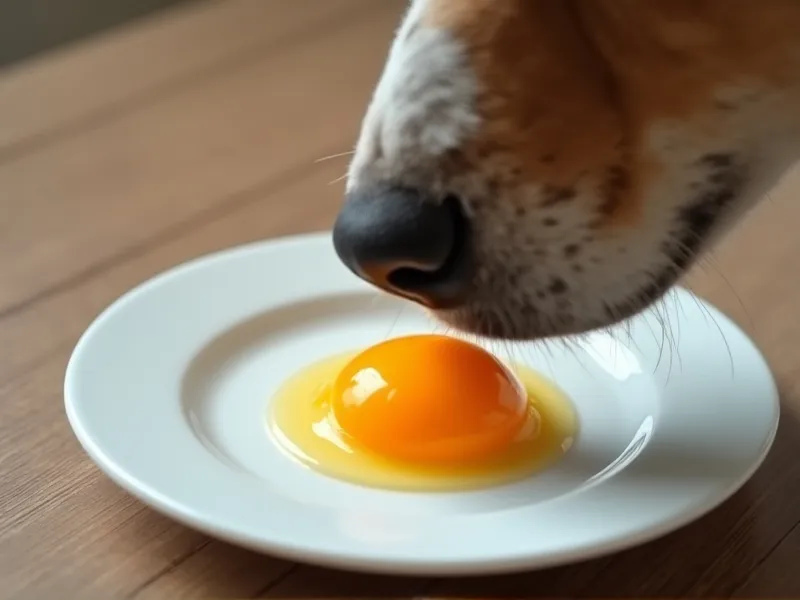
Table of Contents
- Can Dogs Eat Cooked Egg Yolks? The Short Answer
- The Nutritional Power of Cooked Egg Yolks: Why They Might Benefit Your Dog
- Potential Risks: When Cooked Egg Yolks Could Be a Problem
- How Much Cooked Egg Yolk Can Dogs Safely Eat? Guidelines by Size
- Healthier Alternatives: Mixing Up Your Dog’s Treats
- FAQ: Your Top Questions Answered
- Conclusion: Moderation is Key
- References
Can Dogs Eat Cooked Egg Yolks? The Short Answer
Yes, cooked egg yolks are generally safe for dogs to eat in moderation.
Unlike raw eggs (which carry a risk of salmonella or biotin deficiency), fully cooked egg yolks are a low-risk, nutrient-packed treat for most dogs. They’re rich in protein, healthy fats, and essential vitamins—making them a great occasional snack when served plain (no salt, butter, or seasonings, please!).
But as with any human food, “moderation” is the keyword. Too much of a good thing can lead to stomach upset or other issues, so let’s break down the “why” and “how” behind feeding your dog cooked egg yolks.
The Nutritional Power of Cooked Egg Yolks: Why They Might Benefit Your Dog
Egg yolks often get a bad rap in human diets, but for dogs, they’re a nutritional powerhouse. Here’s why that golden yolk might be worth sharing (in small doses):
1. High-Quality Protein
Dogs need protein to build muscle, repair tissues, and support a healthy coat and skin. Egg yolks are loaded with complete protein, meaning they contain all the essential amino acids your dog’s body can’t produce on its own. In fact, eggs are often called the “gold standard” for protein quality—even better than some meats!
2. Healthy Fats for Energy and Brain Health
Egg yolks are rich in omega-3 and omega-6 fatty acids, which support your dog’s skin and coat (hello, shiny fur!) and help reduce inflammation. They also contain linoleic acid, an essential fatty acid that aids in brain development (especially important for puppies) and overall energy levels.
3. Choline: A Brain and Liver Superstar
Choline is a nutrient many dog foods overlook, but it’s critical for your pup’s health. It supports liver function (helping break down toxins), brain development (memory and learning), and even fetal health in pregnant dogs. A single egg yolk contains about 60–70 mg of choline—more than most dog foods provide in a full meal!
4. Vitamins and Minerals Galore
Egg yolks are packed with vitamins and minerals your dog needs to thrive:
- Vitamin A: Supports vision, immune function, and skin health.
- Vitamin D: Helps absorb calcium and phosphorus for strong bones.
- Vitamin E: An antioxidant that protects cells from damage.
- B Vitamins (B12, Folate): Boost energy metabolism and red blood cell production.
- Iron and Selenium: Iron aids in oxygen transport; selenium supports thyroid function and immunity.
5. Lutein and Zeaxanthin for Eye Health
These two antioxidants are famous for supporting human eye health, and they work for dogs too! They help protect against age-related eye diseases (like macular degeneration) and keep your dog’s vision sharp.
Bottom line: Cooked egg yolks are more than just a tasty treat—they’re a nutrient-dense addition to your dog’s diet when served properly.
Potential Risks: When Cooked Egg Yolks Could Be a Problem
While cooked egg yolks are safe for most dogs, there are a few risks to keep in mind. As with any new food, moderation and observation are key.
1. High Fat Content = Pancreatitis Risk
Egg yolks are high in fat (about 5 grams per yolk). For dogs, too much fat can trigger pancreatitis—a painful inflammation of the pancreas that can lead to vomiting, diarrhea, and even hospitalization. This is especially risky for dogs with a history of pancreatitis, obesity, or sensitive stomachs.
2. Stomach Upset from Overindulgence
Even if your dog doesn’t develop pancreatitis, too many egg yolks can cause digestive issues. The high fat content may lead to diarrhea, vomiting, or gas—especially if your dog isn’t used to rich foods.
3. Choking Hazard for Small Dogs
A whole, unbroken egg yolk (like in a sunny-side-up egg) can be a choking risk for toy breeds or small dogs. Always mash or cut the yolk into tiny pieces before serving to avoid this!
4. Allergic Reactions (Rare but Possible)
Food allergies in dogs are most common with proteins like chicken, beef, or dairy—but eggs are a possible trigger, too. Symptoms of an allergic reaction include itching, red skin, ear infections, or gastrointestinal upset. If your dog has never had eggs before, start with a tiny piece and watch for signs of discomfort.
5. Added Seasonings or Cooking Oils
This isn’t a risk of the yolk itself, but how you prepare it. Never serve egg yolks cooked with butter, oil, salt, pepper, or spices (like garlic or onion, which are toxic to dogs). Plain, boiled, scrambled, or poached yolks are the only safe options.
How Much Cooked Egg Yolk Can Dogs Safely Eat? Guidelines by Size
The key to feeding egg yolks is portion control. Here’s a general rule of thumb based on your dog’s weight:
| Dog Size | Max Yolk per Serving | Frequency |
|---|---|---|
| Small (5–20 lbs) | ¼ to ½ of a yolk | 1–2 times per week |
| Medium (20–50 lbs) | ½ to 1 yolk | 2–3 times per week |
| Large (50+ lbs) | 1 yolk | 2–3 times per week |
Pro Tips for Serving:
- Cook thoroughly: Soft-boiled, hard-boiled, scrambled, or poached—any cooked method is fine, as long as there’s no added fat or seasoning.
- Mash or chop: For small dogs, mash the yolk with a fork or cut into pea-sized pieces to avoid choking.
- Mix with food: Stir a tiny bit of yolk into your dog’s regular kibble to make mealtime more exciting (and boost nutrition!).
- Watch calories: Egg yolks are calorie-dense (about 55 calories per yolk). If you’re adding them to your dog’s diet, reduce their main meal slightly to avoid weight gain.
Healthy Alternatives: Mixing Up Your Dog’s Treats
Egg yolks are great, but variety is the spice of life (for dogs too!). If you want to switch up your pup’s treats, try these nutrient-rich alternatives:
1. Cooked Egg Whites
Egg whites are lower in fat than yolks and still high in protein. They’re a better option for dogs on low-fat diets or prone to pancreatitis. Just avoid raw whites (they contain avidin, which blocks biotin absorption).
2. Plain Greek Yogurt
Unsweetened Greek yogurt is packed with probiotics (good for gut health) and protein. It’s a creamy, low-calorie treat—perfect for freezing into summer popsicles!
3. Pumpkin (Canned, Unsweetened)
Pumpkin is high in fiber and beta-carotene (which converts to vitamin A). It’s great for dogs with digestive issues (constipation or diarrhea) and low in calories.
4. Sweet Potato
Baked or boiled sweet potato is a vitamin-rich (A, C, B6) snack that’s gentle on the stomach. Slice into cubes and dehydrate for a crunchy treat!
5. Blueberries
These tiny berries are loaded with antioxidants, fiber, and vitamins. They’re low in calories and make a great training reward.
FAQ: Your Top Questions Answered
Q: Can puppies eat cooked egg yolks?
A: Yes! Puppies need extra nutrients for growth, and egg yolks are a great source of protein, choline, and healthy fats. Stick to small portions (¼ yolk for toy breeds, ½ for medium puppies) to avoid stomach upset.
Q: Can dogs eat egg yolks every day?
A: It’s not recommended. Daily yolks could lead to too much fat intake, increasing the risk of pancreatitis or weight gain. Stick to 2–3 times per week at most.
Q: Are hard-boiled yolks better than soft-boiled?
A: Both are safe! The cooking method doesn’t affect the nutritional value—just avoid runny yolks if you’re worried about bacteria (though fully cooked is always best).
Q: My dog ate a whole egg yolk—should I panic?
A: Probably not! A single whole yolk is unlikely to cause harm, but monitor for diarrhea or vomiting. If your dog is small, obese, or has pancreatitis, contact your vet to be safe.
Q: Can dogs with allergies eat egg yolks?
A: If your dog has a known egg allergy, avoid yolks entirely. If they’ve never had eggs, introduce a tiny amount first and watch for itching, redness, or GI issues.
Conclusion: Moderation is Key
Cooked egg yolks are a safe, nutrient-dense treat for most dogs—packed with protein, healthy fats, and essential vitamins like choline. When served in small, plain portions (and without added seasonings), they can be a delicious way to boost your pup’s diet.
As with any human food, though, moderation is critical. Too many yolks can lead to stomach upset or pancreatitis, so stick to the portion guidelines above. And if your dog has health issues (like obesity, pancreatitis, or food allergies), always check with your vet before adding new foods.
At the end of the day, sharing a tiny piece of your breakfast yolk with your dog is a sweet way to bond—and now you can do it with confidence!
References
- American Kennel Club (AKC). “Can Dogs Eat Eggs?” akc.org/expert-advice/nutrition/can-dogs-eat-eggs
- ASPCA. “People Foods to Avoid Feeding Your Pets.” aspca.org/pet-care/animal-poison-control/people-foods-avoid-feeding-your-pets
- VCA Animal Hospitals. “Eggs for Dogs: Are They Safe?” vcahospitals.com/know-your-pet/eggs-for-dogs-are-they-safe
- PetMD. “Nutrition for Dogs: What’s in an Egg?” petmd.com/dog/nutrition/evr_dg_can_dogs_eat_eggs