· 8 min read
Can Dogs Eat Cooked Egg Yolk? Benefits, Risks, and Safe Guidelines for Pet Parents
It’s a quiet Sunday morning. You’re savoring a plate of fluffy scrambled eggs, and your dog—let’s call her Bella—sits at your feet, tail thumping like a metronome. Her big, soulful eyes lock onto your fork, and you can almost hear her thinking, “Is that for me? Please, just a bite?”
If you’re a pet parent, you’ve probably faced this scenario. Eggs are a breakfast staple for humans, but are they safe for our four-legged friends? Specifically, can dogs eat cooked egg yolk?
As a dog lover myself, I get it: You want to share the little joys of life with your pup, but you also want to keep them healthy. That’s why we’re diving deep into this question today. We’ll cover the nutritional perks, potential risks, how much to feed, and even answer some of your most pressing FAQs. By the end, you’ll know exactly whether that leftover egg yolk belongs in Bella’s bowl—or back in yours.
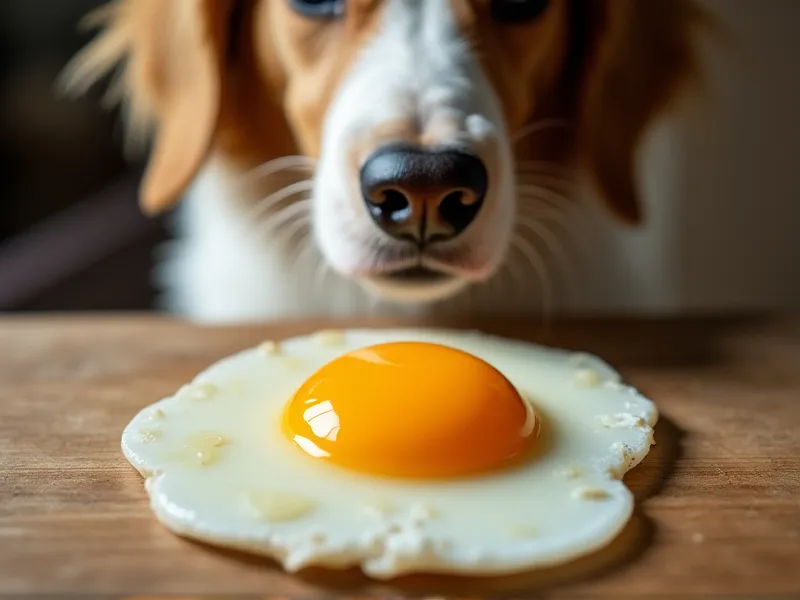
Table of Contents
- Can Dogs Eat Cooked Egg Yolk? The Short Answer
- The Nutritional Benefits of Cooked Egg Yolk for Dogs
- Potential Risks: What to Watch Out For
- How Much Cooked Egg Yolk Is Safe for Dogs? (By Size)
- Healthier Alternatives (or Complements) to Egg Yolk
- FAQ: Your Most Common Questions Answered
- Conclusion: Moderation is Key
- References
1. Can Dogs Eat Cooked Egg Yolk? The Short Answer
Yes! Dogs can safely eat cooked egg yolk—in moderation.
Eggs are often called “nature’s multivitamin,” and their yolks are packed with nutrients that can benefit your dog’s health. Cooked egg yolk is gentle on their stomach, easy to digest, and free of the salmonella risk that comes with raw eggs (more on that later).
But like any treat, balance is key. Too much of a good thing can lead to issues, so let’s break down the “why” behind the “yes”—and what to watch for.
2. The Nutritional Benefits of Cooked Egg Yolk for Dogs
Cooked egg yolk isn’t just a tasty snack—it’s a nutrient-dense addition to your dog’s diet. Let’s unpack the good stuff:
Protein: The Building Block of a Strong Pup
Egg yolks are rich in high-quality, complete protein, meaning they contain all nine essential amino acids dogs need to thrive. Protein supports muscle growth and repair, keeps their coat shiny, and helps maintain a healthy immune system. For active dogs, seniors, or those recovering from illness, this protein boost can be especially valuable.
Vitamins A, D, E, K: A Powerhouse for Overall Health
- Vitamin A: Essential for vision (hello, bright eyes!), skin health, and a robust immune system. It also supports cell growth—critical for puppies and adult dogs alike.
- Vitamin D: Often called the “sunshine vitamin,” it helps your dog absorb calcium and phosphorus, keeping bones and teeth strong. Many dogs don’t get enough vitamin D from sunlight alone, so egg yolks are a handy source.
- Vitamin E: An antioxidant that fights free radicals, reducing inflammation and supporting skin and coat health. It’s also linked to heart health in dogs.
- Vitamin K: Important for blood clotting. While dogs usually produce vitamin K in their gut, egg yolks add an extra layer of support.
B Vitamins: Fuel for Energy and Brain Health
Egg yolks are loaded with B vitamins, including B12, riboflavin (B2), and folate (B9). These nutrients help convert food into energy, support brain function, and keep the nervous system running smoothly. B12, in particular, is vital for red blood cell formation—no tired pups here!
Minerals: Iron, Selenium, and Potassium
- Iron: Helps transport oxygen in the blood, preventing anemia and keeping your dog active.
- Selenium: Another antioxidant that works with vitamin E to protect cells from damage. It also supports thyroid function, which regulates metabolism.
- Potassium: An electrolyte that keeps muscles (including the heart!) and nerves working properly. It also helps balance fluids in the body.
Choline: The Unsung Hero for Brain and Liver Health
Choline is a nutrient many pet parents haven’t heard of, but it’s a big deal. It supports brain development (especially in puppies), aids liver function (helping your dog process toxins), and even boosts memory and cognitive health in senior dogs. According to veterinary nutritionists, choline is often lacking in commercial dog foods, making egg yolks a smart addition.
3. Potential Risks: What to Watch Out For
While cooked egg yolk is generally safe, there are a few risks to keep in mind. Being aware of these will help you keep your pup happy and healthy.
High Fat Content: A Risk for Pancreatitis and Obesity
Egg yolks are calorie-dense and high in fat (about 5 grams per yolk). For dogs prone to pancreatitis (a painful inflammation of the pancreas), or those with obesity or diabetes, too much fat can trigger health issues. Even healthy dogs can gain weight if they’re overfed egg yolks, so portion control is non-negotiable.
Choking Hazard: Size Matters
Whole or large chunks of egg yolk can pose a choking risk, especially for small dogs. Always mash or chop cooked egg yolk into bite-sized pieces before feeding it to your pup.
Allergies: Rare, but Possible
Food allergies in dogs are uncommon, but they can happen. Signs of an egg allergy include itching, red skin, ear infections, vomiting, or diarrhea. If your dog has never had eggs before, start with a tiny amount and monitor them for 24 hours.
The Raw vs. Cooked Debate: Why Cooked is Safer
You might have heard claims that “raw eggs are better” for dogs, but most vets disagree. Raw egg yolks (and whites) can carry salmonella or E. coli, which can make your dog sick (and potentially you, too, via cross-contamination). Cooking eggs kills these bacteria, making them safer for your pup.
4. How Much Cooked Egg Yolk Is Safe for Dogs? Guidelines by Size
The golden rule: Treats should make up no more than 10% of your dog’s daily calories. For egg yolks, here’s a rough guide based on your dog’s weight:
| Dog Size | Weight Range | Recommended Amount (Cooked Egg Yolk) | Frequency |
|---|---|---|---|
| Small (e.g., Chihuahua, Yorkie) | Under 20 lbs | ¼ to ½ yolk | 2–3 times per week |
| Medium (e.g., Beagle, Cocker Spaniel) | 20–50 lbs | ½ to 1 yolk | 2–3 times per week |
| Large (e.g., Labrador, German Shepherd) | 50–90 lbs | 1 yolk | 2–3 times per week |
| Giant (e.g., Great Dane, Mastiff) | Over 90 lbs | 1–2 yolks | 2–3 times per week |
Pro Tip: Mix the cooked egg yolk into your dog’s regular food, or serve it plain as a treat. Avoid adding salt, butter, or seasonings—these can upset their stomach.
5. Healthier Alternatives (or Complements) to Egg Yolk
Egg yolks are great, but variety is key to a balanced diet. Here are some other nutrient-rich treats to rotate in:
- Egg Whites: Lower in fat than yolks, but still high in protein. They’re a good option for dogs watching their weight, though they lack the vitamins and choline of yolks.
- Lean Meats: Cooked chicken, turkey, or beef (no bones, skin, or seasoning) are excellent protein sources with less fat than yolks.
- Greek Yogurt: Plain, unsweetened Greek yogurt is packed with protein and probiotics, which support gut health.
- Canned Pumpkin (Plain): Rich in fiber and beta-carotene, it’s great for digestion. Just avoid pie filling (it has sugar!).
- Salmon (Cooked): A source of omega-3 fatty acids for a shiny coat and joint health.
6. FAQ: Your Most Common Questions Answered
Q: Can puppies eat cooked egg yolk?
A: Yes! Puppies can enjoy small amounts of cooked egg yolk as part of a balanced diet. The nutrients (like protein and choline) support their growth and development. Start with ¼ yolk for small breeds, ½ for medium, and monitor for any stomach upset.
Q: Is raw egg yolk better than cooked for dogs?
A: No. Raw yolks carry a salmonella risk, and cooking doesn’t destroy most nutrients (vitamin A, D, and choline are heat-stable). Cooked is safer and just as nutritious.
Q: Can dogs have egg yolk every day?
A: It’s not recommended. Daily egg yolks can lead to excess fat and calories, increasing the risk of obesity or pancreatitis. Stick to 2–3 times per week.
Q: My dog ate too much egg yolk—what should I do?
A: If your dog gobbled down a whole egg yolk (or more), monitor them for vomiting, diarrhea, or lethargy. These are signs of stomach upset. Most dogs will be fine, but contact your vet if symptoms persist for more than 24 hours.
Q: Can dogs with pancreatitis eat egg yolk?
A: Consult your vet first. Pancreatitis is triggered by high-fat foods, and egg yolks are fatty. Your vet may recommend avoiding them or allowing tiny amounts in moderation.
7. Conclusion: Moderation is Key
Cooked egg yolk is a safe, nutrient-packed treat that can boost your dog’s health—when given in moderation. It’s rich in protein, vitamins, and minerals that support everything from muscle growth to brain function. Just remember: treats should never replace your dog’s regular, balanced diet, and portion control is critical.
Every dog is unique, so if your pup has health issues (like pancreatitis, allergies, or diabetes), or if you’re unsure about adding egg yolks to their diet, always consult your vet first. They’ll help you tailor a plan that works for your dog’s specific needs.
So, the next time Bella gives you that “please share” look over breakfast? Go ahead—offer her a tiny, mashed piece of cooked egg yolk. It’s a simple, affordable way to show her some love, one nutrient-dense bite at a time.
8. References
- American Kennel Club (AKC). “Can Dogs Eat Eggs?” akc.org
- ASPCA. “People Foods to Avoid Feeding Your Pets.” aspca.org
- PetMD. “Eggs for Dogs: Are They Safe?” by Dr. Jennifer Coates. petmd.com
- Veterinary Centers of America (VCA). “Nutrition: Eggs for Dogs.” vcahospitals.com
- World Small Animal Veterinary Association (WSAVA). “Global Nutrition Guidelines.” wsava.org