· 8 min read
Can Dogs Eat Cooked Cranberries? A Pet Parent’s Guide to Safe Treats
It’s a crisp autumn afternoon, and you’re in the kitchen, stirring a pot of homemade cranberry sauce. The sweet-tart aroma fills the air, and your dog—let’s call her Bella—trots over, tail wagging, nose twitching. She parks herself at your feet, those big, soulful eyes begging for a taste. You pause, spoon mid-air: Can dogs eat cooked cranberries?
If you’ve ever found yourself in this scenario, you’re not alone. Cranberries are a staple in fall and winter meals, from sauces to stuffing to baked goods. As pet parents, we want to share life’s little joys with our fur babies, but safety always comes first. In this guide, we’ll break down whether cooked cranberries are safe for dogs, their potential benefits and risks, how much to feed (if any), and healthier alternatives. Let’s dive in!
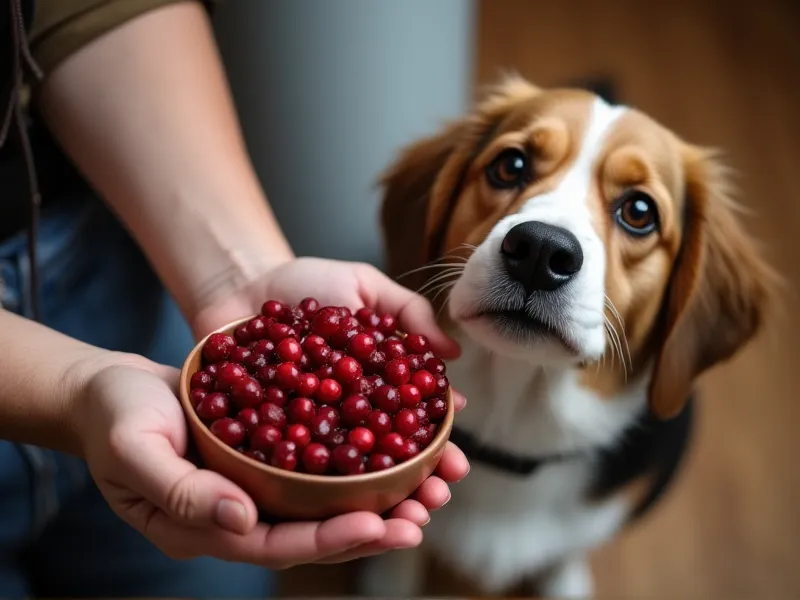
Table of Contents
- Can Dogs Eat Cooked Cranberries? The Short Answer
- Nutritional Benefits of Cooked Cranberries for Dogs
- Potential Risks: What to Watch Out For
- How Much Cooked Cranberry Can Dogs Safely Eat?
- Healthier Alternatives to Cooked Cranberries
- FAQ: Your Most Pressing Questions Answered
- Conclusion: Moderation is Key
Can Dogs Eat Cooked Cranberries? The Short Answer
Yes, dogs can eat plain, unsweetened cooked cranberries in small, occasional amounts. Unlike some fruits (grapes, raisins, or avocado), cranberries are not toxic to dogs, according to the American Society for the Prevention of Cruelty to Animals (ASPCA). However, there’s a catch: how they’re cooked matters.
Cranberries are naturally tart, so many recipes (like cranberry sauce or muffins) add sugar, honey, or syrups to sweeten them. These added sugars are the biggest concern. Too much sugar can lead to obesity, dental issues, or even diabetes in dogs. Additionally, cooked cranberries—especially whole ones—can pose a choking hazard for small breeds if not chopped.
So, plain, unsweetened, chopped cooked cranberries? Safe in moderation. Sweetened, spiced, or processed versions? Best to skip.
Nutritional Benefits of Cooked Cranberries for Dogs
Cranberries are more than just a holiday treat—they’re packed with nutrients that can benefit dogs when served correctly. Let’s break down their key nutritional perks:
1. Antioxidants: Fight Free Radicals
Cranberries are rich in antioxidants like proanthocyanidins, flavonoids, and vitamin E. These compounds help neutralize free radicals (unstable molecules that damage cells), supporting your dog’s overall health and potentially reducing the risk of chronic diseases.
2. Fiber: Support Digestive Health
A ½-cup serving of cooked cranberries contains about 2 grams of fiber. Fiber is essential for healthy digestion, helping regulate bowel movements and keeping your dog’s gut microbiome balanced. Just be cautious—too much fiber can lead to stomach upset (more on that later!).
3. Vitamin C: Boost Immunity (But… )
Cranberries are a good source of vitamin C, which supports immune function, collagen production, and skin health. Here’s the twist: dogs naturally synthesize their own vitamin C in their livers, so they don’t need extra from food. Still, a small boost from cranberries won’t hurt—just don’t rely on them as a primary source.
4. Potassium: Support Muscle & Nerve Function
Potassium is a vital mineral that helps regulate heart rate, muscle contractions, and nerve signals. Cooked cranberries contain small amounts of potassium, which contributes to your dog’s overall electrolyte balance.
Potential Risks: What to Watch Out For
While plain cooked cranberries are generally safe, they’re not without risks. Here’s what to keep in mind before sharing:
1. Added Sugar: The Biggest Red Flag
Most cooked cranberry dishes (sauce, pie, muffins) are loaded with sugar, maple syrup, or honey. Dogs have no nutritional need for added sugars, and excess can lead to:
- Obesity: Extra calories from sugar contribute to weight gain, which increases the risk of joint pain, heart disease, and diabetes.
- Dental Problems: Sugar feeds harmful bacteria in your dog’s mouth, leading to plaque, tartar, and cavities.
- Blood Sugar Spikes: Even short-term, high sugar intake can cause energy crashes or gastrointestinal upset (vomiting, diarrhea).
Rule of thumb: Always check the ingredients. If the recipe includes added sugar, artificial sweeteners (like xylitol, which is toxic to dogs), or syrups, keep it away from your pup.
2. Choking Hazard: Size Matters
Whole cooked cranberries are small, but they’re firm and can get stuck in a dog’s throat—especially for tiny breeds like Chihuahuas or Yorkies. To avoid this, chop cooked cranberries into small pieces before serving.
3. Stomach Upset: Too Much of a Good Thing
Cranberries are acidic and high in fiber. While fiber is good in moderation, overdoing it can lead to:
- Diarrhea
- Gas
- Bloating
- Stomach cramps
This is especially true for dogs with sensitive stomachs or those unused to new foods. Start with a tiny portion and monitor for signs of discomfort.
4. Spices & Additives: Proceed with Caution
Many cranberry recipes include spices like cinnamon, nutmeg, or cloves. Cinnamon is generally safe in small amounts, but nutmeg contains myristicin, which can be toxic in large doses (though your dog would need to eat a lot to get sick). Still, it’s better to avoid seasoned cranberry dishes altogether—stick to plain, unsweetened cooked cranberries.
How Much Cooked Cranberry Can Dogs Safely Eat?
The golden rule for feeding dogs any human food is: treats should make up no more than 10% of their daily calories. For cooked cranberries, portion sizes depend on your dog’s weight. Here’s a general guideline:
| Dog Size | Max Cooked Cranberries per Serving (Unsweetened, Chopped) | Frequency |
|---|---|---|
| Small (5–20 lbs) | 1–2 teaspoons | 1–2 times/week |
| Medium (21–50 lbs) | 1–2 tablespoons | 1–2 times/week |
| Large (51–100+ lbs) | 2–3 tablespoons | 1–2 times/week |
Pro tip: Mix a small amount of chopped cooked cranberries into your dog’s regular food, or serve them as a standalone treat. Avoid feeding on an empty stomach to reduce the risk of stomach upset.
Healthier Alternatives to Cooked Cranberries
If you’re hesitant to share cooked cranberries (or your dog turns up their nose at the tart taste), there are plenty of dog-safe fruits that offer similar benefits—without the risks. Here are our top picks:
1. Blueberries
Blueberries are a nutritional powerhouse: low in calories, high in antioxidants, and packed with fiber. They’re also small and easy to chew, making them perfect for training treats or snack time.
2. Apples (No Seeds!)
Apples are rich in fiber and vitamin C. Just remove the seeds (they contain small amounts of cyanide) and core, then slice into bite-sized pieces. Most dogs love the crunch!
3. Pumpkin (Plain, Canned)
Plain, unsweetened canned pumpkin is a fiber superstar, great for soothing upset tummies or regulating digestion. It’s also low in calories and high in beta-carotene (which converts to vitamin A).
4. Watermelon (Seedless)
Watermelon is 92% water, making it a hydrating summer treat. It’s also a good source of vitamins A, B6, and C. Just remove the rind and seeds first!
5. Raspberries
Raspberries are low in sugar and high in fiber, antioxidants, and vitamin C. They’re safe for dogs in small amounts (about 10–15 per day for medium breeds).
FAQ: Your Most Pressing Questions Answered
Q: Can dogs eat raw cranberries?
A: Raw cranberries are safe but very tart—most dogs won’t enjoy them. They also pose a higher choking risk than cooked cranberries. If you want to try raw, chop them finely and mix with plain yogurt to mask the tartness.
Q: What about dried cranberries?
A: Dried cranberries (craisins) are often sweetened with sugar or coated in syrup, making them high in calories and sugar. Some brands also add sulfites (preservatives) which can cause allergic reactions in sensitive dogs. Skip dried cranberries unless you find unsweetened, unsulfured versions—and even then, feed sparingly.
Q: Can cooked cranberries help with UTIs in dogs?
A: Cranberries are famous for supporting urinary tract health in humans, thanks to proanthocyanidins (which prevent bacteria like E. coli from sticking to bladder walls). While some vets recommend cranberry supplements for dogs with recurrent UTIs, there’s limited scientific evidence. Never use cooked cranberries as a substitute for veterinary care. If your dog has UTI symptoms (frequent urination, blood in urine), see a vet immediately.
Q: My dog ate a lot of sweetened cranberry sauce—what should I do?
A: If your dog consumed a large amount of sugar (like from cranberry sauce), monitor for signs of stomach upset (vomiting, diarrhea, lethargy). If they ate xylitol (check the label!), contact your vet or an emergency animal hospital immediately—xylitol causes life-threatening low blood sugar and liver failure in dogs.
Q: Are there any dogs who should never eat cooked cranberries?
A: Dogs with diabetes, obesity, or kidney disease should avoid cooked cranberries (even unsweetened), as the natural sugars and potassium could worsen their condition. Always consult your vet before introducing new foods to dogs with health issues.
Conclusion: Moderation is Key
So, can dogs eat cooked cranberries? Yes—plain, unsweetened, chopped cooked cranberries are safe in small, occasional amounts. They offer antioxidants, fiber, and vitamins, but the risks (sugar, choking, stomach upset) mean they should never be a regular part of your dog’s diet.
As with any human food, the best approach is to err on the side of caution. Start with a tiny portion, watch for adverse reactions, and always skip sweetened or processed versions. When in doubt, consult your vet—they know your dog’s health history and can offer personalized advice.
At the end of the day, sharing a small treat with your pup (like a few chopped cooked cranberries) can be a sweet bonding moment—just remember, their main meals should always consist of a balanced, vet-approved dog food. Here’s to happy, healthy tails (and maybe a few cranberry treats this holiday season)!
References:
- American Society for the Prevention of Cruelty to Animals (ASPCA). People Foods to Avoid Feeding Your Pets. aspca.org
- American Kennel Club (AKC). Can Dogs Eat Cranberries? akc.org
- Coates, J. (2021). Cranberries for Dogs: Are They Safe? PetMD. petmd.com
- Cummings Veterinary Medical Center. Fiber in Pet Food: Why It Matters. Tufts University. tuftscvm.org