· 7 min read
Can Dogs Eat Cooked Corn Cobs? The Surprising Truth Every Pet Parent Needs to Know
It’s a warm summer evening, and you’re grilling up a storm—burgers, veggies, and a pile of golden, buttery corn on the cob. Your pup, tail thumping against the deck, stares up at you with those irresistible “please share” eyes. You pause, fork mid-air: Is it safe to toss them a piece of that cooked corn cob? After all, corn is in so many dog foods—surely the cob can’t be that bad, right?
If you’ve ever asked yourself this question, you’re not alone. Corn is a common human food, and its kernels often make an appearance in commercial dog diets. But the cob? That’s a different story. Let’s dive into the facts to keep your furry friend happy, healthy, and out of harm’s way.
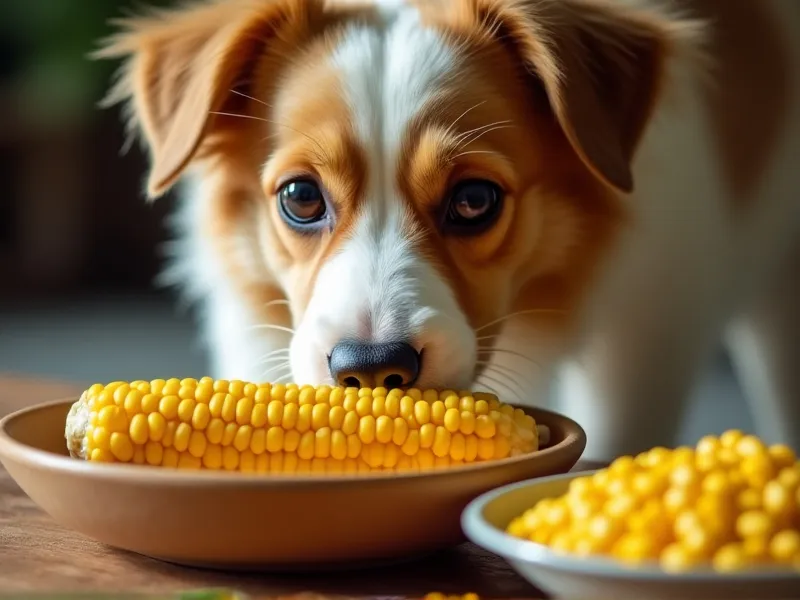
Table of Contents
- Can Dogs Eat Cooked Corn Cobs? The Short Answer
- The Hidden Risks of Cooked Corn Cobs for Dogs
- What About Corn Kernels? Are They Safe?
- How Much Cooked Corn Cob Is “Safe” to Feed?
- Healthier Alternatives to Cooked Corn Cobs
- FAQ: Your Most Pressing Questions Answered
- Conclusion: Prioritize Safety, Enjoy Snacks Responsibly
Can Dogs Eat Cooked Corn Cobs? The Short Answer
No, dogs should not eat cooked corn cobs—ever.
While corn itself (the kernels) is not toxic to dogs and can even offer some nutritional benefits, the cob is a serious hazard. Cooked corn cobs are hard, dry, and indigestible, posing significant risks like choking or intestinal blockages—both of which can be life-threatening. Even small pieces can cause problems, so it’s best to keep corn cobs far out of your pup’s reach.
The Hidden Risks of Cooked Corn Cobs for Dogs
To understand why cooked corn cobs are so dangerous, let’s break down the risks:
Choking Hazard: A Life-Threatening Risk
Cooked corn cobs are firm and can easily break into irregular, sharp pieces. If your dog tries to swallow a chunk (or even the whole cob), it can get lodged in their throat, blocking their airway. Choking is an emergency—signs include pawing at the mouth, gagging, difficulty breathing, or blue gums. Without immediate intervention, it can lead to brain damage or death.
Intestinal Blockage: A Silent Emergency
Even if your dog manages to swallow a piece of cob without choking, the real danger often comes later: intestinal blockage. Dogs cannot digest corn cobs—their digestive systems lack the enzymes to break down the tough, fibrous material. As the cob travels through their gut, it can get stuck in the esophagus, stomach, or intestines.
Blockages are excruciatingly painful and require urgent surgery. Symptoms may include:
- Vomiting (especially after eating)
- Lethargy or weakness
- Loss of appetite
- Abdominal pain (your dog may whine, pant, or avoid being touched)
- Difficulty pooping (or no bowel movements for 24+ hours)
According to PetMD, intestinal blockages are one of the most common reasons for emergency vet visits, and corn cobs are a frequent culprit. In severe cases, a blockage can cut off blood flow to the intestines, leading to tissue death or sepsis.
Stomach Upset and Discomfort
Even small pieces of corn cob can irritate your dog’s stomach and intestines, causing vomiting, diarrhea, or constipation. The rough texture can scratch the digestive tract, leading to inflammation or discomfort. For dogs with sensitive stomachs, this can escalate into more serious issues like dehydration.
What About Corn Kernels? Are They Safe?
You might be wondering: If the cob is so bad, what about the kernels? After all, corn is a staple in many commercial dog foods. The good news is that plain, cooked corn kernels are generally safe for dogs in moderation.
Nutritional Benefits of Corn Kernels
Corn kernels offer a few key nutrients:
- Fiber: Helps support healthy digestion and regular bowel movements.
- Vitamins: Contains B vitamins (thiamine, niacin) for energy metabolism, and vitamin C for immune support.
- Minerals: Provides potassium (important for heart and muscle function) and magnesium.
- Antioxidants: Contains lutein and zeaxanthin, which support eye health.
That said, corn is not a “superfood” for dogs—think of it as a occasional treat, not a dietary staple.
How to Safely Serve Corn Kernels
If you want to share corn with your pup, follow these rules:
- Cook the kernels: Raw corn is harder to digest and may upset their stomach.
- Remove all cobs and silk: Even a single kernel stuck to a cob fragment is risky—double-check for cob pieces!
- Keep it plain: No butter, salt, pepper, or seasonings (garlic and onion are toxic to dogs, and salt/butter can cause pancreatitis).
- Limit portions: A few tablespoons (depending on your dog’s size) is enough. For example, a Chihuahua might get 1–2 tbsp, while a Great Dane could have 3–4 tbsp as an occasional snack.
How Much Cooked Corn Cob Is “Safe” to Feed?
None. There is no “safe” amount of cooked corn cob to intentionally feed your dog. Even a small sliver can cause problems.
If your dog accidentally snatches a tiny piece (e.g., from the trash), monitor them closely for 24–48 hours. Watch for signs of blockage (listed earlier). If they show any symptoms, contact your vet immediately.
Never assume “a little won’t hurt”—it’s not worth the risk.
Healthier Alternatives to Cooked Corn Cobs
Instead of corn cobs, treat your dog to these safe, nutritious snacks:
1. Plain Cooked Corn Kernels
As discussed, a small portion of plain, cooked kernels is a fun, crunchy treat.
2. Green Beans
Low in calories, high in fiber, and packed with vitamins A, C, and K. Serve raw or steamed (no salt).
3. Carrots
Crunchy, high in beta-carotene (which converts to vitamin A), and great for dental health. Raw or cooked—both work!
4. Apples (No Seeds/Core)
A sweet, fiber-rich snack with vitamins A and C. Remove the core and seeds (seeds contain small amounts of cyanide, which is toxic in large doses).
5. Pumpkin (Plain, Canned)
Plain, unsweetened pumpkin is a digestive superfood—excellent for upset tummies or constipation.
FAQ: Your Most Pressing Questions Answered
Q: My dog ate a whole corn cob! What should I do?
A: Call your vet immediately. Even if they seem fine, a full cob is almost guaranteed to cause a blockage. Your vet may induce vomiting (if done within 1–2 hours of ingestion) or recommend surgery to remove the cob before it causes damage.
Q: Can dogs eat raw corn cobs?
A: No. Raw corn cobs are even harder and more likely to splinter, increasing the risk of choking or blockages. Cooked cobs are slightly softer but still dangerous.
Q: Are corn cobs toxic to dogs?
A: No, they’re not toxic—but they’re hazardous. Toxicity refers to poisoning from chemicals, but corn cobs are dangerous because of their physical properties (indigestible, choking risk).
Q: Can puppies eat corn cobs?
A: Absolutely not. Puppies have smaller digestive tracts, making blockages even more likely. Stick to puppy-safe snacks like plain yogurt or small pieces of cooked chicken.
Q: My dog ate corn kernels with butter—will they be okay?
A: Monitor for pancreatitis. Butter is high in fat, which can trigger pancreatitis (inflammation of the pancreas) in dogs. Symptoms include vomiting, diarrhea, and abdominal pain. Contact your vet if they show signs of distress.
Conclusion: Prioritize Safety, Enjoy Snacks Responsibly
While sharing food with your dog is a wonderful way to bond, it’s crucial to prioritize their safety. Cooked corn cobs might seem harmless, but they’re a hidden danger that can lead to expensive vet bills or even tragedy.
Stick to plain corn kernels (in moderation) or healthier alternatives like carrots or green beans. And if your dog ever eats a corn cob—even a small piece—don’t wait to call your vet.
At the end of the day, the best treats are the ones that keep your pup happy and healthy. So next time you fire up the grill, skip the cob and give them a kernel (or two) instead—they’ll wag just as hard, and you’ll both rest easier.
References
- American Society for the Prevention of Cruelty to Animals (ASPCA). “People Foods to Avoid Feeding Your Pets.” aspca.org
- PetMD. “Can Dogs Eat Corn?” petmd.com
- American Kennel Club (AKC). “Can Dogs Eat Corn?” akc.org
- Banfield Pet Hospital. “Intestinal Foreign Bodies in Dogs.” banfield.com