· 8 min read
Can Dogs Eat Cooked Collard Greens? Benefits, Risks & Safe Feeding Guide
It’s a typical weeknight, and you’re stirring a pot of collard greens—steaming, fragrant, and packed with the kind of nutrients you love to see on your plate. From the corner of your eye, you notice your dog, Bella, tail wagging, nose twitching, as she stares up at you with that “please share” look only dogs can master. You pause: Is this leafy green safe for her? As pet parents, we’re always eager to spoil our pups with healthy treats, but when it comes to human foods, “healthy for us” doesn’t always mean “healthy for them.”
Collard greens are a staple in many households, lauded for their vitamin-packed profile and versatility. But can dogs enjoy them too? Let’s cut through the confusion and get to the facts. In this guide, we’ll answer whether cooked collard greens are safe for dogs, break down their benefits and risks, and share how to serve them (if at all) to keep your furry friend happy and healthy.
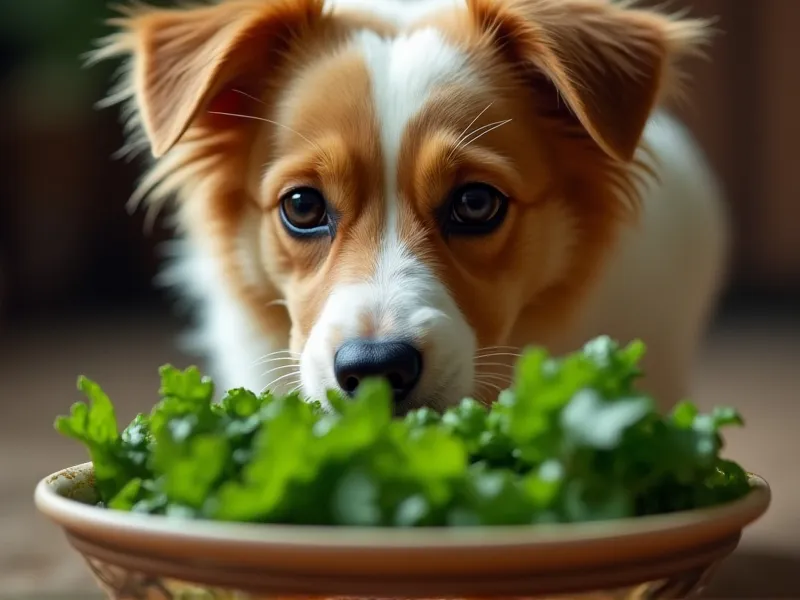
Table of Contents
- Can Dogs Eat Cooked Collard Greens? The Short Answer
- Nutritional Benefits of Cooked Collard Greens for Dogs
- Potential Risks to Watch For
- How Much Cooked Collard Greens Can Dogs Safely Eat?
- Healthier Alternatives to Collard Greens
- FAQ: Your Questions Answered
- Conclusion: Moderation is Key
Can Dogs Eat Cooked Collard Greens? The Short Answer
Yes, dogs can eat cooked collard greens—in moderation. When prepared plain (no added salt, butter, garlic, or onions) and served in small, chopped portions, collard greens can be a nutrient-dense treat for most dogs. They’re low in calories, high in fiber, and packed with vitamins that support your dog’s overall health.
However, there are caveats. Overfeeding, improper preparation, or serving them to dogs with specific health conditions can lead to digestive upset or other issues. Let’s dive into the details to ensure you’re feeding collard greens the right way.
Nutritional Benefits of Cooked Collard Greens for Dogs
Collard greens are often called a “superfood” for humans, and many of their nutrients translate to benefits for dogs too. Here’s why they might deserve a (small) spot in your pup’s treat bowl:
1. Vitamins A, C, and K: Immune & Bone Support
- Vitamin A: Essential for eye health, skin, and coat. It helps maintain clear vision (especially in low light) and supports a strong immune system to fight off infections.
- Vitamin C: A powerful antioxidant that boosts immunity and helps repair cells. While dogs produce their own vitamin C, extra from food can reduce inflammation and support joint health (great for senior dogs!).
- Vitamin K: Critical for blood clotting (so wounds heal properly) and bone strength. It works with calcium to keep bones dense and less prone to fractures.
2. Fiber: Gut Health & Satiety
Collard greens are rich in dietary fiber, which aids digestion by promoting regular bowel movements and feeding beneficial gut bacteria. A little fiber can also help dogs feel full, making collard greens a smart treat for pups watching their weight (no more begging for extra kibble!).
3. Potassium: Heart & Muscle Function
Potassium is an electrolyte that regulates heart rhythm, muscle contractions, and fluid balance. It helps keep your dog’s heart beating steadily and muscles (like those in their legs and heart) working properly—perfect for active dogs who love to run and play.
4. Calcium: Strong Teeth & Bones
Cooked collard greens contain calcium, which is vital for building and maintaining strong teeth and bones. This is especially helpful for growing puppies, large breeds prone to joint issues, and senior dogs needing extra bone support.
Potential Risks to Watch For
While collard greens have perks, they’re not risk-free. Here’s what to avoid to keep your dog safe:
1. Added Ingredients: Toxic “Extras” Ruin the Benefits
The biggest risk comes from how you cook collard greens. If you sauté them in butter, sprinkle salt, or add garlic/onions (common in human recipes), you’re adding ingredients that are harmful (or even toxic) to dogs:
- Salt: Excess salt causes sodium ion poisoning, leading to vomiting, diarrhea, seizures, or even death.
- Garlic/Onions: These contain thiosulfates, which damage dogs’ red blood cells, causing anemia (symptoms: weakness, pale gums, lethargy).
- Butter/Oil: High in fat, which can trigger pancreatitis—a painful, life-threatening condition in dogs.
Rule of thumb: Always serve collard greens plain. Steam, boil, or microwave them with water only (no oil, seasonings, or additives).
2. Overfeeding: Too Much Fiber = Digestive Disaster
Collard greens are high in fiber, which is great in small doses—but too much can overwhelm your dog’s stomach. Symptoms of overindulgence include:
- Gas and bloating
- Diarrhea or loose stools
- Vomiting (rare, but possible with very large portions)
Think of it like us eating a whole head of lettuce—uncomfortable, right? Stick to tiny portions to avoid upsetting your dog’s gut.
3. Choking Hazard: Tough Greens Need Chopping
Collard greens are thick and leafy, even when cooked. If you serve them whole or in large pieces, they can get stuck in your dog’s throat—especially small breeds or “gulp-eaters.” Always chop greens into thin strips or tiny pieces (about the size of your thumbnail) to prevent choking.
4. Oxalates: A Minor Risk (In Moderation)
Collard greens contain small amounts of oxalates—natural compounds that can bind to calcium in the body. In very large quantities, this could form calcium oxalate stones in the kidneys or bladder. However, this risk is low unless your dog eats collard greens daily in huge portions. If your dog has a history of kidney stones or kidney disease, skip collard greens and ask your vet for safer alternatives.
How Much Cooked Collard Greens Can Dogs Safely Eat?
“Moderation” is the key word here. Collard greens should never replace your dog’s regular, balanced dog food (which is formulated to meet all their nutritional needs). Instead, treat them like a occasional snack—think: a tiny side dish, not a meal.
Here’s a general portion guide based on your dog’s size:
- Small dogs (under 20 lbs): 1–2 tablespoons of cooked, chopped collard greens, 1–2 times per week.
- Medium dogs (20–50 lbs): 2–3 tablespoons, 1–2 times per week.
- Large dogs (50+ lbs): 3–4 tablespoons, 1–2 times per week.
Pro tip: Start with a tiny amount (like a teaspoon) the first time, then wait 24 hours to see if your dog has any stomach upset (gas, diarrhea). If they tolerate it, gradually increase to the recommended portion.
Healthier Alternatives to Collard Greens
If collard greens don’t agree with your dog (or you want to mix up their treats), these veggies are often easier to digest or lower in risk:
1. Spinach
Spinach is lower in oxalates than collard greens and packed with iron, vitamin K, and fiber. It’s gentler on sensitive stomachs—just cook and chop it small, like collard greens.
2. Broccoli
Broccoli florets are crunchy, low-calorie, and full of vitamin C and fiber. They’re a fan favorite for dogs (many love the texture!) and rarely cause gas.
3. Green Beans
Plain, steamed green beans are a classic dog treat. They’re high in fiber, low in calories, and help clean teeth as dogs chew. Great for weight management!
4. Carrots
Crunchy carrots are rich in beta-carotene (which converts to vitamin A) and help scrape plaque off teeth. Serve them raw (chopped) or cooked—either way, dogs go crazy for them.
FAQ: Your Questions Answered
Q: Can puppies eat cooked collard greens?
A: Puppies can try tiny amounts, but their digestive systems are sensitive. Start with 1–2 teaspoons of cooked, chopped greens and watch for gas or diarrhea. Always ask your vet first, especially if your puppy has a sensitive stomach.
Q: Is raw collard greens safe for dogs?
A: Raw collard greens are harder to digest and may cause more gas than cooked ones. Cooking softens the fibers, making them easier on your dog’s gut. If you serve raw, chop them very finely and feed even less than the cooked portion.
Q: My dog ate a whole bowl of collard greens—help!
A: Stay calm, but monitor for symptoms like vomiting, diarrhea, or bloating. Most dogs will just have temporary stomach upset. If symptoms last more than 24 hours, or if your dog seems lethargic, call your vet.
Q: Can collard greens help with my dog’s constipation?
A: A little fiber from collard greens may ease mild constipation, but too much can make it worse. Stick to the recommended portion (1–4 tablespoons, depending on size). For chronic constipation, ask your vet to rule out underlying issues (like dehydration or blockages).
Q: Are collard greens safe for dogs with kidney disease?
A: Dogs with kidney disease or a history of calcium oxalate stones should avoid collard greens. The oxalates can bind calcium and worsen kidney strain. Ask your vet for kidney-friendly treats instead.
Conclusion: Moderation is Key
Cooked collard greens can be a healthy, low-calorie treat for most dogs—when served plain, chopped, and in small amounts. They offer vitamins, fiber, and minerals that support immunity, digestion, and bone health. But remember: they’re a “sometimes” food, not a replacement for your dog’s balanced kibble or wet food.
As with any new food, start small, watch for reactions, and when in doubt, check with your vet. After all, every dog is unique—what works for Bella might not work for Max. With a little caution, you and your pup can enjoy sharing the occasional leafy green snack (and those begging eyes will be worth it!).
Sources:
- American Kennel Club (AKC): “Can Dogs Eat Collard Greens?”
- PetMD: “Human Foods Dogs Can and Can’t Eat”
- ASPCA: “Toxic and Non-Toxic Plants” (for garlic/onion toxicity)