· 9 min read
Can Dogs Eat Cooked Celery and Carrots? A Pet Parent’s Guide to Safe, Healthy Treats
It’s a familiar scene: You’re chopping veggies for a stir-fry or simmering a pot of chicken soup, and there they are—your dog, tail wagging, nose twitching, eyes locked on the cutting board. Carrots, celery, maybe a few peas—these are “people foods” we know are good for us, but what about our furry friends? As a pet parent, you want to share the good stuff, but you also worry: Is this safe? Will it upset their stomach?
If you’ve ever paused mid-chop, wondering if your dog can sneak a bite of cooked celery or carrots, you’re not alone. These crunchy, colorful veggies are staples in human diets, but when it comes to dogs, the answer isn’t just a simple “yes” or “no.” Let’s dive into the details: Are cooked celery and carrots safe for dogs? What benefits do they offer? And what risks should you watch for? Spoiler: Your pup might just score a new healthy treat—with a few ground rules.
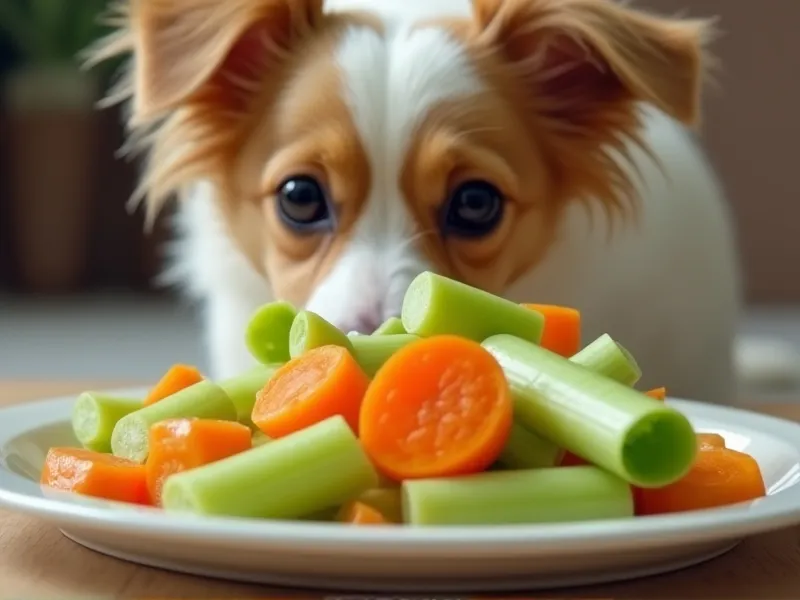
Table of Contents
- Can Dogs Eat Cooked Celery and Carrots? The Short Answer
- The Benefits: Why These Veggies Might Be a Treat for Your Pup
- Potential Risks: What to Watch Out For
- How Much Cooked Celery and Carrots Can Dogs Safely Eat?
- Healthier Alternatives (Or Additions!) to Mix Things Up
- FAQ: Your Burning Questions Answered
- Conclusion: Moderation is Key
1. Can Dogs Eat Cooked Celery and Carrots? The Short Answer
Yes, dogs can eat cooked celery and carrots—in moderation. These veggies are non-toxic, low in calories, and packed with nutrients that can support your dog’s health. However, like all human foods, they should be treated as occasional treats, not a replacement for a balanced dog food diet.
Cooking can actually make these veggies easier for some dogs to digest, especially senior pups, small breeds, or those with dental issues. Raw carrots and celery are also safe (and great for dental health!), but cooking softens them, reducing the risk of choking and making them gentler on tummies.
2. The Benefits: Why These Veggies Might Be a Treat for Your Pup
Let’s break down why cooked celery and carrots could be a smart addition to your dog’s treat rotation. Think of them as “super snacks” with perks for your pup’s body and mind.
Carrots: The Crunchy Vitamin Powerhouse
Carrots are a dog-favorite for a reason—they’re sweet, crunchy, and loaded with good stuff:
- Vitamin A (via Beta-Carotene): Carrots are rich in beta-carotene, an antioxidant that converts to vitamin A in your dog’s body. Vitamin A is crucial for eye health (think: sharp vision, even in low light), healthy skin, and a shiny coat. It also supports immune function, helping your pup fight off germs.
- Fiber for Digestion: Carrots are high in soluble and insoluble fiber, which keeps your dog’s gut moving smoothly. Fiber can help with constipation, regulate blood sugar, and even make your pup feel full longer (great for weight management!).
- Low Calories, High Satisfaction: At just 41 calories per cup (chopped), carrots are a guilt-free treat. They’re perfect for dogs on a diet or those who love to snack—you can reward them without worrying about extra pounds.
- Dental Health (Even Cooked!): While raw carrots are famous for “scrubbing” teeth (the crunch helps remove plaque), cooked carrots still offer a mild abrasive texture that can gently clean gums and teeth, especially for dogs who struggle with hard foods.
Celery: The Hydrating, Nutrient-Dense Crunch
Celery often gets a bad rap as “rabbit food,” but it’s a hidden gem for dogs:
- Vitamin C: This antioxidant boosts collagen production (good for joints and skin) and supports the immune system. While dogs make their own vitamin C, extra from food can help during stress or illness.
- Potassium: Celery is a natural source of potassium, an electrolyte that regulates heart rhythm, muscle function, and blood pressure. It’s especially important for active dogs or those with heart conditions (always check with your vet first!).
- Antioxidants: Celery contains flavonoids and polyphenols, which fight inflammation and oxidative stress (linked to aging and disease).
- Hydration: With 95% water content, celery is a hydrating snack—perfect for hot days or dogs who need a little extra moisture in their diet.
Why Cooked Over Raw?
Cooking softens the fibers in celery and carrots, making them easier to chew and digest, especially for:
- Senior dogs with weak teeth or jaws.
- Small breeds (like Chihuahuas or Yorkies) who might struggle with large, raw chunks.
- Dogs with sensitive stomachs (raw veggies can sometimes cause gas or bloating).
Pro tip: Steam or boil them (no salt, butter, or seasonings!) to retain nutrients. Avoid frying—added oils and fats can upset tummies.
3. Potential Risks: What to Watch Out For
While cooked celery and carrots are generally safe, there are a few risks to keep in mind. As with any new food, moderation and preparation are key.
Sugar in Carrots: A Sweet Trap?
Carrots are naturally sweet, thanks to sugars like sucrose and glucose. For most dogs, this is fine in small amounts. But overfeeding can lead to:
- Weight Gain: Extra sugar = extra calories. A 50lb dog needs about 1,000 calories a day—1 cup of carrots (41 calories) is okay, but 3 cups? That’s 123 calories—12% of their daily intake!
- Blood Sugar Spikes: Dogs with diabetes or insulin resistance should avoid large amounts of carrots, as the sugar can disrupt blood glucose levels. Always check with your vet if your dog has a chronic condition.
Fiber Overload: Gas and Diarrhea
Both celery and carrots are high in fiber. While fiber is great for digestion, too much can cause:
- Bloating or gas (especially in flat-faced breeds like Bulldogs or Pugs, who swallow air while eating).
- Loose stools or diarrhea, especially if your dog isn’t used to high-fiber foods.
Start small—offer a tiny piece first, then wait 24 hours to see how their stomach reacts.
Choking Hazards: Size and Shape Matter
Even cooked, celery and carrots can pose a choking risk if not prepared properly:
- Celery Strings: The tough, stringy parts of celery (especially in older stalks) can get stuck in your dog’s throat. Always peel or chop celery into small, bite-sized pieces (no longer than 1 inch for small dogs).
- Large Chunks: A whole cooked carrot or celery stalk is too big for most dogs. Slice them into coins (carrots) or thin sticks (celery) to prevent choking.
- Mashing for Tiny Dogs: For toy breeds (like Maltese or Shih Tzus), mash cooked carrots and celery into a paste to avoid blockages.
Pesticides: Wash Thoroughly!
Celery and carrots are often on the “Dirty Dozen” list (produce with high pesticide residues). Always wash them thoroughly before cooking, or opt for organic to reduce chemical exposure.
When to Skip Them
Avoid cooked celery and carrots if your dog has:
- Kidney Disease: Celery is high in potassium, which can be harmful to dogs with kidney issues (the kidneys filter potassium, and damaged kidneys can’t process it properly).
- Allergies: While rare, some dogs are allergic to carrots or celery. Signs include itching, hives, or swelling—stop feeding and call your vet if you notice these.
4. How Much Cooked Celery and Carrots Can Dogs Safely Eat?
The golden rule: Treats should make up no more than 10% of your dog’s daily calories. This ensures their main diet (high-quality dog food) provides all the nutrients they need.
Here’s a rough guide based on your dog’s size:
| Dog Size | Cooked Carrots (per day) | Cooked Celery (per day) |
|---|---|---|
| Small (10-20lbs) | 1-2 tbsp (chopped or mashed) | 1-2 small stalks (sliced thin) |
| Medium (20-50lbs) | 2-3 tbsp (chopped) | 2-3 stalks (sliced into 1-inch pieces) |
| Large (50+lbs) | ¼ cup (chopped) | 3-4 stalks (sliced into 1-2 inch pieces) |
Note: Adjust based on your dog’s activity level. A high-energy Border Collie might handle a little more than a couch-potato Pug!
Pro tip: Mix them into your dog’s regular food for a nutrient boost, or freeze small pieces for a cool, crunchy treat.
5. Healthier Alternatives (Or Additions!) to Mix Things Up
Variety is the spice of life—for dogs too! If your pup gets bored of celery and carrots, try these safe, nutrient-packed veggies:
Green Beans
- Why: Low in calories (22 per cup), high in fiber, and loaded with vitamins K (bone health) and C.
- Bonus: They’re a favorite among trainers for “high-value, low-cal” rewards.
Broccoli
- Why: Rich in vitamin C, fiber, and sulforaphane (an antioxidant that fights cancer).
- Warning: Stick to small amounts (1-2 florets per day for medium dogs)—too much can cause gas or upset tummies.
Cucumber
- Why: 96% water, zero fat, and full of silica (good for joints and skin). Perfect for dogs on a diet!
Sweet Potatoes
- Why: High in beta-carotene (like carrots) and fiber. They’re often used in premium dog foods.
- Note: Higher in sugar than carrots, so limit to 1-2 tbsp cooked (mashed) per day.
Zucchini
- Why: Low calorie, high in vitamin A and potassium, and mild-tasting—great for picky eaters.
6. FAQ: Your Burning Questions Answered
Q: Can puppies eat cooked celery and carrots?
A: Yes! Puppies can try small amounts (start with 1 tsp mashed carrots or a tiny celery slice) once they’re 6+ months old and eating solid food. Introduce new foods slowly to avoid stomach upset.
Q: My dog ate a whole bag of cooked carrots—should I panic?
A: Probably not, but monitor them for 24 hours. They might have loose stools or gas, but severe issues (like vomiting or lethargy) warrant a vet call.
Q: Is celery safe for dogs with kidney disease?
A: No—celery is high in potassium, which can build up in dogs with kidney problems. Stick to low-potassium veggies like green beans instead (check with your vet first!).
Q: Can I season the veggies with salt or garlic?
A: No! Salt, garlic, onions, and spices are toxic to dogs. Cook veggies plain (steamed, boiled, or baked) with no added ingredients.
Q: Are raw carrots better than cooked for dental health?
A: Raw carrots have a crunchier texture that may help scrape plaque, but cooked carrots are safer for dogs with weak teeth. For dental benefits, try alternating raw (small pieces!) and cooked.
7. Conclusion: Moderation is Key
Cooked celery and carrots are a safe, healthy treat for most dogs—packed with vitamins, fiber, and hydration. They’re low in calories, easy to prepare, and most pups love their sweet, crunchy taste.
Just remember:
- Moderation: Treats = 10% of daily calories.
- Preparation: Chop into small pieces, cook plain, and avoid seasoning.
- Watch for reactions: Gas, diarrhea, or choking are signs to cut back.
As always, if you’re unsure (e.g., your dog has diabetes, kidney issues, or allergies), consult your vet before adding new foods.
At the end of the day, sharing a bite of cooked celery or carrots is more than just a snack—it’s a chance to bond with your pup, knowing you’re giving them something that’s good for their body and soul. So go ahead—pass that veggie treat (in moderation, of course!). Your dog will thank you with a wag (and maybe a slobbery kiss).
References
- American Society for the Prevention of Cruelty to Animals (ASPCA). “People Foods Dogs Can and Can’t Eat.” aspca.org
- American Kennel Club (AKC). “Can Dogs Eat Carrots?” akc.org
- PetMD. “Can Dogs Eat Celery?” petmd.com
- Veterinary Centers of America (VCA). “Dietary Fiber for Dogs.” vcahospitals.com