· 8 min read
Can Dogs Eat Cooked Butternut Squash? A Pet Parent’s Guide to Safe Snacking
It’s a crisp autumn afternoon, and you’re elbow-deep in fall cooking: roasting butternut squash with a drizzle of olive oil, its sweet, nutty aroma filling the kitchen. Suddenly, you feel a wet nose nudge your hand. There’s your dog, tail thumping, eyes locked on the golden cubes cooling on the counter. “Can I share?” those puppy eyes seem to ask.
If you’ve ever wondered whether human foods like butternut squash are safe for your furry friend, you’re not alone. As pet parents, we want to spoil our dogs with tasty treats, but we also need to keep their health top of mind. Butternut squash—with its vibrant color and seasonal popularity—is a common culprit in these “can they eat this?” moments.
In this guide, we’ll break down everything you need to know about feeding cooked butternut squash to dogs: from its nutritional perks to potential risks, how much to serve, and even healthier alternatives. Let’s dive in!
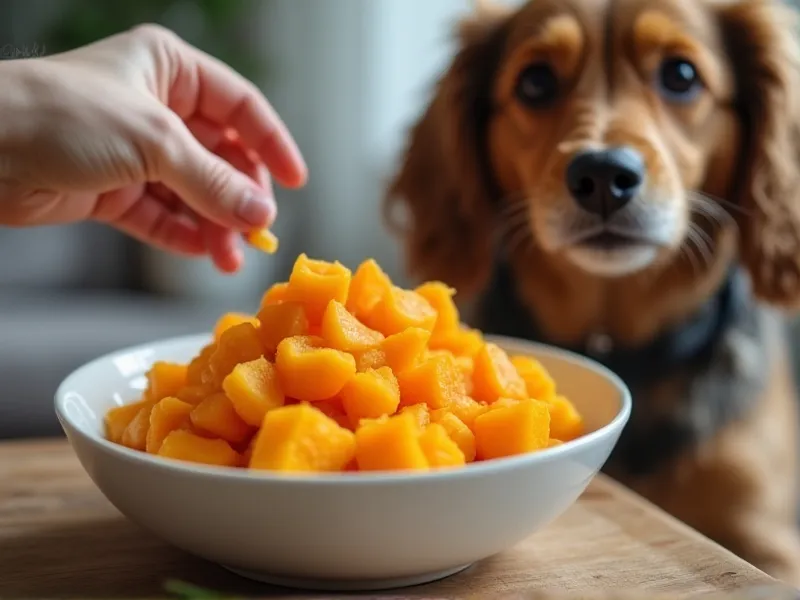
Table of Contents
- Can Dogs Eat Cooked Butternut Squash? (The Short Answer)
- Nutritional Benefits of Cooked Butternut Squash for Dogs
- Potential Risks to Watch For
- How Much Butternut Squash Can Dogs Eat? Guidelines
- Healthier Alternatives to Butternut Squash
- FAQ: Your Questions Answered
- Conclusion: Moderation is Key
- References
Can Dogs Eat Cooked Butternut Squash? (The Short Answer)
Yes, cooked butternut squash is generally safe for dogs to eat in moderation.
Unlike some human foods (looking at you, chocolate or onions), butternut squash isn’t toxic to dogs. In fact, when prepared correctly—cooked, plain, and cut into small pieces—it can even offer some health benefits.
But there’s a catch: raw butternut squash is a no-go. Raw squash is tough, fibrous, and hard for dogs to digest, which can lead to stomach upset or blockages. Stick to cooked, and always skip the seasonings (butter, salt, sugar, or spices like cinnamon are unnecessary and potentially harmful).
Nutritional Benefits of Cooked Butternut Squash for Dogs
Butternut squash isn’t just a tasty side dish for humans—it’s packed with nutrients that can support your dog’s health, too. Let’s break down its star ingredients:
1. Vitamin A: For Vision, Skin, and Immunity
Butternut squash is loaded with beta-carotene, an antioxidant that the body converts into vitamin A. Vitamin A is crucial for dogs:
- Eye health: Supports night vision and prevents age-related eye issues.
- Skin and coat: Keeps fur shiny and skin moisturized, reducing dryness or flakiness.
- Immune function: Helps fight off infections and keeps the immune system strong.
2. Vitamin C: A Boost for Healing and Immunity
While dogs produce their own vitamin C, extra doses (from natural sources like squash) can help:
- Reduce inflammation: Eases joint pain in older dogs or those with arthritis.
- Speed up healing: Aids in tissue repair after injuries or surgeries.
- Support collagen production: Keeps skin, tendons, and ligaments healthy.
3. Vitamin E: An Antioxidant Powerhouse
Vitamin E is another antioxidant that protects cells from damage caused by free radicals. For dogs, this means:
- Healthy heart function: Reduces the risk of heart disease.
- Brain health: May slow cognitive decline in senior dogs.
- Skin protection: Combats oxidative stress linked to allergies or hot spots.
4. Fiber: For a Happy Gut
Butternut squash is rich in dietary fiber, which is a game-changer for your dog’s digestion:
- Prevents constipation: Adds bulk to stool, keeping things moving smoothly.
- Supports gut bacteria: Feeds “good” bacteria in the gut, boosting overall digestive health.
- Weight management: Fiber helps dogs feel full longer, reducing overeating (great for pups on a diet!).
5. Potassium: For Heart and Muscle Health
Potassium is an electrolyte that regulates fluid balance, muscle contractions, and heart rhythm. It’s especially important for active dogs, as it:
- Supports muscle function: Prevents cramping during exercise.
- Maintains healthy blood pressure: Reduces strain on the heart.
- Balances electrolytes: Replenishes lost minerals after play or hot weather.
Bonus: Low in Calories, High in Flavor
Butternut squash is low in calories (about 45 calories per cup, cooked) and free of fat, making it a great treat for dogs watching their weight. It’s also naturally sweet, so most dogs love the taste—no need for added sugars!
Potential Risks to Watch For
While cooked butternut squash is safe for most dogs, there are a few risks to keep in mind. As with any new food, moderation is key.
1. Natural Sugar: Too Much Can Lead to Weight Gain
Butternut squash is sweet because it contains natural sugars (about 6 grams per cup). While these sugars are healthier than processed ones, overfeeding can cause:
- Weight gain: Extra calories add up, especially for less active dogs.
- Blood sugar spikes: Dogs with diabetes or insulin resistance may struggle to regulate sugar levels.
- Dental issues: Sticky sugars can cling to teeth, increasing the risk of cavities (though this is less common with veggies than with candy!).
2. Stomach Upset: Diarrhea, Gas, or Bloating
Dogs’ digestive systems are sensitive to new foods—even healthy ones. Too much butternut squash can throw off their gut balance, leading to:
- Loose stools or diarrhea
- Excessive gas
- Bloating (uncomfortable, but usually not dangerous unless severe)
Start with tiny portions to test your dog’s tolerance.
3. Choking Hazards: Chunks That Are Too Big
Butternut squash is soft when cooked, but large chunks can still pose a choking risk—especially for small dogs or greedy eaters. Always:
- Dice squash into bite-sized pieces (no bigger than your thumbnail for small breeds).
- Mash it if your dog tends to gulp food without chewing.
4. Seasonings and Additives: A Hidden Danger
The biggest risk with butternut squash isn’t the squash itself—it’s how you prepare it. Avoid feeding your dog squash that’s been cooked with:
- Butter, oil, or salt: High fat and sodium can cause pancreatitis or high blood pressure.
- Spices: Cinnamon is generally safe in small amounts, but nutmeg is toxic to dogs (and often used in fall recipes).
- Garlic or onion: These are toxic to dogs, even in small doses, and can damage red blood cells.
How Much Butternut Squash Can Dogs Eat? Guidelines
The golden rule: Butternut squash should be a treat, not a meal replacement. It should make up no more than 10% of your dog’s daily calories. Here’s a rough guide based on your dog’s size:
| Dog Size | Recommended Serving (Cooked, Plain) | Frequency |
|---|---|---|
| Small (5–20 lbs) | 1–2 tablespoons | 1–2 times per week |
| Medium (20–50 lbs) | 2–4 tablespoons | 1–2 times per week |
| Large (50+ lbs) | ¼–½ cup | 1–2 times per week |
Pro Tips for Serving:
- Mix it in: Stir a spoonful into your dog’s regular kibble for extra flavor.
- Freeze it: Mash and freeze in ice cube trays for a cool summer treat.
- Pair with protein: Serve a small amount alongside cooked chicken or turkey for a balanced snack.
Healthier Alternatives to Butternut Squash
If butternut squash isn’t your dog’s favorite, or you want to mix up their veggie treats, try these nutrient-packed alternatives:
1. Pumpkin (Canned, Unsweetened)
Pumpkin is a vet favorite for digestive health—it’s high in fiber (even more than butternut squash!) and helps soothe upset tummies. Great for constipation or diarrhea.
2. Sweet Potatoes
Sweet potatoes are rich in beta-carotene (like butternut squash) and have a lower glycemic index, making them better for dogs with diabetes. Bake or boil, then dice or mash.
3. Carrots
Crunchy, low in sugar, and great for dental health! Carrots clean teeth as dogs chew and are packed with vitamin A. Serve raw (small pieces) or cooked.
4. Green Beans
Low in calories and high in fiber, green beans are perfect for weight management. Steam or boil them, and skip the salt.
5. Broccoli (Florets Only)
Broccoli is loaded with vitamins C and K, but avoid the stalks (choking hazard). Steam until tender and serve in small amounts (too much can cause gas).
FAQ: Your Questions Answered
Q: Can dogs eat raw butternut squash?
A: No. Raw butternut squash is hard to digest and can cause stomach upset or blockages. Always cook it first.
Q: Is butternut squash safe for puppies?
A: Yes, in small amounts. Puppies have sensitive tummies, so start with 1 teaspoon and monitor for diarrhea. Wait until they’re at least 4 months old (weaned and eating solid food).
Q: My dog ate too much butternut squash—what should I do?
A: Watch for signs of stomach upset (diarrhea, vomiting, gas). If symptoms are mild, withhold food for 12 hours and offer small amounts of water. Severe symptoms (bloating, lethargy) require a vet visit.
Q: Can dogs with kidney disease eat butternut squash?
A: Maybe, but check with your vet first. Butternut squash has potassium, which can be problematic for dogs with advanced kidney disease (their kidneys can’t filter excess potassium).
Q: Are butternut squash seeds safe for dogs?
A: No. Seeds are small and hard, posing a choking hazard or risk of intestinal blockage. Always remove seeds before feeding.
Conclusion: Moderation is Key
Cooked butternut squash is a safe, nutrient-dense treat for most dogs when served plain, in small amounts, and prepared properly. It offers vitamins, fiber, and antioxidants that can support your dog’s vision, digestion, and overall health.
But remember: every dog is different. If your pup has health issues (like diabetes, kidney disease, or food allergies), or if you’re unsure whether squash is right for them, always consult your vet first.
The next time Fido begs for a bite of your roasted squash, you can feel good about sharing a tiny, tasty piece—just skip the butter and keep those puppy eyes in check. After all, a happy, healthy dog is a well-fed (but not overfed!) dog.
References
- American Society for the Prevention of Cruelty to Animals (ASPCA). “People Foods to Avoid Feeding Your Pets.” aspca.org/pet-care/animal-poison-control/people-foods-avoid-feeding-your-pets
- American Kennel Club (AKC). “Can Dogs Eat Squash?” akc.org/expert-advice/nutrition/can-dogs-eat-squash
- PetMD. “Vitamins and Minerals for Dogs: What They Need and Why.” petmd.com/dog/nutrition/evr_dg_vitamins_and_minerals_for_dogs
- Cummings School of Veterinary Medicine at Tufts University. “Feeding Your Dog: Vegetables.” tuftscvm.com/for-pet-owners/nutrition/feeding-your-dog/vegetables