· 8 min read
Can Dogs Eat Cooked Beef Rib Bones? The Surprising Truth Every Pet Parent Needs to Know
It’s a warm summer evening, and you’re firing up the grill for a backyard BBQ. The smell of sizzling beef ribs fills the air, and your dog, Max, is at your feet, tail thumping a mile a minute. He’s eyeing that leftover rib bone on your plate like it’s the best thing since sliced bread. You pause—can you share that bone with him? After all, dogs love bones, right?
If you’ve ever found yourself in this situation, you’re not alone. Many pet parents wonder if cooked beef rib bones are a safe, tasty treat for their furry friends. But the answer isn’t as simple as “yes” or “no.” In fact, cooked rib bones can pose serious risks to your dog’s health—risks that might surprise you.
In this guide, we’ll break down everything you need to know: whether cooked beef rib bones are safe, the hidden dangers, potential benefits (if any), and healthier alternatives to keep your pup happy and healthy. Let’s dive in.
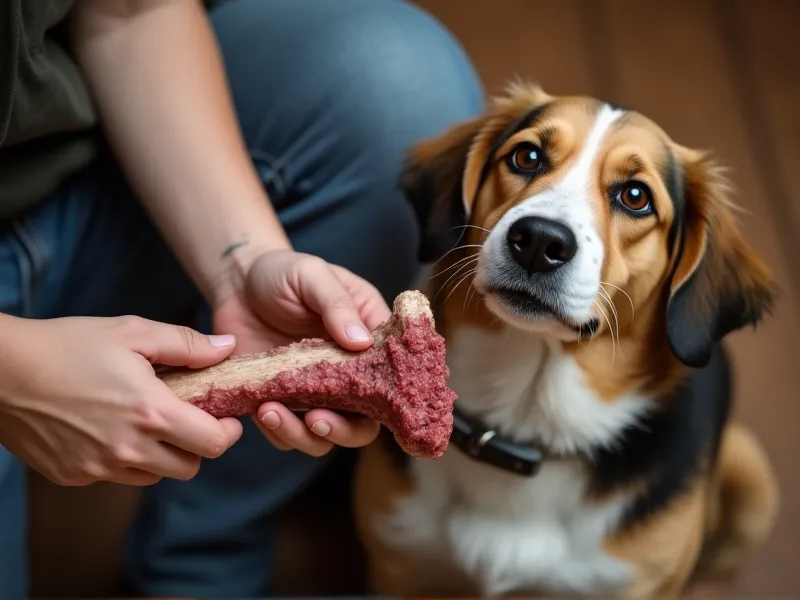
Table of Contents
- Can Dogs Eat Cooked Beef Rib Bones? The Short Answer
- The Hidden Risks of Cooked Beef Rib Bones
- Are There Any Benefits to Cooked Beef Rib Bones?
- How Much Cooked Beef Rib Bone Is “Safe” for Dogs?
- Healthier Alternatives to Cooked Beef Rib Bones
- FAQ: Your Most Pressing Questions Answered
- Final Thoughts: Prioritize Your Dog’s Safety
- References
Can Dogs Eat Cooked Beef Rib Bones? The Short Answer
No, dogs should not eat cooked beef rib bones.
While raw beef bones (when fed safely) can offer some benefits, cooked rib bones are a different story. When bones are cooked—whether grilled, baked, or boiled—they lose their flexibility and become dry, brittle, and prone to splintering. These sharp fragments can tear your dog’s mouth, throat, or digestive tract, leading to choking, internal bleeding, or life-threatening blockages.
Additionally, many cooked rib bones come slathered in sauces, spices, or marinades containing garlic, onions, salt, sugar, or even alcohol—all of which are toxic to dogs. Even plain cooked bones pose risks, so it’s best to avoid sharing them entirely.
The Hidden Risks of Cooked Beef Rib Bones
To understand why cooked beef rib bones are dangerous, let’s break down the specific risks:
1. Brittle, Splintering Bones: A Choking and Perforation Hazard
Raw bones are soft and pliable, allowing dogs to chew them without splintering. But cooking changes their structure. Heat removes moisture, making bones hard and brittle. When your dog chews a cooked rib bone, it can shatter into sharp, needle-like pieces.
These fragments can:
- Choke your dog: Small splinters can get lodged in the throat, blocking air flow.
- Tear the digestive tract: Sharp edges can puncture the esophagus, stomach, or intestines, causing internal bleeding or infection (peritonitis).
- Cause blockages: Larger bone pieces can get stuck in the stomach or intestines, requiring surgery to remove.
The American Kennel Club (AKC) warns that cooked bones are one of the most common causes of gastrointestinal emergencies in dogs.
2. Toxic Seasonings and Added Ingredients
Most ribs served at BBQs or restaurants aren’t plain. They’re coated in sauces with ingredients like:
- Garlic/onion: Even small amounts can damage red blood cells, leading to anemia.
- Salt: Excess salt causes sodium ion poisoning, with symptoms like vomiting, diarrhea, seizures, or kidney failure.
- Sugar: Contributes to obesity, dental decay, or diabetes over time.
- Alcohol or xylitol: Found in some sauces, these are highly toxic (xylitol causes rapid insulin release and liver failure).
Even “homemade” ribs seasoned with just salt and pepper can be harmful. Your dog’s body isn’t built to process these additives, making seasoned cooked bones doubly dangerous.
3. Stomach Upset and Gastrointestinal Distress
Even if a cooked rib bone doesn’t splinter, it can still cause digestive issues. The hard, indigestible material can irritate the stomach lining, leading to vomiting, diarrhea, or constipation. In severe cases, bone fragments can form a “bone bezoar”—a solid mass that blocks the intestines, requiring emergency surgery.
Are There Any Benefits to Cooked Beef Rib Bones?
You might wonder: If dogs love bones, don’t they get any nutrients from them?
Raw bones (when fed safely) can provide calcium, phosphorus, collagen, and trace minerals, along with mental stimulation and dental benefits (chewing helps scrape plaque). However, cooked bones offer no unique benefits—and their risks far outweigh any potential upside.
Cooking destroys many nutrients and makes the bone structurally unsafe. So even if you strip the meat and seasonings, a plain cooked rib bone is still a hazard with little to no nutritional value.
How Much Cooked Beef Rib Bone Is “Safe” for Dogs?
None. There’s no “safe” amount of cooked beef rib bone to feed your dog. Even a small fragment can splinter and cause harm.
If your dog accidentally snatches a cooked rib bone off the counter or floor, don’t panic—but act quickly. Monitor them for symptoms like:
- Gagging, coughing, or difficulty breathing (signs of choking).
- Drooling, pawing at the mouth, or refusing to eat (mouth/throat injury).
- Vomiting (especially with blood), diarrhea, or lethargy (digestive tract issues).
- Straining to poop, or blood in stool (blockage or perforation).
If you notice any of these, contact your vet immediately.
Healthier Alternatives to Cooked Beef Rib Bones
Just because cooked rib bones are off-limits doesn’t mean you can’t treat your pup! Here are safe, tasty alternatives that satisfy their urge to chew while keeping them healthy:
1. Raw Beef Bones (Large, Meaty, and Supervised)
If you want to offer bones, raw, meaty bones are a better choice. Opt for large, weight-bearing bones (like beef marrow bones or knucklebones) that your dog can’t swallow whole. Avoid small bones (e.g., chicken wings, pork ribs) that can be fractured or swallowed.
Pro tips:
- Supervise your dog while they chew to prevent choking or breaking off small pieces.
- Choose bones from reputable sources (organic or grass-fed when possible) to avoid pathogens.
- Limit raw bones to 1–2 times per week to prevent constipation from excess calcium.
2. Dental Chews
Dental chews (like Greenies, Pedigree Dentastix, or Virbac C.E.T. Chews) are designed to clean teeth, reduce plaque, and satisfy chewing instincts. Look for veterinary-approved options with natural ingredients and no added sugars.
3. Bully Sticks or Yak Chews
Bully sticks (dried bull pizzles) and yak chews are long-lasting, high-protein treats that are easy to digest. They’re low in fat and great for keeping dogs occupied—just choose appropriately sized chews for your dog’s breed.
4. Fresh Fruits and Veggies
Crunchy, dog-safe produce like carrot sticks, celery, cucumber, or frozen sweet potato cubes make excellent low-calorie chews. They’re rich in fiber, vitamins, and water, and most dogs love their natural sweetness.
5. Kong Toys Stuffed with Treats
For mental stimulation, stuff a Kong with peanut butter (xylitol-free!), plain yogurt, or canned pumpkin, then freeze it. Your dog will work for hours to lick out the filling, and the rubber toy is safe for chewing.
FAQ: Your Most Pressing Questions Answered
Q: My dog ate a cooked rib bone—what should I do?
A: Stay calm. If the bone was small and your dog isn’t choking, monitor them closely for 24–48 hours. Watch for vomiting, diarrhea, lethargy, or difficulty pooping. If any symptoms appear, call your vet immediately. If your dog is choking (gasping, pawing at mouth), perform the Heimlich maneuver for dogs and rush to the nearest emergency clinic.
Q: Are raw beef rib bones safe for dogs?
A: Raw rib bones (from beef) can be safe if they’re large, meaty, and given under supervision. Avoid small rib bones (e.g., pork or lamb ribs) that can be swallowed whole. Always choose bones larger than your dog’s head to prevent choking, and discard any small fragments that break off.
Q: Can puppies or senior dogs eat cooked rib bones?
A: No—puppies have smaller airways and developing digestive systems, making them more prone to choking or blockages. Senior dogs may have dental issues, weaker jaw muscles, or chronic conditions (like kidney disease) that increase their risk. Stick to soft, safe alternatives for both groups.
Q: What about other cooked bones, like chicken or pork?
A: All cooked bones are risky. Chicken bones are especially brittle and prone to splintering, while pork bones (cooked) can crack into sharp pieces. Avoid all cooked bones, regardless of the animal.
Q: My dog has eaten cooked bones before and been fine—does that mean it’s safe?
A:侥幸并不等于安全。Just because your dog survived a previous incident doesn’t mean they’re immune to harm. Each bone is different, and even a “safe” chew session can turn dangerous if a fragment splinters. It’s not worth the risk.
Final Thoughts: Prioritize Your Dog’s Safety
We get it—sharing a little treat with your pup feels like an act of love. But when it comes to cooked beef rib bones, the risks are too great. From splintered fragments to toxic seasonings, these bones can lead to painful (and expensive) emergencies.
Instead, opt for the safer alternatives we’ve listed: raw bones (with supervision), dental chews, fresh veggies, or stuffed toys. Your dog will still get the joy of chewing, and you’ll have peace of mind knowing they’re safe.
As always, if you’re unsure about a treat or your dog has eaten something risky, don’t hesitate to call your vet. They’re your best resource for keeping your furry friend happy and healthy.
Here’s to many more tail-wagging BBQs—with your dog enjoying a safe, delicious snack by your side!
References
- American Kennel Club (AKC). “Can Dogs Eat Bones?” akc.org/expert-advice/nutrition/can-dogs-eat-bones
- ASPCA. “People Foods to Avoid Feeding Your Pets.” aspca.org/pet-care/animal-poison-control/people-foods-avoid-feeding-your-pets
- American Veterinary Medical Association (AVMA). “Bones and Chews: What’s Safe for Your Pet?” avma.org/resources/pet-owners/petcare/bones-and-chews-whats-safe-your-pet
- Pet Poison Helpline. “Xylitol Toxicity in Dogs.” petpoisonhelpline.com/poison/xylitol/