· 8 min read
Can Dogs Eat Cooked Beef? A Pet Parent’s Guide to Safe, Tasty Treats
Picture this: You’re grilling a juicy beef steak for dinner, and your dog is parked at your feet, tail thumping a rapid rhythm, nose twitching like a metronome. That pleading gaze seems to say, “Just a bite? Please?” If you’ve ever found yourself wondering whether sharing cooked beef with your furry friend is safe, you’re in good company. Beef is a staple in many human diets, but when it comes to our dogs, the rules aren’t always straightforward.
In this guide, we’ll answer the big question: Can dogs eat cooked beef? Spoiler: The short answer is yes—but with important caveats. We’ll break down the benefits, risks, portion guidelines, and even healthier alternatives to ensure your pup can enjoy this tasty treat safely. Let’s dive in!
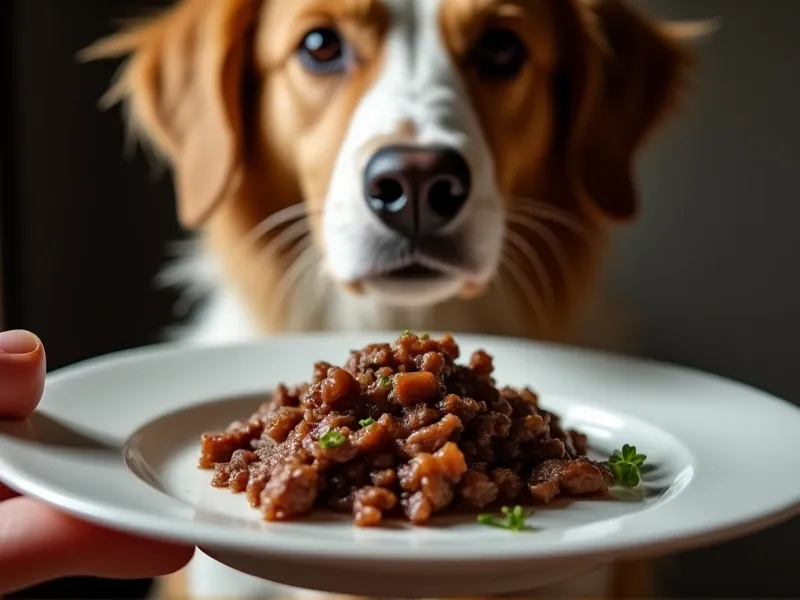
Table of Contents
- Can Dogs Eat Cooked Beef? The Short Answer
- The Benefits of Cooked Beef for Dogs
- Risks to Watch Out For
- How Much Cooked Beef Is Safe to Feed?
- Healthier Beef Options (and What to Avoid)
- Frequently Asked Questions (FAQ)
- Conclusion: Enjoy Beef Responsibly
- References
Can Dogs Eat Cooked Beef? The Short Answer
Yes, dogs can safely eat plain, unseasoned, cooked beef in moderation. When prepared correctly (no bones, no toxic seasonings, lean cuts), cooked beef can be a nutritious, protein-packed treat for your pup. However, it should never replace their balanced dog food, and there are important risks to avoid (like fatty cuts, bones, or seasoned meat). Always prioritize your dog’s individual health needs—if they have allergies, pancreatitis, or other conditions, check with your vet first.
The Benefits of Cooked Beef for Dogs
Beef isn’t just a tasty snack—it’s packed with nutrients that can support your dog’s health when fed properly. Here’s why it might be a great addition to their treat rotation:
1. High-Quality Protein
Protein is the building block of a dog’s diet, supporting muscle growth, repair, and overall body function. Cooked beef is a complete protein, meaning it contains all the essential amino acids your dog needs (like taurine, which supports heart health). For active dogs, seniors, or those recovering from illness, this extra protein can be especially beneficial.
2. Essential Vitamins and Minerals
Beef is rich in key nutrients:
- Iron: Helps red blood cells carry oxygen throughout the body, preventing anemia.
- Zinc: Supports skin health, wound healing, and a strong immune system. A zinc deficiency can lead to dull coats or frequent infections.
- B Vitamins (B12, B6): B12 aids in nerve function and energy metabolism, while B6 supports brain development and hormone regulation.
- Selenium: An antioxidant that protects cells from damage and supports thyroid function.
3. Palatability
Let’s face it—most dogs love beef. Its strong aroma and flavor make it a great tool for training (think: small pieces of cooked beef as rewards) or enticing picky eaters to finish their regular food.
Risks to Watch Out For
While cooked beef can be beneficial, it’s not without risks. Here’s what to avoid to keep your dog safe:
1. Fatty Cuts and Pancreatitis
Fatty beef (like ribeye, brisket, or ground beef with high fat content) is a major red flag. Dogs can’t digest large amounts of fat well, and it can trigger pancreatitis—a painful, potentially life-threatening inflammation of the pancreas. Symptoms include vomiting, diarrhea, lethargy, and abdominal pain. Stick to lean cuts (more on that later!) to reduce this risk.
2. Toxic Seasonings
Many seasonings we love on beef are toxic to dogs. Garlic and onions (even in small amounts) damage red blood cells, leading to anemia. Salt, pepper, chili powder, or sauces (like soy sauce) can cause sodium poisoning, dehydration, or kidney issues. Always serve beef plain—no added spices, oils, or marinades.
3. Cooked Bones
Cooked beef bones are a huge hazard. Unlike raw bones (which some vets debate), cooked bones become brittle and splinter easily. These sharp fragments can get stuck in your dog’s throat (choking), puncture their digestive tract, or cause blockages. Even small bones (like rib bones) are risky—always throw them away, not in your dog’s bowl.
4. Processed or Additive-Laden Beef
Deli meats (like roast beef), beef jerky, or canned corned beef are often high in salt, preservatives (like nitrates), or added sugars. These can lead to obesity, high blood pressure, or kidney problems over time. Stick to fresh, unprocessed beef.
5. Overfeeding and Obesity
Beef is calorie-dense—even lean cuts have more calories than many dog treats. Overfeeding can lead to weight gain, which increases the risk of diabetes, joint pain, and heart disease. Remember: Beef should be a treat, not a meal.
How Much Cooked Beef Is Safe to Feed?
The golden rule: Cooked beef should make up no more than 10% of your dog’s daily calorie intake. The rest should come from their balanced dog food, which is formulated to meet all their nutritional needs.
General Guidelines by Dog Size
Here’s a rough estimate based on weight (adjust based on your dog’s activity level, age, and health):
- Small dogs (10–20 lbs): 1–2 ounces of cooked, lean beef per week (e.g., a few bite-sized pieces as a treat).
- Medium dogs (30–50 lbs): 3–4 ounces per week.
- Large dogs (60–100+ lbs): 5–6 ounces per week.
Example: A 30-pound dog needs about 700 calories per day. 10% of that is 70 calories—about 1 ounce of cooked lean beef (which has ~70–80 calories per ounce). So, a medium dog could have 1 ounce of beef 3–4 times a week as treats.
Preparation Tips
- Cook thoroughly: Raw beef carries bacteria like E. coli or salmonella, which can sicken both dogs and humans. Always cook beef to an internal temperature of 160°F (71°C).
- Trim fat: Remove visible fat to reduce pancreatitis risk.
- No bones or seasonings: As discussed, cooked bones and toxic seasonings are dangerous.
- Chop into small pieces: Prevent choking by cutting beef into bite-sized chunks, especially for small dogs.
Healthier Beef Options (and What to Avoid)
Not all beef is created equal. Here’s how to choose the best (and avoid the worst) for your pup:
Best Bets: Lean, Unprocessed Cuts
- Sirloin: Lean, tender, and low in fat.
- Round (top or bottom): A lean cut with minimal marbling.
- Eye of round: Extra lean and budget-friendly.
- Lean ground beef: Look for 90% lean or higher (avoid 80/20 or fattier blends).
What to Avoid
- Fatty cuts: Ribeye, T-bone, brisket, or short ribs (high in fat).
- Processed beef: Deli meat, beef jerky, corned beef, or canned beef with added salt/preservatives.
- Seasoned or sauced beef: Any beef cooked with garlic, onion, salt, or spices.
Frequently Asked Questions (FAQ)
Q: Can dogs eat cooked beef bones?
A: No! Cooked bones splinter and can cause choking, puncture the esophagus or intestines, or block the digestive tract. Even small bones (like rib bones) are dangerous. Stick to dog-safe chew toys instead.
Q: Is ground beef safe for dogs?
A: Yes, if it’s lean and fully cooked. Choose 90% lean or higher ground beef, cook it thoroughly (no pink), drain excess fat, and serve plain. Avoid raw ground beef (bacteria risk) or fatty blends (pancreatitis risk).
Q: What if my dog ate seasoned beef (with garlic or onion)?
A: Contact your vet immediately. Garlic and onion contain thiosulfate, which is toxic to dogs and can cause anemia. Symptoms may take 2–5 days to appear, so don’t wait for signs like weakness or pale gums—act fast.
Q: Can puppies eat cooked beef?
A: Yes, in small amounts. Puppies need extra protein for growth, but their tummies are sensitive. Start with tiny pieces (1–2 bites) of lean, cooked beef to avoid upsetting their stomach. Always check with your vet first, as some puppies have allergies.
Q: How often can I feed my dog cooked beef?
A: Occasionally—as a treat, not daily. Aim for 1–2 times per week, max. Overfeeding can lead to obesity or nutrient imbalances (since beef lacks some vitamins found in dog food, like vitamin E or calcium).
Conclusion: Enjoy Beef Responsibly
Cooked beef can be a delicious, nutritious treat for your dog—when done right. Stick to lean, unseasoned, boneless cuts, serve it in moderation (10% of calories), and always prioritize their balanced dog food. Avoid fatty cuts, toxic seasonings, and cooked bones, and check with your vet if your dog has health issues like pancreatitis or allergies.
At the end of the day, sharing a small piece of your steak (plain, of course!) with your pup can be a wonderful bonding moment. Just remember: A happy, healthy dog is one who enjoys treats in moderation. Now go give your furry friend a well-deserved belly rub—and maybe a tiny bite of beef (if they’re good!).
References
- American Society for the Prevention of Cruelty to Animals (ASPCA). Toxic and Non-Toxic Plants and Foods. aspca.org/pet-care/animal-poison-control/toxic-and-non-toxic-foods
- American Veterinary Medical Association (AVMA). Pancreatitis in Dogs. avma.org/resources/pet-owners/petcare/pancreatitis-dogs
- American Kennel Club (AKC). Dog Nutrition: What’s the Best Food for Your Dog? akc.org/expert-advice/nutrition/dog-nutrition-basics/
- Cummings School of Veterinary Medicine at Tufts University. Feeding Your Dog: The Basics of Canine Nutrition. tuftscvm.org/research/centers/veterinary-nutrition/