· 10 min read
Can Dogs Eat Cooked Beans? Benefits, Risks & Safe Feeding Guidelines for Pet Parents
It’s a cozy Sunday afternoon, and you’re stirring a pot of hearty, home-cooked beans for dinner. Out of the corner of your eye, you spot your pup—tail wagging, nose twitching, those irresistible “please share” eyes locked on your spoon. You pause: Can dogs eat cooked beans?
If you’ve ever wondered whether these nutrient-packed legumes make a safe, healthy treat for your furry friend, you’re not alone. Beans are a staple in human diets for their protein, fiber, and vitamins, but when it comes to our canine companions, the answer isn’t a simple “yes” or “no.”
In this guide, we’ll break down everything you need to know about feeding cooked beans to dogs: the potential benefits, hidden risks, how much to serve, and even healthier alternatives. Let’s dig in!
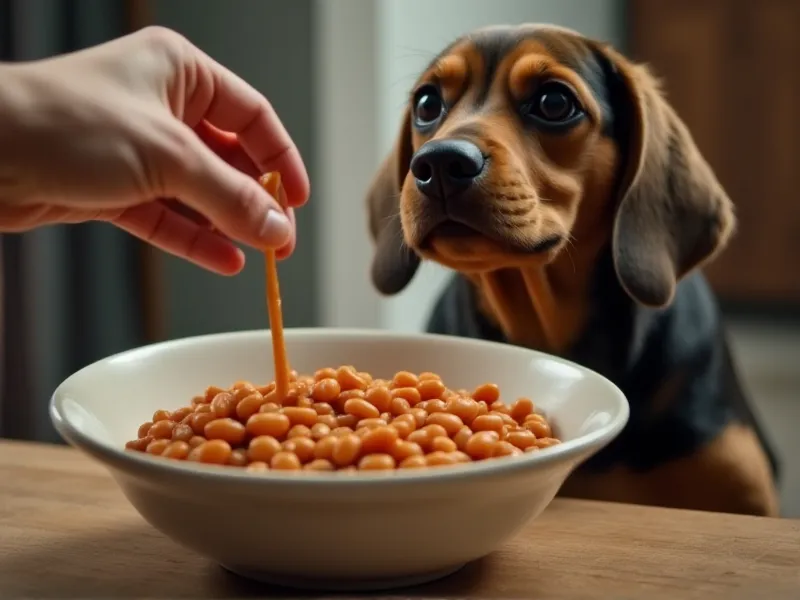
Table of Contents
- Can Dogs Eat Cooked Beans? The Short Answer
- The Benefits of Cooked Beans for Dogs: What’s in It for Them?
- Risks to Watch For: When Beans Might Do More Harm Than Good
- Safe Feeding Guidelines: How Much (and How) to Serve Beans to Your Dog
- Healthier Alternatives to Beans for Dogs
- FAQ: Your Most Pressing Bean Questions Answered
- Conclusion: Beans as a Treat, Not a Staple
Can Dogs Eat Cooked Beans? The Short Answer
Yes, dogs can eat plain, cooked beans in moderation. Beans are non-toxic to dogs and can offer some nutritional benefits when prepared properly. However, they’re not a substitute for a balanced dog food diet, and certain types (or preparations) of beans can pose risks.
The key here is plain, cooked, and occasional. Spiced, sugary, or undercooked beans? Off-limits. As a rare treat, though, beans can add fiber, protein, and vitamins to your pup’s diet. Let’s unpack the details.
The Benefits of Cooked Beans for Dogs: What’s in It for Them?
Beans are nutritional powerhouses for humans, and many of those benefits extend to dogs—when served correctly. Here’s why a tiny portion of cooked beans might be a nice addition to your dog’s treat rotation:
1. Fiber for Digestive Health
Beans are rich in dietary fiber, which helps keep your dog’s digestive system running smoothly. Fiber adds bulk to stool, supports regular bowel movements, and can even help manage blood sugar levels by slowing the absorption of glucose. For dogs prone to constipation, a small serving of fiber-rich beans (in moderation!) might offer relief.
2. Plant-Based Protein
While dogs are primarily carnivores, they can digest and benefit from small amounts of plant-based protein. Beans (like black beans, kidney beans, or chickpeas) contain protein that can complement the animal-based protein in their regular dog food. This is especially helpful for dogs with food sensitivities who might need alternative protein sources (always consult your vet first!).
3. Essential Vitamins & Minerals
Beans are packed with vitamins and minerals that support overall health:
- Potassium: Critical for heart and muscle function, potassium helps regulate blood pressure and fluid balance.
- Iron: Supports red blood cell production and oxygen transport (important for energy levels!).
- B Vitamins: Beans contain B vitamins like folate and thiamine, which aid in cell function and energy metabolism.
- Vitamin K: Supports blood clotting and bone health.
4. Low in Fat (and No Cholesterol)
Unlike many processed dog treats, beans are naturally low in fat and contain no cholesterol. This makes them a better option than greasy snacks (like chips or cheese) for dogs watching their weight—again, in small portions.
Risks to Watch For: When Beans Might Do More Harm Than Good
While beans have benefits, they’re not without risks. Here’s what to avoid to keep your dog safe:
1. Stomach Upset (Gas, Bloating, Diarrhea)
Let’s start with the obvious: beans make humans gassy, and dogs are no exception. The fiber in beans is fermented by bacteria in the gut, producing gas. For dogs with sensitive stomachs, this can lead to bloating, discomfort, or even diarrhea—especially if they eat too many beans or are introduced to them suddenly.
Small breeds or dogs prone to gastrointestinal issues (like flatulence or IBS) may be more affected.
2. Added Sugars, Salt, or Spices
Canned beans (a common shortcut for humans) often come packed in syrups, salt, or sauces (think baked beans with brown sugar or chili beans with spices). These additives are terrible for dogs:
- Sugar: Leads to obesity, dental issues, and even diabetes.
- Salt: Excess sodium can cause dehydration, kidney strain, or salt toxicity (symptoms include vomiting, diarrhea, or seizures).
- Spices: Onion, garlic, or chili powder are toxic to dogs and can damage red blood cells or cause gastrointestinal upset.
3. Choking Hazards (or Blockages)
Whole beans (especially large varieties like kidney beans) can pose a choking risk for small dogs or dogs who gulp their food. Even for larger dogs, undigested bean skins can sometimes cause intestinal blockages if overfed. To reduce this risk, mash beans slightly or chop them into smaller pieces for small breeds.
4. Toxic or Irritating Beans
Not all beans are created equal. Some types are unsafe for dogs, even when cooked:
- Raw kidney beans: Contain lectins, a toxic protein that can cause vomiting, diarrhea, or abdominal pain. Always cook kidney beans thoroughly (boil for at least 10 minutes) to destroy lectins.
- Fava beans: Some dogs (and humans!) have a genetic enzyme deficiency (G6PD) that makes fava beans toxic, leading to anemia.
- Moldy beans: Any bean with mold can produce mycotoxins, which are toxic to dogs and can cause neurological issues or organ failure.
Risks to Watch For: When Beans Might Do More Harm Than Good
Beans are nutritional powerhouses for humans, and many of those benefits extend to dogs—when served correctly. Here’s why a tiny portion of cooked beans might be a nice addition to your dog’s treat rotation:
1. Fiber for Digestive Health
Beans are rich in dietary fiber, which helps keep your dog’s digestive system running smoothly. Fiber adds bulk to stool, supports regular bowel movements, and can even help manage blood sugar levels by slowing the absorption of glucose. For dogs prone to constipation, a small serving of fiber-rich beans (in moderation!) might offer relief.
2. Plant-Based Protein
While dogs are primarily carnivores, they can digest and benefit from small amounts of plant-based protein. Beans (like black beans, kidney beans, or chickpeas) contain protein that can complement the animal-based protein in their regular dog food. This is especially helpful for dogs with food sensitivities who might need alternative protein sources (always consult your vet first!).
3. Essential Vitamins & Minerals
Beans are packed with vitamins and minerals that support overall health:
- Potassium: Critical for heart and muscle function, potassium helps regulate blood pressure and fluid balance.
- Iron: Supports red blood cell production and oxygen transport (important for energy levels!).
- B Vitamins: Beans contain B vitamins like folate and thiamine, which aid in cell function and energy metabolism.
- Vitamin K: Supports blood clotting and bone health.
4. Low in Fat (and No Cholesterol)
Unlike many processed dog treats, beans are naturally low in fat and contain no cholesterol. This makes them a better option than greasy snacks (like chips or cheese) for dogs watching their weight—again, in small portions.
Safe Feeding Guidelines: How Much (and How) to Serve Beans to Your Dog
If you want to share a bite of beans with your pup, follow these rules to keep them safe:
1. Stick to Plain, Cooked Beans
- Cook thoroughly: Undercooked beans are harder to digest and may contain lectins (like raw kidney beans). Boil beans until soft (no crunch!) or pressure-cook them for safety.
- No additives: Avoid beans cooked with salt, sugar, oil, garlic, onion, or spices. Plain water is the only “ingredient” allowed.
- Rinse canned beans: If using canned beans (convenient!), choose “no salt added” varieties and rinse them thoroughly under cold water to remove excess sodium.
2. Portion Control Is Key
Beans are calorie-dense, so overfeeding can lead to weight gain. A good rule of thumb:
- Small dogs (under 20 lbs): 1–2 tablespoons of cooked beans, once or twice a week.
- Medium dogs (20–50 lbs): 2–4 tablespoons, once or twice a week.
- Large dogs (50+ lbs): 4–6 tablespoons, once or twice a week.
Think of beans as a treat, not a meal. They should never replace more than 10% of your dog’s daily calories (most of which should come from high-quality dog food).
3. Introduce Slowly
Start with a tiny portion (even less than the guidelines above!) to see how your dog reacts. Some dogs are more sensitive to fiber and may get gassy or bloated. If they tolerate it well, you can gradually increase to the recommended portion over a few weeks.
4. Avoid High-Risk Dogs
Skip beans for dogs with:
- Kidney disease: Beans are high in phosphorus, which can strain already weakened kidneys.
- Diabetes: While fiber helps manage blood sugar, beans still contain carbs—consult your vet before feeding.
- Gastrointestinal issues: Dogs with IBS, pancreatitis, or a history of bloat should avoid beans (gas can worsen symptoms).
Healthier Alternatives to Beans for Dogs
If beans don’t agree with your dog (or you’d prefer a lower-risk treat), these alternatives offer similar benefits with fewer downsides:
1. Green Beans
Green beans are a fantastic low-calorie, high-fiber treat. They’re crunchy, hydrating, and safe for most dogs. Serve them raw (chopped for small breeds) or steamed—no additives needed. Great for weight management!
2. Lentils
Lentils are smaller, softer, and often easier to digest than beans. They’re rich in protein, iron, and fiber. Cook them plain and serve in small portions (similar to bean guidelines).
3. Chickpeas
Chickpeas (garbanzo beans) are a close cousin to beans but slightly lower in gas-causing oligosaccharides. They’re a good source of protein and fiber—just follow the same plain, cooked, portion-controlled rules as beans.
4. Sweet Potatoes
Sweet potatoes are packed with fiber, vitamins A and C, and potassium. Bake them plain (no butter or sugar!) and mash or dice for a nutrient-dense treat.
FAQ: Your Most Pressing Bean Questions Answered
Q: Can dogs eat canned beans?
A: Yes, but only if they’re plain, “no salt added,” and rinsed thoroughly to remove sodium. Avoid canned beans with added sugars, spices, or sauces (like baked beans).
Q: Are kidney beans toxic to dogs?
A: Raw kidney beans are toxic (due to lectins), but cooked kidney beans are safe in small portions. Always boil kidney beans for at least 10 minutes to destroy lectins.
Q: Why does my dog get gassy after eating beans?
A: Beans contain oligosaccharides, a type of sugar that dogs (and humans!) can’t fully digest. Gut bacteria ferment these sugars, producing gas. Introduce beans slowly to minimize bloating.
Q: Can puppies eat beans?
A: Puppies have sensitive stomachs, so wait until they’re at least 6 months old (and on a solid food diet) before offering a tiny portion of cooked beans. Always consult your vet first.
Q: What’s the best bean for dogs?
A: Black beans, pinto beans, and chickpeas are generally safe and easy to digest. Avoid fava beans, raw kidney beans, or any beans with additives.
Conclusion: Beans as a Treat, Not a Staple
Cooked beans can be a healthy, budget-friendly treat for dogs—when served plain, in moderation, and with an eye toward your pup’s unique health needs. They offer fiber, protein, and vitamins, but they’re no substitute for a balanced dog food diet.
If you’re unsure whether beans are right for your dog (especially if they have health issues), always check with your vet. And remember: the best treat for your dog is one that keeps them happy, healthy, and wagging their tail—whether that’s a spoonful of beans or a game of fetch.
Here’s to many safe, delicious treats (and fewer gassy nights)! 🐾
References
- American Kennel Club (AKC). “Can Dogs Eat Beans?” akc.org
- PetMD. “Human Foods Dogs Can and Can’t Eat.” petmd.com
- Cummings Veterinary Medical Center (Tufts University). “Nutrition for Dogs.” tufts.edu
- Veterinary Centers of America (VCA). “Lectins in Pet Food: What You Need to Know.” vcahospitals.com