· 8 min read
Can Dogs Eat Coleslaw? The Surprising Truth Every Pet Parent Should Know
It’s a sunny Saturday afternoon, and you’re enjoying a backyard BBQ with friends. Your dog, tail wagging, plops down beside you, eyes locked on the creamy, colorful coleslaw in your bowl. “Just a little taste won’t hurt, right?” you think. But before you fork over a bite, let’s talk: Can dogs eat coleslaw safely?
Coleslaw is a summer staple—crunchy, tangy, and perfect for pairing with burgers or ribs. But while it’s a hit with humans, this classic side dish isn’t always dog-friendly. In fact, most coleslaws hide ingredients that can upset your pup’s stomach or even pose serious health risks. Let’s dive into the details so you can keep your furry friend happy, healthy, and safe.
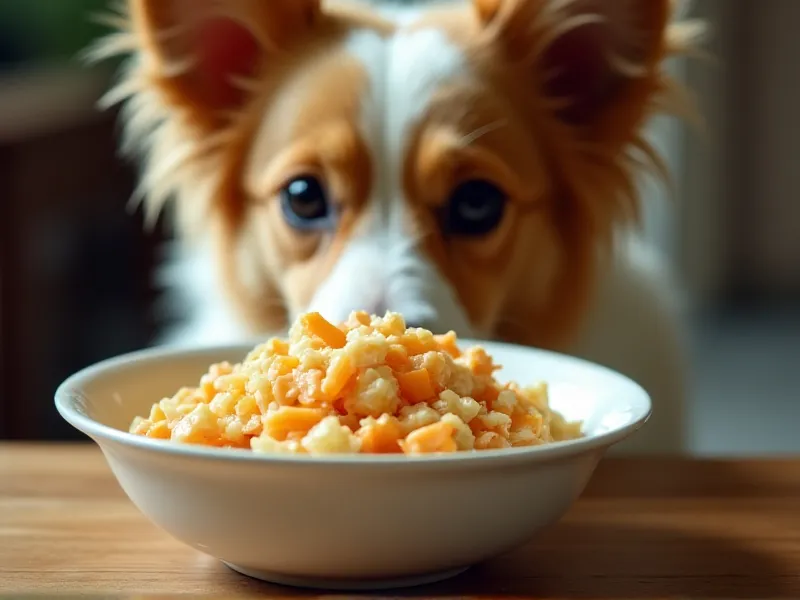
Table of Contents
- Can Dogs Eat Coleslaw? The Short Answer
- What’s in Coleslaw, Anyway? Breaking Down the Ingredients
- The Silver Lining: Potential Benefits of Coleslaw (If You’re Lucky)
- The Not-So-Good News: Why Coleslaw Often Does More Harm Than Good
- So, If I Must… How Much Coleslaw Is Safe for Dogs?
- Better Than Coleslaw: Dog-Friendly Veggie Treats Your Pup Will Love
- FAQ: Your Coleslaw and Dog Questions, Answered
- Conclusion: Prioritize Your Pup’s Health Over the “Cute Beg”
Can Dogs Eat Coleslaw? The Short Answer
No, dogs should not eat coleslaw regularly, and most store-bought or homemade versions are best avoided entirely. While a tiny nibble of plain, unsweetened coleslaw (minus harmful add-ons like onions or mayo) is unlikely to harm your dog, it’s far from a healthy treat. The majority of coleslaws contain high-fat dressings, added sugars, or toxic ingredients that can cause digestive upset, obesity, or even life-threatening conditions in dogs.
What’s in Coleslaw, Anyway? Breaking Down the Ingredients
To understand why coleslaw is risky, let’s start with what’s actually in it. Coleslaw recipes vary, but most include a mix of:
- Base veggies: Shredded cabbage (green or red), carrots, and sometimes celery.
- Dressing: Mayonnaise (or a mayo-vinegar blend), sugar, salt, and spices.
- Add-ins: Onions, garlic, raisins, apples, or even bacon bits (common in “loaded” coleslaws).
Let’s break down each component and its safety for dogs:
🌱 The “Safe” Veggies: Cabbage and Carrots
Cabbage and carrots are generally safe for dogs in small, raw or cooked portions. Cabbage is rich in fiber, vitamins C and K, and antioxidants that support immune health. Carrots offer beta-carotene (which converts to vitamin A), fiber, and potassium—great for eye health and digestion.
But here’s the catch: These veggies are only beneficial if they’re fresh and unadulterated. When mixed into coleslaw, they’re coated in high-fat, sugary dressing that negates their nutritional value.
🥣 The Risky Dressing: Mayo, Sugar, and More
Mayonnaise is the biggest culprit here. Most mayo is made with oil, egg yolks, and sometimes dairy (like buttermilk), making it high in fat and calories. A single tablespoon of mayo contains ~90 calories and 10g of fat—way more than a small dog needs in a day.
Sugar is another red flag. Many coleslaws (especially “creamy” varieties) add sugar or honey to balance acidity, which can lead to obesity, dental issues, or diabetes in dogs. Even “low-sugar” versions often have enough to cause blood sugar spikes.
Vinegar, while not toxic, is acidic and can irritate a dog’s sensitive stomach, leading to vomiting or diarrhea if consumed in large amounts.
🚫 The Toxic Add-Ins: Onions, Raisins, and Garlic
This is where coleslaw becomes dangerous. Onions, garlic, and other allium vegetables (like shallots) are highly toxic to dogs, even in small doses. They damage red blood cells, leading to anemia, weakness, and organ failure. Raisins and grapes (sometimes added for sweetness) are also toxic and can cause kidney failure in dogs—no amount is safe.
Other risky add-ins: Bacon bits (high in salt and fat), dairy-based dressings (many dogs are lactose intolerant), and excessive salt (can cause sodium ion poisoning).
The Silver Lining: Potential Benefits of Coleslaw (If You’re Lucky)
Is there any scenario where coleslaw might be okay? If you made a homemade, ultra-plain version with just shredded cabbage, carrots, and a tiny splash of vinegar (no mayo, sugar, onions, or other additives), your dog could technically enjoy a bite. In that case, the benefits would come from the veggies themselves:
- Fiber: Cabbage and carrots support healthy digestion and keep your dog regular.
- Vitamins: Vitamin C (cabbage) boosts immunity; vitamin A (carrots) supports eye health.
- Antioxidants: Compounds in cabbage fight inflammation and oxidative stress.
But here’s the truth: These benefits are far better obtained by feeding your dog fresh, raw cabbage or carrot sticks directly. Coleslaw is a processed, often unhealthy way to deliver these nutrients.
The Not-So-Good News: Why Coleslaw Often Does More Harm Than Good
For every minor “benefit” of plain coleslaw, there are far more risks—especially with store-bought or typical homemade recipes. Let’s break down the biggest dangers:
1. Pancreatitis from High-Fat Mayo
Dogs’ pancreases aren’t built to handle large amounts of fat. Mayo’s high fat content can trigger pancreatitis, a painful inflammation of the pancreas that causes vomiting, diarrhea, and lethargy. Severe cases require emergency vet care and can be fatal.
2. Toxic Ingredients Like Onions or Raisins
As mentioned earlier, onions and raisins are hidden dangers in many coleslaws. Even a small amount of onion powder (used in some dressings) can harm your dog. If your coleslaw has these, it’s not just “unhealthy”—it’s potentially deadly.
3. Stomach Upset and Diarrhea
The combination of acidic vinegar, sugar, and rich mayo is a recipe for digestive disaster. Dogs may experience gas, bloating, vomiting, or diarrhea after eating coleslaw—even if it doesn’t contain toxic ingredients.
4. Obesity and Chronic Disease
Regularly feeding coleslaw (even “small” portions) adds empty calories to your dog’s diet. Over time, this can lead to obesity, which increases the risk of diabetes, joint pain, and heart disease.
5. Choking Hazards
Large chunks of cabbage or carrot can pose a choking risk, especially for small dogs or those who gulp food without chewing.
So, If I Must… How Much Coleslaw Is Safe for Dogs?
Let’s say you’re at a picnic, and your dog is begging nonstop. You check the coleslaw, and it’s homemade with only cabbage, carrots, a tiny bit of vinegar, and no mayo, sugar, onions, or raisins. Is it okay to give a bite?
Maybe—but proceed with extreme caution. Here’s the golden rule:
- Size matters: A teaspoon for toy breeds (e.g., Chihuahuas), a tablespoon for medium dogs (e.g., Beagles), and 2–3 tablespoons for large breeds (e.g., Labradors) max.
- Frequency: Once every few months, at most. Coleslaw should never be a regular treat.
- Monitor closely: Watch for signs of upset stomach (vomiting, diarrhea, gas) for 24 hours after feeding. If you notice anything unusual, contact your vet.
Better Than Coleslaw: Dog-Friendly Veggie Treats Your Pup Will Love
Instead of risking coleslaw, skip the dressing and give your dog the good stuff directly. These fresh veggies are safer, healthier, and just as crunchy:
🥕 Carrot Sticks
Raw or steamed carrots are a low-calorie, high-fiber treat. They’re great for dental health (chewing helps clean teeth!) and packed with beta-carotene.
🥬 Shredded Cabbage
A small handful of finely shredded green or red cabbage (no dressing!) makes a crunchy snack. Start with 1–2 tablespoons to avoid gas.
🥒 Cucumber Slices
Cool, hydrating, and low in calories—perfect for hot days. Remove the seeds to prevent digestive upset.
🥦 Steamed Green Beans
Fiber-rich and full of vitamins, green beans are a favorite among dogs. Serve plain, no salt or butter.
🐾 Bonus: Dog-Safe “Coleslaw” Recipe
Craving a slaw-like treat for your pup? Try this easy DIY version:
- ½ cup finely shredded cabbage (green or red)
- ¼ cup grated carrot
- 1 tablespoon plain, unsweetened Greek yogurt (dairy-free if your dog is lactose intolerant)
- A pinch of turmeric (optional, for anti-inflammatory benefits)
Mix and serve 1–2 tablespoons as an occasional snack.
FAQ: Your Coleslaw and Dog Questions, Answered
Q: Can dogs eat coleslaw with mayo?
A: No. Mayo is high in fat and can cause pancreatitis or stomach upset.
Q: My dog ate coleslaw with onions—what should I do?
A: Contact your vet or the ASPCA Animal Poison Control Center (1-888-426-4435) immediately. Onions are toxic and require prompt treatment.
Q: Is red cabbage in coleslaw safer than green cabbage?
A: Both are safe in small amounts! Red cabbage has extra antioxidants, but the risk comes from the dressing, not the cabbage color.
Q: Can puppies eat coleslaw?
A: No. Puppies have sensitive digestive systems, and coleslaw’s fat, sugar, or additives can cause more severe upset than in adult dogs.
Q: What if my dog only ate a tiny bite of coleslaw?
A: Monitor them for 24 hours. If they act normal (no vomiting, diarrhea, or lethargy), they’re probably fine. If symptoms appear, call your vet.
Conclusion: Prioritize Your Pup’s Health Over the “Cute Beg”
Coleslaw might seem harmless, but it’s rarely a good choice for dogs. While plain, veggie-only coleslaw is “safe” in tiny amounts, the risks (toxic ingredients, high fat, digestive upset) far outweigh the minimal benefits.
Instead of sharing your slaw, opt for fresh veggies like carrots or cucumber—your dog will love the crunch, and you’ll have peace of mind knowing you’re keeping them healthy. And if you ever accidentally feed your dog coleslaw with onions, raisins, or other toxins, don’t wait—contact your vet right away.
After all, your pup’s wagging tail and happy, healthy life are worth more than a single bite of coleslaw.
Got more questions about dog-safe treats? Drop them in the comments below—we’re here to help!
References
- American Society for the Prevention of Cruelty to Animals (ASPCA). “Toxic and Non-Toxic Plants: Onion.” aspca.org
- VCA Hospitals. “Pancreatitis in Dogs.” vcahospitals.com
- PetMD. “Can Dogs Eat Cabbage?” petmd.com
- American Kennel Club (AKC). “Carrots for Dogs: Are They Safe?” akc.org