· 8 min read
Can Dogs Eat Cold Cuts? A Pet Parent’s Guide to Risks, Benefits, and Safer Alternatives
Picture this: You’re assembling a sandwich, layers of ham, turkey, and Swiss piled high, when you feel a wet nose nudge your hand. Your dog sits, tail thumping, eyes wide with that “please share” look we all know too well. Cold cuts are a lunchtime staple for many of us—but can we safely toss our pups a bite?
As pet parents, we want to spoil our furry friends, but their bodies process food differently than ours. What’s harmless (or even tasty) for us might pose hidden risks to them. In this guide, we’ll break down whether cold cuts are safe for dogs, explore their potential benefits (spoiler: they’re minimal), highlight the real risks, and share healthier alternatives to keep your pup happy and healthy.
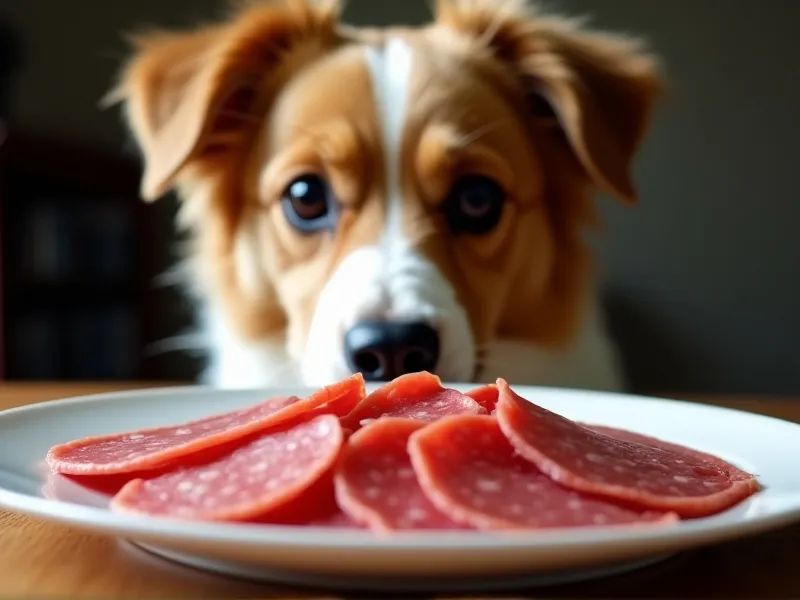
Table of Contents
- Can Dogs Eat Cold Cuts? The Short Answer
- Potential Benefits of Cold Cuts for Dogs (Yes, There Are a Few)
- The Risks of Feeding Cold Cuts to Dogs (Why They’re Best Avoided)
- How Much Cold Cut Can Dogs Eat? (If You Absolutely Must Share)
- Healthier Alternatives to Cold Cuts
- FAQ: Your Cold Cut Questions Answered
- Conclusion: Prioritize Your Pup’s Health
Can Dogs Eat Cold Cuts? The Short Answer
No, cold cuts are not a safe or recommended treat for dogs. While a tiny nibble (think: the size of a pinky nail) of plain, unseasoned cold cut might not immediately harm your dog, these processed meats are packed with ingredients that can lead to serious health issues over time. From high sodium to preservatives and added sugars, cold cuts are far more risky than they are rewarding for your pup.
Potential Benefits of Cold Cuts for Dogs (Yes, There Are a Few)
Let’s start with the good news—though it’s pretty limited. Cold cuts do contain some nutrients that dogs need, but they’re not the best source of them. Here’s what you might find:
- Protein: Most cold cuts (like turkey or chicken deli meat) are made from animal protein, which dogs need for muscle health, energy, and a shiny coat. However, the protein in cold cuts is often low-quality compared to fresh, unprocessed meat.
- Iron and Zinc: Some cuts (like beef bologna) contain trace amounts of iron (supports red blood cells) and zinc (aids immune function). Again, these nutrients are better obtained from whole foods like cooked liver or lean beef.
Wait—what about fiber or potassium? You might see these listed in human nutrition facts, but cold cuts are not a significant source. Most are stripped of fiber (no veggies or grains added), and potassium levels are negligible compared to dog-safe foods like bananas or sweet potatoes.
In short: Any “benefits” of cold cuts are overshadowed by their risks. Your dog will get far more nutrition from fresh, unprocessed foods.
The Risks of Feeding Cold Cuts to Dogs (Why They’re Best Avoided)
Now, let’s dive into the real concern: the risks. Cold cuts are designed for human taste buds, not canine health, and they’re loaded with ingredients that can harm your dog—even in small amounts.
1. High Sodium: A Recipe for Salt Poisoning
Dogs need only a tiny amount of sodium to stay healthy—about 100 mg per 100 calories of food, according to the American College of Veterinary Nutrition (ACVN). Cold cuts, however, are incredibly high in salt. For example:
- A 1-ounce slice of ham has ~460 mg of sodium.
- A 1-ounce slice of salami has ~590 mg.
- Even “low-sodium” deli turkey can have 200–300 mg per ounce.
A small dog (e.g., a 10-pound Chihuahua) only needs ~200 mg of sodium per day. A single slice of ham could exceed their daily limit! Too much sodium causes salt poisoning, which leads to:
- Excessive thirst and urination
- Vomiting and diarrhea
- Lethargy or confusion
- Seizures or even death (in severe cases).
2. Preservatives: Nitrates and Nitrites
To keep cold cuts “fresh” and give them that pink hue, manufacturers add nitrates and nitrites. While the FDA deems these safe for humans in small amounts, they’re toxic to dogs. When digested, nitrites can convert to nitrosamines, chemicals linked to cancer in animals (per the World Health Organization).
Dogs are more sensitive to nitrites than humans. Even a few bites of nitrate-rich cold cuts (like bacon, ham, or pepperoni) can cause:
- Methemoglobinemia (a condition where blood can’t carry oxygen)
- Weakness, rapid breathing, or blue gums
- Long-term cancer risk with regular exposure.
3. Added Sugars and Fillers
Many cold cuts (especially honey-glazed ham, sweet bologna, or “honey turkey”) contain added sugars, corn syrup, or dextrose to enhance flavor. Dogs can’t digest sugar well, and excess sugar leads to:
- Obesity (a leading cause of diabetes and joint pain in dogs)
- Dental decay
- Pancreatitis (inflammation of the pancreas, triggered by high sugar/fat).
4. High Fat: A Trigger for Pancreatitis
Fatty cold cuts like salami, bologna, or pepperoni are loaded with saturated fat. Dogs have sensitive pancreases, and a high-fat meal can trigger pancreatitis—a painful, life-threatening condition where the pancreas swells and leaks digestive enzymes. Symptoms include vomiting, abdominal pain, and loss of appetite.
Even “lean” deli meats (like turkey) often have hidden fat, especially if they’re “smoked” or “seasoned.”
5. Choking and Blockage Hazards
Cold cuts are often tough, chewy, or stringy (looking at you, deli roast beef). Small dogs may choke on large pieces, while larger dogs might swallow chunks whole, leading to intestinal blockages. Some cold cuts also contain bones (e.g., ham hocks or turkey bones), which can splinter and tear your dog’s digestive tract.
6. Seasonings and Additives
Many cold cuts include garlic, onion powder, or spices to boost flavor. Garlic and onions are toxic to dogs, as they damage red blood cells (a condition called hemolytic anemia). Even “mild” seasonings like paprika can irritate your dog’s stomach, causing vomiting or diarrhea.
How Much Cold Cut Can Dogs Eat? (If You Absolutely Must Share)
We get it: Sometimes, you can’t resist those puppy eyes. If you insist on sharing a tiny bite, follow these strict guidelines to minimize risk:
- Size Matters: A “bite” should be no bigger than your thumbnail for small dogs (e.g., Yorkies), or a dime-sized piece for large dogs (e.g., Labs).
- Stick to Plain, Unprocessed Cuts: Avoid honey-glazed, smoked, or seasoned varieties. Look for “no nitrates/nitrites added” (but even these may have natural nitrates from celery powder—still risky!).
- Occasional Only: Once a month, max. Cold cuts should never be a regular treat.
- Monitor for Reactions: Watch for vomiting, diarrhea, or lethargy for 24 hours after feeding. If you see these, contact your vet.
Pro Tip: When in doubt, skip it. Your dog won’t miss the cold cut—but they will miss feeling sick.
Healthier Alternatives to Cold Cuts
Instead of cold cuts, treat your dog to these safe, nutritious options that taste great and support their health:
1. Lean Cooked Meats
- Chicken or Turkey: Boiled or baked (no skin, bones, or seasoning). High in protein, low in fat.
- Beef or Lamb: Trimmed of fat, cooked thoroughly. Rich in iron and zinc.
- Liver: A nutrient-dense superfood (feed sparingly—too much can cause vitamin A toxicity).
2. Fresh Veggies
- Carrots: Crunchy, low-calorie, and great for dental health.
- Green Beans: Packed with fiber and vitamins (steamed or raw).
- Sweet Potatoes: Baked or mashed (no butter/sugar). High in potassium and beta-carotene.
3. Dog-Safe Fruits
- Blueberries: Antioxidant-rich and low in sugar.
- Bananas: A natural source of potassium and fiber (limit to 1–2 slices per week).
- Apples: Remove seeds (they contain cyanide!) and core; slices are a crunchy, sweet treat.
4. Commercial Dog Treats
Opt for high-quality treats with minimal ingredients (e.g., Wellness Soft Puppy Bites or Zuke’s Mini Naturals). Avoid treats with added sugars or by-products.
FAQ: Your Cold Cut Questions Answered
Q: Can dogs eat ham cold cuts?
A: No. Ham is extremely high in sodium and often contains nitrates. Even a small piece can cause salt poisoning in small dogs.
Q: What about turkey cold cuts? They’re “leaner,” right?
A: Turkey deli meat is less bad than ham, but still risky. It’s high in sodium and often has nitrites. Stick to cooked, unseasoned turkey instead.
Q: Are low-sodium cold cuts safe?
A: “Low-sodium” doesn’t mean “no sodium.” Most still have 200–300 mg per ounce—too much for dogs. Skip them.
Q: My dog stole a slice of cold cut! What should I do?
A: Stay calm. If it was a small piece (e.g., 1 inch), monitor for 24 hours. If it was a large piece or your dog is small, contact your vet immediately—they may recommend inducing vomiting or monitoring for blockages.
Q: Can dogs eat pepperoni or salami?
A: No. These are high in fat, sodium, and nitrites—all dangerous for dogs. Even a small piece can trigger pancreatitis.
Conclusion: Prioritize Your Pup’s Health
At the end of the day, cold cuts are a human food best kept off your dog’s plate. While a tiny bite might not hurt, the risks—from salt poisoning to cancer—far outweigh any fleeting “benefit.”
Your dog relies on you to make smart choices for their health. Instead of sharing your sandwich, bond with them through a walk, a game of fetch, or a healthy treat like a carrot stick. They’ll love the attention, and you’ll rest easy knowing you’re keeping them safe.
When in doubt, always consult your vet before introducing new foods to your dog’s diet. They know your pup’s unique needs and can guide you toward treats that support their health.
Here’s to many happy, healthy years with your furry friend—one safe snack at a time!
References
- American College of Veterinary Nutrition (ACVN). (n.d.). Nutritional Requirements of Dogs. acvn.org
- American Kennel Club (AKC). (2023). Can Dogs Eat Ham? akc.org
- Pet Poison Helpline. (2023). Salt Poisoning in Dogs. petpoisonhelpline.com
- World Health Organization (WHO). (2015). Carcinogenicity of Processed Meat. who.int
- FDA. (2022). Nitrates and Nitrites in Food. fda.gov