· 8 min read
Can Dogs Eat Cold Chicken? A Pet Parent’s Guide to Safe Snacking
It’s a familiar scene: You’re cleaning up after dinner, and there’s a leftover plate of cold chicken staring back at you. Beside you, your dog sits patiently, tail thumping, eyes wide with that “please share” look we all know too well. You pause—is cold chicken safe for dogs? After all, chicken is a staple in many commercial dog foods, but leftover, cold, and maybe even a little seasoned? As a pet parent, you want to treat your pup, but you also need to keep them healthy. Let’s dive into the details to help you make the best choice for your furry friend.
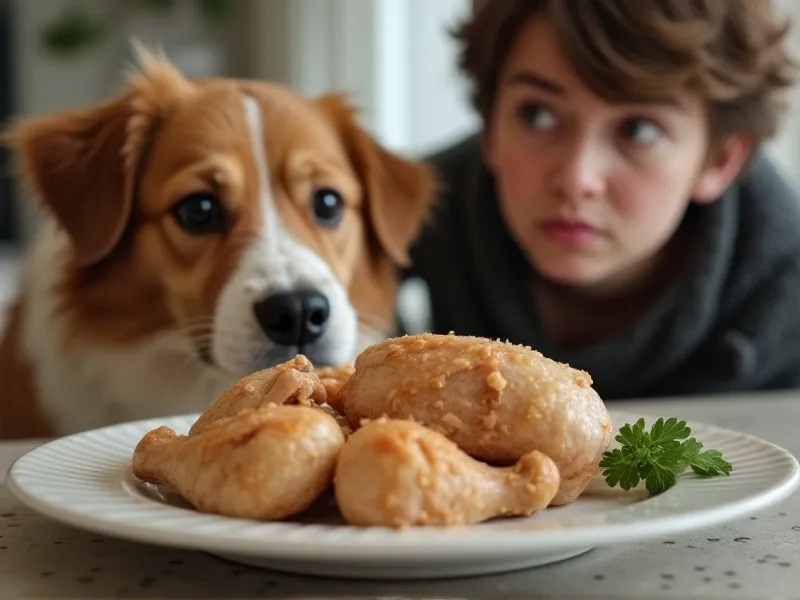
Table of Contents
- Can Dogs Eat Cold Chicken? The Short Answer
- The Benefits of Cold Chicken for Dogs (When Prepared Right)
- The Risks of Feeding Cold Chicken to Dogs: What to Watch For
- Safe Feeding Guidelines: How Much Cold Chicken Can Dogs Eat?
- Healthier Alternatives to Cold Chicken (or Complementary Treats)
- FAQ: Your Cold Chicken Questions Answered
- Conclusion: Treat Wisely, Keep Your Pup Happy
Can Dogs Eat Cold Chicken? The Short Answer
Yes, dogs can eat cold chicken—but only if it’s plain, unseasoned, boneless, and properly prepared.
Chicken is a lean, protein-rich food that’s gentle on most dogs’ stomachs, making it a popular choice for treats or even a temporary meal replacement (e.g., when your dog has an upset tummy). However, the way the chicken is prepared and served matters. Cold chicken itself isn’t the issue; it’s the added ingredients, bones, or improper storage that can turn this tasty snack into a hazard. Let’s break down the benefits and risks to help you serve it safely.
The Benefits of Cold Chicken for Dogs (When Prepared Right)
Plain, cooked, cold chicken offers several nutritional perks for your pup. Here’s why it can be a great occasional treat:
1. A Protein Powerhouse
Protein is essential for dogs—it supports muscle growth, repairs tissues, and keeps their coat shiny and skin healthy. Chicken is a complete protein, meaning it contains all the amino acids your dog needs. Even cold, it retains these nutrients, making it a better choice than many processed dog treats.
2. Packed with Essential Vitamins and Minerals
Chicken is rich in B vitamins (like B6 and B12), which boost energy levels and brain function, and minerals like selenium (supports immune health) and phosphorus (strong bones and teeth). Skinless chicken breast is also low in fat, making it ideal for dogs watching their weight.
3. Gentle on Sensitive Stomachs
Vets often recommend plain, boiled chicken (served warm or cold) for dogs with digestive issues. Its mild flavor and easy digestibility make it a go-to for pups recovering from diarrhea, vomiting, or surgery. Cold chicken can be a soothing snack for dogs with sensitive tummies—just introduce it slowly!
4. Versatile and Convenient
Leftover cold chicken is a quick, budget-friendly treat. No need to cook something special: just save a portion of your unseasoned, boneless chicken dinner, pop it in the fridge, and serve it cold as a reward later.
The Risks of Feeding Cold Chicken to Dogs: What to Watch For
While plain cold chicken is generally safe, there are hidden risks to be aware of. These usually stem from how the chicken is prepared, seasoned, or stored—not the cold temperature itself.
1. Hidden Seasonings and Additives
The biggest risk with leftover cold chicken is added ingredients. Many home-cooked or store-bought chickens are seasoned with:
- Onion or garlic: These are toxic to dogs, even in small amounts, and can cause anemia.
- Salt: Excess salt leads to sodium ion poisoning, causing vomiting, diarrhea, or seizures.
- Sugar or sweeteners: Sauces like honey-glazed or teriyaki chicken contain sugar, which contributes to obesity, diabetes, or dental issues.
- Spices: Chili powder, paprika, or other spices can irritate your dog’s stomach or cause an allergic reaction.
Always serve plain chicken—no sauces, marinades, or seasonings!
2. Chicken Bones: A Choking and Internal Hazard
Never feed your dog chicken bones—cooked or raw. Cooked bones (including those in cold leftover chicken) are brittle and can splinter, tearing your dog’s throat, esophagus, or intestines. Even small bones pose a choking risk. Always remove bones before serving chicken to your pup.
3. Fatty Skin and Pancreatitis Risk
Chicken skin is high in fat, which can trigger pancreatitis (inflammation of the pancreas) in dogs, especially small breeds or those prone to the condition. Symptoms include vomiting, diarrhea, and abdominal pain, which can be life-threatening. Stick to skinless chicken to avoid this risk.
4. Bacterial Contamination
Leftover cold chicken can harbor bacteria like Salmonella or E. coli if not stored properly. Dogs can get food poisoning too! To avoid this:
- Refrigerate cooked chicken within 2 hours of cooking (or 1 hour if it’s over 90°F outside).
- Use leftover chicken within 3–4 days, or freeze it for up to 4 months.
- If the chicken smells off, looks slimy, or was left out too long, throw it away—not worth the risk!
5. Stomach Upset from Sudden Diet Changes
Even plain cold chicken can cause diarrhea or vomiting if your dog isn’t used to it. Their digestive systems thrive on routine, so introducing new foods (even healthy ones) too quickly can upset the balance. Start with a tiny portion and monitor for 24 hours before offering more.
Safe Feeding Guidelines: How Much Cold Chicken Can Dogs Eat?
If you’re serving plain, boneless, skinless, cooked cold chicken, follow these rules to keep your pup safe:
1. Stick to “Treat” Portions
Chicken should be an occasional snack, not a meal replacement. As a general rule, treats should make up no more than 10% of your dog’s daily calories. For reference:
- Small dogs (10–20 lbs): 1–2 ounces of cold chicken per day (about the size of a deck of cards).
- Medium dogs (30–50 lbs): 3–4 ounces per day.
- Large dogs (60+ lbs): 6–8 ounces per day.
Adjust based on your dog’s activity level, age, and health (e.g., senior or overweight dogs need smaller portions).
2. Prep It Properly
- Cook thoroughly: Raw chicken carries bacterial risks, so always cook it first (even if you plan to serve it cold later).
- Remove bones and skin: As discussed, bones are dangerous, and skin is high in fat.
- Chill safely: Refrigerate within 2 hours of cooking, and discard after 3–4 days.
- Cut into small pieces: This prevents choking, especially for small dogs.
3. Avoid It Altogether If…
- Your dog has a chicken allergy (symptoms include itching, ear infections, or diarrhea).
- They’re prone to pancreatitis (high-fat foods are off-limits).
- They’re on a special diet (e.g., kidney disease requires low-protein food).
When in doubt, ask your vet!
Healthier Alternatives to Cold Chicken (or Complementary Treats)
If you want to mix up your dog’s treats, try these alternatives—they’re just as healthy (or healthier!) than cold chicken:
1. Lean Turkey
Turkey is similar to chicken but often lower in fat. Plain, cooked, boneless turkey is a great protein source for dogs.
2. Boiled Fish
Salmon or sardines (in water, no salt) are rich in omega-3 fatty acids, which support joint and coat health. Avoid fish bones!
3. Fresh Veggies
Carrots, green beans, or cucumber slices are low-calorie, high-fiber treats that most dogs love. They’re great for dental health too (crunchy veggies scrape plaque!).
4. Freeze-Dried Chicken Treats
These are specially made for dogs—no additives, and the freeze-drying process kills bacteria, making them safer than leftover cold chicken.
5. Plain Greek Yogurt
A spoonful of unsweetened Greek yogurt (lactose-free, if your dog is sensitive) adds probiotics for gut health. Mix in a little cold chicken for extra flavor!
FAQ: Your Cold Chicken Questions Answered
Q: Can dogs eat cold chicken bones?
A: No! Cooked bones (including cold ones) splinter easily and can puncture your dog’s digestive tract or cause choking. Always remove bones before serving.
Q: My dog ate seasoned cold chicken—what should I do?
A: Check the seasoning. If it contains onion, garlic, or large amounts of salt/sugar, contact your vet immediately. For mild seasonings (e.g., a little black pepper), monitor for vomiting/diarrhea and call the vet if symptoms appear.
Q: Is cold chicken better than warm chicken for dogs?
A: Temperature doesn’t matter—what counts is preparation. Some dogs with sensitive stomachs may prefer warm food, but cold is fine for most.
Q: Can puppies eat cold chicken?
A: Yes, in small amounts! Puppies have sensitive tummies, so start with 1–2 bites and watch for upset. Avoid seasoning and bones, as always.
Q: How do I know if my dog is allergic to chicken?
A: Look for symptoms like itchy skin, red ears, paw-licking, or diarrhea. If you suspect an allergy, your vet can run tests and recommend a hypoallergenic diet.
Conclusion: Treat Wisely, Keep Your Pup Happy
Cold chicken can be a safe, healthy treat for your dog—when done right. Stick to plain, cooked, boneless, skinless chicken, serve it in moderation, and avoid seasonings or bones. Remember, every dog is different: what works for a 60-lb lab might not work for a 5-lb Chihuahua. When in doubt, chat with your vet about your pup’s unique needs.
At the end of the day, the goal is to keep your furry friend happy and healthy. A little cold chicken (prepared safely) is a great way to show them love—just don’t forget the belly rubs too!
References
- American Kennel Club (AKC). “Can Dogs Eat Chicken? What You Need to Know.” akc.org
- American Veterinary Medical Association (AVMA). “Food Safety for Pets.” avma.org
- PetMD. “Toxic Foods for Dogs: What Not to Feed Your Dog.” petmd.com
- American College of Veterinary Nutrition (ACVN). “Feeding Guidelines for Dogs.” acvn.org