· 12 min read
Can Dogs Eat Colby Jack Cheese? A Pet Parent’s Guide to Safe Snacking
Picture this: You’re slicing into a block of Colby Jack cheese, its marbled white and orange layers glistening, when your dog trots over. Their ears perk up, tail thumping, and those big, soulful eyes lock onto your hand. “Just a tiny nibble won’t hurt, right?” you think. After all, cheese is a crowd-pleaser—creamy, salty, and undeniably delicious. But as a responsible pet parent, you pause. Is Colby Jack cheese safe for dogs?
If you’ve ever found yourself asking this question, you’re not alone. Many dog owners wonder which human foods are okay to share, and cheese is a common culprit. In this guide, we’ll break down everything you need to know about Colby Jack cheese and your furry friend—from its nutritional pros and cons to how much (if any) is safe to feed. Let’s dive in and keep those tail wags (and tummies) happy!
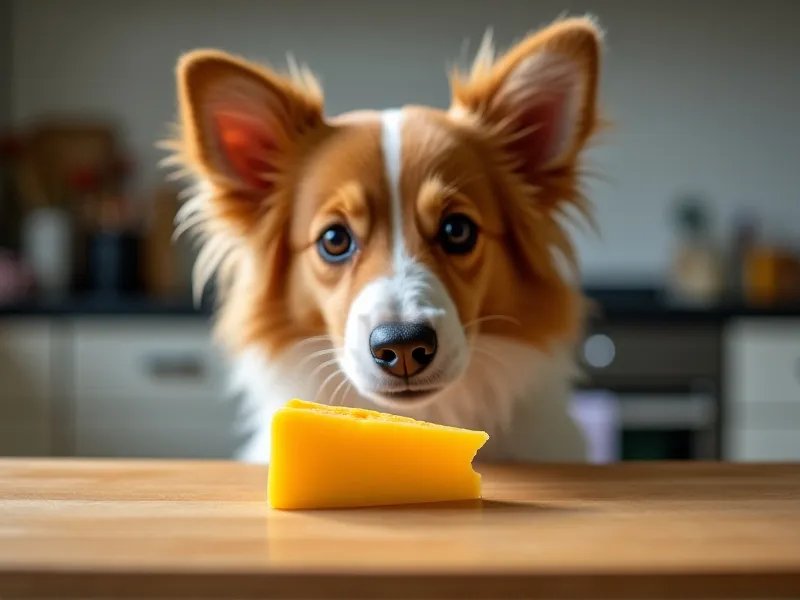
Table of Contents
- Can Dogs Eat Colby Jack Cheese? The Short Answer
- Nutritional Breakdown: What’s in Colby Jack Cheese?
- Potential Benefits of Colby Jack Cheese for Dogs
- Risks of Feeding Colby Jack Cheese to Dogs
- How Much Colby Jack Cheese Can Dogs Safely Eat?
- Healthier Alternatives to Colby Jack Cheese
- FAQ: Common Questions About Dogs and Colby Jack Cheese
- Conclusion: Moderation is Key
1. Can Dogs Eat Colby Jack Cheese? The Short Answer
Yes, dogs can eat Colby Jack cheese—but only in small, occasional amounts.
Colby Jack (a blend of Colby and Monterey Jack cheeses) isn’t toxic to dogs, and many pups will happily gobble it up. However, it’s not a “superfood” for dogs, either. Think of it as a sometimes treat, not a regular part of their diet. The key here is moderation: too much Colby Jack can lead to health issues like upset tummies, obesity, or even more serious problems like pancreatitis.
If your dog has a clean bill of health (no allergies, pancreatitis, or lactose intolerance), a tiny cube of Colby Jack as a reward or snack is unlikely to cause harm. But let’s dig deeper into what makes this cheese a “maybe” rather than a “yes, always.”
2. Nutritional Breakdown: What’s in Colby Jack Cheese?
To understand if Colby Jack is safe, let’s start with what’s actually in it. Colby Jack is a semi-soft cheese made by blending Colby (a mild, orange cheese) and Monterey Jack (a creamy, white cheese). Here’s a typical nutritional profile for 1 ounce (28g) of Colby Jack cheese (source: USDA FoodData Central):
| Nutrient | Amount per 1 oz |
|---|---|
| Calories | ~110 |
| Protein | ~7g |
| Fat | ~9g (5g saturated) |
| Sodium | ~170mg |
| Calcium | ~200mg |
| Lactose | ~1-2g |
| Vitamin A | ~6% DV |
| Vitamin B12 | ~10% DV |
At first glance, there are some positives: protein for muscle health, calcium for bones and teeth, and B12 for energy. But the downsides are hard to ignore: high fat, sodium, and a small amount of lactose. Compared to other cheeses, Colby Jack is moderate in fat (cheddar has ~10g fat per oz, mozzarella ~6g), but it’s still not a low-fat option.
3. Potential Benefits of Colby Jack Cheese for Dogs
While Colby Jack shouldn’t be a staple, it does offer a few potential benefits when given sparingly:
1. Protein for Muscle Maintenance
Dogs need protein to build and repair muscles, especially active pups or senior dogs. The 7g of protein in 1 ounce of Colby Jack can contribute to their daily needs (though most high-quality dog foods already provide plenty of protein).
2. Calcium for Strong Bones and Teeth
Calcium is crucial for dogs’ bone density and dental health, especially growing puppies and senior dogs. A small cube of Colby Jack adds ~200mg of calcium—about 20% of the daily calcium needs for a 20lb dog (adult dogs need ~1000mg calcium per day, depending on size).
3. B12 for Energy and Nerve Health
Vitamin B12 helps dogs convert food into energy and supports healthy nerve function. Colby Jack has a decent amount of B12, which is a plus for dogs who might be deficient (though this is rare in well-fed pups).
4. A Tasty Training Tool
Let’s be real: Dogs love cheese. If your pup turns up their nose at regular treats, a tiny piece of Colby Jack can be a powerful motivator for training. Just remember: a little goes a long way!
4. Risks of Feeding Colby Jack Cheese to Dogs
The benefits are minor, but the risks of overfeeding are significant. Here’s what to watch out for:
1. High Fat = Pancreatitis Risk
Pancreatitis is a painful inflammation of the pancreas, often triggered by high-fat foods. The pancreas produces enzymes to digest food, and a sudden influx of fat can cause these enzymes to attack the pancreas itself. Symptoms include vomiting, diarrhea, lethargy, and loss of appetite—and it can be life-threatening.
Colby Jack’s 9g of fat per ounce might not sound like much, but for small dogs (e.g., a 10lb Chihuahua), even 1 ounce is ~20% of their daily calorie needs (and most of those calories are from fat!). Dogs with a history of pancreatitis, or breeds prone to it (like Miniature Schnauzers, Cocker Spaniels), should avoid Colby Jack entirely.
2. Sodium Overload
Dogs need some sodium, but not nearly as much as humans. The average dog needs ~100mg of sodium per 1000 calories (AKC). A 10lb dog eating 400 calories a day needs just ~40mg sodium daily. One ounce of Colby Jack has 170mg—four times that amount!
Too much sodium can lead to:
- Dehydration (thirst, dry gums)
- Increased blood pressure
- Kidney strain (over time)
- In severe cases, sodium ion poisoning (vomiting, seizures, even death—though this would require eating a lot of cheese).
3. Lactose Intolerance
Most adult dogs are lactose intolerant. Puppies produce lactase (the enzyme that breaks down lactose, milk sugar), but as they mature, many lose this ability. Colby Jack has ~1-2g of lactose per ounce—less than milk (~5g per cup) but enough to cause issues for sensitive dogs.
Signs of lactose intolerance in dogs include:
- Gas
- Bloating
- Diarrhea
- Stomach cramps
If your dog gets gassy or has loose stools after eating cheese, they’re probably lactose intolerant—stick to lactose-free treats instead.
4. Choking Hazard
Large chunks of Colby Jack (or any cheese) can get stuck in a dog’s throat, especially small breeds or dogs who gulp their food. Always cut cheese into tiny, bite-sized pieces to avoid choking.
5. How Much Colby Jack Cheese Can Dogs Safely Eat?
The golden rule for treats: They should make up no more than 10% of your dog’s daily calories. The rest should come from a balanced dog food. Let’s break this down by dog size:
Small Dogs (e.g., Chihuahua, Yorkie: 5-20lbs)
Daily calories: ~300-500 calories
10% treat limit: ~30-50 calories
Colby Jack calories per oz: ~110
Safe amount: 1-2 tiny cubes (about 0.25-0.5 oz) per week. That’s roughly the size of your pinky nail!
Medium Dogs (e.g., Beagle, Cocker Spaniel: 20-50lbs)
Daily calories: ~500-900 calories
10% treat limit: ~50-90 calories
Safe amount: 2-3 small cubes (0.5-0.75 oz) per week.
Large Dogs (e.g., Labrador, German Shepherd: 50-100lbs)
Daily calories: ~900-1,500 calories
10% treat limit: ~90-150 calories
Safe amount: 1 small slice or 4-5 cubes (0.75-1 oz) per week.
Pro tip: Adjust based on your dog’s health. If they’re overweight, diabetic, or have kidney issues, skip the cheese entirely. Always consult your vet first if you’re unsure!
6. Healthier Alternatives to Colby Jack Cheese
If you want to treat your dog without the fat, sodium, or lactose, try these alternatives:
1. Low-Fat Mozzarella
Mozzarella has ~6g fat per oz (vs. 9g in Colby Jack) and less sodium (~140mg per oz). It’s also lower in lactose, making it gentler on tummies.
2. Cottage Cheese (Low-Fat, Unsalted)
Cottage cheese is a great option! It’s high in protein (~11g per 4 oz), low in fat, and has minimal lactose (thanks to processing). Just choose unsalted, low-fat varieties.
3. Veggies (Carrots, Green Beans, Cucumber)
Crunchy veggies are low-calorie, high-fiber, and free of fat/sodium. Most dogs love carrots or green beans—plus, they help clean teeth!
4. Fruits (Apples, Blueberries, Bananas)
Fruits like apples (without seeds!), blueberries (antioxidants), or bananas (potassium) make sweet, healthy treats. Just avoid grapes, raisins, or cherries (toxic to dogs).
5. Commercial Dog Treats
Look for treats labeled “low-fat,” “low-sodium,” or “grain-free” (if needed). Brands like Zuke’s, Blue Buffalo, or Wellness make high-quality options designed for dogs’ nutritional needs.
7. FAQ: Common Questions About Dogs and Colby Jack Cheese
Q: Can puppies eat Colby Jack cheese?
A: Puppies have sensitive tummies and are still developing their digestive systems. A tiny taste (like a crumb) is probably okay, but avoid regular feeding—puppies need nutrient-dense puppy food, not empty calories from cheese.
Q: My dog ate a whole slice of Colby Jack! Should I panic?
A: Don’t panic, but monitor them closely. Watch for vomiting, diarrhea, lethargy, or loss of appetite (signs of pancreatitis or upset stomach). If symptoms last more than 24 hours, call your vet. Small dogs or those with health issues are at higher risk—err on the side of caution and contact your vet immediately.
Q: Is Colby Jack better than cheddar for dogs?
A: They’re similar! Cheddar has slightly more fat (~10g per oz vs. 9g) and sodium (~180mg vs. 170mg), so Colby Jack is marginally “better,” but neither is ideal. Both should be occasional treats.
Q: Can dogs with diabetes eat Colby Jack cheese?
A: No—cheese is high in fat and calories, which can spike blood sugar levels. Diabetic dogs need strict, balanced diets—stick to vet-approved treats.
Q: My dog is lactose intolerant. Are there any cheeses they can eat?
A: Aged cheeses (like Parmesan) have very little lactose (~0.1g per oz) because the aging process breaks down lactose. A tiny sprinkle of Parmesan on their food might be safe, but always test with a crumb first!
8. Conclusion: Moderation is Key
So, can dogs eat Colby Jack cheese? Yes, but only as an occasional, tiny treat. It’s not toxic, and it has a few minor benefits, but the risks (high fat, sodium, lactose) mean it shouldn’t be a regular part of their diet.
If you do share Colby Jack with your pup:
- Keep portions tiny (pinky-nail size for small dogs!).
- Cut it into bite-sized pieces to avoid choking.
- Skip it if your dog has pancreatitis, lactose intolerance, or kidney issues.
- Always consult your vet if you’re unsure about your dog’s specific needs.
At the end of the day, the best way to keep your furry friend healthy is to focus on a balanced dog food and save human treats for special occasions. After all, their favorite treat is probably just spending time with you—though a tiny cube of cheese never hurts to make their tail wag a little harder!
References:
- American Kennel Club (AKC). “Can Dogs Eat Cheese?” akc.org
- ASPCA. “People Foods to Avoid Feeding Your Pets.” aspca.org
- USDA FoodData Central. “Colby Jack Cheese.” usda.gov
- Veterinary Centers of America (VCA). “Pancreatitis in Dogs.” vcahospitals.com# Can Dogs Eat Colby Jack Cheese? A Pet Parent’s Guide to Safe Snacking
You’re curled up on the couch, savoring a slice of Colby Jack cheese—creamy, mild, and perfectly marbled. Out of the corner of your eye, you notice your dog: tail thumping, head tilted, those big puppy-dog eyes locked onto your snack. “Just a little bite?” you wonder. After all, cheese is a crowd-pleaser, and your pup loves trying new treats. But is Colby Jack cheese safe for dogs?
If you’ve ever asked this question, you’re not alone. Many pet parents want to share the foods they love with their furry friends, but it’s crucial to know what’s actually safe. In this guide, we’ll break down everything you need to know about Colby Jack cheese and dogs—from its nutritional pros and cons to how much (if any) your pup can safely enjoy. Let’s dive in!
Table of Contents
- Can Dogs Eat Colby Jack Cheese? The Short Answer
- Nutritional Breakdown: What’s in Colby Jack Cheese?
- Potential Benefits of Colby Jack Cheese for Dogs
- Risks of Feeding Colby Jack Cheese to Dogs
- How Much Colby Jack Cheese Can Dogs Safely Eat?
- Healthier Alternatives to Colby Jack Cheese
- FAQ: Common Questions About Dogs and Colby Jack Cheese
- Conclusion: Moderation is Key
1. Can Dogs Eat Colby Jack Cheese? The Short Answer
Yes, dogs can eat Colby Jack cheese—but only in small, occasional amounts.
Colby Jack isn’t toxic to dogs, and most pups will happily gobble it up. However, it’s not a “health food” for dogs, either. Think of it as a sometimes treat, not a daily snack. The key here is moderation: too much Colby Jack can lead to upset tummies, obesity, or even serious issues like pancreatitis.
If your dog is healthy (no allergies, pancreatitis, or lactose intolerance), a tiny cube of Colby Jack as a reward or special snack is unlikely to cause harm. But let’s dig deeper to understand why this cheese is a “maybe” rather than a “yes, always.”
2. Nutritional Breakdown: What’s in Colby Jack Cheese?
To understand if Colby Jack is safe, let’s start with its ingredients. Colby Jack is a blend of two cheeses: Colby (a mild, orange cheese) and Monterey Jack (a creamy, white cheese). Here’s a typical nutritional profile for 1 ounce (28g) of Colby Jack cheese (source: USDA FoodData Central):
| Nutrient | Amount per 1 oz |
|---|---|
| Calories | ~110 |
| Protein | ~7g |
| Fat | ~9g (5g saturated) |
| Sodium | ~170mg |
| Calcium | ~200mg |
| Lactose | ~1-2g |
| Vitamin A | ~6% DV |
| Vitamin B12 | ~10% DV |
At first glance, there are positives: protein for muscles, calcium for bones, and B12 for energy. But the downsides are clear: high fat, sodium, and a small amount of lactose. Compared to other cheeses, Colby Jack is moderate in fat (cheddar has ~10g fat per oz, mozzarella ~6g), but it’s still not a low-fat option.
3. Potential Benefits of Colby Jack Cheese for Dogs
While Colby Jack shouldn’t be a staple, it does offer a few potential benefits when given sparingly:
1. Protein for Muscle Maintenance
Dogs need protein to build and repair muscles, especially active pups or senior dogs. The 7g of protein in 1 ounce of Colby Jack can contribute to their daily needs (though most high-quality dog foods already provide plenty of protein).
2. Calcium for Strong Bones and Teeth
Calcium is crucial for dogs’ bone density and dental health, especially growing puppies and senior dogs. A small cube of Colby Jack adds ~200mg of calcium—about