· 7 min read
Can Dogs Eat Coffee Beans? The Shocking Truth Every Pet Parent Needs to Know
Picture this: It’s a lazy Saturday morning. You’re savoring the rich aroma of freshly ground coffee, and as you reach for the bag of beans, your curious pup—always on the hunt for a snack—darts by, snatching a few before you can blink. Panic sets in. Are coffee beans safe for dogs? You’ve heard they’re bad, but is that just a myth?
As a pet parent, it’s natural to worry when your furry friend gets into something they shouldn’t. Coffee beans are a common household item, but their safety for dogs is rarely discussed—until now. In this post, we’ll break down everything you need to know: the risks, the (minimal) potential benefits, what to do if your dog eats them, and safer alternatives to satisfy their snack cravings. Let’s dive in.
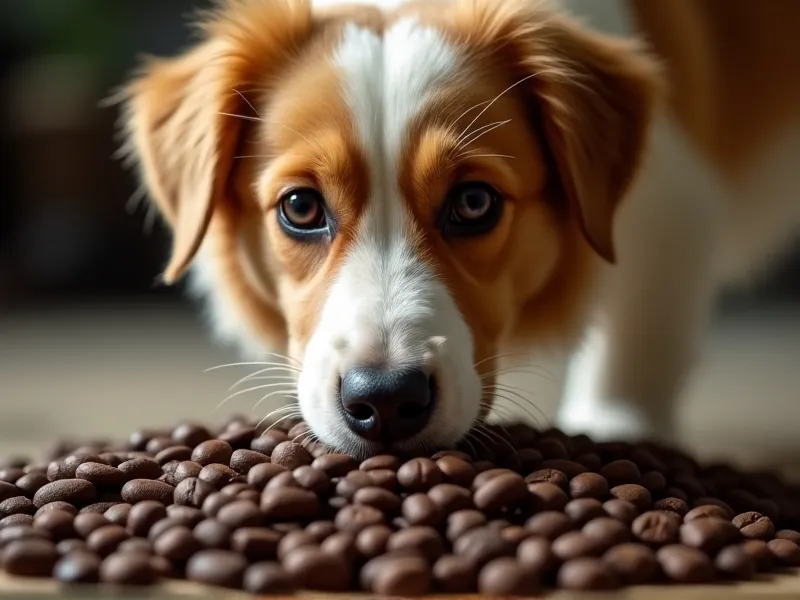
Table of Contents
- Can Dogs Eat Coffee Beans? The Short Answer
- Potential “Benefits” of Coffee Beans for Dogs: Fact or Fiction?
- The Risks: Why Coffee Beans Are Dangerous for Dogs
- How Much Coffee Bean Is “Safe”? Spoiler: None
- What to Do If Your Dog Eats Coffee Beans (Step-by-Step)
- Healthier Alternatives to Coffee Beans
- FAQ: Your Coffee Bean Questions, Answered
- Conclusion: Keep Those Beans Out of Paws’ Reach
Can Dogs Eat Coffee Beans? The Short Answer
No. Dogs should never eat coffee beans. In fact, coffee beans are highly toxic to dogs, thanks to their caffeine content. Even a small handful can lead to severe health issues—including seizures, organ failure, or worse. Let’s unpack why.
Potential “Benefits” of Coffee Beans for Dogs: Fact or Fiction?
You might think, “But coffee beans have fiber and potassium—aren’t those good for dogs?” It’s true: Coffee beans do contain trace nutrients like fiber (about 20% of their weight), potassium, and antioxidants. But here’s the problem: Dogs don’t need these nutrients from coffee beans—and the risks of feeding them coffee beans far outweigh any minor perks.
- Fiber: Dogs get plenty of fiber from their regular diet (think: whole grains, vegetables, or commercial dog food formulated with fiber). Excess fiber from coffee beans can actually cause stomach upset, diarrhea, or bloating.
- Potassium: Bananas, sweet potatoes, and spinach are safer, tastier sources of potassium for dogs—no caffeine required.
- Antioxidants: Blueberries, carrots, and even broccoli are packed with antioxidants that won’t poison your pup.
In short: Any “benefit” of coffee beans is irrelevant when you consider the life-threatening risks.
The Risks: Why Coffee Beans Are Dangerous for Dogs
The biggest danger? Caffeine. Coffee beans are loaded with it—even more than brewed coffee. Let’s break down the risks:
1. Caffeine Toxicity: The #1 Threat
Caffeine is a stimulant that affects the central nervous system and heart. While humans can handle it, dogs metabolize caffeine much slower (their bodies take 12-24 hours to process it, vs. 4-6 hours for humans). This means even a small amount can build up to toxic levels.
How much is toxic? According to the Pet Poison Helpline, as little as 150 mg of caffeine per kilogram of body weight can be lethal for dogs. To put that in perspective:
- A single roasted coffee bean contains ~6-10 mg of caffeine.
- A 10-pound (4.5 kg) dog would reach toxic levels after eating just 14-22 beans (about 84-220 mg caffeine).
- A 50-pound (22.7 kg) dog could be in danger after 70-110 beans.
Symptoms of caffeine toxicity include:
- Restlessness, hyperactivity, or pacing
- Rapid breathing or panting
- Increased heart rate (tachycardia) or irregular heartbeat
- Tremors, seizures, or muscle twitching
- Vomiting, diarrhea, or excessive thirst
- Collapse or loss of consciousness
If left untreated, caffeine toxicity can lead to heart failure, kidney damage, or death.
2. Added Sugars and Flavors
Many coffee beans are flavored (e.g., vanilla, chocolate, caramel) or coated in sugar. These add-ons are dangerous too:
- Sugar: Contributes to obesity, diabetes, and dental decay in dogs.
- Chocolate: Even a hint of chocolate (common in “mocha” or “chocolate-covered” beans) is toxic to dogs, thanks to theobromine.
3. Choking Hazard
Coffee beans are small, hard, and round—perfect for getting stuck in a dog’s throat, especially small breeds like Chihuahuas or Yorkies. If a bean lodges in their airway, it can block breathing and become a medical emergency.
4. Stomach Upset
Raw or roasted coffee beans are acidic and high in fiber. For dogs, this can cause:
- Nausea or vomiting
- Diarrhea (from excess fiber)
- Stomach ulcers (from acidity, in rare cases)
How Much Coffee Bean Is “Safe”? Spoiler: None
There’s no “safe” amount of coffee beans for dogs. Even 1-2 beans can cause mild symptoms (like jitters or an upset stomach) in small dogs. For larger dogs, a few beans might not be lethal—but why risk it?
The bottom line: Keep all coffee beans (raw, roasted, flavored, or ground) far out of your dog’s reach. Store them in airtight containers, cabinets, or high shelves—curious pups are master counter-surfers!
What to Do If Your Dog Eats Coffee Beans (Step-by-Step)
Accidents happen. If you catch your dog munching on coffee beans, act fast:
Step 1: Stay Calm and Assess
Check how many beans they ate (if possible) and note the type (raw, roasted, flavored). Weigh your dog—this helps the vet calculate potential caffeine exposure.
Step 2: Call Your Vet Immediately
Don’t wait for symptoms to appear—caffeine toxicity can progress quickly. Call your veterinarian or the ASPCA Animal Poison Control Center (APCC) at (888) 426-4435 (note: they may charge a $65 consultation fee).
Step 3: Follow the Vet’s Instructions
Your vet may recommend:
- Inducing vomiting: Only if the beans were eaten within the last 1-2 hours (and if the vet approves—never induce vomiting without guidance, as some toxins damage the esophagus on the way up).
- Activated charcoal: To absorb remaining caffeine in the stomach.
- Hospitalization: For IV fluids, heart monitoring, or anti-seizure medication (in severe cases).
Healthier Alternatives to Coffee Beans
If your dog begs for a snack, skip the coffee beans and opt for these safe, tasty alternatives:
For Fiber:
- Cooked pumpkin (plain, no sugar/spices): 1-2 tbsp per day (great for digestion!).
- Steamed green beans: Crunchy and low-calorie.
- Sweet potato (cooked, plain): A fiber-rich, vitamin-packed treat.
For Potassium:
- Banana slices: A natural, sweet source of potassium (1-2 slices for small dogs, ½ banana for large breeds).
- Spinach (steamed, in moderation): Packed with potassium and iron—just avoid raw (can cause upset stomach).
For a Crunchy Treat:
- Carrot sticks: Low-calorie, high-fiber, and great for teeth.
- Apple slices (no seeds!): Sweet and full of antioxidants.
- Blueberries: A superfood snack (safe in small handfuls).
FAQ: Your Coffee Bean Questions, Answered
Q: Can dogs have decaf coffee beans?
A: No. Decaf beans still contain trace caffeine (about 1-3% of regular beans). For small dogs, even this tiny amount could cause issues.
Q: What if my dog only ate one coffee bean?
A: Call your vet anyway—especially if your dog is small (under 20 pounds). Better safe than sorry!
Q: Are coffee grounds as dangerous as beans?
A: Yes—more dangerous. Coffee grounds are more concentrated (1 tbsp = ~60-100 mg caffeine), so a small pile could poison a dog quickly.
Q: My dog ate a chocolate-covered coffee bean—now what?
A: Chocolate + caffeine = double trouble. Chocolate contains theobromine (another toxic stimulant), so call your vet immediately.
Conclusion: Keep Those Beans Out of Paws’ Reach
As a pet parent, your dog’s safety is your top priority—and that means keeping coffee beans (and all caffeine products) off their menu. While it’s tempting to share snacks, the risk of caffeine toxicity is simply too high.
Instead, opt for dog-safe treats like carrots, bananas, or pumpkin. And if your pup ever gets into coffee beans, don’t panic—act fast, call your vet, and your furry friend will be back to wagging their tail in no time.
Remember: When in doubt, always consult your veterinarian. They’re your best resource for keeping your dog happy, healthy, and coffee-bean-free!
References
- American Society for the Prevention of Cruelty to Animals (ASPCA). “Caffeine.” aspca.org/pet-care/animal-poison-control/toxic-and-non-toxic-plants/caffeine
- Pet Poison Helpline. “Caffeine Toxicity in Pets.” petpoisonhelpline.com/poison/caffeine/
- American Veterinary Medical Association (AVMA). “Toxic Substances for Pets.” avma.org/resources/pet-owners/petcare/toxic-substances
- Veterinary Partner. “Caffeine Poisoning in Dogs and Cats.” veterinarypartner.vin.com/default.aspx?pid=19239&id=4952628