· 8 min read
Can Dogs Eat Coffee? The Shocking Truth Every Pet Parent Needs to Know
Picture this: You’re sipping your morning coffee, enjoying the warmth and that much-needed caffeine boost, when your furry sidekick trots over. Their big, soulful eyes lock onto your mug, and you can almost hear them thinking, “Can I have a taste?” It’s a common scenario—our dogs are curious creatures, always eager to share in whatever we’re enjoying. But when it comes to coffee, that innocent “can I?” deserves a serious answer.
As pet parents, we want to keep our pups happy and healthy, but navigating what’s safe for them to eat can feel like solving a puzzle. Coffee, a staple in many human diets, is one of those gray areas—until now. In this post, we’ll break down whether dogs can safely enjoy coffee, the hidden risks (spoiler: they’re significant), and what to do if your dog accidentally gets into your java. Let’s dive in!
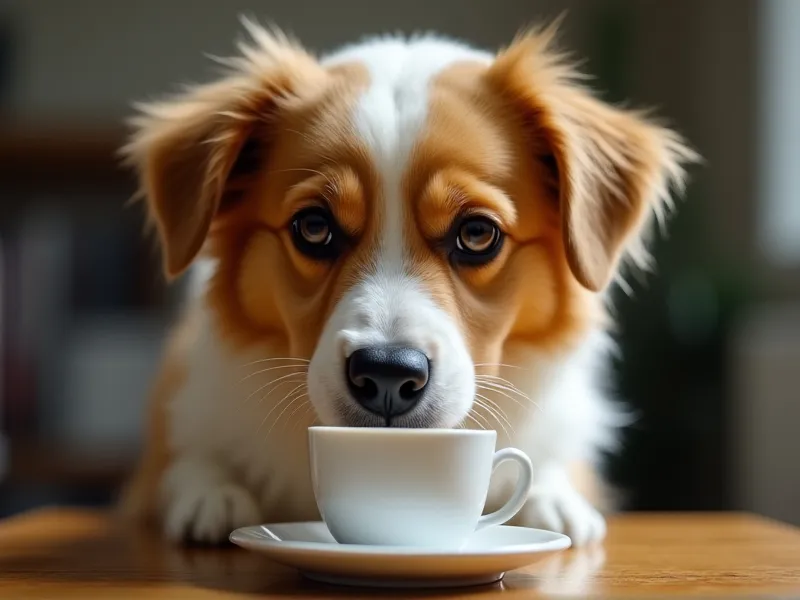
Table of Contents
- Can Dogs Eat Coffee? The Short Answer
- The Risks of Coffee for Dogs: Why It’s a Big No-No
- Caffeine Toxicity: The Most Dangerous Risk
- Added Sugars and Artificial Sweeteners
- Stomach Upset and Digestive Issues
- Choking and Blockage Hazards
- Are There Any Benefits of Coffee for Dogs?
- How Much Coffee Is “Safe” for Dogs? Spoiler: None
- What to Do If Your Dog Eats Coffee
- Healthier Alternatives to Coffee for Your Pup
- FAQ: Your Coffee-and-Dog Questions Answered
- Conclusion: Keep the Coffee (and Caffeine) Away from Your Canine
Can Dogs Eat Coffee? The Short Answer
No, dogs should not eat or drink coffee—at all. While a tiny lick of spilled coffee might not send your pup to the emergency vet, coffee (and all caffeine-containing products) poses serious health risks to dogs. From life-threatening caffeine toxicity to digestive upset, the dangers far outweigh any hypothetical benefits. Let’s unpack why coffee is a big no-no for your furry friend.
The Risks of Coffee for Dogs: Why It’s a Big No-No
Coffee might be a morning staple for humans, but for dogs, it’s a toxic minefield. Here’s a breakdown of the biggest risks:
Caffeine Toxicity: The Most Dangerous Risk
The primary danger of coffee for dogs is caffeine. Caffeine is a stimulant that affects the central nervous system and heart. While humans can metabolize caffeine relatively quickly, dogs process it much slower—meaning even small amounts can build up in their system and cause toxicity.
Caffeine is found in coffee beans, grounds, brewed coffee, and even decaf (yes, decaf still contains trace amounts of caffeine!). According to the ASPCA Animal Poison Control Center, caffeine toxicity in dogs can occur with as little as 15-20 mg of caffeine per kilogram of body weight. For context:
- A 10-pound dog (4.5 kg) could experience severe symptoms from just 68-90 mg of caffeine—that’s roughly 1-2 teaspoons of coffee grounds or 1/4 cup of strong brewed coffee.
- A 50-pound dog (22.7 kg) could be in danger with 340-454 mg of caffeine—about 1/2 cup of coffee grounds or 1-2 cups of brewed coffee.
Symptoms of caffeine toxicity in dogs include:
- Restlessness, hyperactivity, or agitation
- Rapid breathing or panting
- Increased heart rate (tachycardia) or irregular heartbeat
- Muscle tremors or seizures
- Vomiting or diarrhea
- Excessive thirst or urination
- In severe cases: collapse, coma, or death
If you notice any of these symptoms after your dog has接触 coffee, contact your vet or an emergency animal hospital immediately.
Added Sugars and Artificial Sweeteners
Many people sweeten their coffee with sugar, syrups, or artificial sweeteners like xylitol. While sugar alone isn’t toxic, it’s unhealthy for dogs:
- Sugar: Contributes to obesity, dental decay, and diabetes over time.
- Xylitol: An artificial sweetener found in some “sugar-free” coffee syrups or creamers. Xylitol is extremely toxic to dogs—even small amounts can cause a rapid drop in blood sugar (hypoglycemia), liver failure, or death. Symptoms include weakness, staggering, seizures, or vomiting.
Stomach Upset and Digestive Issues
Coffee is acidic, which can irritate a dog’s sensitive stomach. Even without caffeine, a small amount of coffee might cause:
- Nausea or vomiting
- Diarrhea
- Abdominal pain or discomfort
Dogs with pre-existing digestive issues (like IBS or a sensitive stomach) are even more likely to react badly.
Choking and Blockage Hazards
Coffee grounds or whole coffee beans are small and hard, making them a choking risk—especially for small dogs. If swallowed in large quantities, they could also cause an intestinal blockage, which requires emergency surgery to remove.
Are There Any Benefits of Coffee for Dogs?
You might be wondering: Could coffee offer any nutrients to dogs, like fiber or potassium (as sometimes suggested)? The short answer: No, coffee is not a beneficial food for dogs—and any trace nutrients it contains are overshadowed by its risks.
Let’s set the record straight:
- Fiber: Coffee beans do contain small amounts of fiber, but dogs get all the fiber they need from their balanced dog food (look for formulas with whole grains, vegetables, or pumpkin). Coffee is not a safe or efficient source.
- Potassium: While coffee has tiny amounts of potassium, dogs need far more from their diet (e.g., bananas, sweet potatoes, or their regular kibble). Coffee isn’t a viable way to supplement this mineral.
In short: There’s no nutritional reason to feed coffee to your dog. The risks are simply too great.
How Much Coffee Is “Safe” for Dogs? Spoiler: None
There’s no “safe” amount of coffee for dogs. Even a small sip of brewed coffee or a few licks of spilled grounds can cause mild symptoms (like restlessness or an upset stomach) in sensitive pups. For smaller dogs, or dogs who consume more, the consequences can be life-threatening.
If you’re tempted to share a “treat” with your dog, remember: Their bodies aren’t built to handle caffeine. Stick to dog-safe snacks instead!
What to Do If Your Dog Eats Coffee
Accidents happen! If your dog gets into coffee (grounds, beans, or brewed), stay calm and take these steps:
- Assess the situation: Note how much coffee your dog ate/drank (e.g., “1 tablespoon of grounds” or “1/4 cup of brewed coffee”) and what kind (sweetened, unsweetened, decaf, etc.).
- Contact your vet or poison control: Call your veterinarian immediately. If it’s after hours, reach out to the ASPCA Animal Poison Control Center (1-888-426-4435) or Pet Poison Helpline (1-855-764-7661; fee may apply).
- Monitor for symptoms: Watch for restlessness, rapid breathing, vomiting, or tremors. Keep your dog calm and offer fresh water (unless instructed otherwise by a vet).
- Do NOT induce vomiting unless told to: Never make your dog throw up without professional guidance—this can worsen issues if the coffee contains sharp objects (like beans) or if your dog is already having seizures.
Healthier Alternatives to Coffee for Your Pup
If you want to “share” a warm (or cold) beverage with your dog, skip the coffee and opt for these safe, hydrating alternatives:
- Plain water: The best choice! Keep a fresh bowl available at all times.
- Unsweetened coconut water: A small sip (1-2 tablespoons for small dogs, 1/4 cup for large dogs) can replenish electrolytes, but avoid overdoing it (too much can cause diarrhea).
- Bone broth: Warm, unsalted bone broth is soothing and packed with nutrients. Make sure it’s free of onions, garlic, or other toxic ingredients.
- Herbal tea (caffeine-free): Chamomile or peppermint tea (cooled, unsweetened) can be calming for dogs, but check with your vet first to ensure it’s safe for your pup.
FAQ: Your Coffee-and-Dog Questions Answered
Q: My dog licked a tiny bit of spilled coffee—should I panic?
A: Probably not! A single lick is unlikely to cause toxicity, but monitor your dog for 24 hours. If they seem restless, vomit, or act unusual, call your vet.
Q: Is decaf coffee safe for dogs?
A: No. Decaf still contains trace amounts of caffeine (about 2-5 mg per cup, compared to 95 mg in regular coffee). While a small sip might not be lethal, it’s still unnecessary and risky.
Q: Can dogs have coffee-flavored treats (like coffee ice cream or cookies)?
A: No. These treats often contain caffeine, sugar, xylitol, or chocolate (another toxic ingredient for dogs). Stick to dog-specific treats instead.
Q: What if my dog ate coffee grounds?
A: Coffee grounds are more concentrated in caffeine than brewed coffee, so even a small amount can be dangerous. Contact your vet immediately with the approximate amount eaten.
Q: Are other caffeinated drinks (like tea, soda, or energy drinks) safe for dogs?
A: No! All caffeine-containing products (tea, soda, energy drinks, chocolate) are toxic to dogs. Keep these far out of your pup’s reach.
Conclusion: Keep the Coffee (and Caffeine) Away from Your Canine
While it might be tempting to share your morning coffee with your eager pup, the risks are simply too high. Coffee’s caffeine content can cause life-threatening toxicity, and added sugars or sweeteners only make it worse.
As a responsible pet parent, the best choice is to keep coffee (and all caffeine products) stored safely away from your dog. Stick to fresh water, dog-safe treats, and consult your vet if you ever have questions about what’s safe for your furry friend.
After all, your dog’s health and happiness are worth more than a shared sip of coffee. Here’s to many tail-wagging mornings—with your coffee in hand and your pup’s water bowl full!
References: