· 8 min read
Can Dogs Eat Cod Fish? A Pet Parent’s Guide to Safe & Healthy Feeding
It’s a cozy weeknight, and you’re savoring a flaky piece of baked cod for dinner. Across the table, your dog sits patiently, tail thumping against the floor, those big, soulful eyes begging for a bite. You pause—you know some human foods are toxic to dogs, but fish? It sounds healthy, right? If you’ve ever wondered, “Can dogs eat cod fish?” you’re not alone. As pet parents, we want to share the best parts of life with our pups, but their safety always comes first.
In this guide, we’ll break down everything you need to know about feeding cod to your dog: Is it safe? What are the benefits? Are there risks to watch for? And how much is too much? Let’s dive in and help you make informed choices for your furry friend.
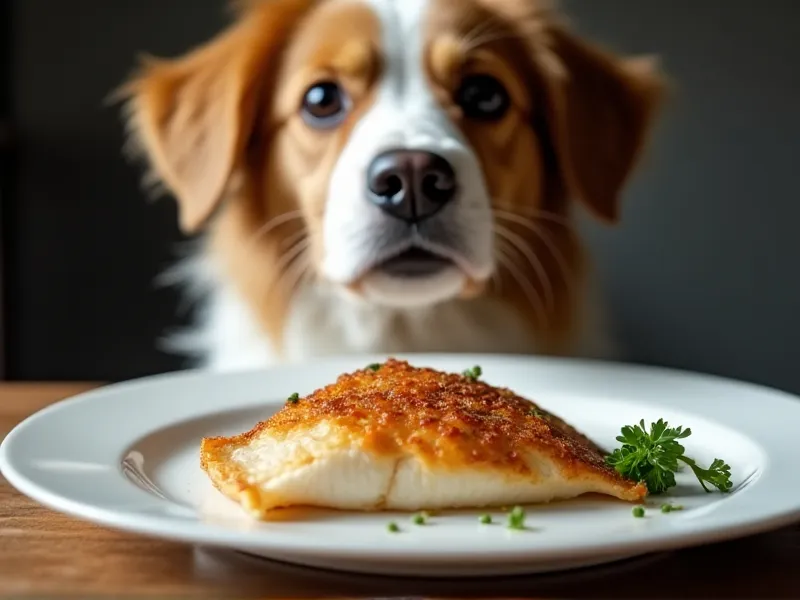
Table of Contents
- Is Cod Fish Safe for Dogs? The Short Answer
- Nutritional Benefits of Cod for Dogs: Why It’s More Than Just a Treat
- Risks of Feeding Cod to Dogs: What to Avoid
- How Much Cod Can Dogs Eat? Guidelines for Safe Portions
- Healthier Alternatives to Cod (If You Want to Mix It Up)
- FAQ: Your Cod-Related Questions Answered
- Conclusion: Cod as a Treat—With a Side of Common Sense
- References
Is Cod Fish Safe for Dogs? The Short Answer
Yes, dogs can eat cod fish—but only in moderation and when prepared safely.
Cod is a mild, white fish that’s low in fat, high in protein, and packed with nutrients that can benefit your dog’s health. Unlike some fish (like tuna or swordfish), cod is also low in mercury, making it a safer choice for occasional treats. However, there are caveats: how you serve cod matters more than the fish itself. Bones, seasoning, and raw preparation can turn this healthy snack into a hazard. Let’s break down the details.
Nutritional Benefits of Cod for Dogs: Why It’s More Than Just a Treat
Cod isn’t just a tasty human meal—it’s a nutrient-dense food that can support your dog’s overall health when fed correctly. Here’s what makes it a standout:
1. High-Quality Protein: The Building Block of a Strong Pup
Protein is essential for dogs. It fuels muscle growth, repairs tissue, and keeps their energy levels steady. Cod is an excellent source of lean, complete protein, meaning it contains all the amino acids your dog needs (like taurine, which supports heart health). For active dogs, senior dogs, or those recovering from illness, cod’s protein can be a gentle, easy-to-digest boost.
2. Omega-3 Fatty Acids: For a Shiny Coat and Happy Joints
Cod contains small amounts of omega-3 fatty acids (EPA and DHA), which are famous for their anti-inflammatory properties. These healthy fats:
- Reduce joint pain in dogs with arthritis or hip dysplasia.
- Support skin health, reducing itching and flakiness (great for dogs with allergies).
- Boost brain function, especially in puppies (supporting cognitive development) and senior dogs (slowing age-related decline).
3. Essential Vitamins: B12, D, and Niacin
Cod is rich in B vitamins, including B12 (critical for nerve function and red blood cell production) and niacin (B3, which aids digestion and energy metabolism). It also contains vitamin D, which helps dogs absorb calcium and maintain strong bones—especially important for indoor dogs who don’t get much sun exposure.
4. Minerals: Selenium, Phosphorus, and Selenium (Again!)
Minerals in cod work behind the scenes to keep your dog healthy:
- Selenium: An antioxidant that protects cells from damage and supports thyroid function (a healthy thyroid regulates metabolism).
- Phosphorus: Works with calcium to build strong bones and teeth.
- Magnesium: Supports muscle and nerve function, and helps regulate blood sugar.
Risks of Feeding Cod to Dogs: What to Avoid
While cod has perks, it’s not without risks. Here’s what to watch for to keep your dog safe:
1. Bones: The Hidden Danger
The biggest risk of cod (or any fish) is bones. Cooked cod bones are small, brittle, and sharp—they can splinter when chewed, causing choking, lacerations in the throat or intestines, or blockages. Even tiny bones can get stuck in your dog’s digestive tract, leading to vomiting, diarrhea, or the need for surgery. Always, always remove all bones before serving cod to your dog.
2. Raw Cod: Parasites and Bacteria Lurk
Raw fish (including cod) can harbor parasites like Anisakis or bacteria like Salmonella, which can make your dog sick. Symptoms include vomiting, diarrhea, or even more severe infections. Cooking cod to an internal temperature of 145°F (63°C) kills these pathogens, making it safe for your pup.
3. Seasoning and Additives: Keep It Plain!
Your garlic-butter cod or beer-battered fish fry might taste amazing, but it’s toxic to dogs. Onions, garlic, salt, pepper, and spices can cause anemia (onions/garlic damage red blood cells) or kidney issues (excess salt). Even “healthy” add-ons like lemon or herbs can irritate your dog’s stomach. Stick to plain, unseasoned, cooked cod—nothing else!
4. Overfeeding: Stomach Upset and Nutritional Imbalance
Cod is low in fat, but overfeeding any treat can lead to digestive issues like diarrhea or pancreatitis (in severe cases). Plus, if cod replaces your dog’s regular food, they may miss out on essential nutrients their kibble or wet food provides. Treats should make up no more than 10% of your dog’s daily calories.
How Much Cod Can Dogs Eat? Guidelines for Safe Portions
The key to feeding cod is moderation. Here’s a general rule of thumb based on your dog’s size:
| Dog Size | Cooked Cod Portion (Occasional Treat) | Frequency |
|---|---|---|
| Small (5–20 lbs) | 1–2 ounces (about the size of a deck of cards) | 1–2 times per week |
| Medium (20–50 lbs) | 2–3 ounces | 1–2 times per week |
| Large (50+ lbs) | 3–4 ounces | 1–2 times per week |
Pro Tips for Serving Cod:
- Cook it thoroughly: Bake, boil, or steam cod—no frying! Frying adds unhealthy fats and calories.
- Remove all bones: Even tiny bones can be dangerous. Check twice before serving.
- Chop it up: For small dogs, cut cod into bite-sized pieces to prevent choking.
- Mix with kibble: Stir a little cod into your dog’s regular food for a special meal, or serve it alone as a treat.
Healthier Alternatives to Cod (If You Want to Mix It Up)
Cod is great, but variety is the spice of life—for dogs too! Here are other fish that are safe and nutritious:
1. Salmon: The Omega-3 Powerhouse
Salmon has more omega-3s than cod, making it a star for skin and joint health. Opt for wild-caught salmon (lower in contaminants than farm-raised) and cook it thoroughly, boneless.
2. Sardines: Tiny Fish, Big Benefits
Sardines are low in mercury, high in calcium (thanks to their soft, edible bones), and packed with protein. Look for sardines in water (not oil or salt) for a budget-friendly, nutrient-dense treat.
3. Haddock: A Mild Alternative to Cod
Haddock is similar to cod in taste and nutrition—lean, low-mercury, and rich in B12. It’s a great swap if your dog gets bored with cod.
4. Whitefish (Like Tilapia or Pollock)
These mild, flaky fish are low in fat and easy to digest, making them ideal for dogs with sensitive stomachs.
FAQ: Your Cod-Related Questions Answered
Q: Can dogs eat cod bones?
A: No! Cod bones are small, brittle, and splinter easily when cooked. They can lodge in your dog’s throat, esophagus, or intestines, causing choking or blockages (which may require surgery). Always remove all bones before feeding.
Q: Can dogs eat raw cod?
A: It’s not recommended. Raw cod may contain parasites (like Anisakis) or bacteria (e.g., E. coli) that cause vomiting, diarrhea, or infections. Cooking kills these pathogens—play it safe and serve cod well-done.
Q: Can dogs eat cod skin?
A: Maybe, but proceed with caution. Cooked cod skin is safe in small amounts, but it’s high in fat, which can upset sensitive stomachs. Avoid skin if your dog has pancreatitis or is overweight.
Q: Is cod liver oil safe for dogs?
A: Yes, in moderation. Cod liver oil is a concentrated source of omega-3s, vitamin D, and vitamin A. However, too much can cause vitamin A toxicity (symptoms: vomiting, lethargy). Ask your vet for a dosage recommendation (typically 1 teaspoon per 30 lbs of body weight, once daily).
Q: Can puppies or senior dogs eat cod?
A: Yes! Puppies benefit from cod’s protein and DHA (brain development), while seniors enjoy its joint-supporting omega-3s. Just adjust portions to their size and activity level (e.g., less for less active seniors).
Conclusion: Cod as a Treat—With a Side of Common Sense
Cod can be a wonderful addition to your dog’s diet, offering lean protein, omega-3s, and essential nutrients. When served cooked, boneless, and unseasoned, it’s a safe, tasty treat that will make your pup’s tail wag.
Remember: moderation is key. Cod should never replace your dog’s balanced, vet-approved food, and always check with your vet before introducing new foods—especially if your dog has allergies, health issues, or is on a special diet.
At the end of the day, sharing a bite of cod with your dog is about more than just food—it’s about connection. So go ahead, enjoy that dinner together (responsibly!), and cherish those moments of wagging tails and happy licks.
References
- American Society for the Prevention of Cruelty to Animals (ASPCA). “People Foods to Avoid Feeding Your Pet.” aspca.org
- American Kennel Club (AKC). “Can Dogs Eat Fish?” akc.org
- PetMD. “Can Dogs Eat Fish?” petmd.com
- U.S. Food and Drug Administration (FDA). “Fish as Food for Pets: What You Need to Know.” fda.gov