· 9 min read
Can Dogs Eat Cocoa Powder? The Sweet Truth Every Pet Parent Needs to Know
It’s a lazy Saturday morning, and you’re in the kitchen, stirring a bowl of brownie batter. The rich, earthy scent of cocoa powder fills the air, and your dog—tail thumping, nose twitching—trots over, begging for a taste. You pause, spoon in hand, and wonder: Is cocoa powder safe for dogs? After all, it’s “natural,” right? Maybe even has some health benefits?
If you’ve ever asked this question, you’re not alone. With so many human foods being debated as “safe” or “toxic” for pets, it’s hard to keep track. Today, we’re diving deep into cocoa powder: what it is, why it matters for your dog, and whether that innocent-looking powder in your pantry is a hidden hazard. Spoiler: The answer might surprise you.
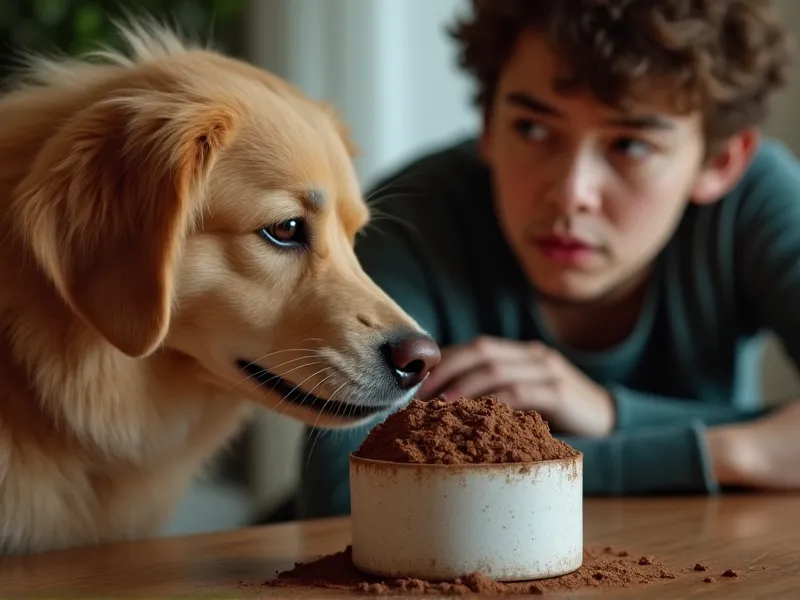
Table of Contents
- Can Dogs Eat Cocoa Powder? The Short Answer
- What Is Cocoa Powder, Anyway?
- Potential Benefits: Are There Any Upsides?
- The Risks: Why Cocoa Powder Is Dangerous for Dogs
- How Much Cocoa Powder Is “Safe”? Spoiler: Probably None
- Healthier Alternatives to Cocoa Powder
- FAQ: Your Cocoa Powder Questions Answered
- Conclusion: Keep the Cocoa (Powder) Away from Pups
Can Dogs Eat Cocoa Powder? The Short Answer
No. Dogs should not eat cocoa powder. At all.
Cocoa powder is derived from cacao beans, which contain a compound called theobromine—a stimulant that’s toxic to dogs. Unlike humans, dogs metabolize theobromine very slowly, so even small amounts can build up in their system, leading to poisoning. While you might see recipes or claims online about “unsweetened” or “raw” cocoa powder being “safer,” the truth is: All cocoa powder contains theobromine, and no amount is worth the risk.
What Is Cocoa Powder, Anyway?
Before we dive into the risks, let’s get clear on what cocoa powder actually is.
Cocoa powder is made by roasting and grinding cacao beans (the seeds of the Theobroma cacao tree), then pressing them to remove most of the fat (called cocoa butter). What’s left is a dry, powdery substance with a rich, bitter flavor. It’s used in baking, smoothies, and hot cocoa mixes to add chocolatey depth without the creaminess of chocolate bars.
There are two main types of cocoa powder:
- Natural Cocoa Powder: Made from unprocessed cacao beans, it’s acidic, bitter, and has a bright, fruity undertone. It’s often used in recipes like brownies or chocolate cakes.
- Dutch-Processed (Alkalized) Cocoa Powder: Treated with an alkali to neutralize acidity, resulting in a milder, smoother flavor and darker color. It’s common in frostings, ice cream, and European-style desserts.
No matter the type, though, theobromine is present. And that’s where the danger lies.
Potential Benefits: Are There Any Upsides?
At first glance, cocoa powder might seem like a nutritional powerhouse. It’s often marketed as a source of fiber, potassium, and antioxidants. But do these “benefits” actually matter for dogs? Let’s break it down:
Fiber: A Tiny Plus, But Not Necessary
Cocoa powder contains small amounts of dietary fiber (about 12g per 100g serving). Fiber is important for dogs’ digestion, but most high-quality dog foods already include plenty of fiber from sources like sweet potatoes, oats, or pumpkin. Your dog doesn’t need extra fiber from cocoa powder—especially when it comes with toxic side effects.
Potassium: A Nutrient, But Not a Reason to Risk It
Potassium is an essential mineral that helps regulate heart function, muscle contractions, and fluid balance. Cocoa powder has about 1,524mg of potassium per 100g. However, dogs get all the potassium they need from their regular diet (think: chicken, bananas, or commercial dog food formulated to meet AAFCO standards). Adding cocoa powder for potassium is like using a sledgehammer to crack a nut—unnecessary and dangerous.
Antioxidants: Overhyped and Overrisked
Cocoa powder is rich in flavonoids, antioxidants that fight inflammation. But again, dogs don’t need these from cocoa. Berries (like blueberries or strawberries) are a safe, dog-friendly source of antioxidants—no theobromine required.
The bottom line: Any “benefits” of cocoa powder are minimal, easily obtained from other safe foods, and completely overshadowed by its risks.
The Risks: Why Cocoa Powder Is Dangerous for Dogs
Now, let’s talk about the real threat: theobromine toxicity. This is the number one reason cocoa powder is off-limits for dogs. Here’s what you need to know:
1. Theobromine: A Deadly Stimulant
Theobromine is a methylxanthine, a class of compounds that also includes caffeine. In humans, it’s harmless (we metabolize it quickly), but in dogs, it’s a poison. Theobromine stimulates the central nervous system, heart, and kidneys, and dogs process it 6-10 times slower than humans. This means even small amounts can accumulate to toxic levels.
How much is toxic? Theobromine toxicity varies by dog size, but the general guideline is:
- Mild symptoms: 100-150 mg of theobromine per kg of body weight.
- Severe symptoms (seizures, death): 200-300 mg/kg.
Cocoa powder is extremely concentrated in theobromine. Natural cocoa powder contains about 260-300 mg of theobromine per ounce (28g)—that’s more than semi-sweet chocolate (150-160 mg/oz) and nearly as much as baking chocolate (390-450 mg/oz)!
For context: A 10lb (4.5kg) dog would reach mild toxicity with just 1.5 ounces (42g) of cocoa powder. That’s about 3-4 tablespoons—easy for a curious pup to sneak off the counter. A 50lb dog would need ~7.5 ounces (213g) for severe symptoms, but even 1-2 tablespoons could cause stomach upset.
2. Symptoms of Theobromine Poisoning
If your dog eats cocoa powder, watch for these symptoms (which can appear within 2-12 hours):
- Vomiting or diarrhea
- Increased thirst/urination
- Restlessness or hyperactivity
- Rapid breathing or heart rate
- Muscle tremors or seizures
- Weakness or collapse
In severe cases, theobromine can cause heart failure, kidney damage, or death. If you notice any of these signs, contact your vet immediately.
3. Added Sugars: A Hidden Danger
Many cocoa powders (especially those in hot cocoa mixes) are “sweetened,” meaning they contain added sugars (sucrose, high-fructose corn syrup). Even if theobromine weren’t toxic, sugar is terrible for dogs:
- Obesity: Extra sugar leads to weight gain, which increases risk of diabetes, joint pain, and heart disease.
- Dental disease: Sugar feeds harmful bacteria in the mouth, causing cavities and gum disease.
- Energy crashes: Spikes and dips in blood sugar can leave dogs irritable or lethargic.
Unsweetened cocoa powder avoids added sugars, but remember: theobromine is still present. No win here.
4. Stomach Upset (Even in Small Amounts)
Even tiny amounts of cocoa powder can irritate your dog’s stomach. The bitter taste and high fiber content may cause vomiting, diarrhea, or abdominal pain—even if theobromine levels aren’t high enough for toxicity.
5. Choking or Respiratory Risks
Dry cocoa powder is light and powdery. If a dog inhales it (e.g., by snatching a bowl off the counter), it could irritate their airways, causing coughing, gagging, or even choking. This is rare, but another reason to keep cocoa powder out of paws’ reach.
How Much Cocoa Powder Is “Safe”? Spoiler: Probably None
You might be thinking, “What if I give just a tiny sprinkle? Like, a pinch in their food?”
The truth is: There’s no universally “safe” amount of cocoa powder for dogs. Every dog is different—age, weight, health, and metabolism all play a role. A small dog (e.g., a Chihuahua) could get sick from a teaspoon, while a large dog (e.g., a Great Dane) might tolerate a tablespoon better. But why risk it?
Even “trace amounts” can add up over time. If your dog sneaks a little cocoa powder today and a little more tomorrow, theobromine could build up in their system, leading to delayed toxicity.
The safest choice: Keep cocoa powder (and all chocolate products) 100% away from your dog.
Healthier Alternatives to Cocoa Powder
Just because cocoa powder is off-limits doesn’t mean you can’t share tasty treats with your pup! Here are 5 dog-safe alternatives that satisfy their sweet tooth (without the risk):
1. Carob Powder
Carob is a pod from the carob tree, ground into a powder that tastes similar to chocolate—but contains no theobromine. It’s sweet, nutty, and safe for dogs. Use it in homemade dog treats (like carob “puppy brownies”) or sprinkle it on their kibble.
2. Pumpkin Puree
Unsweetened pumpkin puree is a dog favorite! It’s high in fiber (great for digestion), low in calories, and naturally sweet. Mix a spoonful into their food or freeze it in ice cube trays for a cool snack.
3. Mashed Banana
Bananas are packed with potassium (the good kind!) and natural sugars. Mash a ripe banana and mix it with peanut butter (xylitol-free!) for a creamy treat, or freeze banana slices for a crunchy snack.
4. Unsweetened Applesauce
Applesauce (no added sugar!) is soft, sweet, and full of vitamins. Use it as a binder in homemade dog treats or drizzle a little on their food for extra flavor.
5. Peanut Butter (Xylitol-Free!)
Peanut butter is a classic dog treat. Just make sure it’s unsalted and doesn’t contain xylitol (a sugar substitute that’s toxic to dogs). Spread it on a Kong or freeze it for a long-lasting snack.
FAQ: Your Cocoa Powder Questions Answered
Q: Is “unsweetened” cocoa powder safer for dogs?
A: No. Unsweetened cocoa powder still contains theobromine, the toxic compound. The lack of sugar doesn’t make it safe—it just removes one extra risk (added sugars).
Q: What if my dog ate a little cocoa powder? Should I panic?
A: Don’t panic, but act fast. Contact your vet or the ASPCA Animal Poison Control Center (APCC) at (888) 426-4435. Provide your dog’s weight, the type of cocoa powder (natural/Dutch-processed, sweetened/unsweetened), and the approximate amount eaten. They’ll guide you on next steps (e.g., inducing vomiting, monitoring symptoms).
Q: Can dogs have raw cacao powder instead?
A: No. Raw cacao powder is just unroasted cocoa powder—and it still contains theobromine. In fact, some raw cacao powders have higher theobromine levels than roasted ones.
Q: My dog ate a chocolate chip cookie—does that have cocoa powder?
A: Yes, most chocolate chip cookies contain cocoa powder (in the chocolate chips). Chocolate chips have theobromine too, so contact your vet if your dog eats them.
Q: Are there any “dog-safe” chocolate products?
A: No “true” chocolate is safe for dogs. Some companies sell “dog chocolate” made with carob instead of cocoa—those are safe! But always check the ingredients to be sure.
Conclusion: Keep the Cocoa (Powder) Away from Pups
As pet parents, we want to share the things we love with our dogs—including tasty treats. But when it comes to cocoa powder, the risks far outweigh any potential benefits. Theobromine toxicity is a serious threat, and even small amounts can harm your pup.
Instead of risking their health, opt for safe alternatives like carob powder, pumpkin, or banana. Your dog will love the treats, and you’ll have peace of mind knowing they’re happy and healthy.
And remember: When in doubt, always consult your vet. They can help you choose the best snacks for your dog’s unique needs.
Here’s to many more tail-wagging, treat-sharing moments—with safe snacks, of course!
References
- ASPCA Animal Poison Control Center. (n.d.). Chocolate Toxicity. aspca.org/pet-care/animal-poison-control/chocolate-poisoning
- Pet Poison Helpline. (n.d.). Theobromine (Chocolate) Poisoning in Dogs. petpoisonhelpline.com/poison/chocolate/
- VCA Hospitals. (n.d.). Chocolate Poisoning in Dogs. vcahospitals.com/know-your-pet/chocolate-poisoning-in-dogs
- USDA FoodData Central. (n.d.). Cocoa, dry powder, unsweetened. fdc.nal.usda.gov/fdc-app.html#/food-details/170041/nutrients