· 9 min read
Can Dogs Eat Cockroaches? What Pet Parents Need to Know
It’s a scenario many pet parents have lived through: You’re scrolling through your phone, half-watching TV, when your dog suddenly bolts off the couch. Their nose twitches, tail stiffens, and before you can say “leave it,” they pounce—crunch—and swallow something small and scurrying. You peer over, and there it is: a squashed cockroach on the floor. Panic creeps in. Is that safe? Will your pup get sick? Why on earth would they eat that, anyway?
Dogs are curious creatures with a knack for turning everyday moments into mini adventures (or mini crises). Their natural instinct to chase, catch, and consume small prey—like bugs—is hardwired. But when that prey is a cockroach, a common household pest, pet parents are right to worry. Can dogs eat cockroaches? And even if they can, should they?
In this guide, we’ll break down the facts: the potential (minimal) benefits, the very real risks, what to do if your dog sneaks a roach, and healthier alternatives to satisfy their hunting urge. Let’s dive in.
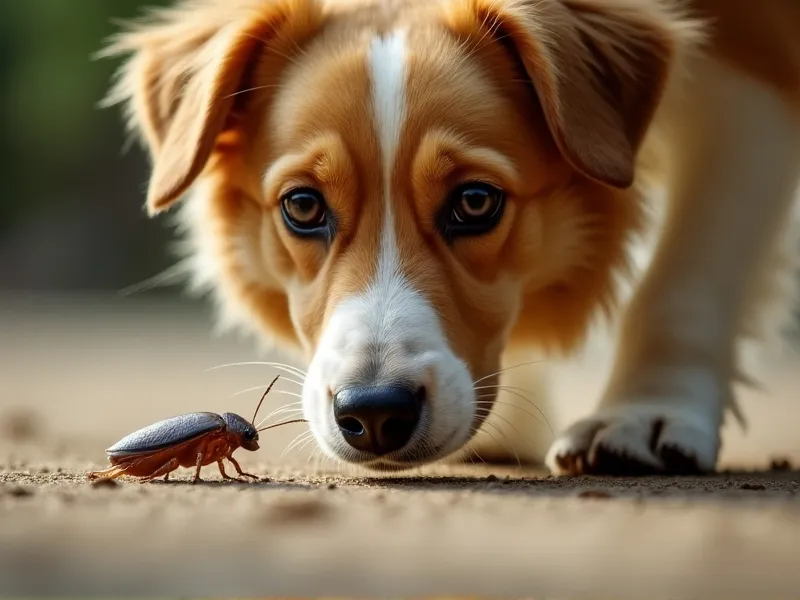
Table of Contents
- Can Dogs Eat Cockroaches? The Short Answer
- Potential “Benefits” of Cockroaches for Dogs (Spoiler: They’re Minimal)
- The Risks of Dogs Eating Cockroaches (Why It’s Not Worth It)
- What to Do If Your Dog Eats a Cockroach
- Healthier Alternatives to Cockroaches for Your Dog
- FAQ: Common Questions About Dogs and Cockroaches
- Conclusion: Prioritize Safety and Moderation
Can Dogs Eat Cockroaches? The Short Answer
Let’s cut to the chase: Technically, a single cockroach is unlikely to poison your dog outright. Cockroaches themselves aren’t listed as toxic to pets by organizations like the ASPCA. But here’s the catch: “Not toxic” doesn’t equal “safe.”
Cockroaches are scavengers, thriving in dirty, unsanitary environments (think garbage cans, sewers, and drains). They pick up all kinds of harmful pathogens, parasites, and chemicals along the way—none of which you want in your dog’s belly. While one roach might not cause immediate disaster, regularly eating them (or even one that’s been exposed to pesticides) could lead to serious health issues.
In short: Dogs can eat cockroaches, but they shouldn’t. It’s a risky habit with zero upside.
Potential “Benefits” of Cockroaches for Dogs (Spoiler: They’re Minimal)
If you’re thinking, “Well, maybe cockroaches are a natural, protein-packed snack?” Let’s temper those expectations. While it’s true that insects (including cockroaches) contain some nutrients, the amounts are so tiny that they’re irrelevant to your dog’s diet.
What’s in a Cockroach, Anyway?
Cockroaches are about 60-70% protein by dry weight, with small amounts of fat, fiber, and minerals like potassium and magnesium. On paper, that sounds decent—but consider the context:
- A single cockroach weighs less than a gram. Your dog would need to eat hundreds to get even a fraction of the protein in a single piece of chicken.
- The “fiber” in cockroaches comes from their exoskeletons, which are made of chitin—a tough, indigestible material that can irritate your dog’s gut.
- The minerals? Again, negligible. A single baby carrot has more potassium than a handful of roaches.
The Bottom Line: No Nutritional Upside
There’s no scenario where feeding your dog cockroaches makes sense nutritionally. Commercial dog food (or even fresh, human-grade foods) is carefully balanced to meet their needs. Cockroaches are just… empty calories with extra risks.
The Risks of Dogs Eating Cockroaches (Why It’s Not Worth It)
Now, let’s talk about the real concern: the risks. Cockroaches might not be toxic, but they’re walking (or scurrying) hazards. Here’s what you need to watch out for:
1. Pesticides and Chemicals
Most cockroaches in homes are there because of a pest problem—and where there are roaches, there are usually pesticides. Whether it’s sprays, baits, or foggers, these chemicals are designed to kill insects. If your dog eats a roach that’s been exposed to pesticides, they could ingest those toxins, too.
Symptoms of pesticide poisoning in dogs include:
- Vomiting or diarrhea
- Drooling or foaming at the mouth
- Tremors or seizures
- Lethargy or weakness
- Difficulty breathing
Even “pet-safe” pesticides (which are rare—most are toxic to insects, not pets) can cause stomach upset if ingested in large enough amounts.
2. Pathogens and Bacteria
Cockroaches are like tiny germ factories. They crawl through rotting food, feces, and sewage, picking up bacteria like Salmonella, E. coli, and Staphylococcus aureus. When your dog eats a roach, those bacteria can transfer to their digestive tract, leading to:
- Gastrointestinal infections (vomiting, diarrhea, abdominal pain)
- Food poisoning (in severe cases, fever or dehydration)
In vulnerable dogs (puppies, seniors, or those with weak immune systems), these infections could even be life-threatening.
3. Parasites
Cockroaches are known carriers of internal parasites, including:
- Tapeworms: Cockroaches can ingest tapeworm eggs, which then hatch into larvae. If your dog eats an infected roach, those larvae can grow into adult tapeworms in their intestines.
- Roundworms: Similarly, roaches can carry roundworm eggs, which can infect your dog if ingested.
Parasites steal nutrients from your dog, leading to weight loss, anemia, and poor coat quality. In severe cases, they can block the intestines.
4. Choking or Intestinal Blockages
Cockroaches are small, but their hard exoskeletons and legs can pose a choking risk—especially for tiny dogs or puppies. Even if they swallow it whole, the exoskeleton might get stuck in their throat or digestive tract, causing an obstruction.
Signs of a blockage include:
- Vomiting (especially after eating)
- Loss of appetite
- Abdominal pain (your dog may whine or paw at their belly)
- Constipation or inability to pass stool
Intestinal blockages are emergencies—they can be fatal if not treated quickly.
5. Allergic Reactions
While rare, some dogs might have an allergic reaction to proteins in cockroach saliva or exoskeletons. Symptoms could include itching, hives, swelling (especially around the face), or difficulty breathing. If you notice these, contact your vet immediately.
What to Do If Your Dog Eats a Cockroach
If your dog swallows a cockroach before you can stop them, take a deep breath. Panic won’t help—but staying vigilant will. Here’s what to do:
Step 1: Don’t Induce Vomiting (Unless Told to)
Unless your vet specifically instructs you to, avoid trying to make your dog vomit. Cockroaches have sharp exoskeletons, and forcing vomiting could damage their throat or esophagus.
Step 2: Monitor for Symptoms
Keep a close eye on your dog for the next 24–48 hours. Watch for:
- Vomiting or diarrhea (especially if it’s frequent or contains blood)
- Lethargy or weakness
- Loss of appetite
- Excessive drooling or difficulty swallowing
- Tremors, seizures, or difficulty breathing
If any of these occur, call your vet right away.
Step 3: Note the Context
If you know the cockroach was exposed to pesticides (e.g., you sprayed earlier that day), tell your vet. This info will help them decide on the best course of action.
Step 4: Prevent Future Snacks
The best “treatment” is prevention. Take steps to keep cockroaches out of your home (more on that in the FAQ!) and train your dog to “leave it” when they spot bugs.
Healthier Alternatives to Cockroaches for Your Dog
If your dog loves chasing bugs, they’re probably just bored or craving mental stimulation. Instead of letting them snack on roaches, try these safe, healthy alternatives to satisfy their hunting urge:
1. Lean Proteins
Dogs thrive on protein, and there are plenty of safer sources than cockroaches:
- Cooked chicken or turkey: Boneless, skinless, and unseasoned. A great training treat!
- Lean beef: Cooked, trimmed of fat.
- Fish: Salmon or sardines (in water, not oil) for omega-3s.
These are packed with high-quality protein and nutrients—no pathogens included.
2. Fresh Veggies
Many dogs love crunching on veggies, which are low in calories and high in fiber:
- Carrots: Crunchy and full of beta-carotene (good for eyesight).
- Green beans: Rich in vitamins A, C, and K.
- Cucumber: Hydrating and low-calorie (perfect for overweight dogs).
Just avoid toxic veggies like onions, garlic, or avocado.
3. Dog-Safe Fruits
Fruits make sweet, healthy treats (in moderation—they’re high in sugar):
- Blueberries: Antioxidant-rich and tiny, great for training.
- Apples: Remove the seeds (they contain cyanide) and core, then slice.
- Bananas: High in potassium, but limit to a few slices a day.
4. Commercial Treats
Opt for high-quality, vet-recommended dog treats. Look for options with simple ingredients (no artificial preservatives or fillers). Puzzle toys or treat-dispensing balls can also turn snack time into a fun, mentally stimulating game—tapping into your dog’s natural “hunting” instincts!
FAQ: Common Questions About Dogs and Cockroaches
Q: My dog ate a cockroach—should I call the vet right away?
A: Probably not, unless you notice symptoms (vomiting, lethargy, etc.). Most dogs will be fine after one roach. But if the roach was exposed to pesticides, or if your dog is a puppy, senior, or has health issues, it’s better to check in with your vet.
Q: Are cockroaches toxic to dogs?
A: Cockroaches themselves aren’t toxic, but they can carry toxins (like pesticides) and pathogens (bacteria, parasites) that are harmful.
Q: Can puppies eat cockroaches?
A: Puppies are more at risk than adult dogs. Their immune systems are weaker, and their small size makes choking or blockages more likely. Keep a close eye on puppies around bugs!
Q: Why does my dog keep eating cockroaches?
A: Dogs eat bugs for a few reasons: instinct (they’re natural hunters), curiosity, boredom, or even hunger (if their diet is lacking). If it’s frequent, try increasing playtime or offering more engaging toys.
Q: How can I stop my dog from eating cockroaches?
A:
- Pest-proof your home: Keep food sealed, clean up crumbs, and use pet-safe pest control (ask your vet for recommendations).
- Train “leave it”: Teach your dog to ignore bugs with positive reinforcement.
- Supervise: Keep an eye on them, especially in areas where roaches are common (kitchen, basement).
Q: Are there any bugs that are safe for dogs to eat?
A: Some bugs are safer than others (e.g., ladybugs, grasshoppers), but even then, they’re not necessary. Stick to approved treats to avoid risks.
Conclusion: Prioritize Safety and Moderation
At the end of the day, dogs eating cockroaches is a common, if gross, part of pet parenthood. While one roach is unlikely to harm your pup, it’s not a habit worth encouraging. Cockroaches carry too many hidden risks—pesticides, bacteria, parasites—to be worth the “benefit” of a tiny, nutrient-poor snack.
If your dog does sneak a roach, stay calm, monitor for symptoms, and call your vet if something seems off. And remember: The best way to protect your dog is to keep cockroaches (and other pests) out of your home in the first place.
Your dog’s curiosity is part of what makes them lovable—but when it comes to bugs, a little prevention goes a long way. Here’s to many more bug-free (and roach-free!) adventures with your pup.
References
- American Society for the Prevention of Cruelty to Animals (ASPCA). “Toxic and Non-Toxic Plants.” aspca.org
- PetMD. “My Dog Ate a Bug! Should I Worry?” petmd.com
- Centers for Disease Control and Prevention (CDC). “Cockroaches and Disease.” cdc.gov
- VCA Hospitals. “Intestinal Parasites in Dogs.” vcahospitals.com
- Veterinary Nutrition Education and Research Consortium (VNERC). “Nutritional Requirements of Dogs.” veterinarynutrition.org