· 7 min read
Can Dogs Eat Clam Chowder? A Pet Parent’s Guide to Risks, Benefits, and Safer Alternatives
It’s a crisp fall evening, and you’re curled up with a steaming bowl of creamy clam chowder—rich, savory, and brimming with chunks of tender clams. Across the room, your dog sits, tail wagging furiously, nose twitching at the aroma. Those puppy-dog eyes seem to say, “Can I have a bite?” It’s a common scenario for pet parents: sharing food feels like an act of love, but is clam chowder safe for your furry friend?
If you’ve ever wondered, “Can dogs eat clam chowder?” you’re not alone. In this guide, we’ll break down the risks, potential benefits, and whether that tempting spoonful is worth the worry. Spoiler: It’s not as simple as a yes or no. Let’s dive in.
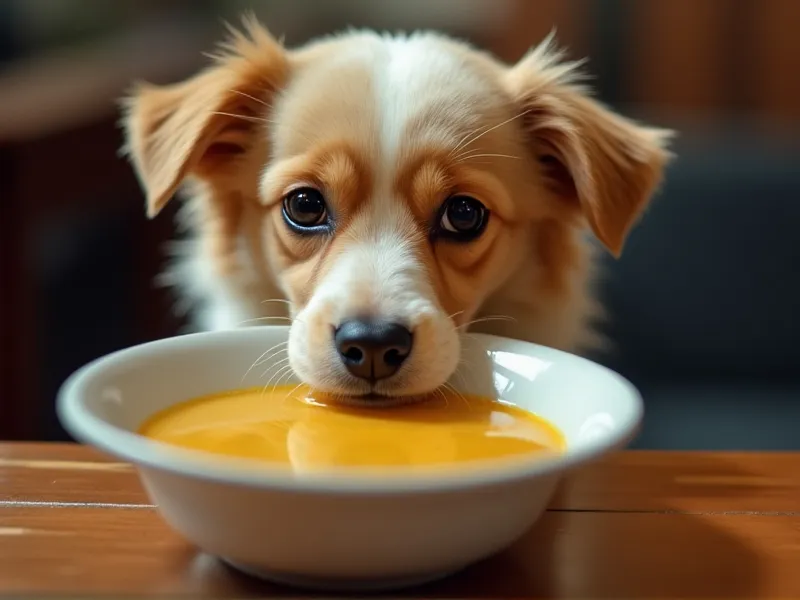
Table of Contents
- Can Dogs Eat Clam Chowder? The Short Answer
- The Nutritional Upside: What Clams Offer Dogs
- The Hidden Dangers: Why Clam Chowder Isn’t Dog-Friendly
- Dairy: A Recipe for Stomach Upset
- Onions, Garlic, and Leeks: Toxic to Dogs
- Sodium Overload: A Threat to Kidneys
- Fatty Ingredients: Pancreatitis Risk
- Additives and Extras: Sugars, Seasonings, and More
- How Much Clam Chowder Is “Safe” for Dogs?
- Healthier Alternatives to Clam Chowder
- FAQ: Your Clam Chowder Questions Answered
- Conclusion: Prioritize Your Dog’s Health
- References
1. Can Dogs Eat Clam Chowder? The Short Answer
No, dogs should not eat clam chowder. While clams themselves are not toxic to dogs (and can even offer some nutrients), the other ingredients in clam chowder make it a risky choice. Most store-bought or restaurant clam chowders contain dairy, onions, garlic, high sodium, and excess fat—all of which can harm your dog’s health. Even “homemade” versions often include these problematic ingredients.
In short: Clam chowder is a human food best kept off your dog’s plate.
2. The Nutritional Upside: What Clams Offer Dogs
Before we dive into the risks, let’s acknowledge the elephant in the room: clams are nutritious. If you strip away the chowder’s creamy, salty, onion-laden base, clams themselves can be a healthy treat for dogs—in moderation. Here’s what makes clams a standout:
- Protein: Clams are packed with lean protein, which supports muscle growth, repair, and overall energy.
- Iron: Essential for healthy red blood cells and preventing anemia.
- Zinc: Boosts immune function and supports skin and coat health.
- Omega-3 Fatty Acids: These “good fats” reduce inflammation and support heart and brain health.
- Potassium: Regulates blood pressure and muscle function.
- Vitamins B12 and B6: Aid in nerve function and energy metabolism.
So, clams alone can be a beneficial addition to your dog’s diet—if prepared safely (no salt, butter, or seasonings). But when mixed into clam chowder, these benefits are overshadowed by dangerous ingredients.
3. The Hidden Dangers: Why Clam Chowder Isn’t Dog-Friendly
Clam chowder’s appeal lies in its creamy, flavorful base—but that’s exactly what makes it unsafe for dogs. Let’s break down the most common harmful ingredients:
Dairy: A Recipe for Stomach Upset
Most clam chowders rely on heavy cream, milk, or butter for their signature richness. Here’s the problem: most adult dogs are lactose intolerant. Like some humans, dogs lose the enzyme lactase (which breaks down lactose) as they age. Without lactase, dairy can cause:
- Bloating
- Gas
- Diarrhea
- Vomiting
Even “lactose-free” dairy products (like lactose-free milk) may still contain added sugars or thickeners that upset your dog’s stomach.
Onions, Garlic, and Leeks: Toxic to Dogs
Many clam chowders include onions, garlic, or leeks for flavor. These vegetables belong to the Allium family, which is highly toxic to dogs. They contain compounds called N-propyl disulfides, which damage red blood cells and can lead to hemolytic anemia (a condition where the body destroys its own red blood cells).
Symptoms of Allium toxicity include:
- Weakness
- Lethargy
- Pale gums
- Rapid breathing
- Vomiting or diarrhea (sometimes with blood)
Even small amounts of onions or garlic can harm dogs—so a chowder with these ingredients is a hard “no.”
Sodium Overload: A Threat to Kidneys
Clam chowder is notoriously high in sodium. A single cup of canned clam chowder can contain over 1,000 mg of sodium—more than half the daily recommended sodium intake for a 50-pound dog (which is around 1,500 mg/day, according to the American Kennel Club).
Excess sodium in dogs can cause:
- Extreme thirst and urination
- Dehydration
- Kidney damage
- Sodium ion poisoning (in severe cases), leading to seizures, tremors, or even death.
Fatty Ingredients: Pancreatitis Risk
Butter, bacon, and heavy cream add fat to clam chowder—and fat is a major red flag for dogs. High-fat foods can trigger pancreatitis, a painful and potentially life-threatening condition where the pancreas becomes inflamed.
Pancreatitis symptoms include:
- Severe abdominal pain (your dog may hunch over or refuse to lie down)
- Vomiting
- Loss of appetite
- Lethargy
- Diarrhea
Pancreatitis requires immediate veterinary care.
Additives and Extras: Sugars, Seasonings, and More
Many store-bought chowders include hidden additives:
- Sugar: Added to enhance flavor, but dogs don’t need sugar and it can lead to obesity or diabetes.
- Artificial preservatives/colors: Linked to allergies or digestive issues.
- Bacon bits or ham: More fat, salt, and sometimes nitrates (which are carcinogenic in large amounts).
4. How Much Clam Chowder Is “Safe” for Dogs?
If you’re thinking, “My dog only had a tiny spoonful—surely that’s okay?” proceed with caution. Even a small amount can cause problems, depending on your dog’s size, age, and health. For example:
- A Chihuahua who licks a drop of chowder with onion might react, while a Great Dane might tolerate a bite—but neither is “safe.”
The safest choice: Skip the chowder entirely. If you must share (we get the puppy eyes!), ensure the chowder has:
- No onions, garlic, or leeks
- No dairy (cream, milk, butter)
- No added salt or seasonings
- No bacon or fatty meats
Even then, offer only a tiny bite (think: the size of a pea for small dogs, a dime for large dogs) and monitor for 24 hours. If your dog shows any signs of stomach upset (vomiting, diarrhea), contact your vet.
5. Healthier Alternatives to Clam Chowder
Craving to share a “clam-like” treat with your pup? Try these dog-safe alternatives instead:
Plain, Cooked Clams
Boil or steam clams (no salt, butter, or seasonings) and serve a few small pieces as an occasional treat. Start with 1–2 clams for small dogs, 3–4 for large dogs—clams are high in cholesterol, so moderation is key.
Low-Sodium Clam Broth
Simmer clams in water (no salt) to make a light broth. Let it cool, then pour a tablespoon over your dog’s kibble for extra flavor. Avoid store-bought broths, which are often high in sodium.
Pumpkin Puree
For a creamy, fiber-rich treat, try plain, unsweetened pumpkin puree. It’s gentle on tummies and helps with digestion—plus, dogs love the taste!
Cooked White Fish
Fish like cod or tilapia offer similar nutrients to clams (protein, omega-3s) with less risk. Bake or boil it plain and flake it into your dog’s food.
6. FAQ: Your Clam Chowder Questions Answered
Q: My dog stole a bowl of clam chowder—what should I do?
A: Stay calm. If the chowder contained onions, garlic, or a lot of salt/fat, contact your vet immediately. Watch for symptoms like vomiting, diarrhea, lethargy, or pale gums. If no toxic ingredients, monitor for 24 hours and call your vet if symptoms develop.
Q: Can dogs eat canned clam chowder?
A: No. Canned chowders are the worst offenders—high sodium, preservatives, and often hidden Allium veggies.
Q: Are clams in any form safe for dogs?
A: Plain, cooked clams (no seasoning) are safe in small amounts. Avoid raw clams (risk of bacteria like salmonella) or clams in sauces/broths.
Q: What if my chowder has no onions or garlic—can my dog have it then?
A: Maybe, but it’s still not ideal. Dairy, salt, and fat can still cause issues. Stick to the “tiny bite” rule and monitor closely.
7. Conclusion: Prioritize Your Dog’s Health
At the end of the day, clam chowder is a human indulgence—not a dog-friendly meal. While clams themselves have benefits, the chowder’s creamy, salty, onion-laden base makes it a risk not worth taking.
Instead of sharing your chowder, opt for dog-safe treats like plain clams, pumpkin, or low-sodium broth. And when in doubt, always consult your vet before introducing new foods to your dog’s diet.
Your pup’s wagging tail and healthy smile are worth skipping that extra spoonful.
8. References
- American Society for the Prevention of Cruelty to Animals (ASPCA). “Toxic and Non-Toxic Plants: Onions.” aspca.org
- American Kennel Club (AKC). “Can Dogs Eat Clams?” akc.org
- PetMD. “Lactose Intolerance in Dogs.” petmd.com
- Tufts Cummings School of Veterinary Medicine. “Pancreatitis in Dogs.” tuftsmedicine.org
- World Small Animal Veterinary Association (WSAVA). “Nutrition Toolkit: Sodium Requirements.” wsava.org